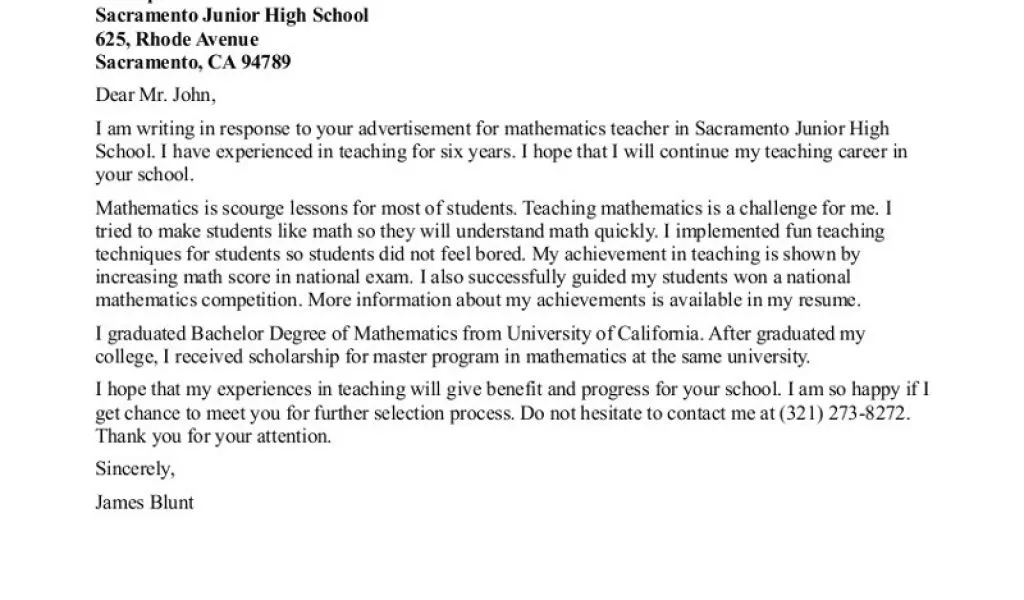
Crafting a Powerful Teacher Cover Letter
A well-crafted teacher cover letter is your first opportunity to make a strong impression on a potential employer. It’s more than just a formality; it’s your chance to showcase your personality, passion for teaching, and qualifications in a way that a resume alone cannot. In a competitive job market, a standout cover letter can be the deciding factor in landing an interview. This guide will provide you with actionable strategies to create a compelling cover letter that captures the attention of hiring managers and sets you apart from the competition. By focusing on the key elements of an effective cover letter, you’ll increase your chances of securing your dream teaching position. Let’s dive into the specifics of crafting a letter that truly represents your capabilities and dedication.
Understanding the Purpose of a Teacher Cover Letter
The primary purpose of a teacher cover letter is to introduce yourself and demonstrate how your skills, experience, and teaching philosophy align with the specific needs of the school and the position. It provides a space to elaborate on your resume, providing context and depth to your qualifications. The cover letter serves as a bridge between your past experiences and the future, highlighting your suitability for the role. It’s an opportunity to convey your enthusiasm, commitment to education, and understanding of the school’s values. Essentially, it’s your chance to make a personal connection with the hiring committee and persuade them that you are the ideal candidate. Using a professional and tailored approach, your cover letter can effectively advocate for your candidacy.
Highlighting Your Qualifications

Your cover letter is the place to highlight your key qualifications that make you an exceptional teacher. Instead of simply listing your skills, provide specific examples of how you’ve utilized them in the classroom. For instance, if you’re proficient in differentiated instruction, describe how you’ve adapted lesson plans to meet diverse learning needs. If you have experience with technology integration, detail how you’ve used educational software or online platforms to enhance student engagement. Quantify your achievements whenever possible; mention how you increased student test scores, improved classroom participation, or implemented a successful new program. When presenting your qualifications, always relate them back to the requirements of the job and the specific needs of the school.
Showcasing Relevant Experience
Your teaching experience is a critical element of your cover letter. Focus on experiences that are most relevant to the position you are applying for. Describe the roles and responsibilities you held in previous positions. If you have experience with specific age groups, subjects, or teaching methodologies, be sure to emphasize these aspects. Use the STAR method (Situation, Task, Action, Result) to provide concrete examples of how you’ve handled challenges and achieved positive outcomes. For example, explain a time you addressed a difficult classroom situation, the actions you took, and the positive impact it had on your students. Highlighting your past experiences using concrete examples is key.
Tailoring Your Letter to the School
One of the most important strategies for a successful cover letter is tailoring it to the specific school and position. Research the school’s mission, values, and programs. Mention specific initiatives or aspects of the school that resonate with you. Demonstrate that you understand the school’s culture and how your teaching philosophy aligns with their approach to education. If the school emphasizes project-based learning, for example, highlight your experience with such methods. Personalize your letter by addressing the hiring manager by name, if possible. This attention to detail will show that you’ve taken the time to understand the school’s needs and are genuinely interested in joining their community. Remember, a generic letter will not impress, whereas a tailored letter shows your genuine interest.
Demonstrating Passion and Enthusiasm

Your cover letter should be a reflection of your passion for teaching and your enthusiasm for the opportunity. Share your teaching philosophy and what motivates you to educate young minds. Express your excitement about the prospect of working with students, colleagues, and the school community. Use vivid language and a positive tone to convey your energy and commitment. Show how you are always striving to learn and improve your teaching skills. Mention any professional development activities you’ve undertaken and how they’ve influenced your approach to teaching. Let the hiring committee feel your passion for teaching in every line of your cover letter. Passion and enthusiasm are contagious, and these qualities can make you stand out.
Formatting Your Teacher Cover Letter
The format of your teacher cover letter should be professional, easy to read, and well-organized. Use a standard business letter format, including your contact information, the date, and the recipient’s information. Choose a simple, readable font, such as Times New Roman, Arial, or Calibri, and use a font size between 11 and 12 points. Use clear headings and subheadings to structure your letter, making it easy for the reader to quickly grasp the key points. Keep your paragraphs concise and focused, avoiding long, rambling sentences. Ensure that your cover letter is free of grammatical errors and typos by proofreading carefully. The format should also be visually appealing, with sufficient white space to avoid a cluttered appearance. The overall goal is to create a professional, polished, and easy-to-read document.
Using a Professional Tone
Maintain a professional tone throughout your cover letter. Avoid slang, jargon, and overly casual language. Be respectful and courteous in your communication. Use formal language when addressing the recipient and describing your experiences. Ensure that your tone conveys confidence without being arrogant. The language you use should reflect your ability to communicate effectively with parents, colleagues, and school administrators. Your writing should be clear, concise, and free of grammatical errors, showing your attention to detail and your respect for the reader. A professional tone is essential to making a positive first impression.
Structuring Your Letter for Impact
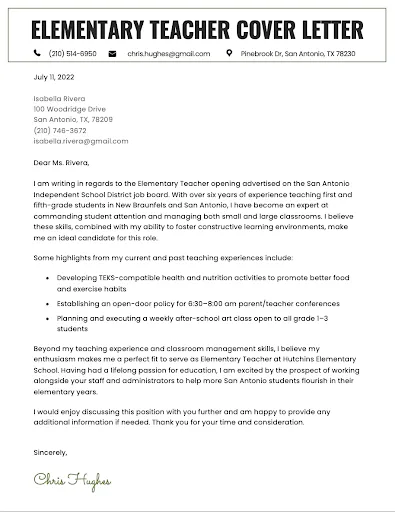
Structure your cover letter to have a clear beginning, middle, and end. The introduction should immediately grab the reader’s attention. State the position you’re applying for and briefly mention why you’re a good fit. The body of the letter should expand on your qualifications, providing specific examples and demonstrating your skills. Each paragraph should focus on a key point, making it easy for the reader to follow your narrative. In the conclusion, reiterate your interest in the position and express your gratitude for the reader’s time. Include a call to action, such as requesting an interview. This structure ensures that the letter is persuasive and easy to navigate, maximizing your impact.
Key Elements to Include
Ensure that your cover letter includes all the key elements necessary to make a compelling case for your candidacy. Begin with a strong introduction, clearly stating the position you’re applying for and how you learned about the opportunity. Highlight your most relevant qualifications, providing specific examples to illustrate your skills and experience. Demonstrate how your teaching philosophy aligns with the school’s mission and values. Show your passion for teaching and your enthusiasm for the opportunity. Close by expressing gratitude for the reader’s time and reiterating your interest in the position. Finally, include your contact information, making it easy for the hiring committee to reach you. These key elements work together to make your cover letter a complete and persuasive document.
Proofreading and Editing
Proofreading and editing are essential steps in crafting a successful teacher cover letter. Before you submit your cover letter, carefully review it for any errors in grammar, spelling, punctuation, and sentence structure. Read the letter aloud to identify any awkward phrasing or unclear sentences. Ask a trusted friend, mentor, or colleague to proofread your letter as well; a fresh pair of eyes can catch mistakes you may have missed. Ensure that the letter is consistent in its tone and style. Pay attention to detail, as errors can undermine your credibility. A polished, error-free cover letter demonstrates your professionalism and attention to detail.
Common Mistakes to Avoid

Avoiding common mistakes is crucial for ensuring your cover letter is effective. Making errors can negatively impact your chances of landing an interview. By knowing what to avoid, you can ensure your letter makes the best possible impression. Review your letter carefully to ensure you haven’t fallen into any of these common traps. The goal is to present yourself as a strong and capable candidate, and avoiding these mistakes is key to achieving that goal.
Generic Language and Clichés
One of the most common mistakes is using generic language and clichés. Phrases like “I am a team player,” “I am passionate about teaching,” or “I am a highly motivated individual” are overused and lack impact. Instead of using these generic statements, provide specific examples that demonstrate your abilities. For instance, describe a time you collaborated with other teachers on a successful project, or share a specific story that showcases your passion for education. Personalize your language to reflect your unique experiences and skills, and avoid phrases that could apply to any job applicant.
Focusing Solely on Yourself
A cover letter should not be solely about you. While you need to highlight your qualifications, you should also demonstrate how your skills and experience will benefit the school. Focus on what you can bring to the school and how you can contribute to its mission. Talk about your understanding of the school’s values and how your teaching philosophy aligns with their approach to education. Show that you understand the needs of the school and are committed to making a positive impact on its students and community. A focus on how you can meet the school’s needs will make your application stand out.
Ignoring the School’s Culture

Another common mistake is ignoring the school’s culture. Every school has its own unique values, mission, and programs. Failing to research the school and tailor your cover letter accordingly can be a significant drawback. Demonstrate that you understand the school’s culture and how your teaching philosophy aligns with its approach to education. Show your interest in their values by mentioning specific initiatives or aspects of the school that appeal to you. Addressing your letter to the hiring manager by name is always good, but also mentioning specific programs or initiatives is key to show your interest. Taking the time to understand the school’s culture will demonstrate your genuine interest and increase your chances of making a positive impression.
Making a Lasting Impression
Crafting a cover letter that makes a lasting impression is about more than simply listing your qualifications; it’s about demonstrating your passion, professionalism, and understanding of the school’s needs. The goal is to create a memorable and positive image of yourself, highlighting your ability to connect with students and contribute to the school community. A well-crafted cover letter is a powerful tool in the job search process. It’s an opportunity to showcase your skills, experience, and personality in a way that sets you apart from other candidates. Make every word count, and use your cover letter to show the hiring committee why you are the best candidate.
Expressing Gratitude
Always express gratitude to the reader for their time and consideration. Thank the hiring manager for reviewing your application. This simple act of courtesy reflects your respect and professionalism. You can include a sentence such as “Thank you for considering my application” or “I appreciate your time and attention to my application.” Ending your letter with a gesture of appreciation leaves a positive impression, showing that you value the opportunity and respect the reader’s time.
Providing Contact Information

Make sure to provide your contact information clearly and prominently in your cover letter. Include your phone number, email address, and any other relevant contact details. This makes it easy for the hiring committee to contact you if they are interested in an interview. Double-check that your contact information is accurate and up to date. Ensure that your email address is professional; avoid using a casual or unprofessional email address. Providing the correct information is a basic but crucial step in ensuring that you can be reached and that your application receives the consideration it deserves.
Following Up Effectively
After submitting your cover letter and resume, it’s essential to follow up effectively. Send a thank-you note to the hiring manager, reiterating your interest in the position and expressing your gratitude for their consideration. If you haven’t heard back within a reasonable timeframe, follow up with a brief email or phone call to inquire about the status of your application. Demonstrate your continued interest and commitment to the opportunity. By following up professionally and politely, you show your enthusiasm and help to keep your application top of mind.