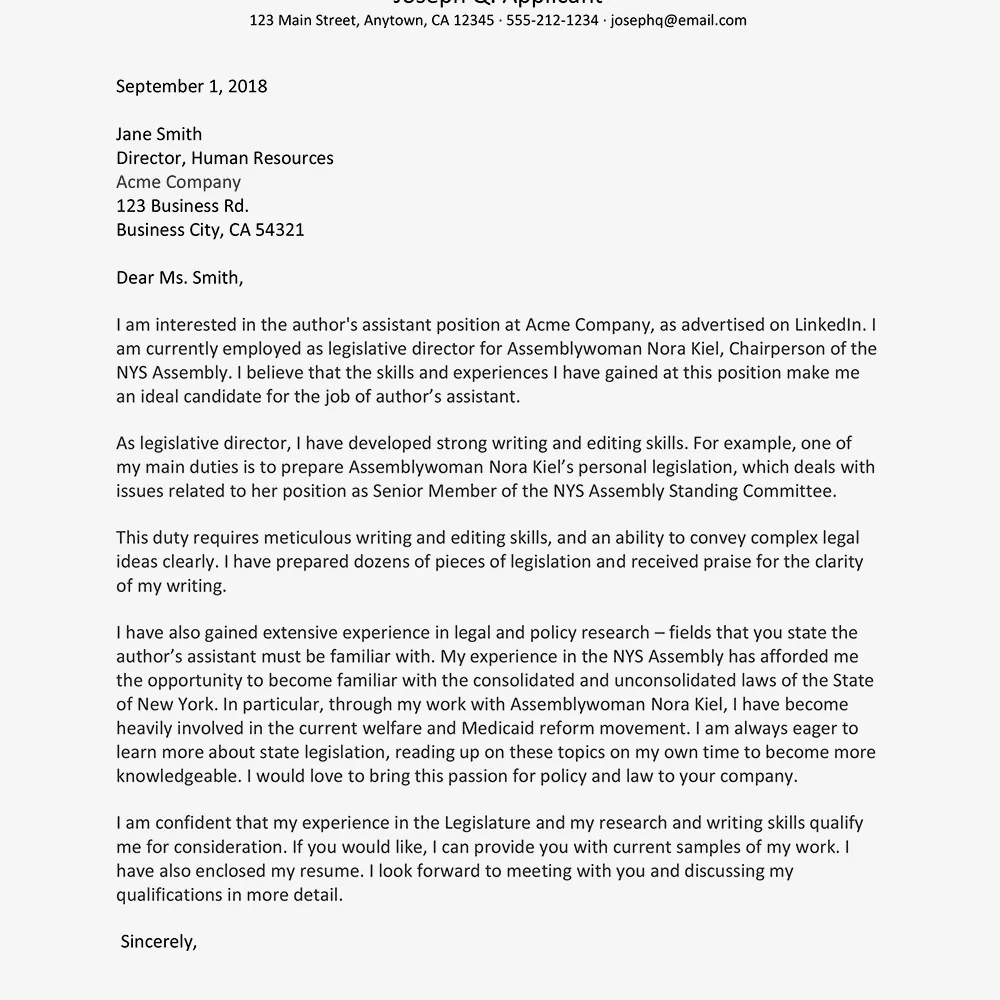
Resume & Cover Letter Fundamentals
In the competitive landscape of job hunting, your resume and cover letter are your initial representatives. They are the first impression you make on potential employers, and therefore, crucial to the success of your application. This guide provides a comprehensive overview of how to craft a resume and cover letter that not only highlights your skills and experiences but also captures the attention of hiring managers. By following these guidelines, you can significantly increase your chances of landing an interview and ultimately, your dream job. This guide will cover everything from the fundamental components of both documents to formatting best practices, keyword optimization, and common pitfalls to avoid.
Why a Strong Resume & Cover Letter Matters
A well-crafted resume and cover letter serve as your professional introduction, demonstrating your qualifications and suitability for a specific role. They are tools designed to sell your skills, experiences, and accomplishments to potential employers. A strong resume quickly highlights your relevant experience and skills, while the cover letter provides a personalized narrative that complements your resume, showcasing your personality and enthusiasm for the position. Together, these documents create a compelling story that differentiates you from other candidates. A poorly written or generic application can lead to immediate rejection, while a standout resume and cover letter can open doors to interviews and job offers.
Key Components of a Resume

The structure of your resume is crucial for conveying your information effectively. Each section serves a specific purpose in highlighting your qualifications. Understanding the key components and how to present them is vital to creating a resume that resonates with hiring managers. This section delves into each section, offering insights into the best practices for content and presentation.
Contact Information
Begin your resume with your contact information. This section should include your full name, phone number, professional email address, and optionally, your LinkedIn profile URL. Make sure your email address is professional and current. It’s essential to ensure that your contact details are accurate and easy to find, as this is how recruiters will reach you. Double-check all information for any typos or errors to ensure easy accessibility.
Summary or Objective Statement
A summary or objective statement appears at the top of your resume, serving as a brief introduction that captures the reader’s attention. A summary provides a snapshot of your experience and skills, ideal for experienced professionals. It highlights key achievements and skills that align with the job you’re applying for. An objective statement, on the other hand, is used for entry-level positions or when transitioning careers, and it states your career goals. Both should be concise, compelling, and tailored to the specific job.
Work Experience

The work experience section is the core of your resume. List your previous jobs in reverse chronological order, starting with your most recent position. For each role, include your job title, company name, location, and dates of employment. Under each job, use bullet points to describe your responsibilities and accomplishments, quantified whenever possible. Focus on what you achieved rather than simply listing your duties, and use action verbs to start each bullet point. Tailor this section to match the requirements of the job you’re applying for.
Skills Section
The skills section showcases your abilities. This can be divided into hard skills (technical abilities) and soft skills (interpersonal and professional abilities). List the skills most relevant to the jobs you are applying for. Use keywords from the job description to ensure your resume aligns with the employer’s requirements. You can create a separate skills section or integrate skills into your work experience descriptions, but the key is to make your skills easily identifiable.
Education
Include your educational background, including the name of the institution, degree earned, major, and graduation date. If you have little work experience, you can place the education section before the work experience section. Include any relevant honors, awards, or academic achievements. If you have multiple degrees, list them in reverse chronological order, similar to your work experience.
Additional Sections (e.g., Awards, Projects)

Additional sections can include awards, projects, certifications, volunteer experience, and publications. These sections provide additional details about your skills and interests. Make sure the information is relevant to the jobs you’re applying for. Including such details can make your resume stand out, especially when combined with your work experience.
Crafting a Compelling Cover Letter
While your resume provides a summary of your skills and experience, a cover letter offers a chance to present a narrative that connects your qualifications to the job and company. It allows you to showcase your personality and passion, making a more personal connection with the hiring manager.
The Purpose of a Cover Letter
A cover letter serves several key purposes. It introduces you to the hiring manager, expresses your interest in the position and the company, highlights specific skills and experiences that match the job requirements, and explains why you are a great fit for the role. The cover letter should complement your resume, providing context and demonstrating your unique value proposition. In essence, it gives you a space to make a strong case for why you should be hired.
Cover Letter Structure

A well-structured cover letter consists of several essential parts, each serving a specific purpose. This structure ensures clarity and persuasiveness, making your cover letter easy to read and understand. Adhering to this structure significantly increases the chances of catching the hiring manager’s attention and securing an interview.
Header and Salutation
Begin with a professional header including your contact information, the date, and the recipient’s contact information. If possible, address the letter to a specific person; if not, use a general salutation like “Dear Hiring Manager”. This establishes professionalism and shows attention to detail.
Opening Paragraph — Capturing Attention
Your opening paragraph should immediately capture the reader’s attention. State the position you are applying for and how you learned about it. Briefly explain why you are interested in the role and the company. It’s crucial to hook the reader from the outset, encouraging them to read the rest of your letter.
Body Paragraphs — Highlighting Your Value

The body paragraphs should highlight your relevant skills and experiences. Connect your qualifications to the job requirements. Provide specific examples of your achievements and how you have demonstrated these skills in the past. Use keywords from the job description. Quantify your achievements whenever possible to demonstrate the impact you have made in previous roles.
Closing Paragraph — Call to Action
In your closing paragraph, reiterate your interest in the position and thank the reader for their time and consideration. Include a call to action, such as stating that you are available for an interview and look forward to hearing from them. Keep the tone positive and enthusiastic.
Formatting and Design Best Practices
Formatting and design play a critical role in the readability and professionalism of your resume and cover letter. A well-formatted document is easy to read and conveys a sense of organization and attention to detail. Conversely, poor formatting can make your application look unprofessional, even if your qualifications are impressive. Ensure that your documents are visually appealing and easy to navigate.
Choosing the Right Format

Choose a format that suits the purpose and the industry. For most applications, a chronological resume, which lists your work history in reverse chronological order, is best. Functional resumes focus on skills rather than work history, which can be useful for those with limited experience or career gaps. Combination resumes merge the two formats. Your cover letter should always be a standard business letter format.
Font Choices and Readability
Select a professional and readable font, such as Arial, Calibri, or Times New Roman. Keep the font size between 10 and 12 points. Avoid overly stylized fonts that can be difficult to read. Ensure consistency in font style and size throughout your documents. Maintain a balance between visual appeal and readability; your document should be easy on the eyes.
Layout and White Space
Use plenty of white space to make your resume and cover letter look clean and organized. Use margins of at least one inch on all sides. Use headings and bullet points to break up large blocks of text. This improves readability and helps the hiring manager quickly find the information they need. Proper spacing and formatting show attention to detail.
Keywords and Applicant Tracking Systems (ATS)
Many companies use Applicant Tracking Systems (ATS) to scan resumes for relevant keywords. Understanding how ATS works and optimizing your resume for these systems is crucial for getting past the initial screening stage. This section explains how to identify and incorporate keywords effectively.
Optimizing Your Resume and Cover Letter for ATS
To optimize your resume for ATS, carefully review the job description and identify keywords related to skills, experience, and qualifications. Incorporate these keywords naturally throughout your resume, especially in your skills section, work experience descriptions, and summary or objective statement. Use the exact wording from the job description where possible. Avoid using graphics, tables, or unusual formatting that can confuse the ATS. Ensure your resume is in a format the ATS can read, like .doc or .docx files.
Keyword Research
Effective keyword research involves analyzing job descriptions and identifying the key terms used by employers. Tools like online job boards and industry-specific websites can help. Note the frequency of specific terms and the most commonly used skills or qualifications. Tailor your resume and cover letter to include these keywords, demonstrating that you meet the employer’s specific needs.
Avoiding Common Mistakes
Even small errors can undermine your application. Understanding common mistakes and how to avoid them can significantly improve your chances of success. This section highlights some of the most frequent errors and how to prevent them.
Typos and Grammatical Errors
Typos and grammatical errors are among the most common mistakes in resumes and cover letters. These errors demonstrate a lack of attention to detail. Always proofread your documents carefully and use spell-check and grammar-check tools. Ask a friend or family member to proofread your documents as well. Correct grammar and flawless spelling present you as a polished professional.
Generic Content
Avoid using generic content that can apply to any job. Tailor your resume and cover letter to each specific job application. Customize your experience and skills to match the requirements outlined in the job description. Show the employer why you specifically are the best fit for their role. Generic applications show a lack of effort and interest.
Lying or Exaggerating
Never lie or exaggerate on your resume or cover letter. Provide accurate information about your skills, experience, and accomplishments. Employers can easily verify information during the interview process or background checks. Lying can lead to serious consequences, including the rescinding of a job offer. Be honest and present your qualifications truthfully.
Proofreading and Editing
Proofreading and editing are crucial steps in the resume and cover letter writing process. It ensures accuracy and enhances the overall quality of your application. Thoroughly proofreading can catch errors that could potentially disqualify your application.
Tools and Resources for Success
There are numerous tools and resources available to help you create compelling resumes and cover letters. Utilize these resources to enhance your application and increase your chances of success. Consider professional resume writing services if needed. Online resume builders offer templates and guidance, while grammar and spell-checking tools ensure accuracy. Research industry-specific resume examples to gain insights. These resources can save you time and help you produce professional documents. Remember, your resume and cover letter represent you, and the time and effort you invest will pay off in the long run.