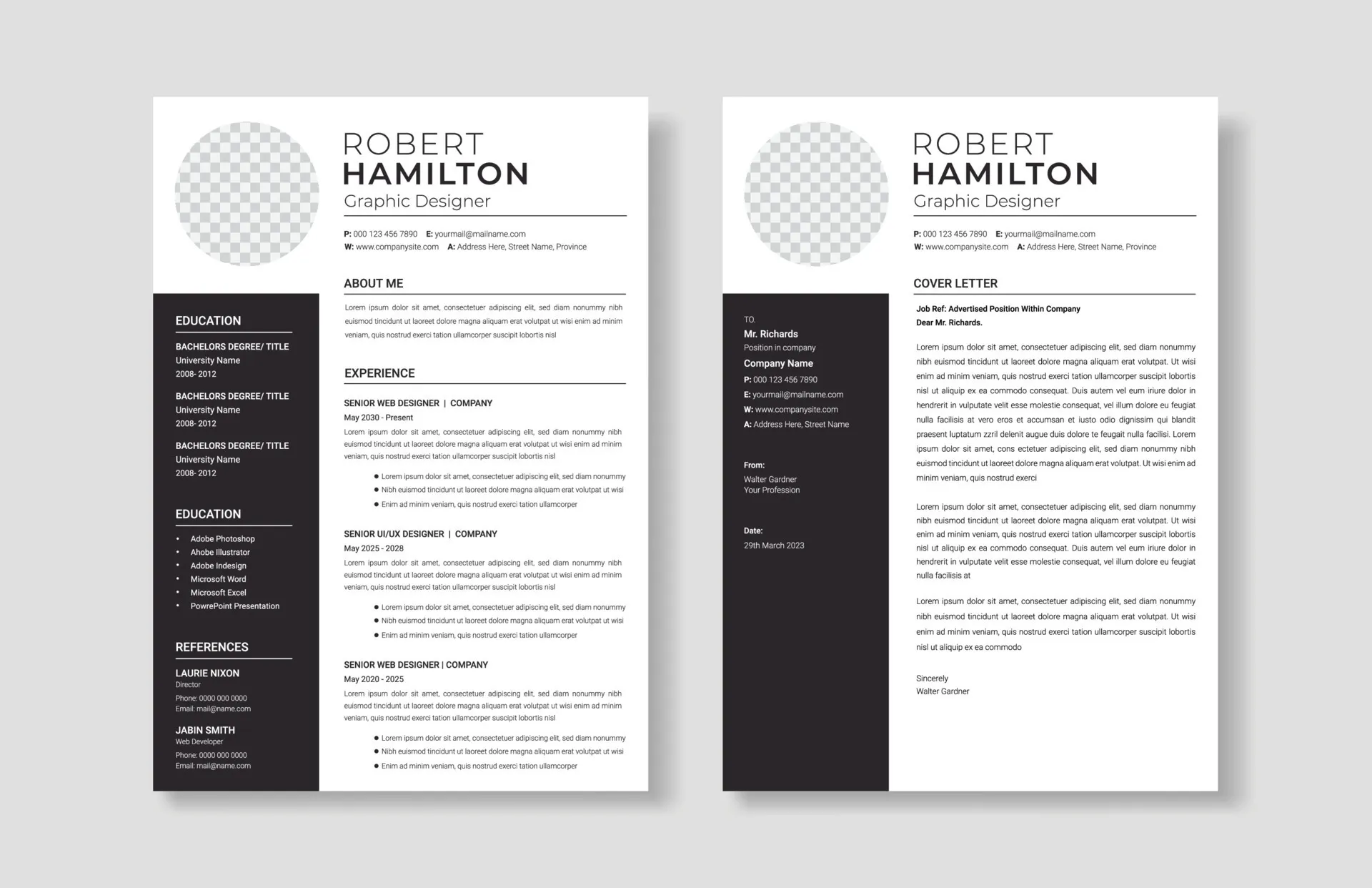
What is a Resume Cover Letter
A resume cover letter is a crucial document that accompanies your resume when applying for a job. It serves as a personalized introduction, allowing you to elaborate on your qualifications, skills, and experiences in a way that a resume alone cannot. Think of it as your chance to make a compelling first impression and persuade the hiring manager that you are the ideal candidate for the position. A well-crafted cover letter demonstrates your genuine interest in the company and the specific role, setting you apart from other applicants who may only submit a resume. It is an opportunity to showcase your personality, writing skills, and understanding of the job requirements, making it an essential part of any job application strategy. The cover letter provides context to your resume, helping the hiring manager understand the relevance of your experience to the specific job.
Why is a Cover Letter Important
The importance of a cover letter cannot be overstated in today’s competitive job market. It’s your first chance to capture the hiring manager’s attention and make a positive impression. A cover letter goes beyond the basic information on your resume, offering a space to showcase your personality, passion, and specific skills relevant to the job. Many employers highly value cover letters as they demonstrate your communication skills, attention to detail, and genuine interest in the position and the company. It also provides an excellent opportunity to explain any gaps in your employment history or career transitions, addressing any potential concerns a hiring manager might have. Furthermore, a cover letter helps you tailor your application to the specific job requirements, demonstrating that you have taken the time to understand the role and how your qualifications align with it. A well-written cover letter is often the key to getting your foot in the door and securing an interview.
Key Components of a Cover Letter

A compelling cover letter consists of several key components that work together to create a persuasive narrative. First, your contact information should be at the top, including your name, address, phone number, and email address. Next, the greeting should address the hiring manager or the specific person mentioned in the job posting. The opening paragraph is crucial for capturing the reader’s attention, stating the position you’re applying for and expressing your enthusiasm. The body paragraphs are where you elaborate on your skills, experience, and accomplishments, linking them to the job requirements. Be sure to highlight your relevant qualifications and provide specific examples to demonstrate your abilities. The closing paragraph should summarize your interest and reiterate your desire for an interview, while the call to action encourages the hiring manager to contact you. Throughout the letter, maintain a professional tone and use clear, concise language to convey your message effectively.
Contact Information
Your contact information is the first element of your cover letter and crucial for easy accessibility. Include your full name, address, phone number, and a professional email address. Ensure the email address is appropriate and reflects professionalism. It should be easy for the hiring manager to reach you for interview invitations or follow-up inquiries. Place this information at the top of your cover letter, either left-aligned or centered, to ensure it is easily visible. Double-check all the information for accuracy before submitting the letter to avoid any communication issues. Keep it concise and clean, ensuring all details are current and accurately reflect your contact details, providing the hiring manager with the necessary means to reach out to you without hassle.
Greeting
The greeting sets the tone for your entire cover letter, so it’s essential to get it right. Whenever possible, address the hiring manager by name to show you’ve done your research and are genuinely interested in the position. Research the hiring manager’s name on LinkedIn or the company website. If a specific name isn’t available, use a general salutation like “Dear Hiring Manager” or “Dear [Company Name] Hiring Team.” Avoid generic greetings such as “To Whom It May Concern.” The greeting should be formal and professional. The tone you set with the greeting can reflect your attention to detail and your desire to personalize your application. A well-targeted greeting adds a layer of professionalism and can create a positive first impression, encouraging the hiring manager to read further.
Opening Paragraph

The opening paragraph is your opportunity to make a strong first impression. Start by clearly stating the position you’re applying for and where you found the job posting. Briefly express your enthusiasm for the role and the company. This paragraph should be concise, grabbing the reader’s attention immediately. Highlight your most relevant skills or experiences that align with the job requirements. Mentioning any mutual connections or previous interactions with the company can add a personal touch. Avoid generic phrases and focus on conveying your genuine interest in the specific opportunity. The opening should be dynamic and entice the hiring manager to read on, making them eager to learn more about your qualifications.
Body Paragraphs
The body paragraphs are the meat of your cover letter, where you showcase your qualifications and skills in detail. Use this space to highlight your relevant experience, providing specific examples and quantifiable achievements that demonstrate your value. Tailor these paragraphs to match the job description, emphasizing the skills and experiences that the employer is seeking. Support your claims with evidence; instead of simply stating your skills, describe situations where you used those skills to achieve positive results. Focus on the STAR method (Situation, Task, Action, Result) to tell compelling stories of your accomplishments. Maintain a professional tone while injecting your personality to showcase your enthusiasm and how you can contribute to the company’s success. Each paragraph should flow logically, linking your qualifications to the job requirements.
Highlighting Skills and Experience
In the body paragraphs, focus on highlighting your relevant skills and experience. Carefully review the job description and identify the key skills and qualifications the employer is looking for. Then, provide specific examples of how you have demonstrated those skills in previous roles. Use action verbs to describe your accomplishments and quantify your achievements whenever possible. Structure your paragraphs to clearly illustrate how your skills and experience align with the job requirements. Avoid simply listing your skills; instead, provide context by explaining the situations where you utilized them and the positive outcomes you achieved. Tailor your examples to resonate with the specific job, demonstrating a clear understanding of the position’s needs and requirements. This approach showcases your ability to meet the expectations of the role effectively.
Quantifying Achievements

Quantifying your achievements is a powerful way to make your cover letter stand out. Use numbers and data to illustrate the impact of your contributions in previous roles. For instance, instead of saying you ‘increased sales,’ state that you ‘increased sales by 15% within one year.’ Quantifying your achievements provides concrete evidence of your skills and abilities, making your claims more credible and impactful. When possible, provide specific metrics and data related to your performance, such as the number of projects completed, the amount of money saved, or the percentage of customer satisfaction achieved. This approach helps the hiring manager understand the value you brought to your previous employers and the potential value you can bring to their company. Be precise and include relevant data that supports your key skills and accomplishments.
Tailoring to the Job Description
Tailoring your cover letter to the specific job description is crucial for demonstrating your suitability for the role. Thoroughly review the job posting and identify the key skills, qualifications, and experiences the employer is seeking. Customize your cover letter to address these requirements directly. Use keywords from the job description to show that you understand the position and its needs. Highlight the skills and experiences you possess that align with the employer’s requirements. When describing your accomplishments, provide examples that directly relate to the job responsibilities. Tailoring your cover letter demonstrates that you have taken the time to understand the position and that you are genuinely interested in the opportunity, increasing your chances of being selected for an interview.
Closing Paragraph
The closing paragraph is where you wrap up your cover letter, reinforcing your interest in the position and the company. Reiterate your enthusiasm for the opportunity and briefly summarize why you are a good fit. Express your appreciation for the hiring manager’s time and consideration. Avoid simply restating what you’ve already said; instead, use this opportunity to leave a lasting positive impression. Keep the tone professional and confident, and conclude with a clear call to action, encouraging the hiring manager to contact you. The closing paragraph is your last chance to make a strong impression and set the stage for the next step in the hiring process.
Call to Action

The call to action is a critical part of your closing paragraph, as it encourages the hiring manager to take the next step. Clearly state your desire for an interview and indicate your availability. Provide your contact information again, if you wish, to make it easy for the hiring manager to reach you. Express your confidence in your ability to meet the company’s needs and reiterate your enthusiasm for the opportunity. Consider adding a specific statement, such as ‘I am available for an interview at your earliest convenience’ or ‘I look forward to discussing my qualifications further.’ A strong call to action demonstrates your proactive approach and eagerness to proceed with the hiring process.
Formatting Your Cover Letter
Formatting is essential for creating a professional and readable cover letter. Choose a clean, easy-to-read font, such as Times New Roman, Arial, or Calibri. Maintain a consistent font size, typically between 10 and 12 points. Use single-spacing within paragraphs and double-spacing between paragraphs to create visual clarity. Left-align the text and avoid using a justified alignment, which can create inconsistent spacing. Keep the overall length to one page, ensuring the letter is concise and focused. Use clear headings and subheadings to organize the information and make it easy for the reader to navigate. Pay close attention to margins, typically one inch on all sides, to ensure the letter appears well-balanced and professional. A well-formatted cover letter reflects your attention to detail and professionalism.
Font and Style Guidelines
Selecting the right font and style is crucial for the readability and professionalism of your cover letter. Choose a font that is easy to read and visually appealing, such as Times New Roman, Arial, or Calibri. Ensure the font size is between 10 and 12 points to maintain readability. Avoid using overly decorative or unusual fonts, as they can distract the reader. Maintain a consistent font style throughout the letter. Use bold or italics sparingly to emphasize key points. Pay attention to the spacing between lines and paragraphs to improve visual flow. A well-chosen font and consistent formatting contribute to the overall professionalism of your cover letter.
Length and Structure

The ideal length for a cover letter is one page. Keep your cover letter concise and focused, highlighting only the most relevant information. Structure your letter logically, with a clear introduction, body paragraphs, and a concise conclusion. Each paragraph should serve a specific purpose and contribute to the overall message. Use clear headings and subheadings to organize the information and make it easy for the reader to navigate. Prioritize your most important qualifications and experiences, and tailor your content to the specific job description. By adhering to a structured format and staying within one page, you ensure your cover letter is easy to read and captures the reader’s attention.
Proofreading and Editing
Proofreading and editing are essential steps in the cover letter writing process. Before submitting your cover letter, carefully review it for any grammatical errors, typos, and inconsistencies. Check the spelling of all names, company names, and job titles. Ensure the formatting is consistent and visually appealing. Read the letter aloud to identify any awkward phrasing or unclear sentences. It is helpful to have a friend or colleague review your cover letter to catch any errors you might have missed. Proofreading ensures your cover letter is polished and professional, making a positive impression on the hiring manager. Thorough proofreading minimizes the risk of making a negative first impression.
Common Cover Letter Mistakes to Avoid
Avoiding common cover letter mistakes is crucial for creating a compelling application. Some errors can immediately disqualify your application, so it’s important to be vigilant. Generic letters, typos and grammatical errors, and negativity are among the most frequent pitfalls. By being aware of these mistakes and taking steps to avoid them, you can significantly increase your chances of landing an interview. Pay close attention to detail and be sure to tailor each cover letter to the specific job and company you’re applying for. Always proofread your work carefully before submitting it.
Generic Letters

A generic cover letter is one that is not tailored to the specific job or company, often using a standard template without personalization. Hiring managers can easily spot generic letters, as they lack specific details about the role or the company. Generic letters often fail to highlight the applicant’s relevant skills or experiences and demonstrate a lack of genuine interest. To avoid this, customize each cover letter to match the job description and the company’s values. Research the company and the role. Address the hiring manager by name whenever possible. Mention specific reasons why you’re interested in the position and the company. Show how your skills and experience align with the job requirements. Tailoring your letter to the specific opportunity demonstrates that you’ve taken the time to understand the role and the company’s needs.
Typos and Grammatical Errors
Typos and grammatical errors can significantly undermine the professionalism of your cover letter. These errors can make you appear careless and inattentive to detail, potentially leading to your application being rejected. To avoid these mistakes, always proofread your cover letter carefully before submitting it. Use spell-check and grammar-check tools, but don’t rely on them entirely. Read the letter aloud to identify any awkward phrasing or unclear sentences. Have a friend or colleague review your cover letter for any errors you might have missed. Pay close attention to the spelling of names, company names, and job titles. A polished and error-free cover letter demonstrates your professionalism and attention to detail, making a positive impression on the hiring manager. Proper proofreading is key to showcasing your skills and qualifications effectively.
Negativity
Avoid using negativity in your cover letter, as it can make you appear unprofessional and damage your chances of getting hired. Refrain from criticizing previous employers, colleagues, or jobs. Focus on positive aspects of your experiences and what you can bring to the new role. Instead of dwelling on negative situations, highlight how you overcame challenges and learned from your experiences. Use positive language and focus on your skills, achievements, and enthusiasm for the new opportunity. Show your interest in the future and how your skills can help the company. A positive and optimistic tone will convey your professionalism and create a favorable impression on the hiring manager. Presenting yourself in a positive light is crucial for showcasing your potential value to the company.
Examples of Effective Cover Letters

Reviewing examples of effective cover letters can provide valuable insights and inspiration. Look for cover letters that are well-written, tailored to the specific job, and highlight relevant skills and experiences. Study the formatting, language, and tone used in these examples. Analyze how the applicants showcase their achievements and quantify their results. Take note of how they express their interest in the company and demonstrate their understanding of the job requirements. Use these examples as a guide to structure your own cover letter, but avoid copying content directly. Instead, adapt the examples to create a cover letter that reflects your unique skills, experiences, and personality. By studying effective cover letters, you can learn how to create a compelling application that captures the hiring manager’s attention.
Cover Letter for Entry-Level Positions
For entry-level positions, your cover letter should emphasize your education, skills, and any relevant experiences, such as internships, volunteer work, or projects. Since you may have limited professional experience, focus on transferable skills like communication, teamwork, and problem-solving. Highlight any academic achievements, extracurricular activities, or coursework that relates to the job requirements. Demonstrate your enthusiasm for the industry and the company. Explain your career goals and why you’re interested in the role. Use this opportunity to show your potential and eagerness to learn and grow. Tailor your cover letter to the specific job description, and show how your skills align with the requirements. Your goal is to showcase your potential to the employer, proving you are a suitable candidate.
Cover Letter for Experienced Professionals
Experienced professionals should use their cover letters to showcase their relevant experience, accomplishments, and expertise. Highlight your achievements and quantify your results whenever possible. Focus on the skills and experiences that align with the job requirements. Provide examples of how you’ve solved problems, led teams, or achieved specific goals. Show how your previous roles and experiences have prepared you for the new opportunity. Tailor your cover letter to match the company’s culture and values. Demonstrate your understanding of the industry and the challenges the company faces. Use this opportunity to show how your experience and skills can contribute to the company’s success. Your goal is to demonstrate your ability to deliver results.
Cover Letter for Specific Industries
Cover letters for specific industries should be tailored to the industry’s unique standards and requirements. Research the industry and understand the specific expectations for cover letters. Use industry-specific language and terminology. Highlight any relevant certifications or licenses. Demonstrate your knowledge of industry trends and challenges. Focus on the skills and experiences most valued in that industry. Tailor your cover letter to reflect the company’s values and mission. Include specific examples that relate to the industry and the job requirements. This shows your deep understanding of the role. Be mindful of any industry-specific norms. Customize your cover letter to show you belong to the industry.