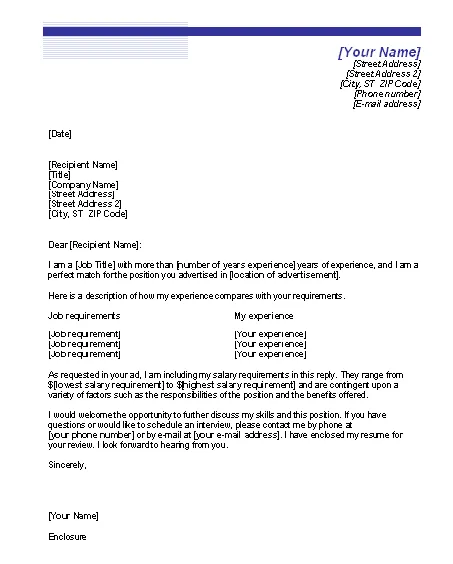
Resume Cover Letter Why It Matters
In the competitive landscape of job applications, a well-crafted resume cover letter is your first opportunity to make a lasting impression on a potential employer. It’s more than just a formality; it’s your chance to go beyond the facts presented in your resume and showcase your personality, enthusiasm, and suitability for the role. A compelling cover letter immediately grabs the reader’s attention, setting the tone for your entire application. It offers a unique space to explain why you’re the perfect candidate, highlighting your relevant skills, experiences, and genuine interest in the position and the company. Neglecting this crucial document is like leaving money on the table, as it deprives you of a key advantage in securing an interview. A good cover letter demonstrates your communication skills and your understanding of the job requirements, greatly increasing your chances of getting hired. In a world where every detail matters, taking the time to create a personalized and impactful cover letter can significantly boost your job application and set you apart from other applicants.
Crafting Your Cover Letter Headline
Begin your cover letter with an impactful headline to instantly capture the recruiter’s attention. This is your first chance to create a positive impression and make the reader want to explore more. Your headline should be brief, engaging, and personalized, directly reflecting the job you are applying for. Instead of generic phrases, use compelling statements that show your enthusiasm and focus. You may want to include the specific role you are applying for and, if possible, reference the company name. This demonstrates that your application is tailored to their needs. Keep it concise, using keywords from the job description to connect with the requirements. The goal is to highlight your most relevant skills and experiences, positioning yourself as an ideal candidate. This way, you’ll create an opening that immediately grabs the attention of the hiring manager and encourages them to continue reading, leading to increased job opportunities.
Highlighting Skills & Achievements

The body of your resume cover letter is where you showcase your value proposition, proving why you’re the best fit for the job. Highlight your key skills and accomplishments, ensuring they align with the job requirements. Go beyond just listing what you’ve done; use specific examples to demonstrate how you’ve made an impact in previous roles. Quantify your achievements whenever possible to add credibility. For instance, instead of saying ‘Managed social media,’ say ‘Increased social media engagement by 30% through strategic content creation.’ This demonstrates the practical application of your skills. Tailor your cover letter to the specific job you are applying for by carefully reviewing the job description and selecting the most relevant experiences and skills. By providing a concise narrative that highlights your qualifications and showcases the value you bring to the role, you significantly increase your chances of impressing the recruiter. This customized approach ensures your application stands out and effectively aligns with the expectations of the role.
Customizing Your Cover Letter
One size does not fit all in the job application world, and customization is key to a successful cover letter. Generic cover letters often fail to impress, whereas a tailored approach shows you’ve taken the time to understand the company and the role. Research the company and demonstrate that you know what they do and what they value. Address the cover letter to the hiring manager by name to add a personal touch. Review the job description thoroughly, highlighting the key skills and experiences the employer is looking for. Use specific examples from your career to illustrate how you’ve met or exceeded similar expectations in the past. By tailoring your cover letter to the specific requirements of each job, you show genuine interest and demonstrate that you are a perfect fit for the role. This personalized approach sets your application apart from those who use the same generic format, highlighting your dedication and increasing your chances of moving on to the next stage of the hiring process.
Cover Letter Structure Essentials
The structure of your resume cover letter plays a crucial role in its effectiveness. A well-organized cover letter not only presents your information effectively but also keeps the reader engaged and encourages them to delve deeper into your qualifications. A standard cover letter typically includes a concise introduction, a few well-structured body paragraphs, and a strong conclusion. This structure guides the reader through your key points, highlighting your skills and qualifications. The introduction should capture the reader’s attention, quickly stating your purpose and creating interest. The body paragraphs should showcase your relevant skills and experiences, supported by specific examples and achievements. The conclusion should reaffirm your interest in the role, summarizing your key strengths and including a clear call to action. Using this structure helps to create a clear and persuasive narrative, demonstrating your ability to communicate professionally and increasing your chances of securing an interview.
Opening Paragraph Grab Attention

The opening paragraph is your first opportunity to grab the hiring manager’s attention, setting the tone for the entire cover letter. It needs to be concise and compelling, highlighting the reason you are applying for the job and demonstrating your enthusiasm. Start by clearly stating the position you are applying for and where you found the job posting. Briefly mention something that has attracted you to the company or the role, showing you’ve done your research. Instead of starting with a generic statement, mention a significant achievement or skill that immediately grabs the reader’s attention. If someone referred you, mentioning their name adds a personal touch. Keep the opening paragraph brief, ensuring it sparks interest and encourages the reader to explore your qualifications further. Creating an effective opening paragraph is crucial, as it determines whether the reader will be interested in learning more about your skills and qualifications.
Body Paragraphs Showcase Your Value
The body paragraphs form the core of your cover letter, where you effectively showcase your value and qualifications. Each paragraph should focus on a specific skill or achievement, providing clear and relevant examples to illustrate your capabilities. Use the STAR method (Situation, Task, Action, Result) to describe your experiences, making them more relatable and impactful. Quantify your achievements wherever possible to demonstrate your impact and provide concrete evidence of your success. Ensure your examples align with the job requirements, using keywords from the job description. Explain how your skills have contributed to previous employers’ success, demonstrating how you can add value to the new role. Keep each paragraph focused and concise, providing the necessary information without overwhelming the reader. This structured approach helps you create a compelling narrative, effectively presenting your qualifications and showing why you are the perfect candidate for the job.
Closing Paragraph Call to Action
The closing paragraph should leave a lasting positive impression and prompt the reader to take action. Summarize your key qualifications and re-emphasize your enthusiasm for the role and the company. Express your sincere interest in the position and highlight what makes you an ideal fit for the opportunity. Include a call to action, clearly stating what you want the reader to do next. This could be an invitation to review your resume, schedule an interview, or contact you for further discussion. Make sure your tone is professional and polite, thanking the reader for their time and consideration. This final paragraph should reinforce the overall message of your cover letter, leaving a positive impression and encouraging the recruiter to move you forward in the hiring process. A well-crafted closing paragraph ensures your application’s message is complete, increasing your chances of securing an interview.
Resume Cover Letter Formatting Tips

Proper formatting is crucial for presenting your cover letter in a professional and easy-to-read manner. A well-formatted cover letter enhances readability and helps the reader focus on your qualifications. Choose a standard, professional font such as Arial or Times New Roman, using a font size between 10 and 12 points for optimal readability. Ensure consistent formatting throughout the document, including uniform margins, spacing, and alignment. This consistency presents a polished and organized appearance. Use clear headings and bullet points to break up text and make it easier for the reader to scan the document. Avoid lengthy blocks of text and use white space effectively to enhance readability. Proofread meticulously for any errors in grammar, spelling, or punctuation. A well-formatted cover letter demonstrates attention to detail and enhances the overall professional image of your application, making it more likely to capture the reader’s attention and highlight your qualifications effectively.
Choosing the Right Font
Selecting the appropriate font is an important aspect of formatting your resume cover letter, influencing its readability and overall impression. The font should be easily legible and project a professional image. Opt for classic, clean fonts like Arial or Times New Roman, which are widely recognized and easy to read. Avoid overly stylized or decorative fonts, as they can be distracting and difficult to understand. Maintain a consistent font size, typically between 10 and 12 points, ensuring the text is not too small to read or too large to appear unprofessional. The font should be clear and uniform throughout the document, which enhances readability. Selecting a suitable font reflects your attention to detail and professionalism, helping you make a positive impression. The right font contributes to the cover letter’s visual appeal and effectiveness, making it easier for recruiters to focus on your content.
Maintaining Proper Margins
Proper margins contribute significantly to the visual appeal and readability of your resume cover letter. They ensure the document looks clean, well-organized, and professional. Standard margins, typically one inch on all sides, are generally recommended. This provides sufficient white space around the text, making it easier for the reader’s eyes to navigate the content. Consistent margins ensure that the text does not appear crowded or cramped. Avoid using margins that are too narrow, as they can make the text look dense and difficult to read. Conversely, excessively wide margins waste valuable space and can make the document seem incomplete. Uniform margins create a balanced and professional layout, adding to the overall visual appeal of your cover letter. Properly formatted margins help make your cover letter easier to read and more inviting, increasing the likelihood that the recruiter will engage with your application.
Proofreading and Editing Your Cover Letter

Proofreading and editing are crucial steps that significantly impact your cover letter’s effectiveness. Before submitting your application, carefully review your cover letter for any errors in grammar, spelling, and punctuation. These errors can undermine your credibility and reflect poorly on your attention to detail. Read your cover letter multiple times, ideally aloud, to catch any mistakes you might have missed during your initial review. Use a grammar and spell-checking tool, but don’t rely solely on them. Often, these tools may overlook context-specific errors. Consider having someone else review your cover letter to provide a fresh perspective and catch any errors you may have missed. Ensure your writing is clear, concise, and well-structured, presenting your qualifications in a way that is easily understood. A thoroughly proofread and edited cover letter demonstrates your professionalism and commitment to excellence, increasing the chance your application will be viewed favorably.