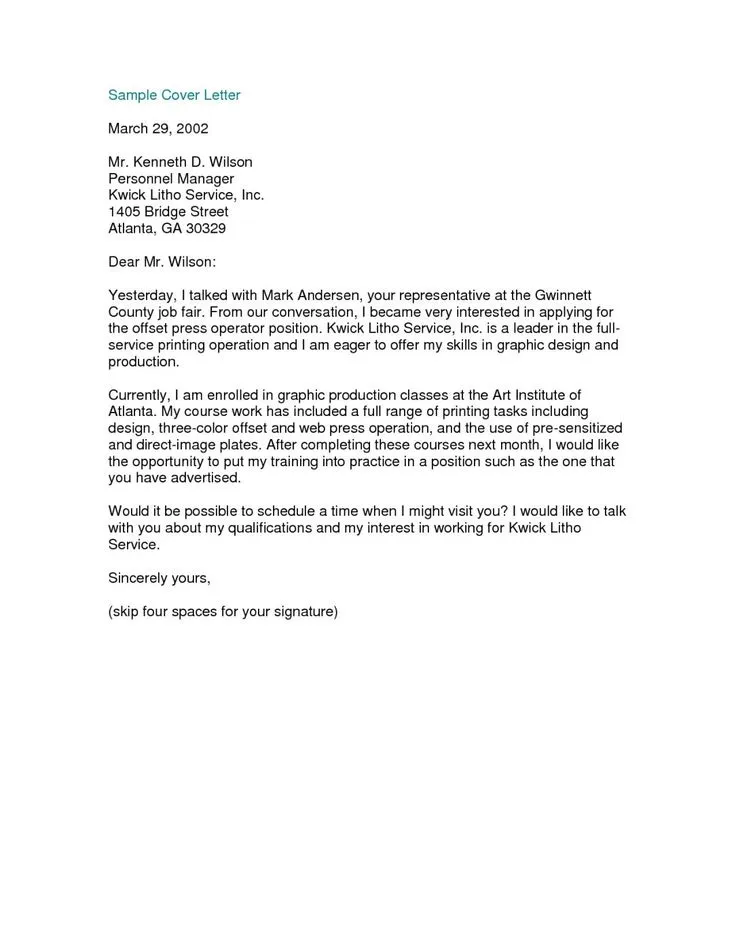
What is a Relocation Cover Letter
A relocation cover letter is a specialized cover letter that job seekers use when they are applying for positions in a new city or state. It serves as a crucial tool for individuals looking to transition their careers to a different location. Its primary goal is to convince potential employers that the candidate is genuinely interested in the opportunity and is ready to relocate for it. It’s not just about stating your willingness to move; it’s about showcasing how your skills, experience, and enthusiasm align with the job requirements and the company’s needs. This type of letter allows you to proactively address any concerns an employer might have about a candidate’s relocation plans, helping to alleviate any hesitation and demonstrate a proactive approach.
Why is a Relocation Cover Letter Important
In today’s competitive job market, a well-crafted relocation cover letter can make a significant difference in landing your dream job. It immediately signals to the employer that you are serious about the position and have a plan to make the move. This is particularly crucial as it shows the hiring manager that you’ve considered the practical aspects of relocating and are prepared to overcome any potential challenges. By explicitly stating your interest and readiness, you reduce the risk of being overlooked compared to candidates who might be local or have an easier transition. It allows you to proactively address potential concerns employers may have, such as the logistics and costs associated with relocation, and gives you an opportunity to highlight your enthusiasm for the role and the company, setting you apart from other applicants.
Essential Elements of a Compelling Relocation Cover Letter

A compelling relocation cover letter is more than just a formality; it’s a persuasive document that can significantly influence an employer’s decision. A successful cover letter requires careful attention to detail, and a well-structured approach. From the opening greeting to the closing remarks, each section should serve a clear purpose and collectively strengthen your case for employment. The key elements include a clear and concise structure, tailored content that directly addresses the job requirements, and a tone that reflects your enthusiasm and professionalism. A cover letter should not be a generic, one-size-fits-all document; it needs to be specifically tailored to each job application, showcasing how your skills, experience, and enthusiasm align with the company’s needs and the role’s responsibilities.
Your Contact Information
Begin your cover letter by providing your full name, address, phone number, and email address. This information should be at the top, either left-aligned or centered. Make sure your email address is professional, as this is a primary means of communication.
The Date
Include the current date below your contact information. This is standard practice for any formal letter and indicates when the letter was written.
Recipient’s Information

Address the letter to the hiring manager or the person listed in the job posting. If you can’t find a specific name, use a professional title such as ‘Hiring Manager’ or ‘Recruiting Team.’ Researching the company to find the correct contact person shows initiative.
Professional Greeting
Start your letter with a formal greeting, such as ‘Dear Mr./Ms./Mx. [Last Name]’ or ‘Dear Hiring Manager.’ Avoid casual greetings like ‘Hi’ or ‘Hello’ to maintain a professional tone. Correct spelling and accurate titles are essential.
Expressing Your Interest and Purpose
In the opening paragraph, state the position you are applying for and where you saw the job posting. Clearly express your strong interest in the role and mention your intention to relocate. This immediately sets the tone and assures the employer of your commitment.
Highlighting Relevant Skills and Experience

Use the body of your letter to highlight skills and experiences that directly match the job requirements. Provide specific examples that demonstrate your achievements and how you can contribute to the company. Focus on quantifiable results to showcase your value. This is your chance to connect your skills to the specific needs of the role, increasing your chances of being selected for an interview.
Emphasizing Your Relocation Readiness
Clearly state your willingness and readiness to relocate. Specify your planned relocation date or timeline. If you have already started making arrangements, briefly mention those details. Reassure the employer that you are prepared to make the move and are committed to the opportunity.
Addressing Potential Concerns
Proactively address any potential concerns the employer might have about your relocation. For example, you might mention that you have secured housing or are exploring housing options. Offer to discuss your relocation plans in more detail during an interview to further ease their worries.
Demonstrating Enthusiasm for the Opportunity

Convey your enthusiasm for the company and the role. Explain why you are excited about the opportunity and how it aligns with your career goals. Show that you’ve researched the company and understand their values and mission. This demonstrates a genuine interest in joining their team.
Concluding Your Letter
End your letter with a professional closing. Thank the hiring manager for their time and consideration. Restate your interest in the position and provide a clear call to action, such as stating you are available for an interview.
Expressing Gratitude
Express your appreciation for the reader’s time and consideration. A simple ‘Thank you for your time and consideration’ is sufficient and shows respect for the hiring manager’s schedule.
Call to Action

Clearly state your availability for an interview and provide your contact information. Encourage the employer to contact you to discuss your qualifications further. This is a crucial step in moving your application forward.
Formatting Your Relocation Cover Letter
Proper formatting ensures your cover letter is easy to read and visually appealing. Clean formatting demonstrates professionalism and attention to detail, making a positive impression on the hiring manager. Poor formatting can detract from your message and make it difficult for the reader to understand your qualifications.
Font Selection
Choose a professional and readable font, such as Times New Roman, Arial, or Calibri. Avoid overly stylized or difficult-to-read fonts. A standard font ensures your letter is easily accessible and can be read on any computer system.
Font Size

Use a font size between 10 and 12 points for the body text. This size ensures the text is readable without being too small or too large. This readability enhances the overall professionalism of the letter.
Margins and Spacing
Set margins to 1 inch on all sides and use single or 1.15 line spacing. This creates a clean and uncluttered look, allowing the hiring manager to easily read and comprehend your letter. Proper spacing also improves the visual appeal.
Proofreading and Editing
Thoroughly proofread your cover letter for any grammatical errors, spelling mistakes, or typos. These errors can undermine your credibility. Use a grammar checker and have someone else review your letter to catch any mistakes you might have missed. Ensure the language is clear and concise.
Common Mistakes to Avoid
Avoiding common mistakes can greatly improve your chances of success. These missteps can range from a lack of specificity to neglecting proper formatting. Being aware of and avoiding these errors will help you create a stronger, more effective cover letter that impresses potential employers.
Ignoring the Specifics of the Job
Do not use a generic cover letter. Always tailor your letter to the specific job description, highlighting the skills and experiences that match the requirements. Generic letters show a lack of interest and preparation.
Being Vague or Generic
Avoid vague statements and instead provide specific examples of your accomplishments. Use quantifiable results to showcase your value. A letter that lacks specific details will not make a strong impression on the hiring manager.
Focusing Too Much on the Relocation Itself
While it is important to address your relocation plans, do not let it overshadow your qualifications. The primary focus should remain on your skills and experience. Your relocation is secondary to what you can bring to the role.
Relocation Cover Letter Examples
Reviewing examples can provide you with a solid framework for writing your own letter. Examples offer insights into different scenarios, allowing you to tailor your letter to your specific situation and the requirements of the role. This can help you to effectively convey your qualifications and your commitment to the position.
Example 1 Entry-Level Position
For an entry-level position, focus on your eagerness to learn and your willingness to relocate. Highlight any relevant coursework, internships, or volunteer experiences that demonstrate your skills and dedication. Show your understanding of the company’s mission and your enthusiasm for the opportunity. This will demonstrate your ability to grow in the role.
Example 2 Experienced Professional
For experienced professionals, emphasize your track record of success and your significant contributions to previous employers. Use quantifiable results to showcase your value and highlight specific skills. Tailor the letter to the role’s requirements, demonstrating your ability to address the needs of the new company and the role.
Example 3 Addressing a Career Change
When making a career change, focus on transferable skills and relevant experiences from previous roles. Explain why you are pursuing a new career path and how your skills and experience are transferable to the new position. Show enthusiasm for the new field and how the opportunity aligns with your career goals.
Tips for Tailoring Your Letter to Each Job
Personalizing your cover letter for each job application increases your chances of success. A tailored approach shows that you’ve researched the company and have a genuine interest in the role. This level of preparation makes a strong impression.
Researching the Company and the Role
Before writing your letter, thoroughly research the company and the role. Understand their mission, values, and recent projects. Tailor your letter to reflect your understanding of their needs and how you can contribute. This shows that you have taken the time to learn about the company.
Matching Your Skills to the Job Requirements
Carefully review the job description and identify the key skills and qualifications they are seeking. Highlight your relevant skills and provide specific examples of how you have demonstrated those skills in previous roles. Align your skills to the job requirements.
Highlighting Your Unique Value Proposition
Focus on what makes you unique and what you can bring to the company that other candidates cannot. Showcase your strengths and accomplishments. This helps you stand out from other applicants and demonstrate your specific value.
Using Keywords from the Job Description
Incorporate keywords from the job description naturally throughout your cover letter. This helps to demonstrate your understanding of the role and increases the chances of your letter passing through applicant tracking systems (ATS). Keywords should be used appropriately and naturally.
Final Thoughts on Writing a Relocation Cover Letter
A well-crafted relocation cover letter is a critical component of any job application when you’re looking to move. By following these guidelines, tailoring your letter to each job, and addressing the potential concerns of the hiring manager, you can significantly increase your chances of getting an interview and landing your dream job in a new location. Remember that the goal of your letter is to convince the employer that you are the best candidate for the role, regardless of your current location, and that you are fully prepared and enthusiastic about making the move. Take the time to review and refine your cover letter before submitting it, as it can make a lasting impact.