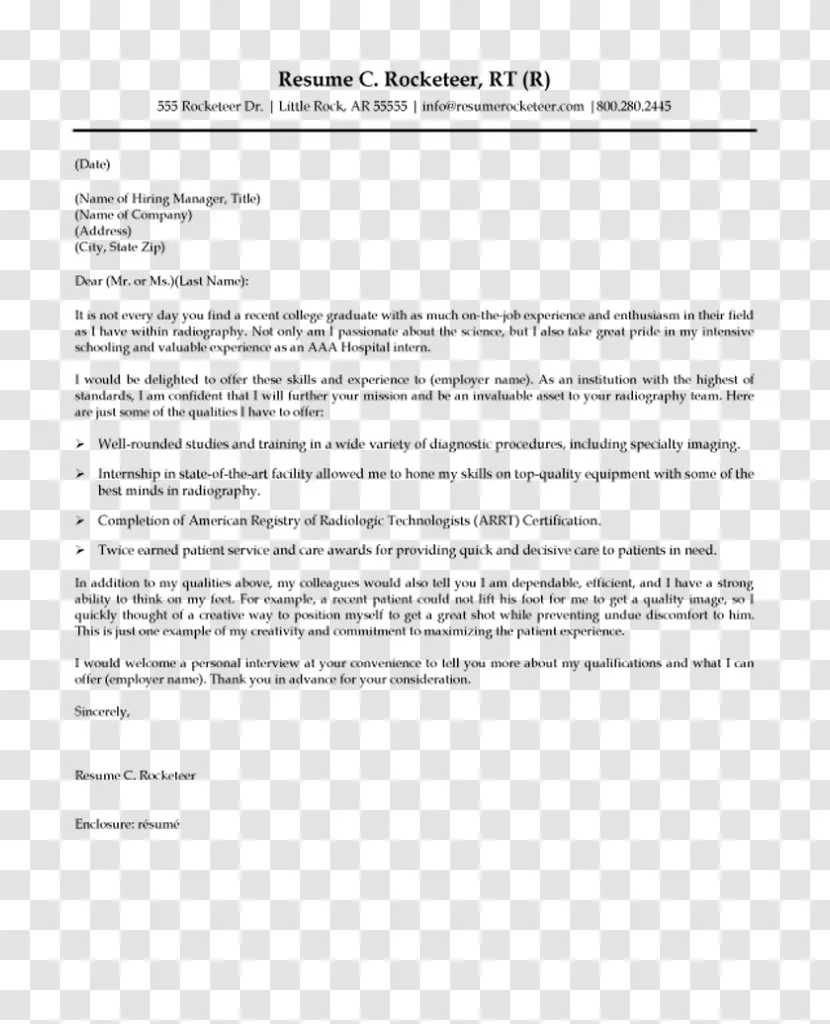
A well-crafted radiographer cover letter is your first opportunity to make a strong impression on a potential employer. It’s not just a formality; it’s a crucial tool that can significantly boost your chances of landing an interview. Your cover letter should showcase your skills, experience, and passion for radiography. It needs to be concise, compelling, and tailored to the specific job and employer. This guide provides you with the essential steps to create a radiographer cover letter that impresses, highlighting your expertise and demonstrating your suitability for the role.
Highlighting Your Radiography Skills
When writing your cover letter, make sure to emphasize your core radiography skills. This involves showcasing your technical proficiency, knowledge of various imaging techniques, and understanding of patient care protocols. Employers are looking for candidates who are not only technically competent but also possess excellent communication and interpersonal skills. The ability to clearly articulate your experience and how it aligns with the job requirements is vital. Your cover letter should provide a clear snapshot of your capabilities, making it easy for the hiring manager to see how you can contribute to their team. The aim is to demonstrate why you are the best fit for the position.
Technical Skills for Radiographers
Your cover letter should detail your technical skills, which are the foundation of your radiography expertise. These skills include the ability to operate and maintain imaging equipment, interpret images, and ensure accurate diagnosis. Demonstrate your proficiency in operating X-ray machines, understanding radiation safety protocols, and performing various imaging procedures. Provide specific examples of your experience, such as the types of procedures you have performed and the patient populations you have worked with. Include any specialized skills, such as experience with fluoroscopy or mammography, as these can significantly enhance your application. Remember, employers are looking for radiographers who can efficiently and safely utilize the latest imaging technologies.
Proficiency in X-ray Procedures

Detail your experience with X-ray procedures, highlighting your ability to produce high-quality images while minimizing radiation exposure. Mention specific procedures you’re proficient in, such as chest X-rays, abdominal X-rays, and skeletal imaging. Include any experience with specialized X-ray techniques like angiography or fluoroscopy. Focus on your ability to position patients correctly, operate the equipment safely, and troubleshoot any technical issues that may arise. Your description should emphasize your attention to detail and commitment to patient safety, which are critical aspects of any radiographer’s role. Showcasing this proficiency directly addresses the core expectations of the job.
Mastery of MRI and CT Scanning
If you have experience with MRI and CT scanning, be sure to highlight it. These advanced imaging techniques require specialized training and skills. Describe your experience in operating these machines, preparing patients for scans, and ensuring image quality. Emphasize your knowledge of contrast administration, protocols, and safety procedures. If you have experience with specific types of scans, such as cardiac MRI or CT angiography, mention it. This advanced skill set significantly increases your marketability, so present it prominently in your cover letter to capture the employer’s attention. Your ability to handle advanced imaging equipment speaks volumes about your expertise.
Experience with Radiation Safety Protocols
Radiation safety is a crucial aspect of a radiographer’s job, and you should emphasize your understanding and adherence to safety protocols. Describe your experience with ALARA (As Low As Reasonably Achievable) principles and how you implement them in your daily practice. Mention any certifications related to radiation safety. Highlight your ability to protect patients and staff from unnecessary radiation exposure, which is a critical responsibility for any radiographer. If you have experience with quality assurance procedures or radiation monitoring, include those details as well. Demonstrating your knowledge and commitment to safety is vital, so make sure it’s clearly outlined in your cover letter.
Patient Care and Communication Skills

Radiographers are often the first point of contact for patients undergoing imaging procedures, making excellent patient care and communication skills essential. Highlight your ability to interact with patients, explain procedures clearly, and provide comfort and reassurance. Your cover letter should reflect your ability to address patient anxieties and provide a positive experience. Employers value radiographers who can effectively communicate with patients from various backgrounds. Emphasizing your interpersonal skills will show that you are not only skilled in technical aspects but also compassionate and patient-focused. The key is to demonstrate your ability to build trust and rapport with patients, which leads to better outcomes and patient satisfaction.
Effective Patient Interaction Techniques
Detail your patient interaction techniques, including how you explain procedures, address patient concerns, and manage different patient needs. Mention your ability to build rapport and create a comfortable environment for patients, which can greatly ease anxiety. Describe your experience interacting with diverse patient populations, including those with disabilities, children, and the elderly. Your ability to explain procedures in a way that is easy to understand is crucial. Highlight any special communication skills you have, such as the ability to speak multiple languages or communicate effectively with patients who are visually or hearing-impaired. Patient interaction is a skill that employers value, so describe it in detail.
Empathy and Compassionate Care
Radiography often involves dealing with patients who are experiencing pain, fear, or anxiety. Emphasize your ability to provide empathetic and compassionate care. Describe how you create a supportive environment for patients and how you manage stressful situations. Mention any specific experiences where you provided emotional support or helped a patient feel at ease. Your ability to show empathy not only improves patient comfort but also contributes to better outcomes. Showcasing your compassion and ability to connect with patients on a human level makes you a more well-rounded candidate. This skill is as important as technical proficiency.
Communication with Medical Professionals

Communication is key to a radiographer’s role, and your cover letter should showcase your ability to communicate effectively with medical professionals. Highlight your skills in discussing findings with radiologists, nurses, and other healthcare providers. Mention your experience in providing clear and concise reports, attending multidisciplinary meetings, and collaborating on patient care. Describe your ability to communicate urgent findings or critical information in a timely and professional manner. Your capacity to communicate with other healthcare providers demonstrates your professionalism and contributes to a team-oriented approach. Highlighting this skill is beneficial for any radiographer.
Demonstrating Your Professionalism
Your cover letter must reflect your professional demeanor and commitment to ethical practices. Detail your ability to work as part of a team, maintain confidentiality, and adhere to professional standards. Highlight any experiences where you have demonstrated leadership skills or took initiative. Your professionalism also includes your commitment to continuing education and professional development, which shows you’re dedicated to keeping up with the latest advancements in the field. Your professionalism and dedication reflect your readiness to contribute positively to a new work environment. This enhances your appeal to potential employers.
Certifications and Licenses
Clearly list all relevant certifications and licenses. Include details such as the issuing organization, certification number, and expiration date. If you have any special certifications, such as those related to mammography or bone densitometry, make sure to include them. Verify that all certifications are current. Presenting this information in a clear and organized manner confirms your eligibility for the role and highlights your commitment to professional standards. Making sure to highlight this is essential to the application process.
Professional Development and Continuing Education

Detail your involvement in professional development and continuing education. This demonstrates your commitment to staying up-to-date with the latest advancements and techniques in radiography. Mention any courses, workshops, or conferences you have attended. Include any certifications you have obtained through continuing education programs. Your willingness to learn and adapt is highly valued by employers. Showcasing your investment in professional development shows that you are serious about your career. Detail your commitment to staying at the forefront of your field.
Tailoring Your Cover Letter for Each Application
The key to a successful cover letter is tailoring it to each job application. This involves carefully reviewing the job description and identifying the key requirements and desired skills. Then, match your skills and experience to those specific requirements. Highlight the aspects of your experience that are most relevant to the role and use the same language and keywords as the job description. Avoid using a generic cover letter. Take the time to tailor your cover letter to each employer, showing them that you’ve done your research and are genuinely interested in the position. This personalized approach increases your chances of getting noticed.
Researching the Employer and the Role
Before you start writing, research the employer. Find out about their mission, values, and the types of services they provide. This information will help you tailor your cover letter to align with their specific needs. Look at their website and social media pages to learn more. Understand the role you’re applying for. Examine the job description carefully, noting the required skills, experience, and responsibilities. This will guide you in highlighting the most relevant aspects of your background. The more you know about the employer and the role, the more effective your cover letter will be.
Customizing Your Letter to Match Requirements

Once you have researched the employer and the role, customize your cover letter to match the requirements. Use the job description to guide your writing, and incorporate relevant keywords and phrases. Highlight specific skills and experiences that align with the employer’s needs. Provide examples to illustrate your capabilities and how you have used your skills in past roles. Address the employer’s specific needs and demonstrate how you can contribute to their team. This focused approach demonstrates that you have taken the time to understand the role and that you are a great fit for the organization. Make it clear that you have considered the role’s specific needs.
In conclusion, crafting a compelling radiographer cover letter is essential for making a strong impression and securing an interview. By emphasizing your technical skills, patient care abilities, and professional commitment, you can create a cover letter that stands out. Remember to tailor your letter to each job application, researching the employer and the role to match your skills and experience to their specific needs. By following these guidelines, you’ll be well on your way to creating a radiographer cover letter that impresses and helps you land your desired job. Good luck with your job search.