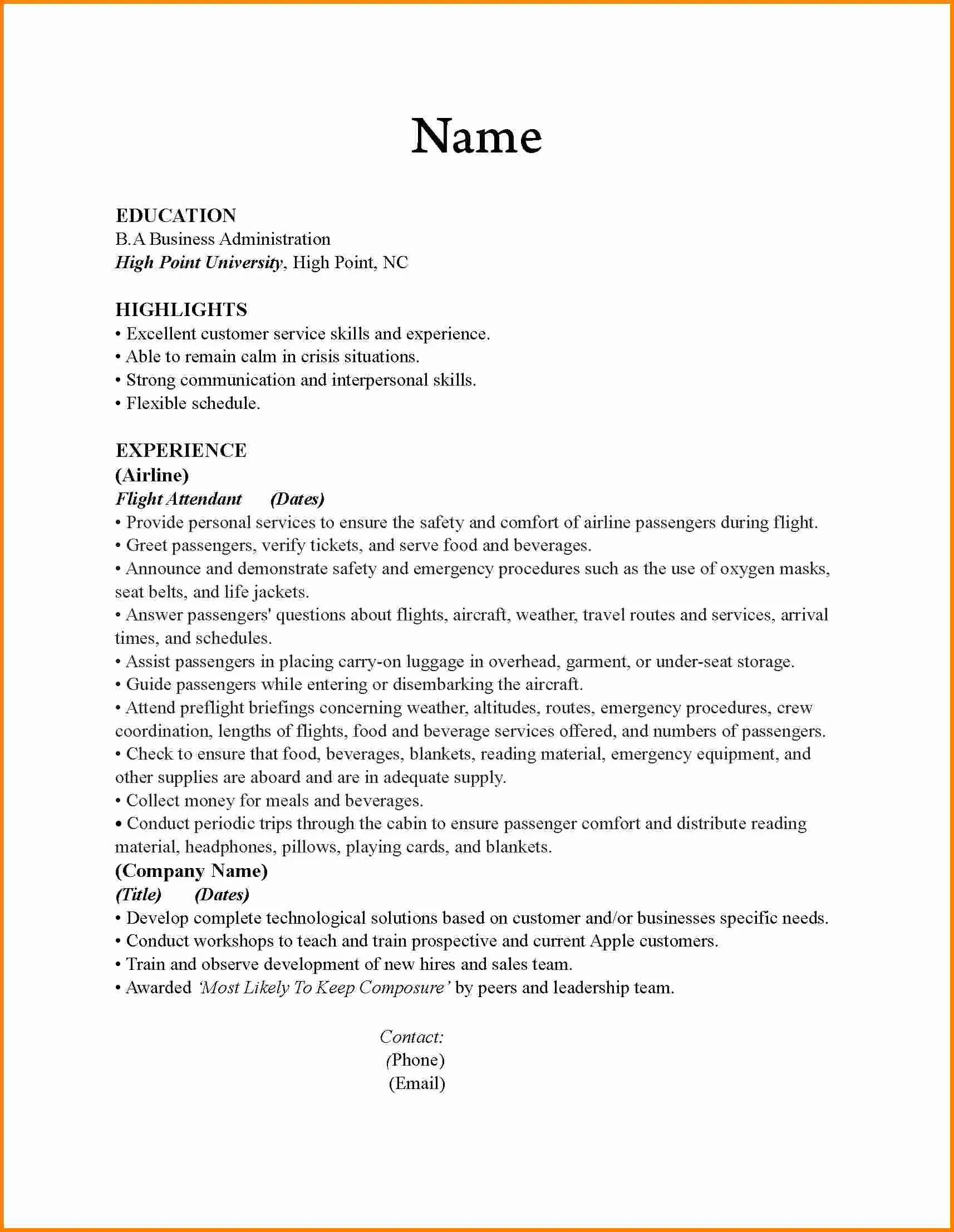
What is a Cover Letter and Why Does it Matter
A cover letter is more than just a formality it’s your first introduction to a potential employer. Think of it as your chance to make a strong first impression and provide context to your resume. It’s a personalized document that allows you to elaborate on your skills, experiences, and qualifications, demonstrating how you align with the specific requirements of the job and the culture of the company. Unlike a resume, which offers a snapshot of your professional history, a cover letter tells a story weaving together your past achievements with your future aspirations within the organization. It provides a unique opportunity to showcase your communication skills and personality, helping you to stand out from a sea of applicants. A well-crafted cover letter is a powerful tool in your job-seeking arsenal, often making the difference between landing an interview and being overlooked.
The Purpose of a Cover Letter
The primary purpose of a cover letter is to secure an interview. It serves as a persuasive tool to convince the hiring manager that you’re a strong candidate worthy of further consideration. It allows you to highlight relevant skills and experiences that directly relate to the job description, emphasizing why you are a good fit for the role. By showcasing your understanding of the company’s needs and demonstrating how you can contribute to their success, you increase your chances of moving forward in the hiring process. The cover letter also offers an opportunity to address any gaps in your resume, explain career transitions, or provide additional context to your qualifications. This personalized approach demonstrates your genuine interest in the position and your ability to communicate effectively, both of which are essential for success in the workplace.
Why Cover Letters are Important

In today’s competitive job market, cover letters remain a critical component of any job application. They give you a platform to go beyond the information provided in your resume and articulate your unique value proposition. Cover letters allow you to connect with the hiring manager on a personal level, showcasing your personality, enthusiasm, and genuine interest in the position. It provides a more detailed explanation of your accomplishments and highlights your suitability for the role. Many employers use cover letters to assess your writing skills, attention to detail, and overall communication abilities. A well-written cover letter can significantly increase your chances of landing an interview by making you stand out from other applicants. Furthermore, it’s an opportunity to demonstrate your understanding of the company and its mission, showing that you’ve done your research and are genuinely interested in the opportunity.
Crafting the Perfect Opening
The opening of your cover letter is arguably the most critical section. It’s your first and often only chance to capture the hiring manager’s attention and entice them to read the rest of your letter. A compelling opening should immediately establish your purpose, express your enthusiasm for the role, and highlight your key qualifications. It should also demonstrate your understanding of the company and the specific requirements of the job. A strong opening makes you stand out from other candidates and sets the tone for the rest of your application. It should be concise, engaging, and tailored to the specific opportunity. The opening is more than just a greeting it’s your opportunity to make a memorable first impression, setting the stage for a successful application.
Start with a Strong Hook
A strong hook immediately grabs the reader’s attention. It can be a compelling statement about your passion for the industry, an interesting anecdote related to the job, or a brief mention of a relevant achievement. The hook should be concise, impactful, and designed to pique the hiring manager’s interest. Avoid generic phrases like “I am writing to express my interest.” Instead, try something more engaging. For example, you could mention a recent company initiative that resonates with you or state how your skills align with a specific project. The hook is your chance to showcase your personality and make a memorable first impression. It sets the stage for the rest of your letter, encouraging the reader to learn more about your qualifications and experiences. Make sure your hook is relevant to the job and reflects your genuine enthusiasm.
Personalize Your Greeting

Avoid generic greetings like “To Whom It May Concern.” Whenever possible, research the name of the hiring manager or the person responsible for reviewing applications. Addressing your cover letter to a specific person demonstrates that you’ve done your research and are genuinely interested in the position. Use the correct title and spelling of the name. If you can’t find a specific name, consider using a professional title such as “Hiring Manager” or “Recruiting Team.” Personalizing your greeting adds a touch of professionalism and shows that you have taken the time to tailor your application. A personalized greeting shows that you value the opportunity and are not simply sending out a generic application. This small detail can significantly increase the impact of your cover letter.
Highlight Your Enthusiasm
Express your enthusiasm for the role and the company early in your cover letter. This can be done by mentioning specific aspects of the job or company that excite you. Refer to a recent company achievement, a product you admire, or a value that resonates with you. Your enthusiasm should be genuine and supported by your research. Avoid generic statements like “I am excited about this opportunity.” Instead, be specific and provide context. For example, you could state that you are thrilled by the company’s commitment to innovation and explain how your skills align with their mission. By showcasing your enthusiasm, you demonstrate your genuine interest in the position and make a positive first impression. Expressing enthusiasm also helps convey your passion for your field and your eagerness to contribute to the company’s success.
Showcase Your Value Proposition
In your opening, quickly state your key qualifications and how they align with the job requirements. This is your value proposition, the unique skills and experiences you bring to the table. Highlight a few key achievements or skills that directly address the needs of the employer. Quantify your accomplishments whenever possible by using numbers, percentages, or specific results. Briefly explain how you can contribute to the company’s success by solving problems, increasing efficiency, or achieving specific goals. Your value proposition should be clear, concise, and tailored to the specific job requirements. The opening is your opportunity to show the hiring manager what makes you unique and why they should consider you for the position.
Connect Your Skills to the Role

Directly connect your skills to the job requirements in your cover letter opening. Review the job description carefully and identify the key skills and qualifications the employer is seeking. Then, highlight your relevant skills and experiences, providing specific examples of how you have used them to achieve success in the past. Use keywords from the job description to show that you have carefully considered the requirements. Tailor your cover letter to each job you apply for, emphasizing the skills and experiences that are most relevant to the specific position. By connecting your skills to the role, you demonstrate that you understand the job requirements and possess the capabilities to excel. Providing concrete examples makes your claims more credible and increases the chances of making a strong impression.
Demonstrate Your Understanding of the Company
Demonstrate your understanding of the company’s mission, values, and recent achievements in your cover letter opening. This shows that you have done your research and are genuinely interested in the opportunity. Mention specific products, services, or initiatives that you admire. Show how your goals align with the company’s objectives. Avoid generic statements and instead tailor your opening to each company. Research the company’s website, social media accounts, and recent press releases to gather information. By demonstrating your understanding of the company, you show that you are not just looking for any job but that you are specifically interested in the organization and its culture. This makes your application more personal and increases your chances of making a strong impression.
What to Avoid in the Opening
Certain elements can weaken your cover letter’s opening. Avoid these common pitfalls to create a strong first impression. By paying attention to these details, you can ensure that your cover letter is effective and persuasive.
Generic Greetings

Generic greetings like “To Whom It May Concern” or “Dear Sir/Madam” make your cover letter feel impersonal and less engaging. Always try to address the hiring manager by name. If you cannot find a specific name, use a professional title, such as “Hiring Manager.” Personalizing your greeting shows that you have taken the time to tailor your application and are genuinely interested in the position. A personalized greeting also demonstrates your attention to detail, a crucial skill in any professional setting. Avoiding generic greetings can significantly improve the impact of your cover letter.
Talking About Yourself Too Much
While your cover letter is about you, the opening should focus on how your skills and experiences align with the job requirements and the company’s needs. Avoid starting with a lengthy self-introduction that focuses solely on your background. Instead, immediately highlight your key qualifications and demonstrate how they relate to the role. The opening is your opportunity to showcase your value proposition, not to provide a comprehensive autobiography. Focus on what you can offer to the company and how you can contribute to their success. Keep the focus on the employer’s needs and your ability to meet them.
Poor Grammar and Spelling
Typos and grammatical errors can damage your credibility and create a negative impression. Always proofread your cover letter carefully before submitting it. Use a spell checker and grammar checker. Consider having a friend or family member review your letter as well. Proofreading is crucial because errors can undermine your professionalism and attention to detail. Ensure that your cover letter is polished, well-written, and free of any mistakes. A well-written and error-free cover letter shows that you take pride in your work and pay attention to detail.
Formatting and Style Tips

The formatting and style of your cover letter can impact its readability and overall effectiveness. Using the right formatting and style can significantly enhance your cover letter’s impact. By paying attention to these details, you can ensure that your cover letter is clear, concise, and professional.
Keep it Concise
Keep your cover letter concise and to the point. The opening should be brief and engaging, capturing the reader’s attention quickly. Avoid lengthy paragraphs and unnecessary details. Aim for a strong hook that immediately introduces your key qualifications. The goal is to make a positive first impression and encourage the reader to continue reading. Conciseness is crucial, so the hiring manager can easily understand the value you bring. A well-crafted opening that is brief and to the point will grab the reader’s attention immediately.
Use Action Verbs
Use strong action verbs to describe your skills and achievements. Action verbs add impact and energy to your writing. Instead of saying “I was responsible for,” use verbs like “managed,” “led,” “developed,” or “achieved.” Action verbs make your cover letter more engaging and show that you are a proactive and results-oriented individual. This helps you highlight your accomplishments and demonstrate your value to potential employers. Strong action verbs make your writing more compelling and help you to stand out from other applicants. Using action verbs provides a more dynamic and convincing description of your skills and experiences.
Proofread Carefully

Proofread your cover letter multiple times to catch any errors in grammar, spelling, and punctuation. Errors can undermine your credibility and professionalism. Reading your cover letter aloud can help you identify awkward phrasing or sentences. Consider having a friend or family member review your letter as well. Careful proofreading demonstrates your attention to detail and commitment to quality. Ensure that your cover letter is polished and free of any mistakes. A well-proofread cover letter shows that you value your work and take the time to present yourself in the best possible light.
How to Tailor Your Cover Letter
Tailoring your cover letter to each job you apply for is essential. Generic cover letters are easily recognized and often discarded. Tailoring a cover letter involves researching the company, understanding the job requirements, and customizing your content to match. Customize your cover letter to show how your skills and experiences meet the specific requirements of the role. This personalization demonstrates your genuine interest and increases your chances of getting noticed. Tailoring also involves using keywords from the job description, addressing the hiring manager by name, and highlighting the aspects of your background that are most relevant to the position.
Research the Company
Before writing your cover letter, thoroughly research the company. Visit their website, read about their mission and values, and explore their products or services. Researching helps you understand the company’s culture and the requirements of the job. Find out about recent news or achievements to show your genuine interest. Demonstrating your knowledge of the company shows that you have invested time and effort, making you a more appealing candidate. Use this information to personalize your cover letter and demonstrate how your skills align with the company’s goals. Show your knowledge and interest by addressing specific company initiatives.
Match the Tone to the Job

Adjust the tone of your cover letter to match the job and the company’s culture. If the job description is formal, use a professional and respectful tone. If the company culture is more casual, you can use a more conversational approach. Tailoring the tone shows that you understand the company’s values and can adapt your communication style accordingly. It can involve the use of formal language or industry-specific terms, or a more informal and friendly style. Matching the tone demonstrates your ability to fit in with the company culture, making you a more attractive candidate. Always maintain professionalism and avoid slang or overly casual language unless it’s completely appropriate for the context.
The Importance of a Strong Closing
A strong closing is just as important as a compelling opening. It’s your last chance to reinforce your interest, reiterate your value, and encourage the hiring manager to take action. A good closing includes a call to action and expresses your gratitude for their consideration. A well-crafted closing leaves a positive final impression and increases your chances of moving forward in the hiring process.
Call to Action
Include a clear call to action in your closing. Let the hiring manager know what you want them to do next, such as requesting an interview or contacting you for more information. Be specific and direct in your request. This shows that you are proactive and eager to take the next step. A call to action increases your chances of getting a response and progressing to the next stage. It is your opportunity to guide the hiring manager on the next steps, moving the application forward.
Express Gratitude
Always express your gratitude for the hiring manager’s time and consideration. Thank them for reviewing your application and for the opportunity to be considered for the role. This demonstrates your professionalism and appreciation for their efforts. Expressing gratitude leaves a positive impression and shows that you value the opportunity. It can also help you stand out from other candidates and create a positive final impression. A simple thank you at the end of the cover letter goes a long way.