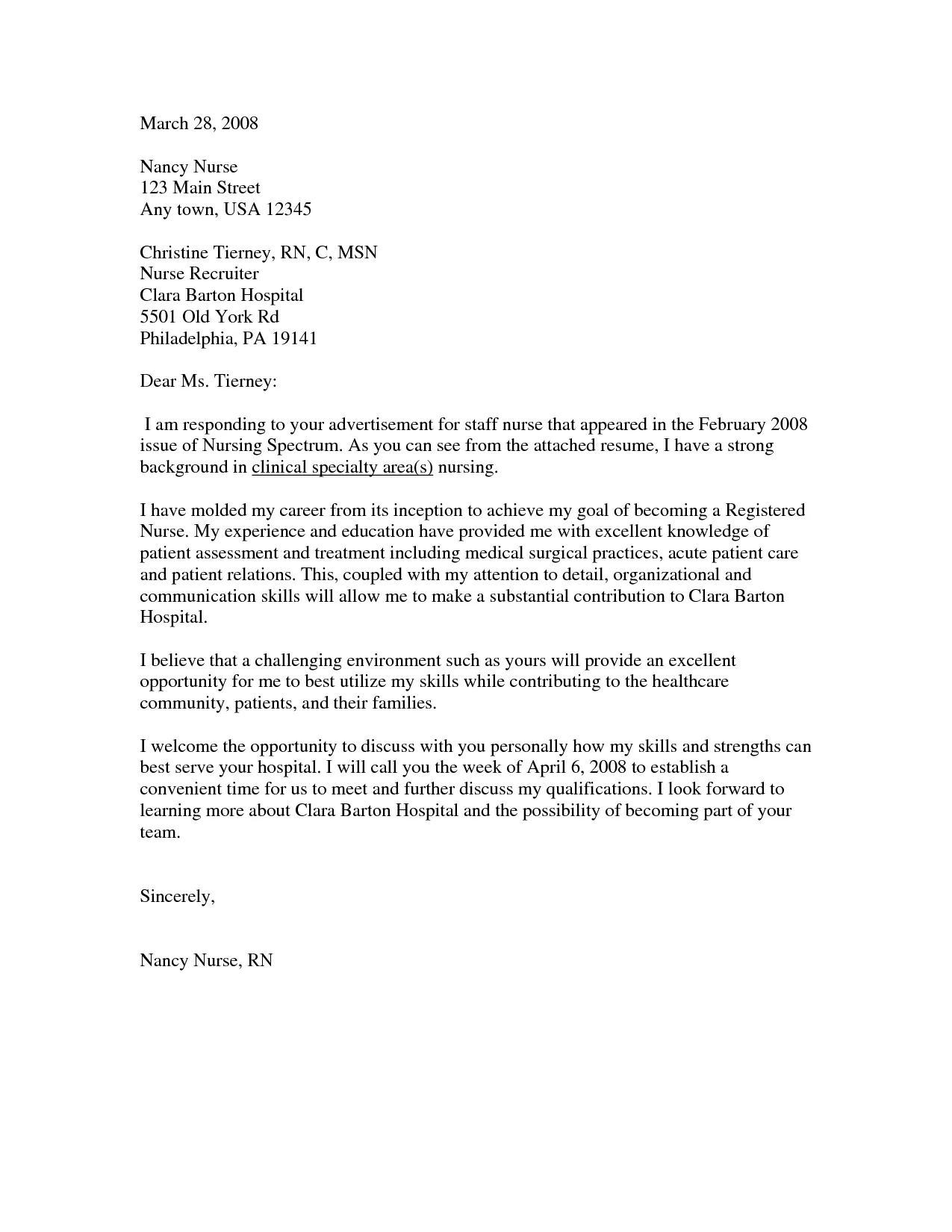
Understanding the Nurse Practitioner Cover Letter
A nurse practitioner cover letter serves as your introduction to a potential employer, supplementing your resume and providing a more in-depth look at your qualifications, skills, and professional experience. Unlike your resume, which offers a concise overview, the cover letter allows you to showcase your personality, express your enthusiasm for the position, and explain why you are the perfect fit for the role. Crafting a compelling cover letter is crucial in the competitive field of healthcare, where standing out from other applicants is essential. This guide will provide you with the necessary tools and insights to create a cover letter that grabs the attention of hiring managers and increases your chances of landing an interview.
Why a Cover Letter is Essential for Nurse Practitioners
In the healthcare industry, a well-written cover letter is not just a formality; it’s a strategic tool. It allows you to go beyond the bullet points of your resume and provide context to your experiences. The cover letter gives you the opportunity to address specific job requirements, demonstrate your understanding of the healthcare organization’s mission, and articulate your passion for patient care. Furthermore, a cover letter enables you to highlight accomplishments and skills that align directly with the job description, making your application more relevant. It’s a chance to tell a story and make a personal connection with the hiring team, which can be a deciding factor in a competitive job market. Without a cover letter, you may be missing a vital chance to showcase your value.
Highlighting Your Skills and Experience

Your cover letter is the ideal space to showcase the skills and experience that make you an exceptional nurse practitioner. Instead of simply listing your qualifications, use this section to elaborate on your achievements and demonstrate how you’ve applied your skills in real-world scenarios. For instance, if you have experience in a specific area of healthcare, such as cardiology or pediatrics, be sure to highlight it. Describe the specific tasks and responsibilities you handled, the challenges you overcame, and the positive outcomes you achieved. Quantify your accomplishments whenever possible using metrics. Show, don’t just tell, the value you bring to the table.
Tailoring Your Cover Letter to the Job
A generic cover letter will rarely impress a hiring manager. Customize each cover letter to the specific job you’re applying for. Carefully review the job description and identify the key skills, experiences, and qualifications the employer is seeking. Then, use your cover letter to highlight how your background aligns with these requirements. Provide examples of how you’ve demonstrated these skills in previous roles. Demonstrate that you have researched the healthcare facility and understand its values and goals. This level of personalization shows that you are genuinely interested in the position and have taken the time to understand their needs. This tailored approach significantly increases your chances of getting noticed.
Key Components of a Nurse Practitioner Cover Letter
Header and Contact Information

Begin your cover letter with a professional header that includes your full name, address, phone number, and professional email address. Ensure your email address is professional and reflects your name. Include the date and the hiring manager’s name and title, if known. If you don’t know the hiring manager’s name, research the organization’s website or LinkedIn profile to find it. Addressing the letter to a specific person shows attention to detail and personalizes your approach.
The Salutation and Opening
Start your cover letter with a professional salutation, such as “Dear Mr./Ms./Dr. [Last Name]” or “Dear Hiring Manager.” Avoid generic salutations such as “To Whom It May Concern.” The opening paragraph should state the position you are applying for and how you found the job posting. Briefly mention why you’re interested in the role and the organization. Make a strong first impression by expressing your enthusiasm and highlighting a key skill or accomplishment relevant to the position.
Body Paragraphs
The body paragraphs are the meat of your cover letter. This is where you elaborate on your skills, experience, and qualifications. Structure the paragraphs logically, using a clear and concise writing style. Focus on matching your qualifications with the job requirements. Provide specific examples of your accomplishments and quantify your achievements whenever possible. Use action verbs to describe your duties and responsibilities. Show, don’t just tell, your value. Address any specific requirements mentioned in the job description and explain how your skills and experience align with them.
Expressing Interest and Enthusiasm

Throughout the cover letter, express your interest in the position and enthusiasm for the organization. Show that you have researched the organization and understand its mission, values, and goals. Briefly explain why you’re interested in this particular role and why you’re a good fit. This passion will make your application more memorable and create a positive impression on the hiring manager.
Quantifying Achievements
Quantify your achievements whenever possible to provide concrete evidence of your capabilities. Use numbers, statistics, and metrics to demonstrate the impact you’ve made in previous roles. For example, instead of saying “Improved patient outcomes,” you could say “Improved patient satisfaction scores by 15%.” This level of detail provides the hiring manager with measurable evidence of your abilities and differentiates you from other candidates.
Closing the Letter
In your closing paragraph, reiterate your interest in the position and express your enthusiasm for the opportunity. Thank the hiring manager for their time and consideration. Include a call to action, such as stating that you look forward to hearing from them soon or that you are available for an interview at their earliest convenience. End the letter with a professional closing.
Professional Closing and Signature

Use a professional closing such as “Sincerely,” “Best regards,” or “Thank you.” Leave space for your signature (if printing and mailing) and type your full name below. Ensure your signature is legible and professional. This final touch reinforces your professionalism and attention to detail.
Formatting and Design Best Practices
Font and Readability
Choose a professional and readable font, such as Times New Roman, Arial, or Calibri. Use a font size between 10 and 12 points. Ensure the text is easy to read. Use a clear layout with adequate spacing between paragraphs and sections. Avoid using fancy fonts or unusual formatting that might distract the reader or make your cover letter difficult to read.
Length and Structure

Keep your cover letter concise and focused. Aim for a one-page letter. Use a well-structured format with clear headings and subheadings to organize the information. Break up large blocks of text into smaller paragraphs. This format enhances readability and allows the hiring manager to quickly grasp the key points. Using a clear structure will make your letter more effective and easier to read.
Proofreading and Editing
Proofread your cover letter carefully before submitting it. Check for any typos, grammatical errors, or formatting inconsistencies. Have a friend or colleague review your cover letter for clarity and accuracy. Errors can undermine your credibility and damage your chances of getting an interview. Ensure that your cover letter is polished and professional.
Common Mistakes to Avoid
Generic Cover Letters

One of the most common mistakes is using a generic cover letter. These letters often fail to address the specific requirements of the job or express genuine interest in the organization. Always customize your cover letter to match the job description and demonstrate your understanding of the employer’s needs. This personalization shows that you’ve taken the time to understand the role and are genuinely interested in the opportunity.
Typos and Grammatical Errors
Typos and grammatical errors can quickly undermine your credibility and professionalism. Always proofread your cover letter carefully before submitting it. Use spell-check and grammar-check tools, and consider having someone else review your letter for errors. A clean, error-free cover letter reflects attention to detail and a commitment to quality.
Ignoring Job Requirements
Ignoring the specific requirements mentioned in the job description is a significant mistake. Your cover letter should clearly address how your skills, experience, and qualifications align with the employer’s needs. Highlight the keywords and phrases used in the job posting and provide examples of how you’ve demonstrated these skills in previous roles. This approach demonstrates that you have carefully reviewed the job description and are a strong match for the position.
Tips for a Compelling Cover Letter
Researching the Employer
Before writing your cover letter, research the employer and the role. Understand the organization’s mission, values, and goals. Visit their website, read recent news articles, and review their social media profiles. This research will enable you to tailor your cover letter to the specific needs of the employer and show that you are genuinely interested in working for them. Furthermore, understanding the employer will make it easier to align your skills and experiences with their requirements.
Showcasing Your Unique Value Proposition
Identify your unique value proposition – what makes you stand out from other nurse practitioner candidates. Highlight your unique skills, experiences, and accomplishments that align with the job requirements. Demonstrate how you can solve the employer’s problems or contribute to their success. This distinct perspective will make your application more memorable.
Including a Call to Action
End your cover letter with a strong call to action. Clearly state your interest in the position and express your enthusiasm for the opportunity. Indicate your availability for an interview and how you can be contacted. A strong call to action encourages the hiring manager to take the next step, increasing your chances of getting hired.
Cover Letter Examples for Nurse Practitioners
Example Cover Letter 1
Example cover letters are an excellent tool for guidance. They provide a template to build from. Use the example letter to understand how to format and what content should be included. However, remember to tailor to your own experience.
Example Cover Letter 2
Another example to review to grasp a better understanding.
Example Cover Letter 3
Review a third example to get the best template.