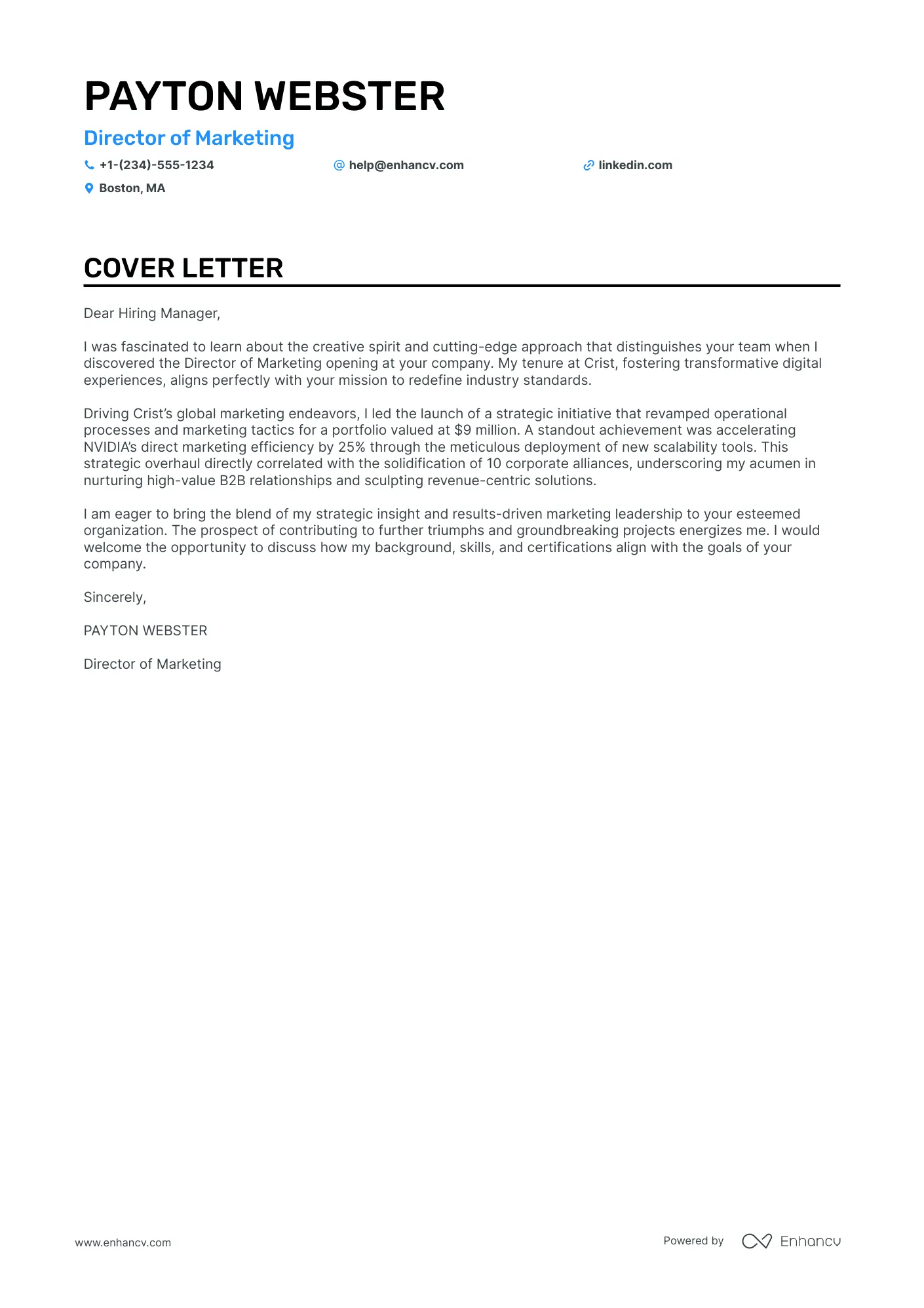
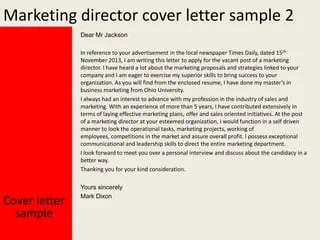
Cover Letter for Marketing Director The Essentials
A well-crafted cover letter is your first opportunity to impress a potential employer and secure an interview. For a Marketing Director position, your cover letter should be a strategic marketing document in itself, showcasing your expertise, achievements, and leadership capabilities. This guide offers 101 tips to help you create a compelling cover letter that sets you apart from the competition. Remember, your cover letter should complement your resume, not simply repeat it. It’s your chance to tell a story, highlighting how your unique skills and experiences align with the specific needs of the company and the role. Consider it a concise sales pitch, designed to convince the hiring manager that you are the ideal candidate.
Highlighting Your Achievements
One of the most critical aspects of your cover letter is demonstrating your past successes. Hiring managers want to see tangible results. Instead of simply listing your responsibilities, focus on your accomplishments. What did you achieve in your previous roles? How did you contribute to the growth and success of the company? Use specific examples to illustrate your impact. This section should focus on the value you brought to the organization, emphasizing how your actions translated into measurable results. Use data and metrics to support your claims, showcasing your ability to drive positive outcomes and contribute to the bottom line. Remember, potential employers are looking for someone who can replicate their past achievements.
Quantify Your Success
Whenever possible, quantify your achievements using numbers and data. This makes your accomplishments more credible and provides concrete evidence of your capabilities. For example, instead of saying ‘Increased sales,’ state ‘Increased sales by 20% within one year.’ Instead of ‘Improved brand awareness,’ write ‘Improved brand awareness by 30% through targeted social media campaigns.’ These quantifiable metrics demonstrate your ability to drive results. They also allow the hiring manager to understand the scale of your impact. Always include specific figures and use percentages, dollar amounts, or other relevant metrics to support your claims. Remember to focus on achievements that align with the job description and the company’s key performance indicators (KPIs).
Use Action Verbs
Start your achievement statements with strong action verbs. This makes your cover letter more dynamic and engaging. Action verbs quickly communicate what you did and the impact you had. Instead of saying ‘Responsible for managing the marketing team,’ use phrases like ‘Led a team of 10 marketing professionals.’ Or, instead of ‘Participated in the development of marketing strategies,’ use ‘Developed and implemented marketing strategies.’ Other effective action verbs include ‘achieved’, ‘created’, ’launched’, ‘managed’, ‘improved’, ‘increased’, ‘directed’, ‘spearheaded’, ’transformed’, and ’negotiated’. Choose verbs that accurately describe your contributions and highlight your skills and accomplishments.
Showcasing Your Skills
In addition to highlighting your achievements, your cover letter should showcase your key skills. Identify the skills that are most relevant to the Marketing Director position and the specific requirements of the job. These skills can be categorized into two broad categories: hard skills (technical expertise) and soft skills (interpersonal and leadership abilities). Customize your cover letter to reflect the specific requirements listed in the job description. Highlight the skills that the employer values most. This demonstrates that you have a clear understanding of what the role entails and possess the necessary capabilities to succeed.
Strategic Thinking

Marketing Director positions require a high degree of strategic thinking. Your cover letter should demonstrate your ability to develop and implement effective marketing strategies. This includes skills such as market analysis, competitive analysis, campaign planning, and budgeting. Highlight your experience in developing marketing plans that align with business goals, setting clear objectives, and measuring performance. Provide examples of successful marketing campaigns you have led, outlining the strategies you employed and the results you achieved. Showing your ability to analyze data, identify trends, and make informed decisions will make you stand out.
Communication and Leadership
Effective communication and leadership are essential for a Marketing Director. You must be able to communicate your vision clearly, motivate your team, and build strong relationships with stakeholders. Your cover letter should showcase your ability to lead and inspire. Highlight your experience in managing and mentoring marketing teams, fostering a collaborative environment, and driving high performance. Provide examples of how you have effectively communicated marketing strategies and results to senior management and other departments. Illustrate your ability to build consensus and collaborate with cross-functional teams to achieve common goals. If you have ever resolved team conflict or dealt with difficult situations, include that as well.
Formatting Your Cover Letter
The format of your cover letter is also important. It should be well-organized, easy to read, and visually appealing. Use a professional font, such as Times New Roman or Arial, and maintain consistent formatting throughout. Use clear headings and subheadings to break up the text and make it easier for the hiring manager to scan. Keep paragraphs concise and to the point. Avoid using overly complex language and keep your writing style clear and concise. The goal is to make it easy for the hiring manager to quickly understand your qualifications and experience.
Contact Information

Ensure your contact information is clearly displayed at the top of your cover letter. Include your full name, phone number, email address, and LinkedIn profile URL (if you have one). Make sure your email address is professional and that your voicemail message is friendly and professional. Double-check all information for accuracy before submitting. This is the simplest of things to avoid making your cover letter look unprofessional. Make sure it is easy for the hiring manager to contact you.
Professional Tone
Maintain a professional tone throughout your cover letter. Avoid using slang, jargon, or overly casual language. The cover letter should be polite and respectful. Demonstrate enthusiasm for the position and the company, but avoid excessive flattery. Proofread the letter carefully for any typos, grammatical errors, or inconsistencies. Before sending the cover letter, consider having a friend or colleague review it for clarity and professionalism. This can help you catch any mistakes you may have missed.
Tailoring Your Cover Letter
One of the most important tips for writing a successful cover letter is to tailor it to each specific job you apply for. Generic cover letters are easily identifiable and can be a major turnoff for hiring managers. Take the time to research the company and the specific requirements of the role. Customize your cover letter to reflect the company’s values, culture, and the specific skills and experience they are looking for. Highlighting the company-specific skills makes it clear that you are interested in the opportunity and have the qualifications they seek.
Researching the Company

Before writing your cover letter, thoroughly research the company. Visit their website, read their annual reports, and review their social media presence. Understand the company’s mission, values, and recent initiatives. This will help you tailor your cover letter to demonstrate a genuine interest in the company and its goals. Identify the company’s challenges and opportunities. Find out what projects they are currently undertaking and consider the marketing strategy that might suit them. This information will give you the knowledge to make a strong case for your suitability for the role.
Matching Skills to Requirements
Carefully review the job description and identify the key skills and qualifications the employer is seeking. Use this information to tailor your cover letter. Highlight the specific skills and experiences that align with the requirements. Use the same keywords and phrases used in the job description. Show how your skills match their needs. Provide examples of how you have used these skills to achieve success in your previous roles. This focused approach demonstrates that you have a clear understanding of the role and are well-suited for the position.
Cover Letter Mistakes to Avoid
There are several common mistakes that can undermine your cover letter. Avoiding these mistakes is crucial for creating a positive impression. Being aware of these common pitfalls will help ensure that your cover letter is polished, professional, and effective in securing an interview.
Generic Content

Avoid using generic cover letters that could be sent to any employer. This shows a lack of effort and a lack of genuine interest in the specific position. Always tailor your cover letter to the specific job and company. Show the reader that you are excited about their job. Highlight the specific skills and experiences that make you a strong fit for this role. Use the company’s name and reference specific projects or initiatives to demonstrate your research and interest. Personalize your cover letter to reflect the unique requirements of the opportunity and the company.
Typos and Grammatical Errors
Typos and grammatical errors can damage your credibility. They suggest that you are not detail-oriented or that you do not pay attention to quality. Always proofread your cover letter carefully before submitting it. Use spell-check and grammar-check tools. However, do not rely on these tools alone. Have a friend or colleague review your cover letter for any errors you may have missed. Make sure to double-check the accuracy of your contact information and the company’s name and the hiring manager’s name. A polished and error-free cover letter demonstrates your professionalism and attention to detail.
Call to Action
Conclude your cover letter with a clear call to action. Reiterate your interest in the position and the company. Express your eagerness to discuss your qualifications in more detail. Include a specific statement such as ‘I am eager to discuss how my skills and experience can contribute to your company’s success.’ Provide your contact information again and thank the hiring manager for their time and consideration. A strong call to action reinforces your interest and encourages the hiring manager to take the next step in the hiring process.