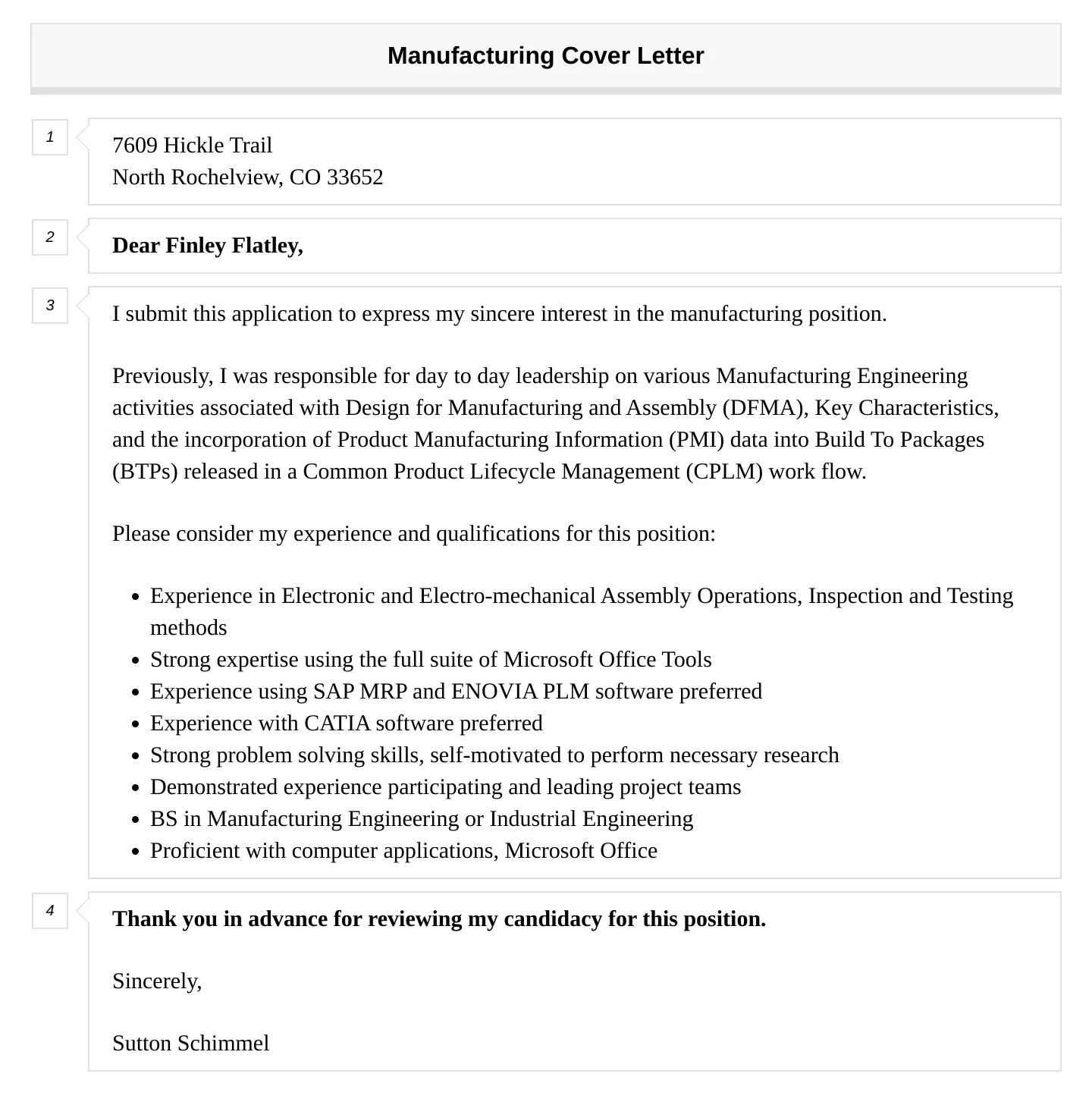
Crafting a Manufacturing Cover Letter that Stands Out
In the competitive world of manufacturing, a well-crafted cover letter is your first chance to make a lasting impression. It’s not just a formality it’s an opportunity to showcase your skills, experience, and personality, setting you apart from other applicants. A compelling cover letter complements your resume by providing context and illustrating how your qualifications align with the specific requirements of the role. It’s your personal pitch, highlighting why you’re the ideal candidate for the job and demonstrating your genuine interest in the company and the position. A strong cover letter can significantly increase your chances of securing an interview and ultimately landing your dream job in the manufacturing industry. Remember, it is an important part of your application.
Highlighting Your Relevant Skills
When composing your cover letter, focus on the skills that are most pertinent to the manufacturing position you’re seeking. Review the job description carefully, noting the key skills and requirements. Then, in your cover letter, clearly and concisely highlight the skills you possess that match these needs. This could include technical skills like proficiency in specific machinery or software, or soft skills such as problem-solving, teamwork, and communication. Use concrete examples to demonstrate how you’ve applied these skills in past roles, providing evidence of your abilities. Tailor the skill section of your letter to each specific application, ensuring that you emphasize the skills that are most relevant to the particular job. For example, if the job involves operating CNC machines, highlight your experience and expertise in this area. If teamwork is emphasized, provide examples of how you have successfully collaborated with colleagues to achieve goals in a manufacturing environment. Be specific and avoid vague statements to make a strong case for your candidacy.
Quantifying Your Achievements

Instead of simply listing your responsibilities, use your cover letter to quantify your achievements whenever possible. This means providing specific, measurable results that demonstrate the impact you’ve made in previous roles. Instead of stating that you “improved efficiency”, specify the percentage by which you increased output or reduced waste. If you were part of a team that implemented a new process, detail the positive outcomes, such as cost savings, reduced downtime, or improved product quality. Use numbers and data to showcase your value to a potential employer. For example, you might write “Reduced production errors by 15% through the implementation of a new quality control system.” or “Managed a team of 10 technicians, consistently meeting or exceeding production targets.”. Quantifying your achievements not only provides concrete evidence of your abilities but also helps the hiring manager understand the tangible benefits you can bring to their company. This approach helps you create a powerful and persuasive cover letter that makes a significant impact.
Showcasing Your Industry Knowledge
Demonstrate your understanding of the manufacturing industry by showcasing your knowledge of current trends, technologies, and best practices. This can be achieved by referencing industry-specific terminology, discussing relevant certifications or training, or mentioning any professional affiliations you may have. If you’re familiar with specific manufacturing processes such as lean manufacturing, Six Sigma, or CAD/CAM, be sure to mention them. Show that you are up-to-date on the latest developments in your field. Mention any specific equipment or software you’re proficient in using. For example, you might say “Experienced with operating and maintaining various CNC machines, including [specific models], and proficient in using [relevant software].” or “Familiar with lean manufacturing principles and have experience in implementing process improvements to reduce waste and improve efficiency.”. Showing your industry knowledge makes you look prepared and shows your dedication to the field. This level of industry awareness sets you apart from applicants who may only possess basic qualifications.
Tailoring Your Letter to the Job Description
Never send a generic cover letter. The key to making a strong impression is to tailor each cover letter to the specific job and company you’re applying for. Carefully read the job description and identify the key requirements, skills, and responsibilities. Then, in your cover letter, directly address these points, highlighting how your qualifications and experience align with the employer’s needs. Mention the company by name and demonstrate that you understand their products, services, and values. Research the company’s mission, culture, and recent achievements. This shows that you are genuinely interested in the opportunity and have taken the time to learn about the organization. This shows you care about this particular company and position. Customizing your cover letter for each application demonstrates that you are serious about the role. This shows that you are not simply sending out a blanket application.
Demonstrating Enthusiasm and a Strong Work Ethic

Express your enthusiasm for the position and your eagerness to contribute to the company’s success. Convey a positive attitude and a strong work ethic, highlighting your commitment to excellence, teamwork, and continuous improvement. Use action verbs to describe your accomplishments and responsibilities, showcasing your proactive approach and dedication. In your cover letter, show the hiring manager that you are excited about the specific opportunity. Highlight your willingness to learn and adapt, and express your commitment to working hard and achieving results. A well-written cover letter should convey your genuine interest in the role and the company. If possible, mention something specific that excites you about the opportunity or the company’s work. Your enthusiasm, combined with a strong work ethic, will make a great impression.
Formatting Your Cover Letter for Readability
Choosing the Right Font and Font Size
The font and font size you choose can greatly affect the readability of your cover letter. Select a professional and easy-to-read font, such as Times New Roman, Arial, or Calibri. Avoid using overly decorative or unusual fonts that can distract the reader. Maintain a consistent font throughout your letter, and use a font size between 10 and 12 points for the body text, ensuring that it’s large enough to read comfortably. Use a slightly larger font size for your name and contact information at the top of the letter. The goal is to make your cover letter visually appealing and easy to scan, increasing the likelihood that the hiring manager will read it carefully.
Using Clear and Concise Language
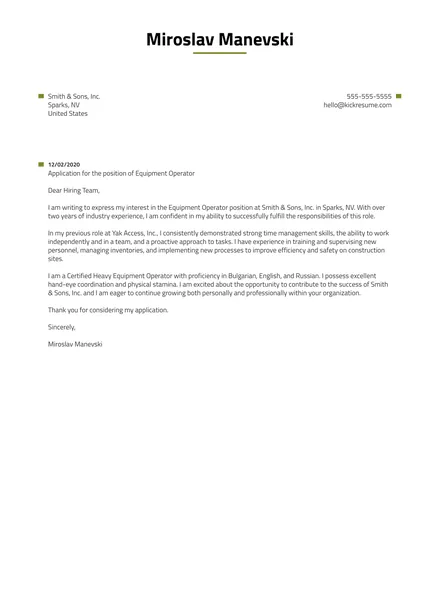
Use clear and concise language. Keep your sentences short and to the point. Avoid jargon and overly complex sentence structures that can be difficult to understand. Use strong action verbs to start your sentences, and be specific in your descriptions. This will make your cover letter more engaging and easier for the reader to follow. Remove any unnecessary words or phrases and focus on conveying your message efficiently. Proofread your cover letter carefully to eliminate any grammatical errors, spelling mistakes, or typos. Clear and concise language will help you create a polished and professional cover letter that grabs the reader’s attention.
Proofreading for Errors
Proofreading is a crucial step in the cover letter writing process. Take the time to carefully review your cover letter for any grammatical errors, spelling mistakes, or typos. Errors can undermine your credibility and make you look unprofessional. Read your letter aloud to catch any awkward phrasing or unclear sentences. Use a spell checker, but don’t rely on it entirely, as it may not catch all errors. If possible, have someone else proofread your cover letter as a fresh pair of eyes can often spot mistakes that you might miss. A polished and error-free cover letter shows attention to detail and a commitment to excellence, which will impress potential employers.
Including a Call to Action
End your cover letter with a clear call to action. This is your opportunity to explicitly express your interest in the position and to request an interview. Thank the hiring manager for their time and consideration. Reiterate your enthusiasm for the opportunity and mention how you look forward to discussing your qualifications further. Provide your contact information, including your phone number and email address, to make it easy for the hiring manager to reach you. A strong call to action can make your cover letter more persuasive and increase your chances of getting noticed. Make it easy for the hiring manager to move forward with your application.