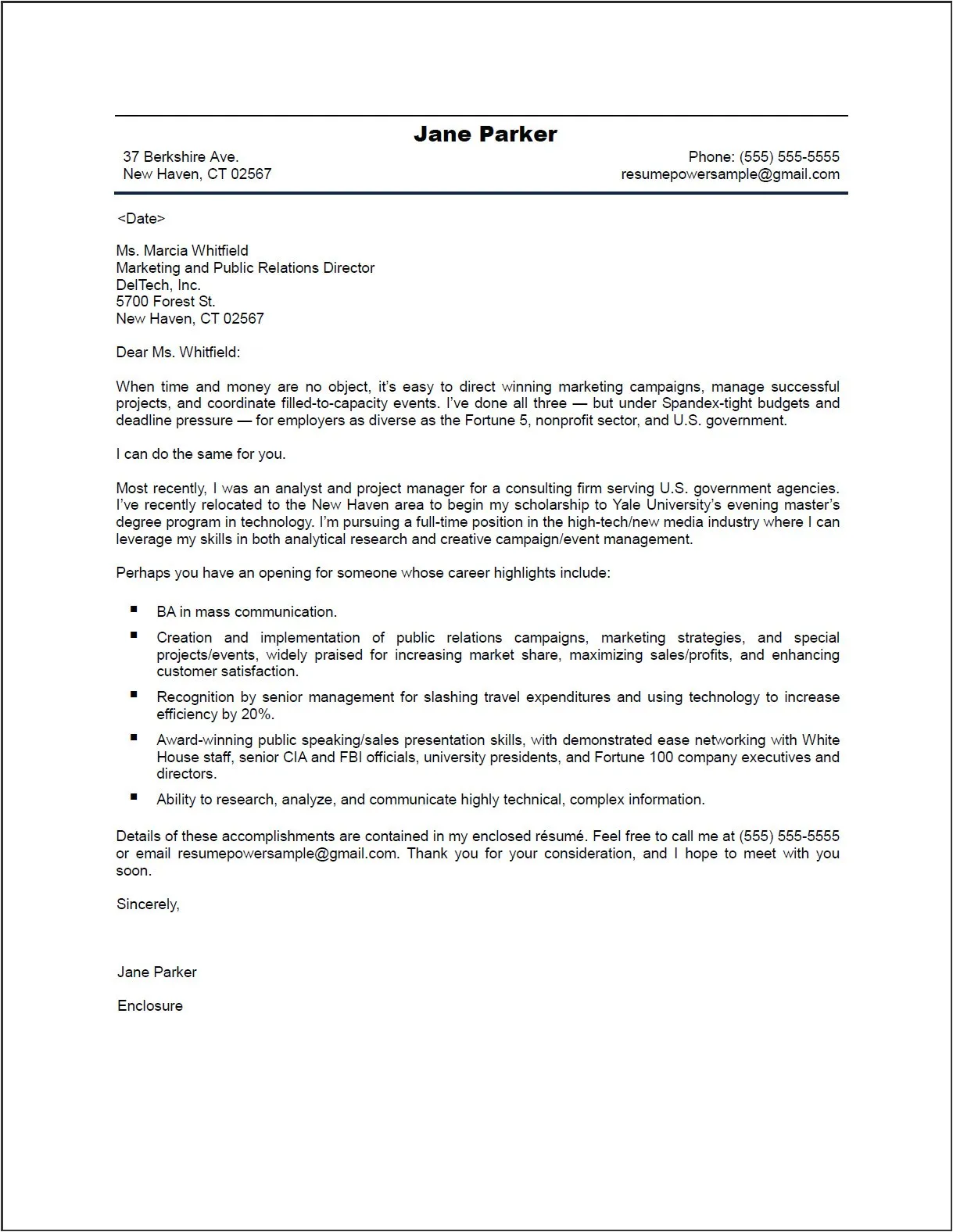
What is a Job Cover Letter and Why is It Important?
A job cover letter is a crucial document that accompanies your resume when you apply for a job. It serves as your first introduction to a potential employer, allowing you to showcase your personality, skills, and enthusiasm for the position. Unlike a resume, which provides a factual overview of your experience, a cover letter allows you to tell a story, explaining why you are the perfect fit for the role and the company. It’s your chance to make a strong first impression and persuade the hiring manager to read your resume with genuine interest. A well-crafted cover letter significantly increases your chances of getting an interview, making it an indispensable part of any job application process. Don’t underestimate the power of a compelling cover letter; it can be the key that unlocks your dream job. A strong cover letter can bridge the gap between simply being a qualified candidate and being the candidate who stands out.
The Purpose of a Cover Letter
The primary purpose of a cover letter is to introduce yourself and your qualifications to an employer. It allows you to express your interest in the specific job and company, demonstrating that you’ve researched the opportunity and understand the requirements. A cover letter also provides an opportunity to elaborate on your resume, highlighting specific skills and experiences that align with the job description. It allows you to explain any gaps in your employment history or address any concerns the employer might have. More importantly, a cover letter showcases your writing skills, communication abilities, and personality, giving the employer a sense of who you are beyond your qualifications. It shows them you’re not just sending out a generic application; you’re actually interested in the role and the company’s success.
Key Elements to Include in Your Cover Letter

Several key elements should be included in every effective cover letter. First, start with a professional header including your contact information and the date. Next, address the hiring manager by name if possible; personalize it. In the opening paragraph, state the specific position you are applying for and where you found the listing. Then, in the body paragraphs, highlight your relevant skills and experiences, providing specific examples to demonstrate your accomplishments. Quantify your achievements whenever possible by using numbers or data. Show, don’t just tell. In the closing paragraph, express your enthusiasm for the opportunity, reiterate your interest, and include a call to action, such as requesting an interview. Finally, always proofread your cover letter carefully for any grammatical errors or typos.
Formatting Your Job Cover Letter
Formatting your cover letter is just as important as the content. Use a professional font, such as Times New Roman, Arial, or Calibri, with a font size between 10 and 12 points. Ensure the letter is easy to read. Use single spacing within paragraphs and double spacing between paragraphs. Keep your cover letter concise, ideally no more than one page. Break up large blocks of text with clear headings and bullet points to make it easy to scan. Maintain consistent margins (usually 1 inch on all sides). Save your cover letter as a PDF file to preserve the formatting and ensure it looks the same on any computer. Well-formatted cover letters demonstrate attention to detail and professionalism, making you look better to employers.
Essential Cover Letter Samples for Different Job Types
Cover Letter Sample for Entry-Level Positions

When applying for entry-level positions, your cover letter should focus on highlighting your transferable skills, relevant coursework, internships, and any volunteer experience. Since you may have limited work experience, emphasize your eagerness to learn and your enthusiasm for the company. Mention any projects or achievements that demonstrate your abilities, even if they were completed outside of a professional setting. Tailor the cover letter to show how your skills align with the job requirements. For example, if the job requires strong communication skills, give an example where you’ve demonstrated this. Be sure to state your career goals and what you hope to achieve in the role. Show your passion for the industry and the company’s mission.
Cover Letter Sample for Experienced Professionals
Experienced professionals should use their cover letters to showcase their proven track record of success. Focus on quantifiable achievements and results. Provide specific examples of how you have contributed to previous companies and the impact of your work. Highlight your leadership skills, management experience, and expertise. If you are changing careers, clearly articulate how your skills are transferable to the new industry. Demonstrate your understanding of the company’s needs and how you can help them achieve their goals. Show how your experience aligns with the specific responsibilities of the role. Be confident and concise, presenting your value proposition clearly and directly.
Cover Letter Sample for Specific Industries
When applying for jobs in specific industries, such as tech, finance, or healthcare, tailor your cover letter to the specific industry’s language and requirements. Research the industry and company thoroughly to understand their values, culture, and needs. Use industry-specific keywords and terminology. If you’re applying for a tech role, highlight your technical skills and projects, and demonstrate that you’re up-to-date with the latest trends. For finance roles, focus on your financial analysis skills, experience with financial systems, and ability to meet financial targets. For healthcare roles, highlight your experience with patients, medical knowledge, and adherence to healthcare regulations. Showcase your industry knowledge and passion.
Cover Letter Sample for Remote Jobs

Cover letters for remote jobs should emphasize your ability to work independently, manage your time effectively, and communicate clearly in a virtual environment. Highlight your experience with remote work tools, such as video conferencing software, project management platforms, and communication tools. Show your self-discipline, organizational skills, and ability to stay focused without direct supervision. Emphasize your reliability and willingness to collaborate with remote teams. If the job requires specific technical skills or experience, be sure to address them explicitly in the body paragraphs. Show them you are a good remote worker.
Tips for Customizing Your Cover Letter
Researching the Company
Before writing your cover letter, thoroughly research the company. Visit their website, read their mission statement, and learn about their products or services. Understand their culture, values, and recent news or developments. This research will help you tailor your cover letter to demonstrate that you understand the company’s needs and can contribute to their success. Mentioning specific company initiatives or projects will show that you’ve done your homework and are genuinely interested in working there. Refer to the company’s values and explain how your values align with them. This will help you tailor your letter to make a good impression.
Highlighting Relevant Skills and Experience

Carefully review the job description and identify the key skills and experiences the employer is looking for. In your cover letter, highlight your relevant skills and provide specific examples of how you have demonstrated them in previous roles. Use keywords from the job description to ensure your cover letter aligns with the requirements. Quantify your achievements whenever possible by using numbers or data to show the impact of your work. Tailor your cover letter to match the needs of each specific job. This targeted approach is more effective than a generic cover letter. Make a direct link between your experience and the job requirements.
Showcasing Your Personality
Your cover letter is an opportunity to showcase your personality and differentiate yourself from other candidates. Write in a professional yet engaging tone. Express your enthusiasm for the job and the company. Share anecdotes or stories that illustrate your skills, values, and personality. Let your personality shine through while remaining professional. While you want to be yourself, it’s also important to consider the company culture. Tailor your tone and style to fit the company’s values. A personal touch can make your cover letter memorable and help you connect with the hiring manager on a deeper level. This helps them imagine you within the company.
Common Mistakes to Avoid in Your Cover Letter
Grammatical Errors and Typos

Grammatical errors and typos are a major red flag for employers. Proofread your cover letter carefully before submitting it. Use a spell checker and grammar checker, but don’t rely on them completely. Read your cover letter aloud to catch any errors you might miss when reading silently. Ask a friend or family member to proofread it as well. Poor grammar and typos can make you appear unprofessional and careless, and can cause the hiring manager to reject your application immediately. Take the time to ensure your cover letter is polished and error-free.
Generic Content
Avoid using generic content that could apply to any job. Tailor your cover letter to each specific job application by highlighting the skills and experience relevant to the position. Demonstrate that you understand the company’s needs and how you can contribute to their success. Refrain from copying and pasting from a template without customizing the content. Use the job description as a guide to focus your cover letter. Generic letters show the employer you haven’t put in the effort to learn about the role and company, and they may overlook your application.
Not Tailoring to the Job Description
Failing to tailor your cover letter to the job description is another common mistake. The job description provides essential information about the skills, experience, and qualifications the employer is seeking. Your cover letter should directly address these requirements by highlighting your relevant skills and experiences. Use keywords from the job description and demonstrate that you have the qualifications they’re looking for. Make sure your cover letter complements your resume. Explain how you align with the role and explain how you can solve their problems.
Call to Action and Closing Your Cover Letter

Expressing Enthusiasm
End your cover letter by expressing your enthusiasm for the opportunity and reiterating your interest in the position. Show your excitement about the company and the role. Express your enthusiasm with strong, positive language. Emphasize how the job aligns with your career goals and aspirations. A passionate close leaves a lasting positive impression and motivates the hiring manager to review your resume. This helps you create a favorable impression to the hiring manager.
Requesting an Interview
Always include a call to action in your cover letter, such as requesting an interview. State your availability for an interview and provide your contact information. Thank the hiring manager for their time and consideration. A clear call to action encourages the hiring manager to take the next step in the hiring process. Include a simple statement like “I am available for an interview at your earliest convenience.” This shows confidence and initiative. Avoid vague closings; a strong call to action is essential for making a lasting impact. Make it clear what you expect.