Why Your Internship Cover Letter Matters
In the competitive landscape of internship applications, a well-crafted cover letter can be your secret weapon. It’s your opportunity to go beyond the confines of your resume and showcase your personality, passion, and potential. A compelling cover letter email for an internship serves as your initial introduction to a prospective employer, setting the tone for your application and determining whether your application will be further considered. It highlights your enthusiasm, explains your interest in the specific internship, and demonstrates your unique qualifications and how they align with the company’s values. The cover letter provides context to your resume, allowing you to elaborate on your skills and experiences, and connect them to the role’s requirements and the company’s goals. Effectively, it humanizes your application, presenting you as a proactive and thoughtful candidate, and giving you the edge over applicants who simply submit a resume alone. This crucial document is your first impression, so investing time in its creation is paramount.
Understanding the Purpose of a Cover Letter
The primary function of a cover letter for an internship is not to reiterate your resume, but to expand upon it and provide a more personal and persuasive narrative. It should articulate your motivation for applying, explain why you’re interested in that specific internship, and illustrate how your skills and experiences align with the position’s demands. The cover letter’s goal is to demonstrate your understanding of the company, your enthusiasm for the field, and your ability to contribute meaningfully to the team. Think of it as a chance to tell a story about your aspirations and how the internship will help you reach your career goals. It should communicate a clear picture of your personality, your values, and what makes you a unique candidate. By highlighting the key aspects of your candidacy, a well-written cover letter for an internship helps the hiring manager quickly identify your potential and decide if you’re worth interviewing. It can be the deciding factor, especially when competing against other equally qualified applicants.
Highlighting Relevant Skills

A crucial aspect of a cover letter for an internship is highlighting the relevant skills that align with the internship’s requirements. Start by carefully reviewing the job description and pinpointing the key skills the employer is seeking. Then, in your cover letter, provide specific examples of how you’ve demonstrated those skills in previous experiences, whether in academic projects, volunteer work, or other relevant activities. Instead of simply listing skills, use the STAR method (Situation, Task, Action, Result) to provide context and show the impact of your abilities. For example, if the internship requires strong communication skills, describe a situation where you successfully led a team project, the task you were assigned, the actions you took to communicate effectively, and the positive results achieved. This approach helps the hiring manager see the practical application of your skills and their potential value to the company. Make sure to tailor your skills to match the company. Make sure to use the exact language used in the job description if possible. Highlight those skills that set you apart.
Researching the Company
Before you start writing your cover letter for an internship, take the time to research the company thoroughly. This research is critical to showing genuine interest and tailoring your letter to their specific needs and values. Visit the company’s website, read their ‘About Us’ page, explore their social media profiles, and look for recent news articles or press releases. Understand their mission, values, products or services, and target audience. Consider the company culture and how you might fit in. This preparation allows you to personalize your cover letter and demonstrate that you understand their business and are truly interested in the internship. Mention specific projects, initiatives, or values that resonate with you, showing that you’ve done your homework. For example, you might mention a recent company achievement, a specific product innovation, or a commitment to sustainability. This will set you apart from generic applications, which is essential when crafting a strong cover letter email for an internship. Also, showing that you know the company shows that you are enthusiastic, which is very important.
Tailoring Your Cover Letter
One of the most effective ways to get your cover letter noticed is to tailor it to each specific internship application. Avoid using generic templates or pre-written letters. Instead, customize your cover letter for each position you apply for. This involves adjusting the content to match the specific requirements outlined in the job description, and highlighting skills and experiences that are most relevant to that particular role. Personalize your letter by addressing the hiring manager by name, if possible, and by mentioning something specific about the company that interests you. This level of personalization shows that you’ve taken the time to understand the role and the company, which significantly increases your chances of success. Customize the content, formatting, and tone to match the company’s culture. When you have to make any adjustments to your template, do so. Even if you are busy, taking the time to tailor your cover letter for each internship application will give you an edge over the competition. It is an investment that can give you great results.
Key Components of an Internship Cover Letter

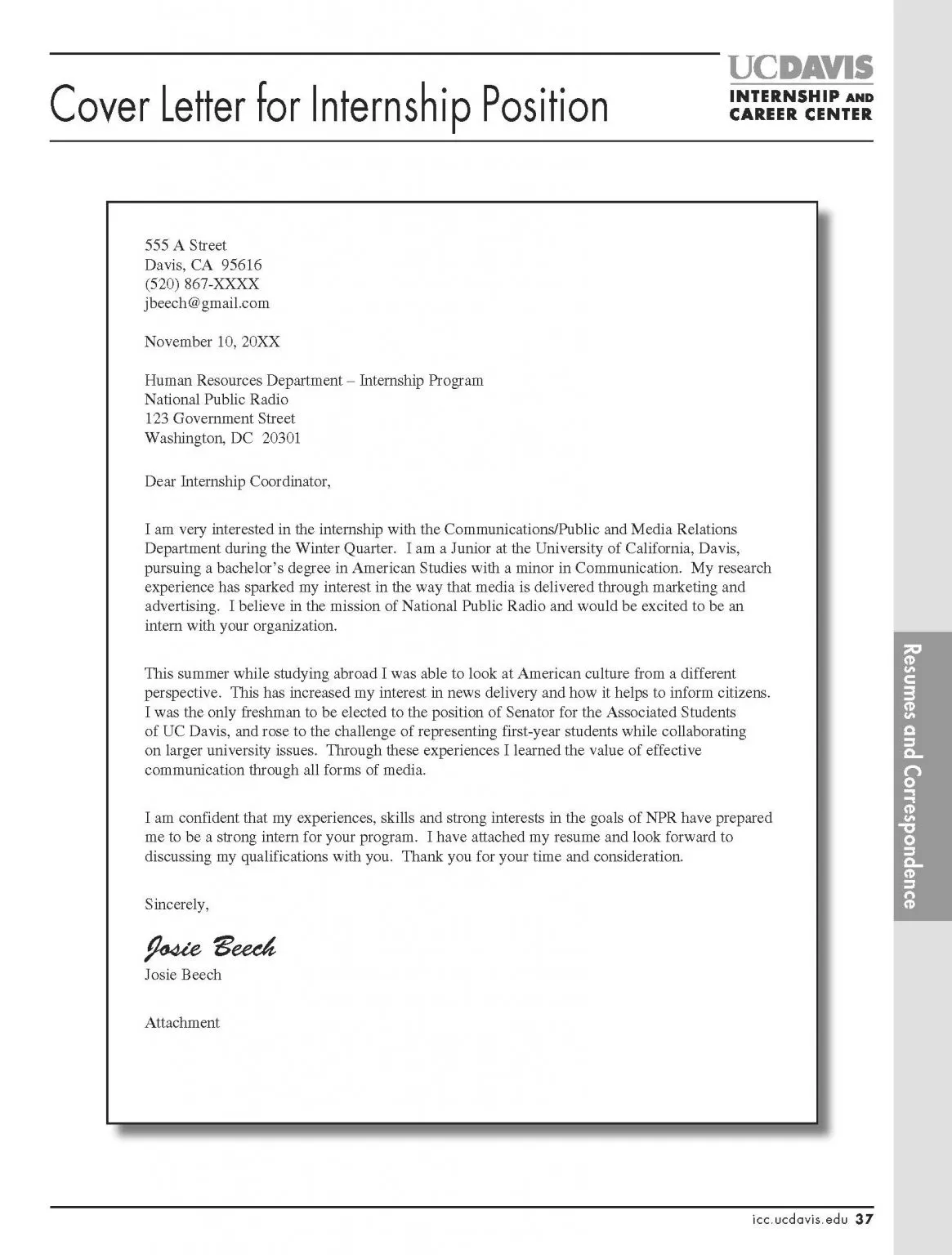
A well-structured cover letter for an internship should include several key components that work together to create a compelling narrative. Start with your contact information, including your name, phone number, email address, and LinkedIn profile URL. Follow this with a professional salutation, addressing the hiring manager by name if possible. The opening paragraph should grab the reader’s attention, clearly stating the position you’re applying for and expressing your interest. The body paragraphs are the core of your cover letter, where you highlight your relevant skills and experiences, and provide specific examples. Quantify your achievements whenever possible, using numbers or data to demonstrate the impact of your work. Demonstrate your enthusiasm for the internship and the company, and explain how your skills and goals align with their needs. Close your cover letter by expressing gratitude for their time and consideration, and include a clear call to action, such as your availability for an interview. By including all the components, you create a complete package that is more likely to get a positive response.
Contact Information and Salutation
The top of your cover letter should include your contact information, making it easy for the hiring manager to reach you. Start with your full name, followed by your phone number and professional email address. Including a link to your LinkedIn profile is a great idea, as it provides the hiring manager with additional information about your skills, experience, and professional network. Make sure your LinkedIn profile is up-to-date and polished. After the contact information, use a formal and professional salutation, such as “Dear Mr./Ms./Mx. [Last Name]” if you know the hiring manager’s name. If you don’t know the name, you can use a general salutation like “Dear Hiring Manager” or “Dear [Department Name] Team”. Avoid casual greetings like “Hi” or “Hello,” and make sure to spell the recipient’s name correctly. A professional salutation sets the tone for the rest of the letter and shows your attention to detail and respect for the potential employer. A well-formatted and professional start is the first step in making a great impression.
Opening Paragraph Grab Attention
The opening paragraph of your cover letter is crucial; it sets the stage for the rest of your application and can determine whether the hiring manager continues reading. Your goal here is to grab their attention and immediately convey your interest in the internship. Start by clearly stating the position you are applying for and where you found the job posting. Briefly express your enthusiasm for the opportunity and mention something specific that drew you to the company or the role. This could be a particular project, a company value, or an aspect of the internship that aligns with your career goals. Avoid generic opening lines. Instead, make it clear why you’re applying for this specific internship and what makes you a strong candidate. This sets a positive tone and encourages the reader to learn more about you. Make sure to quickly highlight what makes you unique, what your strengths are, and what you can contribute. Always lead with excitement and enthusiasm when crafting your opening paragraph, as this sets the stage for the rest of your application.
Body Paragraphs Showcasing Skills

The body paragraphs are where you showcase your skills, experiences, and why you’re a great fit for the internship. Each paragraph should focus on a key aspect of your qualifications, providing specific examples to support your claims. Start by identifying the skills and experiences that are most relevant to the internship requirements. Then, for each skill or experience, provide a concise narrative that demonstrates how you’ve used it effectively. Use the STAR method (Situation, Task, Action, Result) to structure your examples, providing context, explaining the task you were assigned, detailing the actions you took, and highlighting the positive results achieved. Quantify your achievements whenever possible. For example, instead of saying “improved customer satisfaction,” say “improved customer satisfaction by 15% through implementing a new feedback system.” Use strong action verbs to describe your actions and accomplishments, and always tailor your examples to the specific requirements of the internship. The body paragraphs are your chance to show the hiring manager why you’re the perfect fit for the role, so make sure they are well-structured, specific, and compelling.
Highlighting Relevant Experiences
In the body paragraphs of your cover letter, focus on highlighting the experiences that are most relevant to the internship. Review the job description carefully and identify the key skills and qualifications the employer is looking for. Then, provide specific examples of how you’ve demonstrated those skills in previous experiences, whether in academic projects, volunteer work, or other relevant activities. Even if your experience isn’t directly related to the internship, highlight transferable skills. For example, if the internship requires strong communication skills, you might describe a situation where you successfully led a team project, the task you were assigned, the actions you took to communicate effectively, and the positive results achieved. If you have any experience that matches the requirements, you can use that opportunity to make yourself stand out. Tailor your examples to the specific requirements of the role, showing the hiring manager how your past experiences have prepared you for success in the internship.
Quantifying Achievements
When describing your achievements in the body paragraphs of your cover letter, use numbers and data to quantify your impact. This makes your claims more concrete and shows the hiring manager the value you can bring to the internship. Instead of saying “improved efficiency,” say “improved efficiency by 20% by implementing a new workflow process.” Instead of stating “increased sales,” state “increased sales by 15% in one quarter.” Quantifying your achievements provides concrete proof of your abilities and demonstrates your capacity to drive results. Use percentages, numbers, or statistics whenever possible to provide a clear picture of your contributions. This will set you apart. It also gives the hiring manager a clear understanding of the positive impact you’ve made in past roles or projects. Quantifying your achievements gives you greater impact and make your application more persuasive. Make sure to use the STAR method and keep things accurate when quantifying your achievements.
Demonstrating Enthusiasm and Fit

Throughout your cover letter, make sure to demonstrate your enthusiasm for the internship and the company. This is your chance to show the hiring manager why you’re excited about the opportunity and why you believe you’d be a good fit. Show your enthusiasm by expressing your genuine interest in the company’s mission, values, and products or services. Explain why you’re specifically drawn to this particular internship and how it aligns with your career goals. Mention any specific projects or aspects of the internship that you find particularly appealing. Show that you understand the role’s requirements and how your skills and experiences make you a strong candidate. This shows the hiring manager that you have done your research. End with a clear statement of your interest and your belief that you can make a meaningful contribution to the company. Showing that you are enthusiastic will make the hiring manager more receptive to your cover letter. Enthusiasm is infectious, and can help you make a great impression and improve your chances of getting an interview.
Closing the Cover Letter
The closing paragraph of your cover letter is your final chance to leave a positive impression and encourage the hiring manager to take the next step. Start by expressing your gratitude for their time and consideration. Acknowledge that they are busy and appreciate them taking the time to review your application. Then, reiterate your interest in the internship and summarize why you’re a strong fit for the role. Highlight one or two key skills or experiences that make you a standout candidate. Conclude with a clear call to action, such as “I am available for an interview at your earliest convenience” or “I look forward to hearing from you soon.” Include your contact information again, just in case they want to reach you quickly. End with a professional closing, such as “Sincerely,” “Best regards,” or “Thank you,” followed by your name. A well-written closing paragraph shows professionalism and encourages the hiring manager to move forward with your application.
Expressing Gratitude and Call to Action
In the closing of your cover letter, make sure to express your gratitude and include a clear call to action. Start by thanking the hiring manager for their time and consideration. Acknowledge that they are busy and that you appreciate them reviewing your application. This shows respect and professionalism. After expressing your gratitude, include a clear call to action. This is a specific request or instruction that encourages the hiring manager to take the next step, such as contacting you for an interview. For example, you can write “I am available for an interview at your earliest convenience” or “I look forward to hearing from you soon.” Including a call to action makes it clear what you want the hiring manager to do next, making it easier for them to move forward. It also demonstrates your confidence and your eagerness to learn more about the internship opportunity. You can include your contact information, so that the hiring manager knows where to reach you. A well-crafted closing that includes gratitude and a clear call to action will make your application more memorable and increase your chances of getting an interview.
Proofreading and Editing

Before submitting your cover letter for an internship, take the time to proofread and edit it carefully. This is a crucial step that can make or break your application. Errors in grammar, spelling, or punctuation can make you look careless and unprofessional. Read your cover letter multiple times, looking for any mistakes. It helps to read it aloud, as this can make it easier to catch errors. Ask a friend, family member, or career advisor to review your letter as well. Another set of eyes can often spot mistakes that you might miss. Pay close attention to the formatting, making sure your cover letter looks neat and professional. Use a clear and easy-to-read font, and ensure that your spacing and margins are consistent. Proofreading and editing demonstrate your attention to detail and your commitment to presenting yourself in the best possible light. A polished cover letter is essential for making a positive first impression and increasing your chances of landing an internship.
Common Mistakes to Avoid
When writing a cover letter email for an internship, there are several common mistakes to avoid. Make sure to not make any of them! One of the most common mistakes is using a generic template. These letters often lack personalization and fail to show genuine interest in the specific opportunity. Generic templates will often be rejected. Another mistake is focusing too much on what you want from the internship, rather than on what you can contribute to the company. Your cover letter should highlight your skills, experiences, and enthusiasm. You should always align those with the company’s goals and needs. Also, avoid ignoring the company’s needs. Make sure to tailor your cover letter to the specific requirements of the internship, showcasing your relevant skills and experiences. A cover letter should never be unfocused, so make sure to keep things concise and to the point. By avoiding these common mistakes, you can create a cover letter that grabs the hiring manager’s attention and improves your chances of getting an interview.
Using Generic Templates
One of the most significant mistakes to avoid in your cover letter for an internship is using generic templates. These pre-written templates lack personalization and fail to show genuine interest in the specific opportunity. When you use a template, your cover letter is indistinguishable from countless others, and hiring managers can easily tell that you haven’t taken the time to tailor your application. Generic templates also often miss the opportunity to highlight your unique skills, experiences, and your enthusiasm for the company and the role. Always customize your cover letter for each specific internship application. Start by researching the company and the position, then highlight the skills and experiences that are most relevant to the job requirements. Show that you are excited about this specific opportunity and how your goals align with the company’s needs. This approach will make your application stand out and make your cover letter more effective. Make sure to avoid generic templates for cover letters.
Focusing on What You Want

When writing your cover letter for an internship, avoid focusing too much on what you want from the opportunity, such as your personal learning goals or career aspirations, at the expense of what you can offer the company. While it’s important to express your enthusiasm and how the internship aligns with your career goals, the primary purpose of your cover letter is to demonstrate your value to the employer. Focus on showcasing your skills, experiences, and your ability to contribute meaningfully to the team. Instead of saying “I want to learn about marketing,” write, “I have experience in developing marketing campaigns. In the body paragraphs, provide specific examples of how you’ve demonstrated those skills in previous experiences. Highlight how your skills align with the internship’s requirements. This approach shows the hiring manager that you understand the role’s demands and are well-prepared to contribute from day one. Shift the focus towards how your skills can benefit the company, and you’ll create a more compelling cover letter that grabs their attention.
Ignoring the Company’s Needs
One of the biggest mistakes you can make when writing a cover letter for an internship is ignoring the company’s needs. Your cover letter should not only showcase your skills and experiences, but also demonstrate that you understand the company’s mission, values, and the specific requirements of the internship. Before you start writing, research the company thoroughly. Understand their products or services, target audience, and recent achievements. Tailor your cover letter to address their specific needs and explain how you can contribute to their success. This shows that you’ve taken the time to understand their business and are genuinely interested in the opportunity. Highlight how your skills and experiences align with the internship’s requirements. Use the same keywords and terminology used in the job description. By addressing the company’s needs directly, you demonstrate your understanding of the role and your ability to make a meaningful contribution. This will set your cover letter apart from generic applications and significantly increase your chances of getting an interview.
Formatting and Presentation
The formatting and presentation of your cover letter play a crucial role in making a positive impression. A well-formatted cover letter shows professionalism, attention to detail, and respect for the hiring manager. Use a clear and easy-to-read font, such as Times New Roman, Arial, or Calibri, and keep the font size between 10 and 12 points. Use a standard one-inch margin on all sides of the document. Make sure your text is aligned left and avoid using unnecessary formatting elements. Use consistent spacing between paragraphs and sections to create a clean and organized look. Include your contact information at the top of the letter, followed by the date and the hiring manager’s contact information, if you know it. Use a professional salutation, such as “Dear Mr./Ms./Mx. [Last Name],” and end with a professional closing, such as “Sincerely” or “Best regards.” Always proofread your cover letter carefully for any errors in grammar, spelling, or punctuation. Proper formatting and presentation will help make a positive impression.