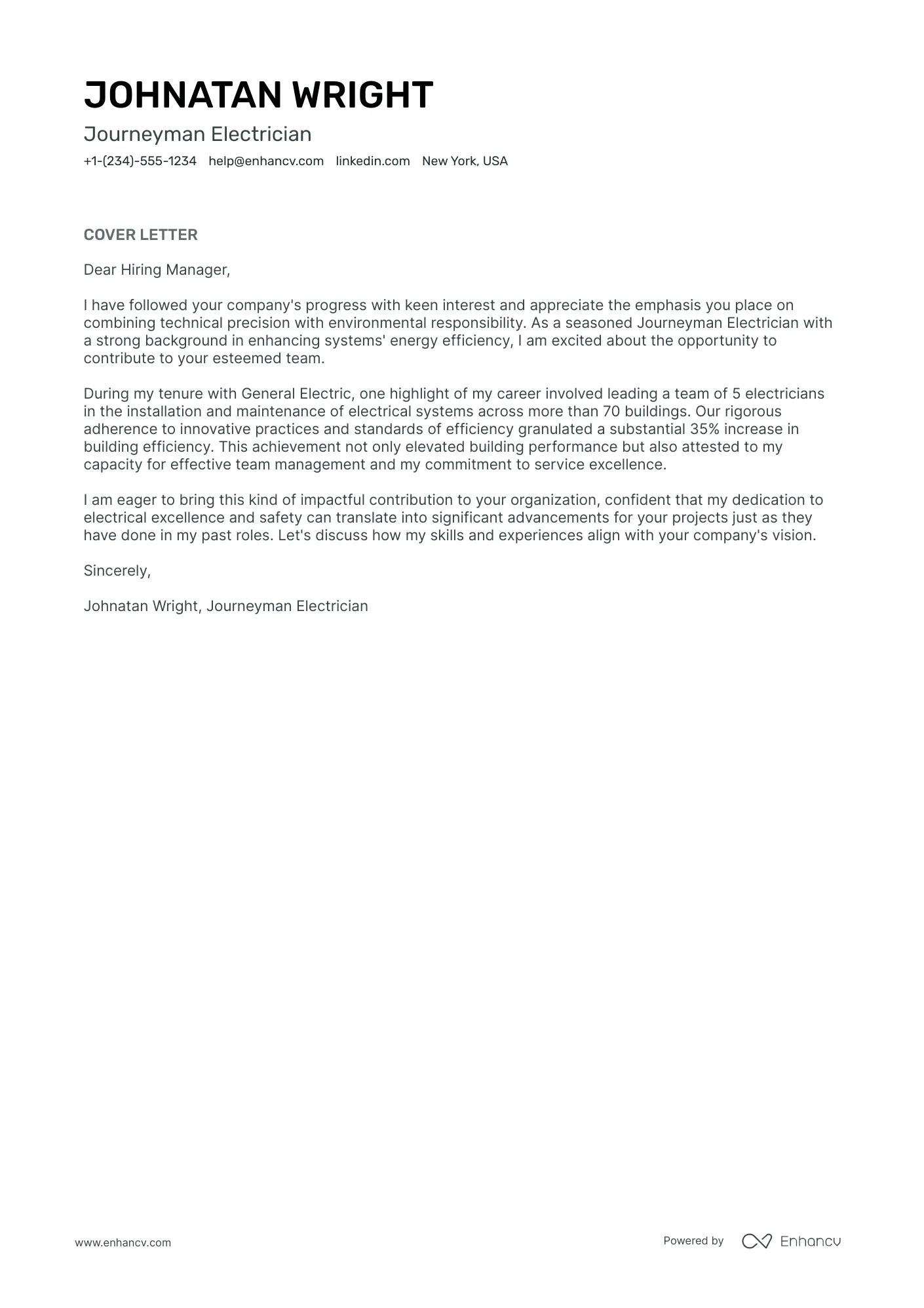
Crafting Your Industrial Electrician Cover Letter
Your industrial electrician cover letter is your first impression, a critical document that can determine whether you land your dream job. It’s more than just a formality; it’s a strategic tool to showcase your skills, experience, and enthusiasm for the role. A well-crafted cover letter complements your resume, providing context and personality that a list of qualifications alone cannot convey. It allows you to explain why you are the perfect fit for the position and the company, setting you apart from other applicants. This guide will walk you through the essential steps of writing a compelling cover letter that gets you noticed by potential employers, increasing your chances of securing an interview and, ultimately, the job. By following these guidelines, you can transform a simple application into a powerful narrative of your career aspirations and achievements.
Understanding the Role of an Industrial Electrician
Before you start writing, understanding the role of an industrial electrician is crucial. Industrial electricians work in diverse settings such as factories, power plants, and manufacturing facilities. They are responsible for installing, maintaining, and repairing electrical systems and equipment, ensuring that everything runs smoothly and safely. Their responsibilities often include troubleshooting complex electrical issues, reading and interpreting blueprints, and adhering to strict safety protocols. The ability to work independently, as well as part of a team, is vital, as is a strong understanding of electrical codes and regulations. Highlighting your familiarity with these aspects in your cover letter will immediately resonate with potential employers and demonstrate that you grasp the core requirements of the job. Showcase your knowledge of industrial-grade equipment, such as transformers, motors, and control systems, to further strengthen your application.
Key Skills to Highlight in Your Cover Letter

Your cover letter should emphasize the specific skills that make you a strong candidate. Employers seek electricians with a blend of technical expertise, problem-solving abilities, and a commitment to safety. Your letter should clearly and concisely showcase these skills, using specific examples to illustrate your capabilities. Avoid generic statements; instead, provide evidence of your accomplishments and how you have applied these skills in previous roles. Quantifiable achievements, such as reducing downtime or improving efficiency, are particularly impressive. Remember to tailor your skills section to match the requirements outlined in the job description, ensuring that you address the employer’s specific needs and expectations.
Technical Expertise
Technical skills are the backbone of an industrial electrician’s role. Your cover letter must highlight your proficiency in areas like wiring, circuit diagrams, and the use of electrical tools and equipment. Include specific details about the types of systems you’ve worked with, such as high-voltage systems, programmable logic controllers (PLCs), and motor control centers (MCCs). If you possess any specialized certifications, such as those related to specific equipment or safety protocols, make sure to mention them. Emphasize your ability to troubleshoot complex electrical issues, repair equipment, and ensure that all installations and repairs comply with safety regulations. Demonstrating this technical expertise will instill confidence in the employer, assuring them that you possess the knowledge to perform the job effectively.
Problem-Solving Abilities
Industrial environments often present unique challenges. Your cover letter should showcase your problem-solving skills, highlighting your ability to identify and resolve issues quickly and efficiently. Provide examples of situations where you successfully diagnosed and fixed electrical problems, reducing downtime and preventing further complications. Emphasize your analytical thinking, your ability to read and interpret technical manuals and schematics, and your capacity to devise effective solutions under pressure. Mention any methods or tools you use to diagnose and repair electrical issues, such as multimeters, oscilloscopes, or diagnostic software. Demonstrating your problem-solving skills will make you an invaluable asset to any industrial setting.
Safety Consciousness

Safety is paramount in the industrial electrician field. Your cover letter must emphasize your commitment to safety protocols and your knowledge of relevant regulations, such as OSHA standards. Mention any safety training or certifications you hold, such as arc flash hazard training or lockout/tagout procedures. Provide examples of how you’ve prioritized safety in your previous roles, such as conducting safety inspections, identifying potential hazards, and implementing corrective measures. Demonstrate your ability to adhere to safety protocols, use personal protective equipment (PPE), and maintain a safe working environment. Highlighting your safety consciousness will assure potential employers that you are a responsible and dependable candidate.
Highlighting Your Relevant Experience
Your cover letter should effectively communicate your relevant experience. Focus on the most pertinent aspects of your work history, highlighting the experiences that align with the job requirements. Tailor your descriptions to the specific needs and expectations outlined in the job description. Instead of just listing your previous roles, provide concise summaries of your responsibilities and achievements in each position. Emphasize the types of electrical systems and equipment you have worked with, the industries you have served, and the specific tasks you have performed. Use action verbs to describe your accomplishments, such as ‘installed,’ ‘maintained,’ ’troubleshooted,’ and ‘repaired.’ By presenting your experience in a clear and concise manner, you’ll provide potential employers with a complete understanding of your skills and qualifications.
Quantifying Your Accomplishments
To make your cover letter more compelling, quantify your accomplishments whenever possible. Numbers and data add credibility and demonstrate the tangible results you have achieved in previous roles. Instead of stating that you improved efficiency, specify by how much, such as ‘Increased production efficiency by 15%.’ If you’ve reduced downtime, mention the exact reduction in time or costs, for instance, ‘Reduced equipment downtime by 20 hours per month, saving the company $5,000.’ Use metrics to showcase your ability to make a positive impact on the company’s bottom line. Quantifiable results provide concrete evidence of your abilities and help potential employers understand the value you can bring to their organization. This approach is far more effective than using vague or general statements.
Tailoring Your Cover Letter

One size does not fit all when it comes to cover letters. Always tailor your cover letter to match the specific requirements and expectations of each job you apply for. Read the job description carefully and identify the key skills, experiences, and qualifications the employer is seeking. Then, customize your cover letter to highlight the aspects of your background that align with these needs. This may involve rephrasing certain sections, adding specific examples, or adjusting the order of information to emphasize the most relevant points. By demonstrating that you have taken the time to understand the employer’s needs and that you are the right fit for the role, you will significantly increase your chances of getting noticed. Avoid sending generic cover letters; personalization is key.
Researching the Company
Before you begin writing, research the company to which you are applying. Understanding the company’s mission, values, and current projects will enable you to tailor your cover letter to demonstrate how your skills and experience align with their specific needs. Visit their website, read industry news, and look at their social media profiles. Identify any recent achievements, challenges, or goals the company has mentioned. Use this information to customize your cover letter, explaining how you can contribute to their success. Showing that you have taken the initiative to learn about the company demonstrates your genuine interest in the position and increases your chances of standing out from other applicants. Mention specific projects or initiatives the company is involved in to show that you understand their business.
Addressing the Specific Job Requirements
Carefully analyze the job description to identify the specific requirements, skills, and qualifications the employer is seeking. Use these details to structure your cover letter, highlighting your relevant experiences and skills. Address each requirement individually, providing examples of how you have met similar demands in previous roles. When applicable, use the same keywords and phrases from the job description to show that you understand the requirements. Don’t just list your qualifications; explain how you used them to achieve specific results. By directly addressing the requirements outlined in the job description, you demonstrate that you understand the role and are a strong match for the position, which significantly enhances your chances of landing an interview.
Formatting and Structure for Maximum Impact

The formatting and structure of your cover letter are just as important as its content. A well-organized and easy-to-read cover letter will make a strong first impression and help you stand out. Use a professional font, such as Times New Roman or Arial, in a readable size, typically 11 or 12 points. Keep the letter concise, aiming for one page, and use clear headings and subheadings to break up the text. Maintain consistent formatting throughout, including spacing, margins, and alignment. Use bullet points and lists to highlight key skills and accomplishments. Proofread your cover letter carefully for any grammatical errors or typos. A clean and professional format reflects your attention to detail and professionalism, which is essential for an industrial electrician.
Creating a Strong Opening
The opening paragraph of your cover letter sets the tone and grabs the reader’s attention. Start with a strong and engaging opening that immediately captures the hiring manager’s interest. Mention the specific position you are applying for and where you found the job posting. Then, briefly introduce yourself and your key qualifications. Consider including a statement that reflects your enthusiasm for the role and the company. A compelling opening paragraph should clearly convey your value proposition and make the reader want to learn more about you. Avoid generic opening statements, such as ‘I am writing to express my interest…’ Instead, state your purpose clearly and concisely.
Developing the Body Paragraphs
The body paragraphs of your cover letter should provide detailed information about your skills, experience, and accomplishments. Use these paragraphs to expand on the key points you introduced in your opening. Provide specific examples to illustrate your abilities and quantify your achievements whenever possible. Structure each paragraph around a specific skill or accomplishment, using clear and concise language. Match the content in your paragraphs to the requirements of the job description. This is your chance to showcase your value to the potential employer and demonstrate that you are the best candidate for the position. Make sure to keep your paragraphs focused and easy to read.
Writing a Compelling Closing

Your closing paragraph should summarize your interest in the role and reiterate your qualifications. Thank the hiring manager for their time and consideration. Include a call to action, such as stating that you are eager to discuss your qualifications further and are available for an interview. Provide your contact information, including your phone number and email address. Avoid generic closing statements, such as ‘Thank you for your time.’ Instead, end with a statement that emphasizes your enthusiasm for the role and your confidence in your ability to contribute to the company’s success. A strong closing paragraph leaves a positive final impression and encourages the hiring manager to contact you.
Proofreading and Editing Your Cover Letter
Before submitting your cover letter, thoroughly proofread and edit it. Errors in grammar, spelling, or punctuation can undermine your credibility and make you appear unprofessional. Read your cover letter multiple times, checking for clarity, accuracy, and flow. Use a spell checker, but don’t rely solely on it, as it won’t catch all errors. Ask a friend or family member to review your cover letter, as a fresh pair of eyes can often identify mistakes you may have missed. Ensure that your cover letter is well-written, concise, and free of any errors. A polished cover letter demonstrates your attention to detail, which is a highly valued trait in the industrial electrician field.
Common Mistakes to Avoid
Avoid common pitfalls that can diminish the effectiveness of your cover letter. Do not use generic templates without tailoring them to the specific job and company. Avoid writing a cover letter that is too long, exceeding one page. Steer clear of typos and grammatical errors. Do not be vague or use jargon that the hiring manager might not understand. Do not repeat information that is already in your resume. Avoid being negative or criticizing previous employers. Instead, focus on your positive attributes and accomplishments. By avoiding these common mistakes, you will greatly increase your chances of creating a cover letter that stands out and successfully lands you an interview.
Ensuring Professionalism

Professionalism is paramount in the industrial electrician field. Ensure that your cover letter reflects this. Use a professional format, font, and layout. Maintain a formal and respectful tone throughout the letter. Use proper grammar and avoid slang or casual language. Address the hiring manager by name whenever possible; if you can’t find the name, use a general salutation, such as ‘Dear Hiring Manager.’ Use a professional email address and ensure that your voicemail message is also professional. Your cover letter should consistently reflect your attention to detail, your reliability, and your respect for the hiring process. This professionalism will demonstrate your potential value to the employer.
The Importance of a Follow-Up
After submitting your cover letter and resume, it’s important to follow up. Typically, wait one to two weeks after the application deadline before sending a follow-up email or making a phone call. This demonstrates your continued interest in the position and allows you to reinforce your qualifications. In your follow-up, express your interest in the position and reiterate your enthusiasm for the company. Briefly mention your key skills and qualifications. Thank the hiring manager for their time and consideration and inquire about the status of your application. A well-timed follow-up demonstrates your initiative and professionalism, increasing your chances of securing an interview.