Understanding the Academic Cover Letter
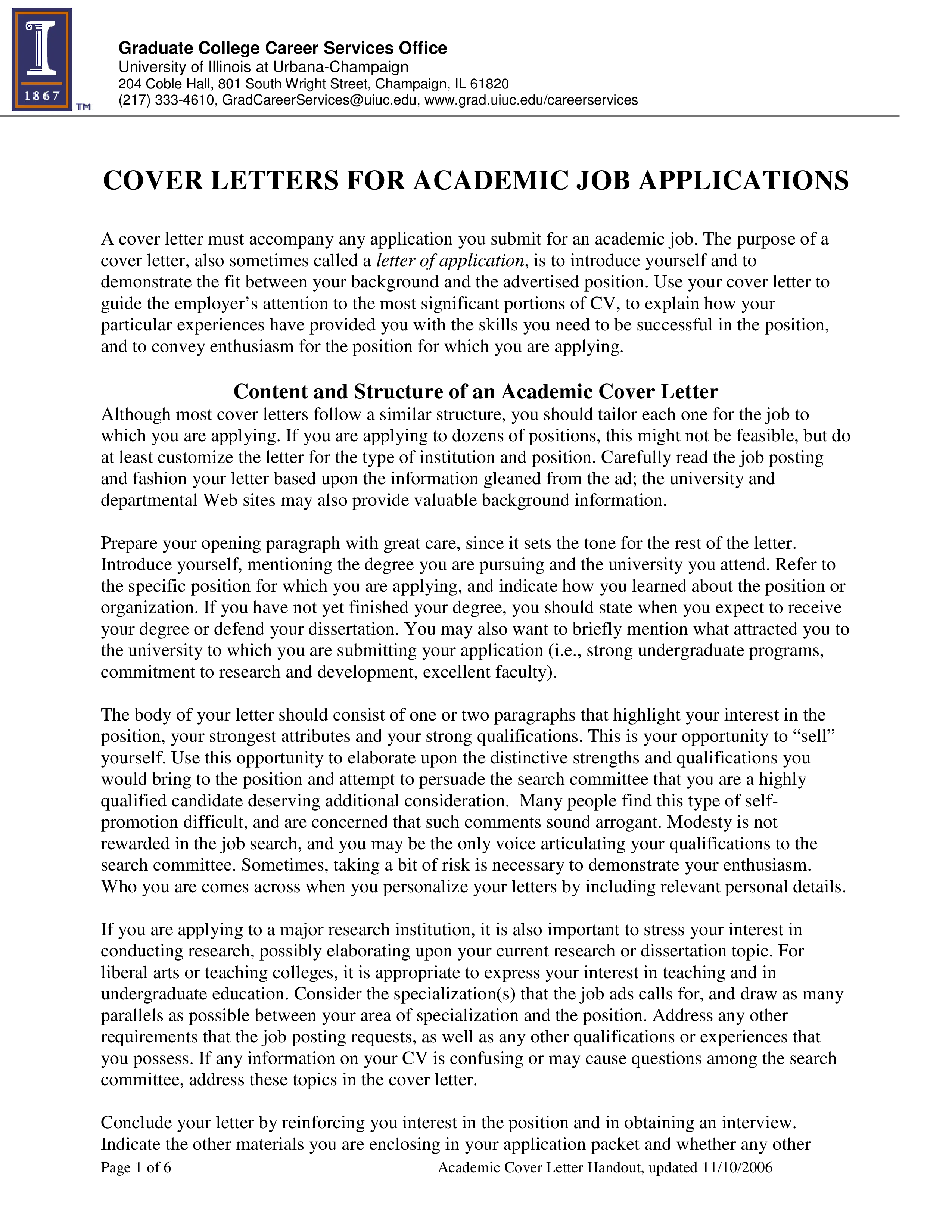
An academic cover letter is a critical document when applying for positions in academia. Unlike cover letters for industry jobs, academic cover letters require a specific focus and structure to effectively communicate your qualifications and suitability for a role. They provide the first impression and allow you to showcase your scholarly accomplishments, research interests, teaching experience, and alignment with the institution’s values. A well-crafted cover letter can significantly increase your chances of getting an interview, while a poorly written one can lead to immediate rejection. Understanding the purpose and components of an academic cover letter is the first step in crafting a compelling application.
What is an Academic Cover Letter?
An academic cover letter is a formal document that accompanies your curriculum vitae (CV) when applying for academic positions such as professorships, lectureships, or research roles. It serves as a personalized introduction and a strategic marketing tool. The letter highlights your key accomplishments, research interests, teaching experience, and how your skills and experiences align with the specific requirements of the position and the values of the institution. It is not a summary of your CV; rather, it provides context, narrative, and an analysis of your qualifications, demonstrating why you are the ideal candidate. The language and tone should be professional, persuasive, and tailored to each application.
Why is an Academic Cover Letter Important?

The academic job market is highly competitive. A well-written cover letter is essential because it’s your opportunity to make a strong first impression and differentiate yourself from other applicants. It allows you to frame your experiences in a way that directly addresses the needs and expectations of the hiring committee. It gives you space to explain your research interests, discuss your teaching philosophy, and highlight your contributions to your field. Furthermore, it demonstrates your understanding of the position and the institution’s values. The cover letter also allows you to show enthusiasm and genuine interest, which is crucial in conveying your commitment to the opportunity.
Key Components of a Winning Academic Cover Letter
A strong academic cover letter typically includes several key components, each designed to convey specific information to the hiring committee. Understanding these elements and how to articulate them effectively is crucial. The structure should be logical, easy to read, and tailored to the specific job description. Each section should be concise yet informative, highlighting relevant experiences and qualifications. The overall tone should be professional, enthusiastic, and reflect a genuine interest in the position and the institution. By carefully crafting each component, you can create a cover letter that grabs attention and increases your chances of securing an interview.
Contact Information & Date
Begin your cover letter with your contact information, including your full name, address, phone number, and professional email address. Ensure this information is accurate and current. Include the date below your contact information. This sets a professional tone and makes it easy for the hiring committee to reach you. The formatting should be clear and consistent, with the contact information typically left-aligned and the date aligned to the left. This ensures that the letter is clean and easy to read at a glance.
The Salutation

Address the letter to the specific person, such as the search committee chair or the hiring manager, whenever possible. Research the department to find the correct name; this demonstrates that you have taken the time to personalize your application. If a specific name is unavailable, use a formal salutation such as “Dear Search Committee” or “Dear Hiring Manager.” Avoid generic greetings like “To Whom It May Concern,” as they show a lack of initiative. The salutation should be followed by a colon and set the tone for the rest of the letter. The choice of salutation reflects your professionalism and attention to detail.
Opening Paragraph Grab Their Attention
The opening paragraph is your opportunity to grab the reader’s attention and immediately convey why you are a strong candidate. State the position you are applying for and where you saw the advertisement. Briefly mention your key qualifications or research interests and how they align with the institution’s needs. Show enthusiasm and genuine interest in the role and the institution. The first paragraph should be concise yet compelling, giving the reader a quick snapshot of your suitability. Make it clear that you are a good fit, and your experience would bring value to their academic environment.
Highlighting Your Research Experience
Your research experience is a crucial component of your academic cover letter. Highlight your research interests, accomplishments, and any relevant publications or presentations. Provide a brief overview of your research focus and how it aligns with the department’s current research areas. Discuss your research methodologies, significant findings, and the impact of your work. Quantify your achievements whenever possible, such as the number of publications, grants received, or citations. Tailor this section to each position, emphasizing the research that is most relevant to the advertised role. Remember to explain your research in accessible terms, ensuring the hiring committee can easily understand your work’s significance.
Detailing Your Teaching Experience

Your teaching experience is another significant element of your cover letter. Describe your teaching philosophy, teaching methodologies, and experience with different instructional approaches. Mention any courses you have taught, including the level (undergraduate or graduate) and the subject matter. Highlight your experience developing curricula, assessing student learning, and mentoring students. If possible, include examples of positive student feedback or teaching awards. Focus on how your teaching experience aligns with the department’s teaching needs and any specific teaching requirements mentioned in the job description. Your goal is to demonstrate your ability to engage students and contribute to the department’s teaching mission.
Showcasing Your Skills & Qualifications
In this section, showcase your skills and qualifications that make you an ideal candidate for the position. Mention any specific skills or qualifications mentioned in the job description. Provide evidence of your skills, such as examples of successful projects, presentations, or publications. Highlight your experience with relevant software, research tools, and other technologies. Emphasize soft skills like communication, teamwork, and leadership. This is an opportunity to demonstrate how your skills align with the needs of the department and the position. Providing clear examples of how you have successfully applied your skills in the past adds credibility to your claims.
Aligning with the Institution’s Values
Demonstrate your understanding of the institution’s mission, values, and strategic goals. Research the department and the university to understand its priorities. Discuss how your research, teaching, and service align with the institution’s values. For example, if the institution emphasizes community engagement, mention your experience with outreach or public service. Tailor this section to each application, showing that you understand and share the institution’s vision. This demonstrates your genuine interest and helps convince the committee that you are a good fit for the institution. Show that you have the potential to thrive and contribute to the wider academic community.
Addressing the Specific Requirements

Carefully review the job description and directly address the specific requirements mentioned. Use the job description as a guide and highlight the skills and experiences most relevant to each requirement. Provide clear examples of how you meet each requirement. If the job description asks for specific qualifications, such as experience with a particular software or grant writing, make sure to explicitly mention them. Tailor your language to match the job description, showing that you have taken the time to understand the position and what the hiring committee is looking for. This demonstrates your ability to fulfill the role and your careful attention to detail.
Closing the Academic Cover Letter Effectively
The closing paragraph should summarize your key qualifications and reiterate your interest in the position. Thank the hiring committee for their time and consideration. Express your enthusiasm for the opportunity to discuss your application further. Include a call to action, such as stating that you are available for an interview at their earliest convenience. Keep the closing concise and professional, leaving a positive and lasting impression. The closing should reinforce your suitability and enthusiasm.
Expressing Enthusiasm & Availability
Express genuine enthusiasm for the opportunity and the institution throughout your cover letter. Highlight why you are excited about the position and the potential to contribute to the department and university. State your availability for an interview, including any time constraints. This shows your commitment and eagerness to move forward in the hiring process. Make it clear that you are ready to discuss your qualifications in greater detail and that you are available to meet the hiring committee’s requirements. This proactive approach shows your interest and professionalism.
Proofreading & Formatting Your Cover Letter

Proofreading and formatting are essential steps in preparing a winning academic cover letter. Careful attention to detail can make a significant difference. Proofreading ensures that your letter is free of grammatical errors, typos, and inconsistencies. The formatting should be clean, consistent, and easy to read. Errors can detract from your qualifications and professionalism. Good formatting helps to present your information in a clear and organized manner.
Formatting Guidelines
Follow standard formatting guidelines to ensure your cover letter looks professional. Use a clear, readable font such as Times New Roman or Arial, with a font size of 11 or 12 points. Use single spacing within paragraphs and double spacing between paragraphs. Maintain consistent margins (typically one inch) throughout the document. Left-justify the text for a clean and professional appearance. Be consistent with your formatting to make the letter easy to read and visually appealing. A well-formatted letter is more likely to make a good impression.
Proofreading for Errors
Thorough proofreading is essential to catch any errors. Proofread your cover letter multiple times, paying close attention to grammar, spelling, punctuation, and consistency. Ask a colleague or mentor to review your letter for any mistakes. Read the letter aloud to catch any awkward phrasing. Ensure that all the information, such as dates, names, and titles, is accurate. Correct any errors before submitting your application. A polished and error-free cover letter reflects your attention to detail and professionalism. Proofreading is the final step in ensuring that your application represents you in the best possible light.