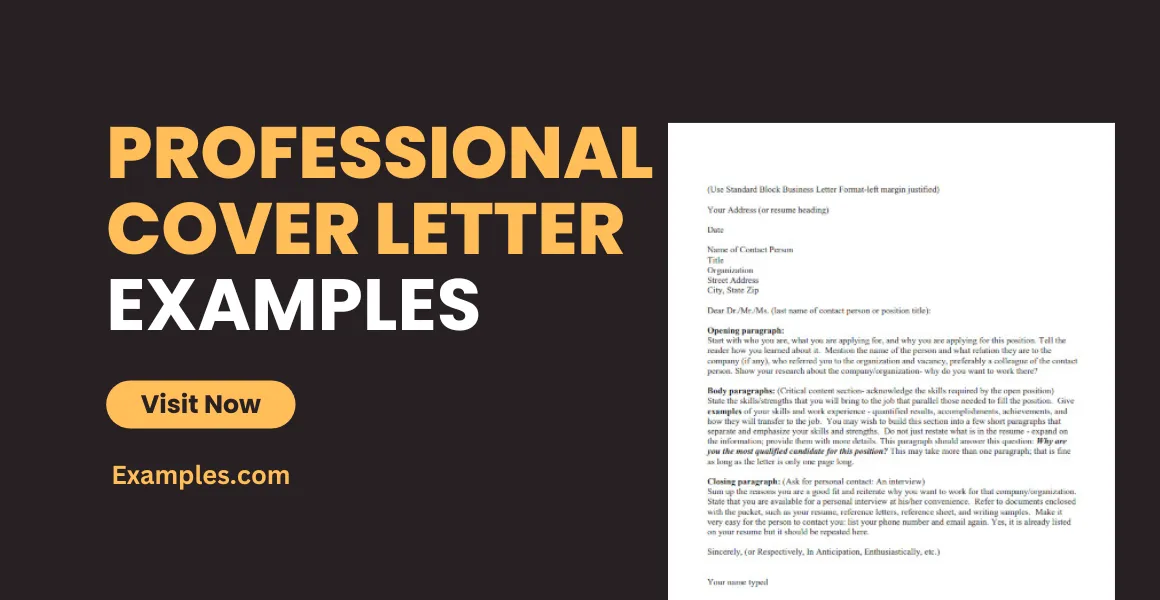
Why a Professional Business Cover Letter Matters
In the competitive landscape of job applications, a professional business cover letter serves as your initial introduction and a crucial tool for making a strong first impression. Unlike a resume, which offers a snapshot of your experience, a cover letter gives you the opportunity to tell a compelling story. It allows you to highlight specific skills, experiences, and achievements that align with the job requirements and demonstrate your genuine interest in the role and the company. A well-crafted cover letter can significantly increase your chances of getting noticed by potential employers, ultimately leading to an interview. Furthermore, a cover letter also shows you have taken the time to thoroughly tailor the application for the specific position. This attention to detail separates you from generic applicants.
The Purpose of a Cover Letter
The primary purpose of a cover letter is to persuade the hiring manager that you are the right candidate for the job. It’s a sales pitch focused on your skills and qualifications as they relate to the specific role. A strong cover letter grabs the reader’s attention, showcases your understanding of the company and the position, and encourages them to delve deeper into your resume. It provides an opportunity to explain any gaps in your employment history, address any concerns the employer might have, and demonstrate your personality and communication skills. A well-written cover letter proves you have done your homework and are genuinely interested in the opportunity.
What to Include in a Cover Letter

A comprehensive business cover letter includes several key components that work together to create a persuasive argument for why you are the perfect fit. From contact information to a call to action, each section plays an essential role in your application. The structure is simple, clear, and easy to follow. Missing out on even one of these elements may harm your chances of getting hired, so pay attention to detail and include everything necessary.
Contact Information and Date
Start with your contact information at the top of the letter: your name, address, phone number, and email address. This ensures the hiring manager can easily reach you. Below your contact information, include the date you are sending the letter. Make sure to keep the formatting professional and easy to read, as it sets the tone for the rest of the letter.
The Recipient’s Information
Address the letter to the hiring manager or the specific person responsible for reviewing applications. If possible, find out their name through the company website, LinkedIn, or by calling the company. Addressing the letter to a specific person demonstrates that you’ve done your research and are genuinely interested in the role. If you can’t find a name, use a professional salutation such as “Dear Hiring Manager.”
The Opening Paragraph

The opening paragraph is your first chance to grab the reader’s attention. State the position you are applying for and where you found the job posting. Briefly mention your most relevant qualifications and why you are interested in the role and the company. This section should be concise, enthusiastic, and designed to make the hiring manager want to read more. Make sure it’s well-written and free of any errors to avoid a negative first impression.
Showcase Your Relevant Skills and Experience
The body of your cover letter is where you elaborate on your skills and experience. Focus on the qualifications and experience that are most relevant to the job description. Use specific examples and achievements to demonstrate how you meet the requirements and what value you can bring to the company. Avoid simply restating your resume; instead, provide context and show how your skills have led to tangible results. This part of your cover letter is very important and should be as detailed as possible.
Highlight Achievements
Instead of just listing your responsibilities, highlight your key achievements. Use the STAR method (Situation, Task, Action, Result) to structure your examples. Describe the situation or problem you faced, the task you were assigned, the action you took, and the positive results you achieved. This method provides a clear and concise way to showcase your accomplishments and demonstrate your value.
Quantify Your Accomplishments

Whenever possible, quantify your achievements with numbers and data. For example, instead of saying “Improved sales,” say “Increased sales by 15% in six months.” Quantifiable achievements are more impactful and provide concrete evidence of your skills and abilities. Numbers add credibility to your claims and show the hiring manager the real value you bring to an organization. It also makes it easy for the hiring manager to understand the success you have achieved.
Demonstrate Your Enthusiasm for the Role
Show your genuine enthusiasm for the specific role. Explain why you are excited about the opportunity and what aspects of the job appeal to you. Connect your skills and experience to the job duties and express your eagerness to contribute to the company’s success. Expressing enthusiasm is very important because it shows the recruiter that you are serious about the job.
Express Your Interest in the Company
Show that you’ve researched the company and understand its mission, values, and culture. Mention something specific that resonates with you or aligns with your career goals. This demonstrates your genuine interest and that you are a good fit. Briefly explain why you want to work for that particular company. Show that you are aware of what they do, and show them how you can help.
The Closing Paragraph

In the closing paragraph, reiterate your interest in the position and thank the hiring manager for their time and consideration. Summarize your key qualifications and express your eagerness to discuss your application further. Keep the closing concise and professional, leaving a positive lasting impression.
Call to Action
End your cover letter with a clear call to action. Request an interview or express your willingness to provide additional information. Make it easy for the hiring manager to move forward. Provide your contact information again if needed and state that you look forward to hearing from them soon.
Proofread and Edit Your Cover Letter
Before submitting your cover letter, meticulously proofread it for any typos, grammatical errors, or inconsistencies. Ask a friend, family member, or career counselor to review it as well. A polished and error-free cover letter demonstrates your attention to detail and professionalism. Make sure it is easy to read and free of any errors or mistakes, as this is the first impression you make. Use spell check and grammar check tools to help, but also read it carefully yourself.
Formatting and Design

Your cover letter should be easy to read and visually appealing. Use a professional font (e.g., Times New Roman, Arial, Calibri) and a standard font size (11 or 12 points). Use a clear and consistent format, with well-defined paragraphs and appropriate spacing. Avoid overly complex designs or unnecessary graphics, as they can distract from your message. A clean and simple design shows that you are organized and professional.
Tips for a Strong Business Cover Letter
Writing a great business cover letter requires more than just the basics. It’s about making your application stand out and making a great first impression. Here are some tips to help you create a compelling cover letter.
Tailor Your Letter for Each Application
Customize your cover letter for each job application. Don’t use a generic template. Carefully read the job description and tailor your letter to highlight the skills and experiences that align with the specific requirements. This demonstrates that you’ve taken the time to understand the role and are genuinely interested in the opportunity.
Use Professional Language and Tone

Maintain a professional tone throughout your cover letter. Use formal language and avoid slang or casual expressions. Be positive, enthusiastic, and confident, but avoid sounding arrogant. Focus on your accomplishments and your ability to contribute to the company’s success. Proper grammar and correct writing add to the sense of professionalism.
Keep it Concise and Focused
Keep your cover letter concise and to the point, ideally within one page. Hiring managers are busy, so get to the point quickly and avoid unnecessary details. Focus on the most relevant information and use clear and concise language to convey your message effectively.
Dos and Don’ts of Business Cover Letters
To maximize the effectiveness of your cover letter, it’s essential to adhere to a set of dos and don’ts. These guidelines can help you avoid common pitfalls and create a compelling document. Doing these things and avoiding the opposite will give you a better chance of being hired.
- Do tailor your letter to each job application
- Do use a professional tone and language
- Do highlight your relevant skills and experience
- Do quantify your accomplishments with data
- Don’t use a generic cover letter
- Don’t be too informal or use slang
- Don’t include irrelevant information
- Don’t exceed one page in length