Why a Cover Letter is Essential
In today’s competitive job market, a well-crafted cover letter is not just a formality—it’s a crucial tool that can significantly boost your chances of landing an interview. While your resume provides a snapshot of your skills and experience, a cover letter allows you to tell a compelling story, connecting your qualifications to the specific requirements of the job and the needs of the hiring manager. It’s your opportunity to make a strong first impression and demonstrate why you are the ideal candidate. A cover letter acts as your personal marketing document, showcasing your personality, communication skills, and genuine interest in the role and the company. Many hiring managers consider a cover letter an essential part of the application process, as it reveals your writing abilities, attention to detail, and proactive approach to securing a job. Neglecting this step could mean missing out on opportunities, so make sure you put in the effort to create a cover letter that stands out from the competition.
Understanding the Purpose of a Cover Letter
The primary purpose of a cover letter is to introduce yourself to the employer and highlight your suitability for the position. It goes beyond simply listing your skills and experience; it provides context and demonstrates your enthusiasm for the role. A well-written cover letter explains why you are interested in the specific job and why you are a good fit for the company culture. It should personalize your application, showing that you’ve taken the time to understand the job requirements and tailor your letter accordingly. Moreover, it should showcase your communication skills and writing ability, providing a glimpse of your professional style. The cover letter is your chance to make a positive first impression and set the stage for the rest of your application, convincing the employer to delve deeper into your resume and consider you for an interview. In essence, the cover letter serves as your advocate, making a case for your candidacy and emphasizing your value proposition.
Key Elements of a Cover Letter

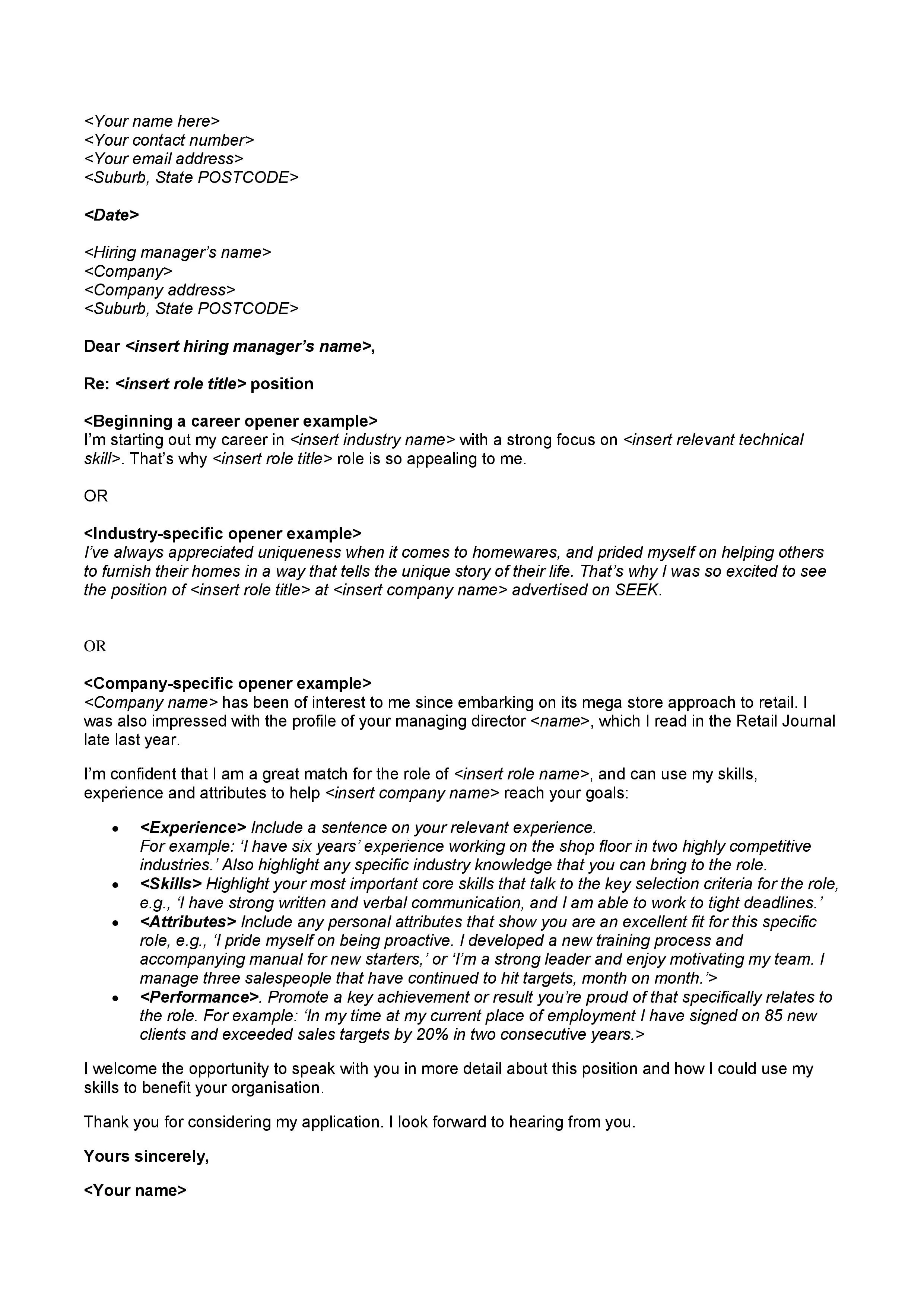
A strong cover letter is composed of several essential elements that work together to make a persuasive case for your candidacy. These elements include your contact information, the date, the recipient’s information, a professional salutation, a compelling introduction, a body that highlights your relevant skills and experience, and a strong closing. Each element plays a vital role in conveying your qualifications and making a positive impression. A well-structured cover letter will guide the reader through your key strengths, demonstrating how your skills and experience align with the job requirements. Proper formatting, including clear headings, concise paragraphs, and a professional tone, is equally important. By carefully considering each element and crafting your letter with precision, you can significantly increase your chances of capturing the hiring manager’s attention and securing an interview.
Your Contact Information
Begin your cover letter by including your contact information at the top. This typically includes your full name, phone number, email address, and optionally, your LinkedIn profile URL. Ensure your contact information is easily accessible and up-to-date. The goal is to make it simple for the hiring manager to contact you. Use a professional email address and double-check that your phone number is accurate. If you have a professional website or online portfolio, you can also include the link here. Your contact information is not just a formality; it’s a critical part of your application, guaranteeing that the hiring manager can reach you if they are interested in moving forward.
Date and Recipient Information
Beneath your contact information, include the date, followed by the recipient’s details. Always include the date to establish the timing of your application. Next, address the letter to the hiring manager or the specific person mentioned in the job description. If a name isn’t provided, research the company website or LinkedIn to find the appropriate contact person. If you can’t find a specific name, using a professional title such as ‘Hiring Manager’ is the next best option. Avoid generic greetings such as ‘To Whom It May Concern,’ as it appears impersonal. The recipient’s details show you have done your research and paid attention to the specific application.
The Salutation

The salutation sets the tone for your cover letter. If you know the hiring manager’s name, use ‘Dear Mr./Ms./Mx. [Last Name]’. This shows you’ve taken the time to find out who will be reading your letter, adding a personal touch that can make a positive impression. If you are unsure of the hiring manager’s name, using ‘Dear Hiring Manager’ is a safe and professional alternative. Avoid overly casual greetings and ensure your salutation is respectful and appropriate for the company’s culture. The salutation is your initial opportunity to establish a professional and positive relationship with the reader, so choosing the right one is vital to setting the right tone.
Crafting a Compelling Introduction
Your introduction is your chance to immediately grab the reader’s attention. Start by stating the position you are applying for and where you saw the job posting. Then, give a brief overview of why you are a strong candidate, highlighting your most relevant skills or experiences. This opening should be concise and tailored to the specific job requirements. Think of the introduction as your elevator pitch, presenting a quick snapshot of your qualifications and generating excitement. It should immediately convey your enthusiasm for the position and the company, encouraging the hiring manager to continue reading. Avoid generic opening lines and instead, make it clear why you are a good fit for the role.
Highlighting Your Skills and Experience
The body of your cover letter should be dedicated to showcasing your skills and experience. This is where you delve into your qualifications and explain how they align with the job requirements. Provide specific examples from your work history that demonstrate your abilities, using the STAR method (Situation, Task, Action, Result) to illustrate your accomplishments. Emphasize skills and experiences that are directly related to the job description, highlighting how you have successfully used those skills in past roles. Explain your contributions and the impact you had in previous positions, quantifying your achievements whenever possible. This section should convince the reader of your suitability for the role. Support your claims with concrete evidence.
Showcasing Relevant Skills

Carefully review the job description and identify the key skills and qualifications the employer is seeking. Highlight these skills in your cover letter by providing examples of how you’ve used them successfully in past roles. Whether it’s technical skills, communication abilities, or leadership experience, make sure you directly address the requirements listed in the job posting. Don’t just list your skills; provide concrete examples that demonstrate your proficiency. For example, if the job description mentions project management skills, describe a specific project you managed, outlining the challenges you faced, the actions you took, and the positive outcomes you achieved. Always try to align your examples with the job requirements to showcase your value to the employer.
Providing Specific Examples
Instead of making generic statements about your skills, use specific examples to demonstrate your achievements. The STAR method is a useful framework: Describe the Situation, the Task, the Action you took, and the Result. For instance, if you’re highlighting your problem-solving skills, you could describe a time you identified a problem, the steps you took to find a solution, and the positive outcome. Quantify your achievements whenever possible. Instead of saying ‘Improved sales,’ say ‘Increased sales by 15% in Q4.’ Specific examples add credibility to your claims and make your application more memorable. The more evidence you provide, the more persuasive your cover letter will be. Show, don’t just tell, the value you bring to the table.
Tailoring Your Letter to the Job
Customizing your cover letter for each job application is crucial. Generic cover letters rarely impress hiring managers. Take the time to carefully read the job description and tailor your letter to match the specific requirements and keywords. Highlight the skills and experiences that are most relevant to the position, and adjust your language and tone to fit the company culture. Show that you have carefully considered the role and understand the needs of the employer. Customization demonstrates your genuine interest in the specific job and shows that you are not just sending out a mass application. Adapt your letter to demonstrate that you possess exactly what they are seeking. This level of personalization is what helps you stand out.
Researching the Company

Before writing your cover letter, research the company. Understand their mission, values, and recent projects or initiatives. Mentioning the company’s work or culture in your cover letter shows that you’ve done your homework and are genuinely interested in joining the team. Use the company’s website, social media profiles, and news articles to gather information. Identifying the company’s challenges, goals, and recent accomplishments allows you to tailor your letter in a way that demonstrates how your skills and experience can contribute to their success. This research also helps you determine if the company is a good fit for you. Showing that you are knowledgeable about the company makes your application more persuasive.
Using Keywords from the Job Description
Carefully review the job description and identify keywords that the employer uses to describe the desired skills, experiences, and qualifications. Incorporate these keywords naturally throughout your cover letter. This will help your application pass through applicant tracking systems (ATS) and ensure that your qualifications align with the job requirements. Make sure to integrate the keywords organically; avoid keyword stuffing, which can make your letter sound unnatural. Use the keywords in the context of your accomplishments and experience, demonstrating how your skills and experiences meet the employer’s needs. This targeted approach significantly increases your chances of being noticed by both human recruiters and automated systems. It shows you understand what the employer is looking for.
Writing a Strong Closing
Your closing should summarize your key qualifications and reiterate your enthusiasm for the position. Reiterate your interest in the role, thanking the hiring manager for their time and consideration. Clearly state your next step, such as your availability for an interview, and how they can contact you. End with a professional closing, such as ‘Sincerely’ or ‘Best regards,’ followed by your full name. The closing should leave a lasting positive impression, emphasizing your eagerness and readiness to move forward in the hiring process. Make it easy for the hiring manager to take action. Be confident, clear, and concise.
Expressing Enthusiasm

Show genuine enthusiasm for the position and the company throughout your cover letter. Expressing enthusiasm is more than simply stating you’re ‘interested’. It’s about demonstrating a genuine passion for the role, the industry, and the company’s mission. Mentioning specific projects, initiatives, or company values that resonate with you can showcase your interest. Referencing how your personal goals align with the company’s objectives can also show enthusiasm. Your passion should be evident in your writing style, tone, and word choice. This will make your application more compelling and leave a positive impression.
Call to Action
Include a clear call to action in your closing. This is where you tell the hiring manager what you want them to do next. Specifically, express your availability for an interview and indicate how they can contact you. Make it easy for them to take the next step. This could include a statement such as, ‘I am available for an interview at your earliest convenience and can be reached at [phone number] or [email address].’ A well-defined call to action increases your chances of receiving a response and moving forward in the hiring process. The goal is to ensure the hiring manager understands the next step.
Formatting and Proofreading
The formatting and proofreading of your cover letter are as important as the content. A well-formatted, error-free cover letter demonstrates professionalism and attention to detail. Poor formatting and grammar errors can make your application appear unprofessional and could lead to it being immediately rejected. Ensure your letter is easy to read, visually appealing, and free of grammatical errors, typos, and punctuation mistakes. A polished presentation is crucial for making a positive first impression. Take the time to carefully format and proofread your cover letter before submitting it.
Choosing the Right Font and Format

Select a professional and easy-to-read font, such as Arial, Times New Roman, or Calibri. These fonts are widely accepted and offer good readability. Use a font size of 10-12 points for the body of your letter and ensure consistent formatting throughout. Choose a standard letter format with single spacing and left alignment. Avoid using overly stylized fonts or unusual formatting, as this can make your letter difficult to read. Use a standard one-inch margin on all sides and keep the letter concise, ideally no more than one page. A clean, professional format is essential for making your cover letter easy to read and understand.
Proofreading and Editing
Before submitting your cover letter, carefully proofread and edit it to catch any errors. Check for grammatical mistakes, typos, and punctuation errors. Read your letter aloud to identify awkward phrasing or sentences. Consider asking a friend, family member, or career counselor to review your letter. A fresh pair of eyes can often catch mistakes that you might miss. Ensure that your cover letter is free of errors before submitting. An error-free cover letter demonstrates your professionalism and attention to detail. Thorough proofreading is a critical step in the job application process. Errors can undermine your credibility and diminish your chances of being considered for the job.
Cover Letter Examples
Reviewing cover letter examples can provide valuable guidance and inspiration. Many online resources offer templates and examples for various industries, job levels, and scenarios. Analyze successful cover letters to see how they structure their content, highlight skills, and express enthusiasm. However, avoid simply copying templates. Instead, use them as a starting point and customize your cover letter to reflect your unique qualifications and the specific job requirements. The goal is to learn from examples and tailor the advice to your situation. By studying different samples, you can gain a better understanding of what makes a cover letter effective.
Tips for Different Job Levels

The approach to writing a cover letter may vary based on your job level. Tailor your letter to address the specific expectations and requirements for entry-level, mid-career, and senior-level positions. Each job level requires a slightly different focus and emphasis. Understand the unique needs of each level and adjust your letter accordingly. For entry-level roles, focus on your academic achievements, internships, and transferable skills. For mid-career positions, highlight your professional experience and accomplishments. For senior-level roles, emphasize your leadership skills and strategic contributions. Adjusting your cover letter to fit your career stage is key.
Entry-Level Cover Letter Tips
For entry-level positions, focus on highlighting your academic achievements, relevant coursework, internships, volunteer experiences, and transferable skills. Since you may have limited work experience, emphasize your enthusiasm for the field and your willingness to learn and grow. Use your cover letter to explain how your education and extracurricular activities have prepared you for the role. Tailor your letter to the specific requirements of the job, highlighting any skills or experiences you have that align with the job description. Showcase your potential and eagerness to contribute. A well-written entry-level cover letter is your chance to make a strong first impression and demonstrate your commitment.
Mid-Career Cover Letter Tips
For mid-career positions, emphasize your professional experience and accomplishments. Use your cover letter to showcase your track record of success, highlighting your key achievements and quantifiable results. Focus on how your skills and experience align with the job requirements and how you have added value to previous organizations. Tailor your letter to demonstrate your ability to take on more responsibility and contribute strategically. Be specific about your accomplishments, using metrics whenever possible. The goal is to demonstrate your value to the company and show why you are the ideal candidate for the position. Showcase your contributions and strategic thinking.
Senior-Level Cover Letter Tips
For senior-level positions, your cover letter should focus on your leadership skills, strategic contributions, and ability to drive results. Highlight your experience in leading teams, developing strategies, and achieving organizational goals. Demonstrate your understanding of the company’s challenges and how you can provide solutions. Emphasize your ability to mentor, make critical decisions, and contribute to the overall success of the organization. Use your cover letter to showcase your expertise and show how your experience aligns with the company’s needs. Your goal is to position yourself as a strategic leader and decision-maker.
Common Cover Letter Mistakes to Avoid
Avoiding common cover letter mistakes can significantly increase your chances of success. Errors can damage your credibility. Be mindful of overused phrases, generic language, and failing to tailor your letter to the specific job. A sloppy or generic cover letter is unlikely to make a positive impression. Ensure your cover letter is free of errors and tailored to the specific role and company. Pay attention to detail and personalize your letter. The aim is to differentiate your application. Knowing what to avoid is just as important as knowing what to include.
Overused Phrases and Clichés
Avoid using overused phrases and clichés that can make your cover letter sound generic and unoriginal. Phrases like ‘I am writing to express my interest’ or ‘I am a team player’ are often overused. Instead, use more specific and engaging language. Show, don’t tell. Avoid language that is overly formal or that does not reflect your true personality. Focus on demonstrating your unique value and showcasing your relevant skills and experience. Personalize your language to reflect your unique qualifications.
Ignoring the Job Description
Failing to tailor your cover letter to the job description is a common mistake. Every cover letter should be customized to match the specific requirements of the role you are applying for. Carefully review the job description and identify the key skills, experiences, and qualifications the employer is seeking. Then, highlight how your skills and experiences align with these requirements. Use keywords from the job description. By tailoring your letter to the job, you demonstrate that you understand the role and have the specific qualifications the employer is looking for. Ignoring the job description is a missed opportunity.
Final Thoughts
Writing an effective cover letter requires careful planning, attention to detail, and a strategic approach. By understanding the purpose of a cover letter, following the key elements, and tailoring your letter to each job application, you can significantly increase your chances of success. Remember to showcase your skills and experience, use specific examples, and avoid common mistakes. Proofread your letter carefully and present it in a professional format. Writing a strong cover letter is a valuable investment in your job search. It is your first opportunity to make a positive impression, so make it count. Make sure to continually review and refine your letter writing skills.