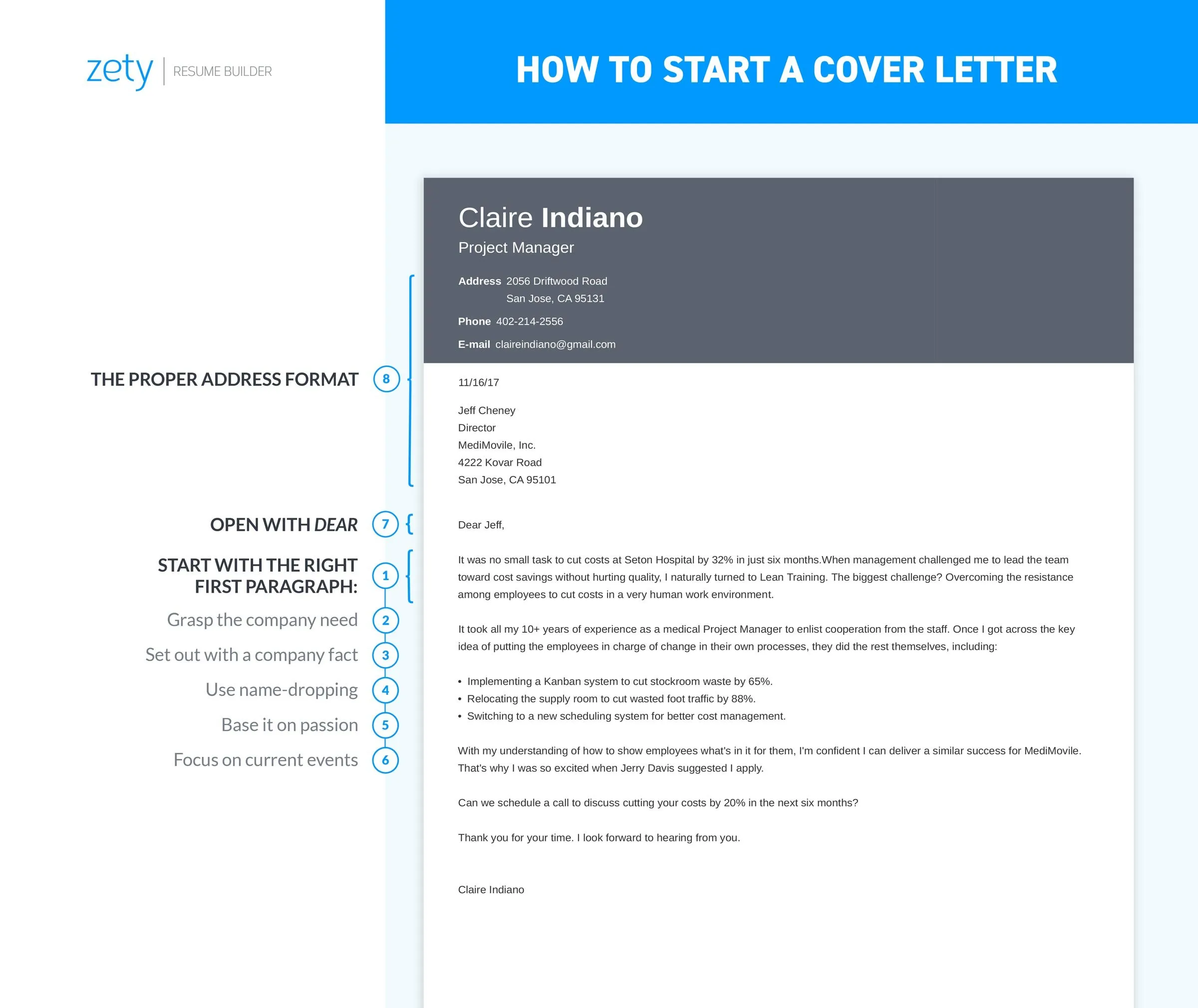
Understanding the Purpose of a Cover Letter
A cover letter is your first introduction to a potential employer, and it’s your opportunity to make a strong first impression and set the stage for the rest of your application. It’s not just a formality; it’s a strategic tool to showcase your personality, demonstrate your understanding of the role, and highlight how your skills and experience align with the company’s needs. Think of it as a personalized sales pitch that complements your resume, giving you a platform to elaborate on your qualifications and express your genuine interest in the position. Many applicants overlook the cover letter, treating it as an afterthought, but in the competitive job market, a well-crafted cover letter can significantly increase your chances of landing an interview.
Why a Cover Letter is Essential
While your resume provides a snapshot of your professional history, a cover letter allows you to tell a story. It explains why you’re interested in the specific role and the company, going beyond a list of skills and experiences. It provides context and allows you to connect your qualifications to the job’s requirements. Recruiters and hiring managers often use cover letters to gauge your communication skills, attention to detail, and overall fit for the company culture. A well-written cover letter can demonstrate your enthusiasm and differentiate you from other candidates who may have similar qualifications on paper, making it an indispensable part of any job application.
Key Elements to Include

A strong cover letter should include several key elements. Start with a professional header that includes your contact information and the date. Address the hiring manager by name if possible; this shows you’ve done your research. The opening paragraph should immediately grab the reader’s attention and state the position you’re applying for. In the body paragraphs, highlight your relevant skills and experience, providing specific examples of your accomplishments. Finally, the closing paragraph should reiterate your interest and include a call to action, such as requesting an interview. Remember to proofread your letter carefully to ensure it’s free of errors and tailored to the specific job.
Crafting a Compelling Opening
The opening of your cover letter is crucial. It’s the first impression you make, and it determines whether the hiring manager will continue reading. The goal is to capture their attention immediately and make them want to learn more about you. Avoid generic openings like “I am writing to express my interest.” Instead, try something more engaging, such as mentioning a specific project you admired, a company achievement that resonated with you, or a skill that directly matches the job requirements. A compelling opening should clearly state the position you are applying for and why you are a good fit, piquing the reader’s interest and encouraging them to delve deeper into your qualifications. Remember, your opening needs to stand out, so be creative and genuine.
The Importance of a Strong First Sentence
Your first sentence sets the tone for the entire cover letter. It needs to be clear, concise, and immediately relevant to the job you are applying for. This is where you make your initial pitch. Avoid generic and uninspired phrases. Instead, focus on conveying your enthusiasm and highlighting a key skill or experience that aligns with the job description. For example, you could start by mentioning a significant achievement that demonstrates your ability to excel in the role. You can also use a statement that reflects your understanding of the company’s needs, positioning yourself as a candidate who is ready to contribute. Ensure your first sentence provides a solid foundation for the rest of your letter.
Common Mistakes to Avoid

There are several common mistakes to avoid when writing a cover letter. Do not use generic templates that are not tailored to the specific job and company. Avoid simply repeating the information on your resume; instead, elaborate on your skills and experiences with examples. Spelling and grammatical errors are a major red flag, so always proofread your letter carefully. Writing a cover letter that is too long or rambling can also deter readers, aim for conciseness and clarity. Never use a negative tone, and avoid criticizing previous employers or positions. Ensure you address the letter to the correct person and be sure to express your interest in the specific role, tailoring the letter to the job’s requirements.
Tailoring Your Cover Letter to the Job
Customizing your cover letter for each job application is crucial. This involves understanding the specific requirements and keywords outlined in the job description. Analyze the description carefully and identify the key skills and experiences the employer values most. Then, incorporate these keywords into your cover letter naturally, highlighting your relevant qualifications. Show how your past experiences align with the job requirements by providing concrete examples and achievements. Don’t send a generic cover letter; personalize it to demonstrate your understanding of the role and your genuine interest in the company. This personalization shows the hiring manager that you have taken the time to understand their needs and increases your chances of making a positive impression.
Researching the Company
Before you start writing, research the company to demonstrate your genuine interest. Visit their website, read their mission statement, and explore their recent news and projects. Understand their values, culture, and goals. This research will help you tailor your cover letter to show how your skills and experience align with their specific needs. For example, you can mention a recent company achievement or a product you admire. Knowing the company’s values allows you to demonstrate your understanding of their culture. Make sure to tailor your letter to the company’s industry and work environment. The goal is to show the hiring manager that you are not just looking for any job, but specifically interested in their company and that you fit their criteria.
Highlighting Relevant Skills and Experience

The body of your cover letter should showcase your relevant skills and experience. Focus on the achievements and qualifications that align with the job description. Do not simply list your skills; provide specific examples of how you’ve used them to achieve results. Quantify your accomplishments whenever possible. Instead of saying “Managed projects,” say “Managed projects, resulting in a 15% reduction in costs.” This provides concrete evidence of your abilities. Use action verbs to describe your responsibilities and accomplishments. By highlighting your experiences, using specific examples, and using action verbs, you show employers why you’re the perfect candidate for the job. Align your experience with the role’s needs, demonstrating that you are a good match.
Structuring Your Cover Letter
A well-structured cover letter is easy to read and conveys your message effectively. Start with a professional header that includes your contact information, the date, and the recipient’s contact information. Address the hiring manager by name if possible, using “Dear Mr./Ms./Mx. [Last Name].” The opening paragraph should state the position you are applying for and briefly explain why you’re a good fit. The body paragraphs should highlight your relevant skills and experience, with each paragraph focusing on a key accomplishment. The closing paragraph should reiterate your interest in the role and include a call to action, such as requesting an interview. Properly formatting your letter makes it easy for the hiring manager to quickly understand your qualifications and see you as a strong candidate.
Formatting Guidelines
Follow standard formatting guidelines for a professional appearance. Use a readable font like Arial, Calibri, or Times New Roman, and use a font size between 10 and 12 points. Keep your letter concise, ideally within one page. Use single spacing within paragraphs and a double space between paragraphs. Align your text to the left, avoiding justification. Use clear headings and bullet points to break up large blocks of text and make your letter easy to scan. Proofread the letter carefully to ensure there are no spelling or grammatical errors, and use a professional tone throughout. Proper formatting enhances readability and demonstrates your attention to detail.
Best Practices for Length and Tone

Aim for a cover letter that is concise and to the point; the ideal length is one page. Avoid overly long paragraphs or excessive detail. The tone of your cover letter should be professional, enthusiastic, and respectful. Avoid sounding too casual, informal, or overly familiar. Use a positive and confident tone. Show your genuine interest in the position and company without sounding desperate. Be polite and show respect for the hiring manager’s time. Always proofread your letter for any errors, ensuring you maintain a professional image. A balanced approach, combining clarity and professionalism, will help to improve your prospects when applying for jobs.
Writing a Strong Closing
The closing paragraph of your cover letter is your final opportunity to make an impression. Summarize your interest in the role, and reiterate your enthusiasm. Avoid generic closings like “Thank you for your consideration.” Instead, express your desire to discuss your qualifications further and request an interview. Show appreciation for their time. Thank the hiring manager, and restate how your skills and experience align with the role’s needs. If possible, add a call to action, such as, “I am available for an interview at your earliest convenience.” A strong closing helps to reinforce your interest and encourages the hiring manager to move forward with your application. The closing should be confident and proactive.
Expressing Enthusiasm and Interest
Show your genuine enthusiasm for the position and the company. The hiring manager will be more likely to consider you if you convey excitement for the role. Mentioning specific aspects of the company or the role that appeal to you shows that you’ve done your research and that you’re truly interested in the opportunity. Use positive and enthusiastic language to express your excitement without sounding over the top. Show your interest by mentioning how your skills and experience align with the company’s goals. Let the employer know why you’re a good fit, and why you want to join their team. Enthusiasm is infectious and can make a big difference in a competitive job market.
Call to Action

Include a clear call to action to encourage the hiring manager to take the next step. This could be a request for an interview or a follow-up conversation. Avoid passive phrases and be direct in your request. Indicate your availability and express your enthusiasm for the opportunity. Make it easy for the hiring manager to contact you by including your phone number and email address. By including a call to action, you take control of the application process and make it easier for the hiring manager to consider you. The closing sentence should offer a call to action, such as, “I am eager to discuss how my skills can benefit your team.” End on a positive and proactive note.