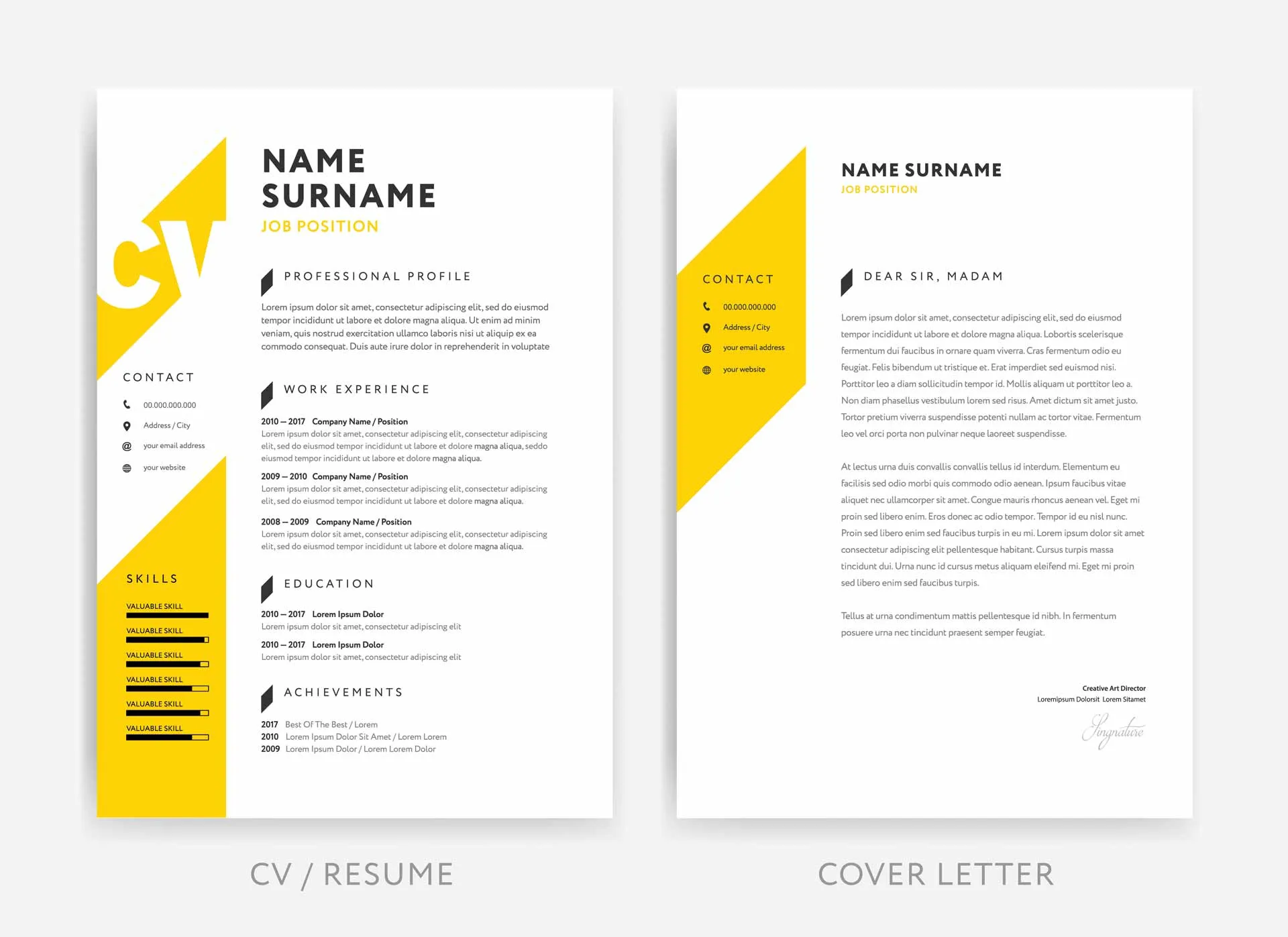
A PhD application cover letter is more than just a formality; it’s your first opportunity to make a strong impression on the admissions committee. It’s your chance to introduce yourself, highlight your qualifications, and express your genuine interest in the program. Unlike your resume or statement of purpose, the cover letter allows you to showcase your personality, explain your motivations, and connect with the program on a more personal level. This guide will walk you through the essential steps of writing a compelling cover letter that significantly boosts your chances of acceptance. Mastering the art of a well-crafted cover letter can set you apart from other applicants and pave the way for a successful PhD journey.
Understanding the Purpose of a PhD Application Cover Letter
The primary goal of a PhD application cover letter is to persuade the admissions committee that you are an excellent fit for their program. It’s not just about repeating information from your resume; it’s about telling a story. You want to articulate your motivations for pursuing a PhD, explain why you’re drawn to this specific program, and demonstrate how your skills and experiences align with the program’s goals. A well-written cover letter provides context, filling in gaps that your resume might have and allowing you to express your unique perspective and aspirations. Moreover, it shows your communication skills, and ability to synthesize information, and present it in a clear and engaging manner, skills crucial for success in doctoral studies.
Why is a Cover Letter Important
A cover letter serves as an introduction to your application, providing an opportunity to present yourself as more than just a list of achievements. It offers the admissions committee insights into your personality, passion for the field, and research interests. By clearly articulating your research goals and how they align with the program’s offerings, you can demonstrate that you’ve done your homework and are a serious contender. A strong cover letter highlights your ability to communicate effectively, which is a critical skill for academic success. It can differentiate you from other applicants who might have similar qualifications but haven’t taken the time to craft a personalized, compelling narrative.
What to Include in Your Cover Letter

Your cover letter should include a brief overview of your academic background, highlighting relevant coursework, degrees earned, and any honors or awards. It should showcase your research experience, detailing specific projects, methodologies used, and any publications or presentations. Make sure to emphasize your skills and achievements, particularly those related to research, such as data analysis, experimental design, and writing. Clearly state your interest in the program, explaining why you’ve chosen this specific institution and the faculty members you’re interested in working with. Finally, a well-crafted closing paragraph should express your enthusiasm and reiterate your suitability for the program, while thanking the committee for their time and consideration.
Key Sections of a PhD Cover Letter
Opening Paragraph Crafting
The opening paragraph is your first chance to grab the reader’s attention, so make it count. Start by clearly stating the purpose of your letter, mentioning the specific PhD program you are applying to. Briefly introduce yourself, highlighting your most relevant qualifications and your primary research interest. This initial section sets the tone for the rest of the letter, so it should be concise, engaging, and reflect your enthusiasm for the program. Mentioning how you learned about the program (e.g., through a professor, conference, or website) can also help establish a connection and demonstrate that you’ve done your research.
Highlighting Your Academic Background

In this section, provide a concise summary of your academic journey. Focus on the degrees you’ve earned, the institutions you’ve attended, and any significant coursework or projects that align with the PhD program’s focus. Don’t just list your accomplishments; provide context. Explain how your coursework has prepared you for doctoral-level research, and mention any specific skills or knowledge you’ve acquired. This is a great opportunity to demonstrate your intellectual curiosity and your commitment to academic excellence. Emphasize any honors, scholarships, or awards, as these highlight your achievements and potential.
Showcasing Research Experience
Your research experience is a cornerstone of your application, so detail it carefully. Describe your research projects, including your role, the methodologies you used, and the key findings or outcomes. If you have publications or conference presentations, be sure to list them, and briefly explain the significance of your work. If you’ve worked in a lab, mention the principal investigator (PI) and briefly describe the lab’s research focus. The goal is to demonstrate your ability to conduct research, analyze data, and contribute to the field. Quantify your achievements whenever possible, and use specific examples to illustrate your research skills.
Emphasizing Skills and Achievements
Highlight the skills and achievements that make you a strong candidate. This includes both technical skills (e.g., programming languages, data analysis software) and soft skills (e.g., communication, teamwork, problem-solving). Provide specific examples of how you’ve used these skills in your research or other academic endeavors. Mention any awards, fellowships, or other forms of recognition you’ve received. Tailor your skills section to align with the program’s requirements and the research interests of the faculty. Showcasing your abilities demonstrates that you possess the necessary tools to thrive in a PhD program.
Demonstrating Interest in the Program

This is a crucial section where you demonstrate your genuine interest in the program. Explain why you’ve chosen this specific university and why you are particularly drawn to this program. Mention specific faculty members whose research aligns with your interests, and explain how their work resonates with your research goals. Discuss any specific courses, research centers, or resources that appeal to you. Demonstrate that you’ve researched the program thoroughly and that you understand its strengths and unique offerings. This shows the admissions committee that you are genuinely invested in joining their community and are not simply sending out generic applications.
Closing the Cover Letter Professionally
Your closing paragraph should reiterate your enthusiasm for the program and summarize why you are a good fit. Reiterate your research interests and how they align with the program’s goals. Express your confidence in your ability to contribute to the program’s success. Thank the admissions committee for their time and consideration, and indicate your willingness to provide any additional information they may require. Proofread this section carefully, as it is the last impression you’ll make.
Formatting Your Cover Letter for Impact
Choosing the Right Font and Style

The appearance of your cover letter matters. Choose a professional and readable font, such as Times New Roman, Arial, or Calibri, with a font size between 11 and 12 points. Use standard margins (1 inch on all sides) and single-spacing within paragraphs, with a blank line between paragraphs for readability. Ensure consistent formatting throughout the document. Avoid using excessive bolding, underlining, or italics, as these can distract the reader. Your goal is to create a clean, uncluttered document that is easy on the eyes.
Proper Length and Structure
Keep your cover letter concise. Aim for one page, or a maximum of one and a half pages. Use a clear and logical structure, with distinct paragraphs for each section. Start with a strong opening paragraph, followed by sections highlighting your academic background, research experience, skills, and interest in the program. Conclude with a professional closing. Ensure the letter flows smoothly from one section to the next, and that each paragraph has a clear topic sentence and supporting details. Well-organized formatting aids readability and helps the committee quickly grasp the most important points.
Proofreading and Editing Techniques
Proofreading is essential. Read your cover letter multiple times, checking for grammatical errors, spelling mistakes, and typos. Ask a friend, mentor, or career counselor to review your letter for clarity, coherence, and overall impact. Pay close attention to the tone of your letter; it should be professional and enthusiastic. Make sure your writing style is consistent throughout the document. Use a grammar and spell-checking tool, but don’t rely on it completely; always read the document yourself. A polished cover letter demonstrates your attention to detail and commitment to excellence.
Common Mistakes to Avoid in a PhD Cover Letter

Generic Language and Lack of Personalization
Avoid using generic language or sending a template cover letter. Tailor each cover letter to the specific program and institution. Research the program, faculty, and specific research areas to show that you have a genuine interest. Don’t simply repeat information from your resume; instead, elaborate on your experiences and explain how they relate to the program. Demonstrate your unique perspective and aspirations. Personalized cover letters show you are not just applying to any program, but to this specific one for a clear reason.
Focusing Solely on Yourself
While it’s important to highlight your achievements and qualifications, don’t make the cover letter all about you. Instead, frame your experiences in the context of the program’s goals and how you can contribute to the academic community. Explain how your skills and experiences align with the program’s research areas, and demonstrate your understanding of the program’s values. Show that you are not just interested in what the program can do for you, but also what you can bring to it. This balanced approach demonstrates your suitability and your potential for contribution.
Ignoring the Specific Program Requirements

Each program has its own unique requirements and expectations. Carefully review the program’s website and application instructions. Tailor your cover letter to address the specific criteria and highlight the qualifications that the program values most. Mention any required documents or supplementary information. Make sure to adhere to the specified length and format. Failing to meet these requirements can signal a lack of attention to detail and a lack of genuine interest in the program. Customization demonstrates that you’ve done your homework and that you understand the program’s priorities.
Seeking Feedback and Refining Your Cover Letter
Asking Professors or Mentors for Review
One of the most effective ways to improve your cover letter is to seek feedback from experienced individuals. Ask professors, academic advisors, mentors, or career counselors to review your letter. They can provide valuable insights on clarity, content, and overall impact. Be open to their suggestions and willing to revise your letter based on their feedback. Consider asking them to focus on specific areas, such as the clarity of your research goals or the strength of your writing. Their expertise can significantly improve your application.
Utilizing Online Resources and Samples
There are many online resources and cover letter samples that can help you create a compelling application. However, don’t copy them verbatim; use them as inspiration. Consult reputable websites, career services, and academic journals to learn about effective cover letter writing strategies. Review example cover letters from successful applicants, but remember to tailor your letter to your own experiences and the specific program you are applying to. These resources can provide valuable insights, but it is your unique voice and experiences that will make your cover letter stand out.
In conclusion, writing a strong cover letter for your PhD application is an essential step in the graduate school application process. By understanding its purpose, including relevant content, and following the formatting guidelines, you can create a compelling narrative that highlights your qualifications and demonstrates your enthusiasm for the program. Remember to proofread carefully, seek feedback, and tailor your letter to each specific application. A well-crafted cover letter significantly increases your chances of acceptance and sets the stage for a successful academic journey. Good luck!