Why a Cover Letter is Crucial (Even with No Experience)
Many job seekers wonder if a cover letter is still necessary, especially when they have limited professional experience. The answer is a resounding yes! Even if you lack extensive work history, a well-crafted cover letter provides a unique opportunity to showcase your personality, enthusiasm, and potential. It allows you to explain why you are interested in the specific role and company, setting you apart from other applicants who might only submit a resume. In the absence of direct experience, your cover letter becomes a powerful tool for demonstrating your skills, passion, and eagerness to learn. It bridges the gap between your qualifications and the requirements of the job, effectively advocating for your candidacy.
Understanding the Purpose of a Cover Letter
A cover letter’s primary purpose is to introduce yourself and make a positive first impression on the hiring manager. It should complement your resume, providing context and elaborating on your qualifications. Think of it as a personal statement that highlights what makes you a strong fit for the position. Unlike a resume, which is a factual summary of your experience, a cover letter allows you to tell your story, explain your career goals, and demonstrate your genuine interest in the opportunity. It’s your chance to showcase your communication skills and personality, making you more than just a list of skills and accomplishments.
Highlighting Transferable Skills

When you have no professional experience, emphasizing transferable skills is crucial. These are the skills you’ve gained from previous jobs, volunteer work, academic projects, extracurricular activities, or personal endeavors. For example, if you’ve managed a team in a volunteer project, highlight your leadership and organizational skills. If you’ve worked on group projects in school, mention your teamwork, communication, and problem-solving abilities. These skills are valuable across various industries and roles, making you an attractive candidate even without direct experience. Tailor your cover letter to highlight the skills most relevant to the job description, using keywords from the posting to demonstrate your understanding of the role’s requirements.
Identifying Your Key Strengths
Before writing your cover letter, take time to identify your key strengths. Consider what you excel at, what you enjoy doing, and what sets you apart from others. Are you a strong communicator, a creative problem-solver, or a detail-oriented individual? Reflect on your accomplishments, even if they are not directly related to work. Did you excel in a school project? Did you successfully organize an event? Did you volunteer for a cause you are passionate about? Identify the skills and qualities that made you successful in these experiences. This self-assessment will help you articulate your value and convince the hiring manager that you have the potential to succeed in the role.
Researching the Company and Job
Thorough research is critical when writing a cover letter. Start by carefully reading the job description. Identify the key requirements, skills, and responsibilities. Then, research the company to understand its mission, values, and culture. Visit their website, read news articles, and check their social media profiles. This research will help you tailor your cover letter to the specific opportunity and demonstrate your genuine interest. Show the hiring manager that you’ve done your homework and understand what the company is looking for in a candidate. Mention specific projects, initiatives, or values that resonate with you, and explain how your skills and interests align with the company’s goals.
Structuring Your Cover Letter

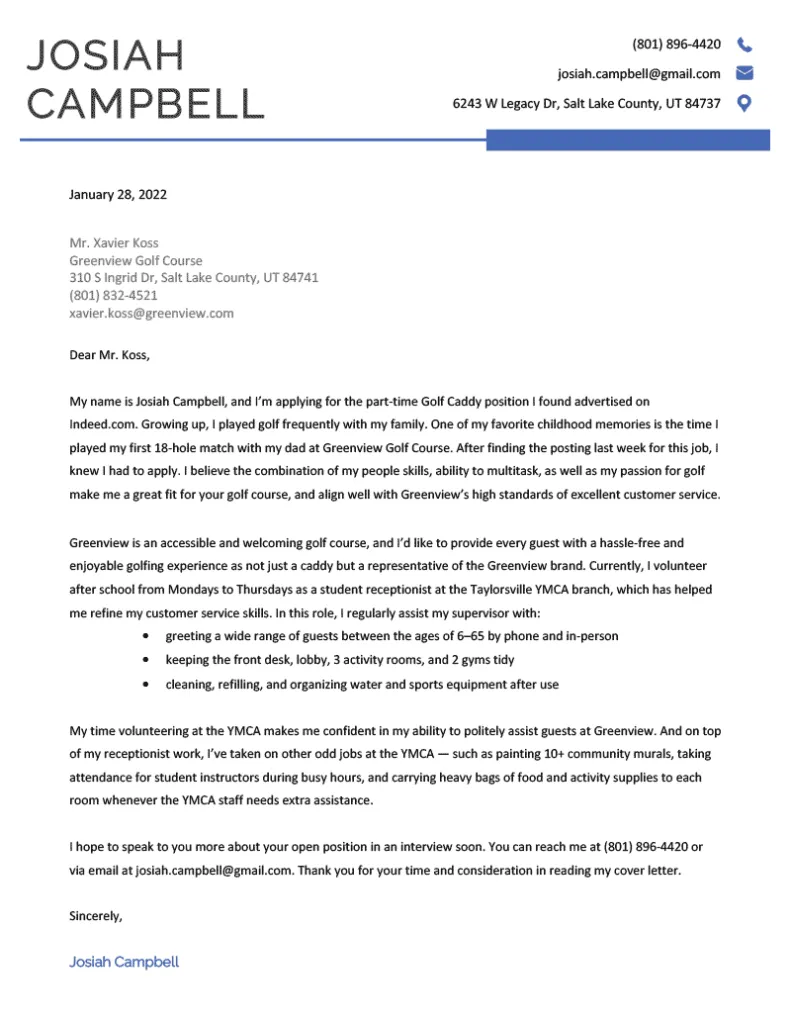
A well-structured cover letter is easy to read and highlights your key qualifications effectively. Begin with a professional salutation, addressing the hiring manager by name if possible. The first paragraph should capture the reader’s attention and state the position you are applying for. In the body paragraphs, highlight your transferable skills, explain why you’re interested in the company, and provide examples of your achievements. Keep it concise and focused. The closing paragraph should reiterate your interest and include a call to action, such as requesting an interview. Proofread meticulously for any errors in grammar or spelling.
The Opening Paragraph: Grabbing Attention
The opening paragraph is your first chance to make a positive impression, so make it count! Start with a strong statement that grabs the reader’s attention. Briefly mention where you saw the job posting and the specific position you are applying for. Then, explain why you are interested in the company and the role. Instead of simply stating your interest, try to convey your enthusiasm and highlight a relevant skill or experience that makes you a good fit. Consider starting with a brief anecdote or a compelling statement that reflects your personality and genuine interest. For example, “Driven by a passion for sustainable design, I was thrilled to discover the opportunity to join your team as a Junior Architect”.
The Body Paragraphs: Showcasing Your Value
The body paragraphs are where you showcase your value and demonstrate how your skills and experiences align with the job requirements. Focus on highlighting transferable skills, providing specific examples of your accomplishments, and explaining how you can contribute to the company’s success. Instead of simply listing your skills, provide context and demonstrate how you have used them in previous situations. Use the STAR method (Situation, Task, Action, Result) to structure your examples effectively. Describe the situation, the task you were assigned, the actions you took, and the positive results you achieved. This approach helps the hiring manager understand your capabilities and how you can apply them in the role.
Highlighting Relevant Projects or Experiences (Even if Limited)

Even if you have limited experience, you can still highlight relevant projects or experiences to demonstrate your skills and potential. Include academic projects, volunteer work, internships, or any other experiences that demonstrate your abilities. Focus on the skills you developed and the results you achieved in these experiences. For example, if you participated in a school project that required teamwork and problem-solving, describe your role, the challenges you faced, and the solutions you implemented. If you volunteered for an organization, highlight your contributions, the skills you used, and the impact you made. This shows the hiring manager that you are proactive, resourceful, and capable of learning and growing.
Emphasizing Skills Over Experience
Since you have no professional experience, the emphasis should be on your skills rather than your work history. Identify the key skills required for the job and provide examples of how you have developed and utilized those skills. Consider skills such as communication, problem-solving, teamwork, leadership, organization, and time management. Provide specific examples from your education, extracurricular activities, or personal projects that demonstrate your proficiency in these skills. Quantify your achievements whenever possible. For example, instead of saying “I improved customer satisfaction,” say “I improved customer satisfaction by 15% by implementing a new communication strategy.”
The Closing Paragraph: Call to Action
The closing paragraph should reiterate your interest in the position and the company. Thank the hiring manager for their time and consideration. End with a clear call to action, such as requesting an interview or expressing your eagerness to discuss your qualifications further. Be confident and enthusiastic, but avoid being overly assertive. Reiterate your contact information and express your availability for an interview. Proofread the entire cover letter again to ensure it is free of errors and that your message is clear and concise. A well-crafted closing paragraph can leave a lasting positive impression and increase your chances of getting an interview.
Proofreading and Formatting

Proofreading and formatting are crucial aspects of cover letter writing. Errors in grammar, spelling, and punctuation can create a negative impression and undermine your credibility. Before submitting your cover letter, carefully proofread it for any mistakes. Use a grammar checker and ask a friend or family member to review it as well. Pay attention to formatting, ensuring that your cover letter is easy to read and visually appealing. Use a professional font, such as Times New Roman or Arial, and maintain consistent font sizes and spacing. Use clear headings and bullet points to organize your content and make it easy for the hiring manager to scan your letter quickly. Ensure your contact information is correct and clearly visible.
Tools and Resources for Cover Letter Writing
There are numerous tools and resources available to help you write a compelling cover letter. Use online cover letter templates and examples as a starting point. Websites like Resume.com and LinkedIn offer helpful templates and writing guides. Career services at your school or university can provide valuable feedback and support. Consider using a cover letter builder to guide you through the writing process and ensure you include all the necessary information. Don’t hesitate to seek help from career counselors or mentors. They can provide personalized advice and help you tailor your cover letter to the specific job and company. By utilizing these resources, you can create a cover letter that effectively showcases your skills, potential, and enthusiasm, even without prior experience.