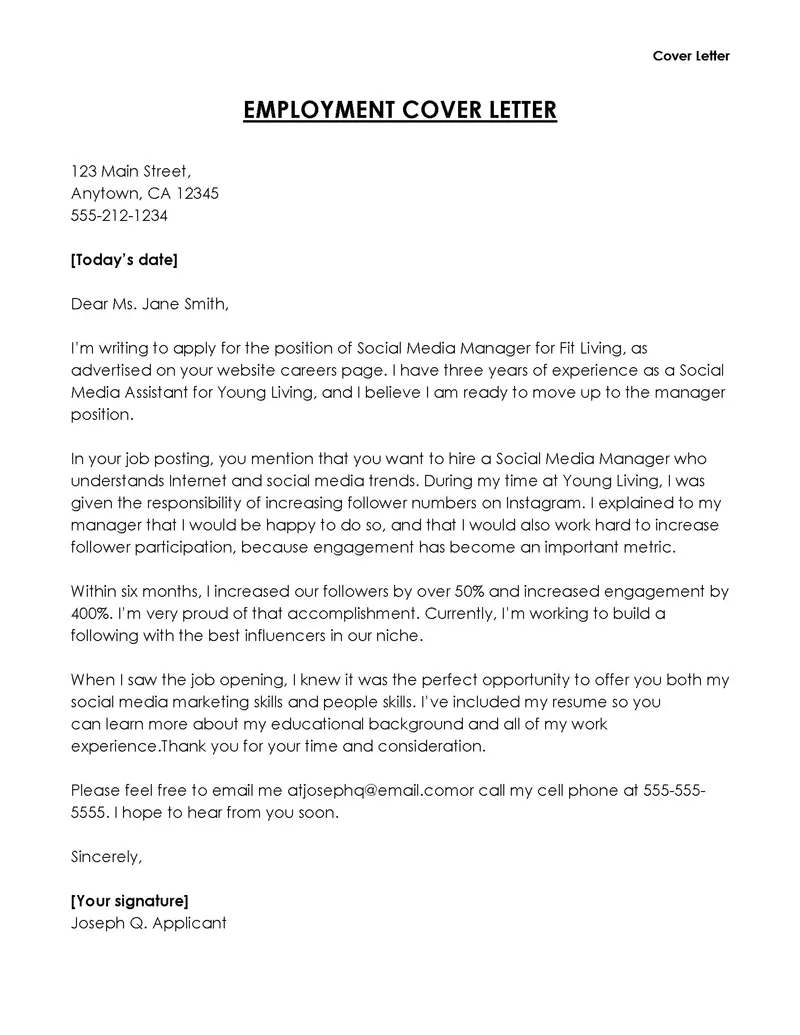
Cover Letter: Why It Matters
A cover letter is your first introduction to a potential employer. It’s a crucial document that accompanies your resume, providing a personalized overview of your skills, experiences, and why you are a good fit for the specific job. While a resume lists your qualifications, a cover letter allows you to showcase your personality, enthusiasm, and communication skills. It’s your chance to make a strong first impression and persuade the hiring manager to read your resume. A well-written cover letter significantly increases your chances of getting an interview. Many employers use cover letters as a screening tool, so neglecting this step could mean missing out on opportunities. Remember, the goal of the cover letter is to grab their attention and show you are a great fit for the job, so don’t underestimate the power of a good cover letter.
Crafting Your Cover Letter Header
The header of your cover letter is the first thing the hiring manager will see, so it needs to be accurate and professional. It sets the tone for the rest of your letter and ensures that your contact information is easily accessible. A well-structured header is essential for making a positive first impression and making it simple for the employer to contact you. The header should align with the overall professional feel of your cover letter. Make sure to use a clear and easy-to-read font, and keep the formatting consistent with your resume. This consistency will show that you pay attention to detail and present yourself professionally.
Your Contact Information (Header)

At the top of your header, include your full name, phone number, email address, and optionally, your LinkedIn profile URL. Ensure that your email address is professional-sounding and reflects your name. Avoid using nicknames or unprofessional email handles. Double-check your phone number and email for accuracy. A mistake here could cost you the chance to be contacted for an interview. Your LinkedIn profile can provide additional information about your professional background, so including it allows the hiring manager to quickly learn more about you. Always keep your LinkedIn profile updated and professional, making it another asset in your job application.
Recipient’s Contact Information (Header)
Below your information, include the employer’s information. This includes the hiring manager’s name, title, company name, and company address. If you know the hiring manager’s name, address your letter to them directly. This personalization shows that you have done your research and are genuinely interested in the position. If the name isn’t available, use a general greeting like ‘Dear Hiring Manager’. Try to find this information on the company website or LinkedIn. Addressing the letter to a specific person adds a level of personalization that can help you stand out. It demonstrates your attention to detail and your commitment to the application.
Cover Letter Salutation
The salutation sets the tone for your entire cover letter. It’s your first opportunity to make a positive impression. As mentioned, if you know the hiring manager’s name, use it. Using a name is a great way to add a personal touch. If you are unsure of the hiring manager’s name, use a professional greeting like ‘Dear Hiring Manager’ or ‘Dear [Company Name] Hiring Team’. Avoid overly casual greetings, such as ‘Hello’ or ‘Hi’, as they may not be appropriate in a professional setting. Your goal is to sound professional and respectful from the very beginning. The correct salutation will set the tone for a formal and respectful interaction.
Cover Letter Body Paragraph 1: Hook Them

The first paragraph of your cover letter is your hook. It needs to grab the reader’s attention immediately and make them want to read more. Start by stating the position you are applying for and how you learned about the opportunity. Then, provide a brief overview of why you are interested in the job and why you are a great fit. You can start by stating your excitement about the opportunity and mentioning something that caught your attention about the company or the job description. Make a strong statement that highlights a key skill or achievement relevant to the job. Briefly mention how your skills and experience align with the job requirements. This initial paragraph should be concise, engaging, and leave the reader wanting to learn more. Aim to convey your enthusiasm and your unique value proposition to the employer right from the start.
Highlighting Your Skills & Experiences
In the body of your cover letter, go into detail about your skills and experiences. Focus on the skills and experiences most relevant to the job description. Provide specific examples of your accomplishments and how they align with the requirements of the position. Use keywords from the job posting to show that you understand the role and the employer’s needs. Don’t just list your skills. Instead, demonstrate them by describing how you have used these skills to achieve results in previous roles. Tailor your letter to each specific job. Avoid using a generic cover letter. Research the company and the role, then emphasize the skills and experiences that make you a perfect fit. Be clear and concise, and write in a way that is easy for the hiring manager to understand.
Matching Skills to Job Requirements
Carefully review the job description and identify the key skills and qualifications the employer is seeking. Then, match your skills and experiences to these requirements. Provide specific examples of how you have used these skills in the past. Whenever possible, use the same keywords and phrases from the job description in your cover letter. This helps the hiring manager quickly see that you possess the skills they are looking for. Provide quantifiable results to demonstrate your achievements. This proves your capabilities and shows the value you can bring to the company. By aligning your skills and experience with the job requirements, you can increase your chances of getting selected for an interview.
Quantifying Achievements (Body Paragraph 2)

Use the second body paragraph to showcase your accomplishments by quantifying your achievements. Instead of stating ‘I improved sales,’ say ‘I increased sales by 15% in one quarter.’ Use numbers, percentages, and data to demonstrate the impact you have made in previous roles. This makes your achievements more tangible and easier for the employer to understand. Use the STAR method (Situation, Task, Action, Result) to structure your examples. Describe the situation, the task you were assigned, the actions you took, and the results you achieved. Be sure to align these achievements with the job requirements to make your letter even more impactful. Quantifying your accomplishments is a compelling way to prove your value to the employer. It shows that you are capable of achieving positive results.
Provide relevant Examples
Provide specific examples of your skills and experiences. Use the STAR method to structure your examples. Begin by describing the situation, then explain the task you were assigned. Detail the action you took to accomplish the task and describe the result you achieved. This helps the hiring manager understand your thought process and how you approach challenges. Ensure your examples align with the job requirements. Focus on accomplishments that showcase skills and experiences relevant to the position you are applying for. Be clear and concise in your descriptions. Avoid jargon and keep your examples easy to understand. This will demonstrate how you applied your skills and achieved tangible results in previous roles. Always include a brief statement of the key learning from your experiences.
Cover Letter Body Paragraph 3: Show Enthusiasm
Show enthusiasm for the company and the role. Explain why you are excited about the opportunity and what you find interesting about the company. Refer to specific aspects of the job or the company’s mission that resonate with you. This shows the hiring manager that you have done your research and are genuinely interested in the position. Highlight how your values align with the company’s values. Demonstrate your understanding of the company’s culture and values, and explain why you would be a good fit. Conveying your passion will show the hiring manager your commitment to the role. This enthusiasm will make you more memorable and show the employer your real commitment to the role.
Expressing Your Interest

In your closing paragraph, reiterate your interest in the position and the company. Summarize why you are a great fit for the role, referencing your key skills and experiences. Express your enthusiasm about the opportunity to contribute to the company’s success. Make it clear that you are eager to learn more about the position. Include a call to action, such as requesting an interview or expressing your willingness to provide additional information. Thank the hiring manager for their time and consideration. This will leave the hiring manager with a positive impression of your eagerness. Reiterate your interest to show the employer you are serious about the job.
Cover Letter Closing
Your closing should be professional and concise. Avoid casual closings such as ‘Best’ or ‘Thanks’. Use a formal closing that aligns with the tone of your cover letter and the company culture. Choose a closing that reflects the level of formality appropriate for the specific job and company. Make sure your closing clearly conveys your professionalism and respect for the hiring manager. This will show your attention to detail and professionalism. The closing statement is your last chance to leave a good impression.
Formal Closing and Signature
Use a professional closing such as ‘Sincerely’, ‘Best regards’, or ‘Respectfully’. Following the closing, leave space for your handwritten signature. If submitting your cover letter electronically, you can simply type your name after the closing. Ensure your name is legible and clear. This is a standard and crucial part of a professional cover letter. You can add your name in a professional font to complete your signature. This helps to ensure the hiring manager knows your name.
Cover Letter Proofreading
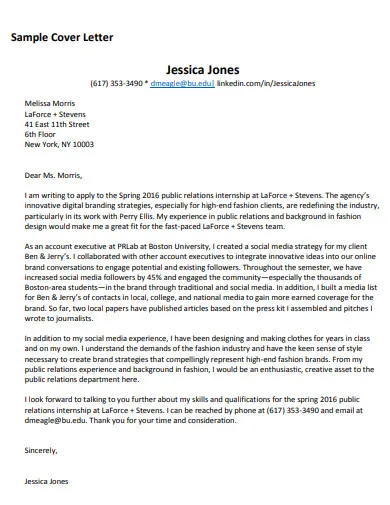
Proofreading is essential for a flawless cover letter. Errors can undermine your credibility and damage your chances of getting an interview. Always proofread your cover letter multiple times. Check for grammatical errors, spelling mistakes, and typos. Ask a friend or family member to proofread it as well. A fresh pair of eyes can often catch errors you might have missed. Double-check all the contact information and ensure it is correct. Ensure your formatting is consistent throughout. Proofreading shows your attention to detail and commitment to the job application. It makes sure your work is free from errors, and the letter appears professional.
Common Mistakes to Avoid
Avoid generic cover letters. Tailor each letter to the specific job and company. Using the same letter for multiple applications shows a lack of interest and effort. Do not just repeat your resume. Your cover letter should provide additional context and showcase your personality. Avoid using jargon or overly complex language. Your cover letter should be easy to understand, so use clear and concise language. Don’t write a cover letter that is too long. Keep it to one page, so the hiring manager can quickly grasp your value. Never lie or exaggerate your qualifications. Honesty is essential in the application process. Always proofread your cover letter to ensure that it is free of errors.