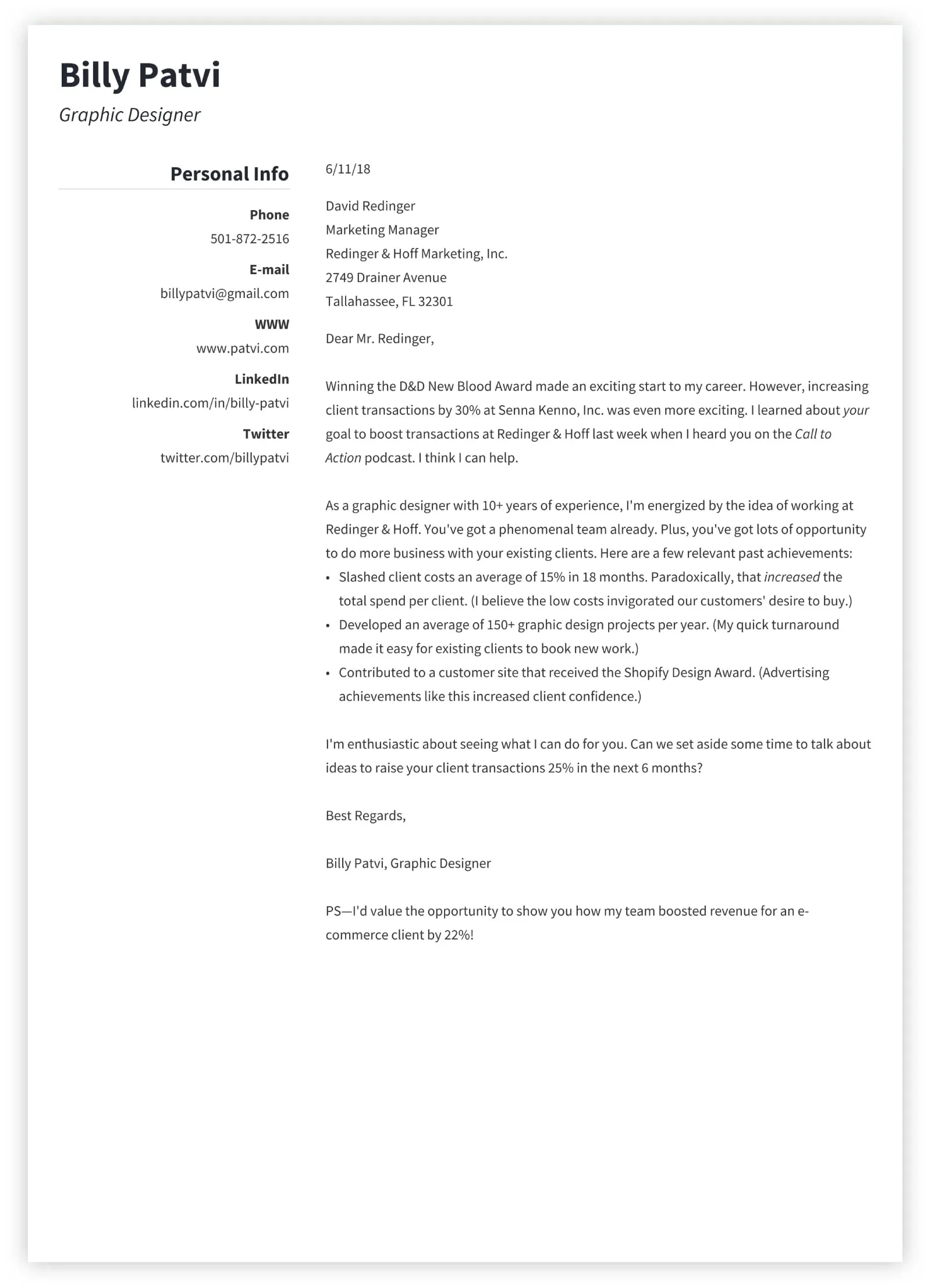
What is a Cover Letter?
A cover letter is a document you send along with your resume when applying for a job. It serves as an introduction, a way to highlight your key qualifications, and express your interest in the position and the company. Think of it as a personal sales pitch, allowing you to showcase your personality and explain why you’re the perfect fit for the role. It provides an opportunity to elaborate on your skills and experiences, going beyond the concise information presented in your resume. A well-crafted cover letter can significantly increase your chances of getting noticed by a hiring manager and securing an interview. It’s your chance to make a strong first impression and demonstrate your enthusiasm for the opportunity. A great cover letter isn’t just a formality; it’s a strategic tool in your job search arsenal.
Why is a Cover Letter Important?
In today’s competitive job market, a cover letter is more important than ever. While your resume provides a snapshot of your skills and experience, a cover letter adds depth and context. It allows you to explain any gaps in your employment history, highlight specific achievements, and demonstrate your understanding of the company and the role. A cover letter also gives you the opportunity to showcase your communication skills and your personality, making you stand out from the crowd. Many hiring managers read cover letters carefully to assess a candidate’s writing ability, attention to detail, and genuine interest in the position. Moreover, some companies explicitly require a cover letter, and failing to provide one can lead to your application being immediately rejected. It’s a chance to make a compelling case for why you should be considered for the job, setting you apart from other applicants.
Key Elements of a Cover Letter

A well-structured cover letter includes several key elements that work together to create a compelling narrative. These components include a clear header, a professional greeting, a strong opening paragraph that grabs the reader’s attention, a body section that highlights your qualifications and relevant experience, a closing paragraph that reiterates your interest and calls for action, a professional sign-off, and your contact information. Each element plays a vital role in conveying your message effectively and making a positive impression on the hiring manager. The organization of these elements should be logical and easy to follow, allowing the reader to quickly grasp your key strengths and understand why you are the ideal candidate. Careful attention to detail and a tailored approach are essential for maximizing the impact of your cover letter.
Header Section of your Cover Letter
The header of your cover letter is the first thing the hiring manager will see, so it’s essential to get it right. It should include your full name, contact information (phone number, email address, and LinkedIn profile URL, if applicable), and the date. It’s also standard practice to include the hiring manager’s name, title, and the company’s address. This section establishes your professionalism and provides the necessary information for the recruiter to contact you. Ensure that your contact information is accurate and up-to-date. The formatting should be clean and easy to read, using a standard font and a professional layout. The header sets the tone for the entire letter, so make sure it’s polished and reflects your attention to detail.
Greeting Section of your Cover Letter
The greeting is how you address the hiring manager. The most effective approach is to address the letter to a specific person, such as “Dear Mr./Ms. [Last Name].” If you can’t find the hiring manager’s name, try researching the company’s website or LinkedIn. Avoid generic greetings like “To Whom It May Concern.” If you cannot find a specific person, you can use “Dear Hiring Manager,” but always try to find a name. The greeting should be professional and respectful, setting a positive tone for the rest of the letter. Correct spelling and title are crucial here; a small mistake can undermine your credibility. Tailoring your greeting shows that you’ve taken the time to research and personalize your application, which can make a positive impression from the very beginning.
Body Section of your Cover Letter

The body of your cover letter is where you make your case for the job. It’s usually composed of one or two paragraphs that highlight your key qualifications, skills, and experiences, connecting them to the job requirements and the company’s needs. Start with a strong opening paragraph that captures the reader’s attention and states your purpose for writing. Then, delve into your relevant accomplishments and how they align with the job description. Use specific examples to illustrate your skills and demonstrate your value. Always tailor the content to each job application, showcasing how your unique strengths make you the ideal candidate. The body should flow logically, making it easy for the hiring manager to understand why you are a good fit for the role.
First Paragraph
The first paragraph of your cover letter is crucial because it grabs the reader’s attention and establishes your purpose. Start by stating the position you are applying for and where you saw the job posting. Then, briefly and compellingly introduce yourself and express your enthusiasm for the opportunity. You might mention a specific aspect of the company or the role that excites you, demonstrating that you have done your research. Avoid generic openings; instead, craft a statement that immediately captures the reader’s interest and makes them want to read more. The first paragraph sets the tone for the entire letter, so make sure it’s well-written, enthusiastic, and tailored to the specific job and company.
Second Paragraph
The second paragraph allows you to delve deeper into your qualifications and experiences. Here, you should highlight your most relevant skills and accomplishments, using specific examples to demonstrate your abilities. Connect your experiences directly to the requirements of the job description. Instead of simply listing your skills, explain how you have used them to achieve results in the past. Quantify your achievements whenever possible to show the impact you have made (e.g., “Increased sales by 15% in one quarter”). Tailor this section to the specific job, focusing on the skills and experiences most relevant to the role. This is your opportunity to prove that you have what it takes to succeed in the position.
Third Paragraph

If needed, you can include a third paragraph to further emphasize your value or address any specific concerns, such as career changes. You might use this paragraph to elaborate on a specific skill or project or to demonstrate your understanding of the company’s mission and values. It’s also a good place to explain any gaps in your employment history or address any potential concerns the hiring manager might have. However, be concise and avoid dwelling on negative aspects. Instead, focus on what you can bring to the company and how you can contribute to their success. Keep the tone positive and enthusiastic, reinforcing your interest in the opportunity and your belief that you are a good fit for the role.
Closing Section of your Cover Letter
The closing section of your cover letter is just as important as the opening. In this section, you should reiterate your interest in the position and express your enthusiasm for the opportunity. Thank the hiring manager for their time and consideration. Include a clear call to action, such as stating that you look forward to hearing from them soon or that you are available for an interview at their earliest convenience. Avoid overly casual or informal language. Instead, maintain a professional tone and a confident, yet respectful, attitude. This is your final chance to leave a positive impression and encourage the hiring manager to take the next step in the hiring process.
Sign-off
The sign-off is the professional closing of your cover letter. The most common and appropriate sign-offs are “Sincerely,” “Best regards,” or “Thank you.” Choose the one that best fits your style and the overall tone of the letter. After the sign-off, leave space for your signature if you are printing and mailing the letter, or simply type your name. Ensure your name is clearly printed, making it easy for the hiring manager to identify you. Keep the sign-off simple and professional, reflecting the overall tone of your communication. The sign-off is the final touch that signals the end of your letter and leaves a lasting impression.
Contact Information

Your contact information should already be in the header, but it’s a good practice to include it again at the end of your letter, especially if you are sending a printed copy. Repeat your phone number and email address to ensure the hiring manager can easily reach you. Double-check that the contact information is accurate and up-to-date. This makes it simple for the hiring manager to contact you quickly regarding your application. Ensuring the contact information is easily accessible is essential for maximizing your chances of securing an interview. Make certain your email address sounds professional, and consider adding your LinkedIn profile URL to showcase your online presence and work history.
Formatting Your Cover Letter
The formatting of your cover letter is as important as the content. Use a professional font, such as Times New Roman, Arial, or Calibri, and keep the font size between 10 and 12 points for readability. Maintain consistent formatting throughout the document, including spacing, margins, and alignment. Use single-spacing within paragraphs and double-spacing between paragraphs. Ensure the text is left-aligned, with a ragged right edge. Avoid distracting formatting elements like excessive bolding, italics, or colors. The letter should be clean, easy to read, and visually appealing. A well-formatted cover letter demonstrates your attention to detail and professionalism. Proper formatting enhances readability and makes a good impression on the hiring manager.
Proofreading and Editing Your Cover Letter
Before submitting your cover letter, proofread it carefully for any grammatical errors, spelling mistakes, or typos. Errors can undermine your credibility and make you look unprofessional. Use a spell-checker, but don’t rely on it entirely; it won’t catch all errors. Read the letter aloud to catch any awkward phrasing or sentences that don’t flow well. Consider asking a friend, family member, or career counselor to review your cover letter as a second pair of eyes. This can help you catch mistakes that you might have missed. Ensure the letter is tailored to the specific job and company. Make sure your cover letter is free of errors and reads smoothly to give yourself the best possible chance of landing the job.