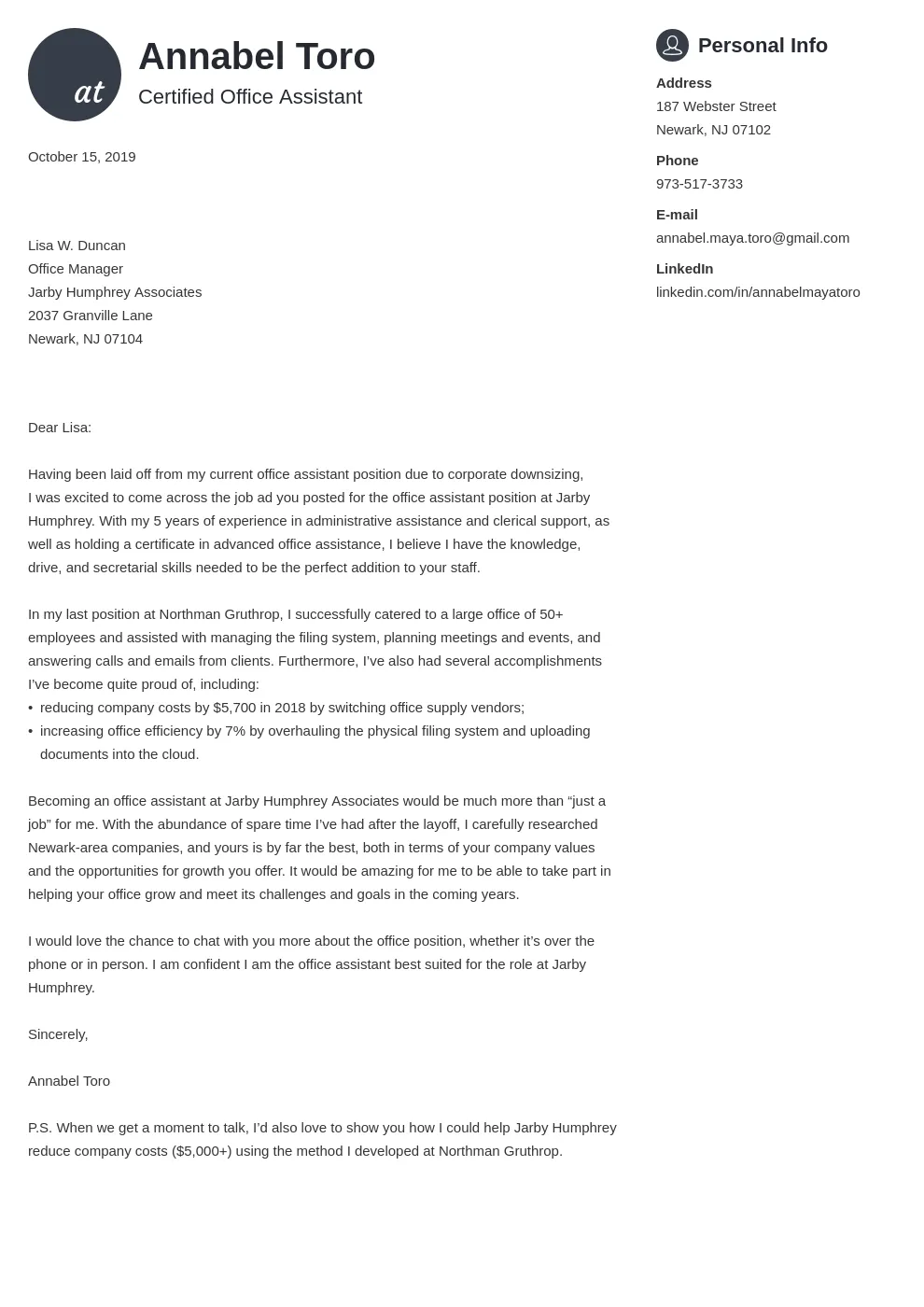
Cover Letter Basics Know the Fundamentals
A cover letter is your first introduction to a potential employer. It’s an opportunity to go beyond your resume and demonstrate your interest, skills, and personality. To make your cover letter stand out, it’s essential to understand the fundamentals. This involves knowing what information to include, how to structure your letter, and the overall tone you should adopt. Think of your cover letter as a persuasive sales pitch, selling yourself to the hiring manager. It should clearly communicate why you are the perfect candidate for the job and what value you can bring to the company. Remember that this document is your chance to make a great first impression and differentiate yourself from other applicants. A well-crafted cover letter can significantly increase your chances of getting an interview.
Formatting Your Cover Letter
Proper formatting is crucial to make your cover letter visually appealing and easy to read. Use a professional and clean font, such as Times New Roman, Arial, or Calibri, with a font size between 10 and 12 points. Ensure your letter is left-aligned with single-line spacing and add a blank line between paragraphs. Keep the margins to around 1 inch on all sides. This makes your cover letter look neat and helps the hiring manager focus on the content. Avoid using fancy fonts or excessive formatting, as they can distract from the message. The layout should be consistent and organized, allowing the reader to quickly grasp the essential information. A well-formatted cover letter shows attention to detail, a crucial skill in any professional setting. Use headings to divide your content into logical sections.
Header Essentials

Your header should include your full name, address, phone number, and email address. Place this information at the top left or right corner of your cover letter. Ensure your contact details are current and accurate. Your email address should be professional avoid using nicknames or informal addresses. The header is the first thing a hiring manager sees, so it needs to be clear and easy to read. Make sure the header is visually separate from the rest of the letter, usually by using a slightly larger font size or a different font style. The header must be consistent with the information on your resume.
The Salutation Addressing the Hiring Manager
Instead of using generic salutations like Dear Sir or Madam, try to address the hiring manager or the specific person who will be reviewing your application. If you can’t find a name, use Dear Hiring Manager. Addressing the hiring manager by name shows that you have taken the time to research the company and the role. It adds a personal touch to your cover letter. Avoid using outdated or gender-specific salutations. If you are unsure about the gender, opt for a neutral greeting. If you are unable to find a specific name, it is better to use a general salutation. This approach shows your respect for the hiring process and sets a positive tone for the rest of the letter.
Crafting a Compelling Opening
Your opening paragraph is your chance to grab the hiring manager’s attention. It should immediately state the position you are applying for and briefly explain why you are interested in the role and the company. Avoid generic openings. Instead, highlight your enthusiasm and briefly mention a key skill or experience that aligns with the job requirements. Personalize your opening to reflect your understanding of the company’s mission or recent achievements. A compelling opening paragraph will encourage the reader to continue reading and learn more about your qualifications. Clearly state your intention to apply for the position and express your interest in the company. Your opening must reflect your unique perspective.
Highlighting Relevant Skills and Experience

The body of your cover letter is where you showcase your skills and experience relevant to the job. Focus on the qualifications listed in the job description and provide specific examples of how you have demonstrated these skills in previous roles. Use the STAR method (Situation, Task, Action, Result) to describe your accomplishments. This will help you provide context and show the impact you made in your previous positions. Avoid simply repeating your resume. Instead, elaborate on your achievements and quantify your results whenever possible. This allows the hiring manager to see the value you bring to the table. The content must be engaging and relevant to the job requirements.
Quantifying Achievements in Your Cover Letter
To make your cover letter stand out, quantify your achievements using numbers and data. Instead of saying ‘Improved customer satisfaction,’ state ‘Increased customer satisfaction by 15% through implementing a new feedback system.’ Quantifiable results demonstrate the impact of your work and provide concrete evidence of your skills and abilities. This shows that you are results-oriented and that you understand the importance of data-driven decision-making. Include metrics such as percentages, dollar amounts, or other relevant figures to support your claims. These specific details will make your cover letter more impactful and memorable.
Showcasing Your Personality
While it’s important to maintain a professional tone, your cover letter should also reflect your personality. Let your enthusiasm and passion for the role and the company shine through. Write in a conversational tone, but keep it professional. This will make your letter more engaging and memorable. Use your cover letter as an opportunity to show the hiring manager who you are as a person. Share a brief anecdote or express your genuine interest in the role and the company. Showing your personality will help you stand out from other applicants. This allows the hiring manager to get a sense of who you are beyond your qualifications.
Tailoring Your Cover Letter to the Job

Customize each cover letter to match the specific job description and the company you are applying to. Generic cover letters are easily recognizable and often end up in the rejection pile. Research the company and understand its mission, values, and recent achievements. Demonstrate your understanding of the company’s needs and how your skills and experience align with their goals. Highlight the specific skills and experiences that the employer is looking for. This shows that you have taken the time to understand the role and are genuinely interested in the opportunity. Tailoring your letter shows that you are serious about the job and that you have the initiative to go the extra mile.
Researching the Company and Role
Before you start writing your cover letter, thoroughly research the company and the specific role. Visit the company’s website, read news articles, and check their social media profiles to understand their current projects, values, and culture. Review the job description carefully and identify the key skills and qualifications the employer is looking for. This research will help you tailor your cover letter to the specific requirements of the role. This also allows you to show that you have taken the time to understand the company’s needs. Use this information to address the company’s specific challenges or goals in your cover letter.
Understanding the Job Description
The job description is your guide to what the employer is looking for in a candidate. Read it carefully and identify the key requirements, skills, and experiences. Highlight the keywords and phrases used in the job description. This will help you tailor your cover letter to the employer’s needs. Use similar language and terminology in your letter to show that you understand the role and are a good fit for the position. If you don’t meet all the requirements, focus on the ones you do meet and explain how your skills and experience can be applied to the role. Understanding the job description also means researching the salary range.
Customizing Your Letter for Each Application

Avoid using a generic cover letter for every job application. Customize your letter to match each job description and the company’s specific needs. This includes changing the opening paragraph, highlighting the relevant skills and experiences, and tailoring your closing statement. By customizing your letter, you demonstrate that you are genuinely interested in the role and the company. This increases your chances of getting noticed by the hiring manager. Taking the time to customize your letter shows that you are serious about the job and that you have the initiative to go the extra mile. This also gives a good impression of your writing skills and attention to detail.
Using Action Verbs Effectively
Use strong action verbs to describe your accomplishments and responsibilities in your cover letter. Action verbs such as ‘managed,’ ‘developed,’ ‘implemented,’ ‘achieved,’ and ’led’ make your cover letter more dynamic and engaging. Start each bullet point or paragraph with an action verb to make your achievements stand out. This helps to demonstrate your skills and abilities in a clear and concise manner. Avoid using passive voice and instead focus on what you did and the results you achieved. This allows the hiring manager to quickly understand your contributions and value. Using action verbs provides a clear presentation of your capabilities.
Writing a Strong Closing
Your closing paragraph is your final chance to make a strong impression. Reiterate your interest in the role and the company and express your enthusiasm for the opportunity. Thank the hiring manager for their time and consideration. End your letter with a call to action. This could be inviting them to contact you for an interview or expressing your eagerness to discuss your qualifications further. Make sure your closing is professional and reflects your personality. The closing must summarize your interest in the role.
Proofreading and Editing Your Cover Letter

Before submitting your cover letter, proofread it carefully for any errors in grammar, spelling, and punctuation. Typos and grammatical errors can make you look unprofessional. Use a grammar checker and ask a friend or colleague to review your letter. Ensure your cover letter is well-written and easy to read. Pay attention to formatting and make sure your cover letter is visually appealing. Proofreading is a critical step in ensuring your cover letter makes a good impression. This is your opportunity to identify and correct any potential issues that could detract from your message. Proofread the content carefully and use tools such as Grammarly.
Avoiding Common Cover Letter Mistakes
Avoid common mistakes that can hurt your chances of getting an interview. Do not use generic cover letters or repeat information from your resume. Avoid using jargon or overly complex language. Ensure you do not include any negative information or complaints about previous employers. Avoid making any spelling or grammar errors. Make sure your cover letter is not too long. Avoid vague statements and instead provide specific examples of your accomplishments. By avoiding these common mistakes, you can significantly increase your chances of making a positive impression and getting noticed by the hiring manager. Always proofread your work, be clear and concise, and make sure your cover letter is tailored to the job you are applying for.