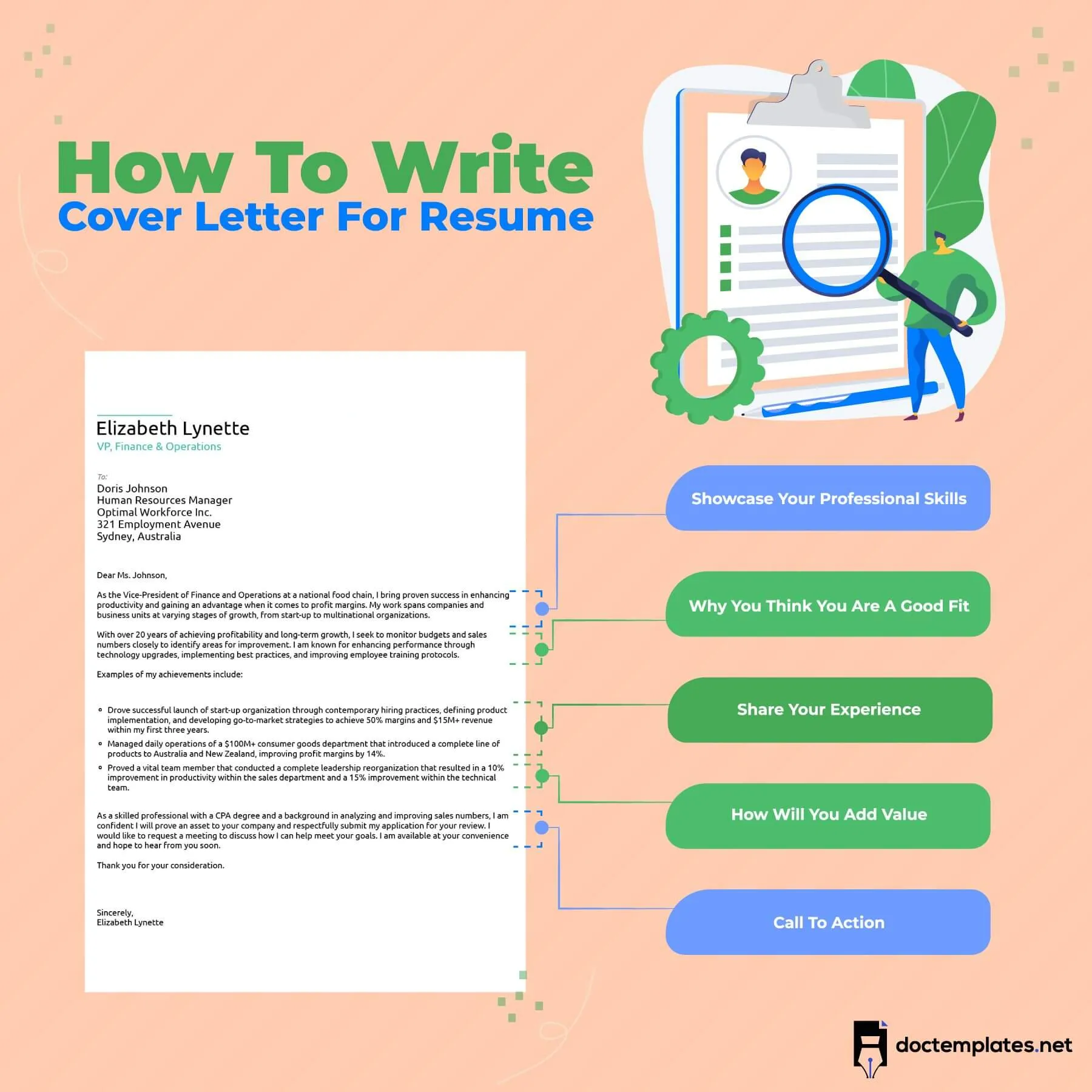
What is a Cover Letter and Why Do You Need One?
A cover letter is a crucial document that accompanies your resume when applying for a job. It serves as your first introduction to a potential employer, providing an opportunity to highlight your qualifications, express your interest in the position, and demonstrate your personality. Many job applications specifically require a cover letter, while others may make it optional; however, submitting a cover letter even when it’s not mandatory can significantly increase your chances of getting noticed. It allows you to provide context to your resume, explaining how your skills and experiences align with the job requirements and the company’s values. A well-crafted cover letter can make you stand out from other candidates, even if their resumes are similar to yours.
Purpose of a Cover Letter
The primary purpose of a cover letter is to introduce yourself and express your interest in a specific job or company. It’s a chance to explain why you’re a good fit for the role and how your skills and experiences match the employer’s needs. A cover letter also gives you the opportunity to showcase your personality, writing style, and communication skills. Unlike a resume, which lists your accomplishments, a cover letter allows you to tell a story, connecting your past experiences to the future opportunity. It provides a space to elaborate on experiences, explain gaps in your work history (if any), and show a genuine interest in the company’s mission and culture. This is a critical part of a job application, so take your time to create a cover letter that shines and shows the employer why you’re the best candidate.
Key Components of a Cover Letter

A well-structured cover letter typically includes several key components designed to make a strong impression. These elements work together to present you as a well-rounded and qualified candidate. Understanding the components and how they fit together can help you create a winning cover letter that effectively communicates your value to the employer. Properly formatted, and well-written, these elements can elevate your application to the next level and get you closer to landing that job.
Header Section
The header of your cover letter includes essential information for the employer to identify you and contact you. This section sets the tone for the rest of your letter and ensures that the employer can easily reach you. Pay close attention to detail in the header, as any errors can reflect poorly on your attention to detail. Make sure the header is clean, professional, and easy to read, using a standard font and formatting to create a polished look. Proper formatting is a must, so make sure to follow all of the formatting guidelines below.
Contact Information
Include your full name, phone number, email address, and optionally, your LinkedIn profile URL. Make sure the email address is professional (e.g., yourname@email.com) and that the phone number is current and active. This ensures the hiring manager can easily reach you to schedule an interview. Double-check all of your contact information, especially your email address, to make sure it is accurate. Having incorrect contact information can stop you from getting an interview so it is incredibly important to get this right.
Date

Include the date you are writing the cover letter. This helps the employer know when the application was submitted. It is best to keep the date formatted in the standard American format, which is Month, Day, Year.
Recipient’s Information
Include the name of the hiring manager (if known), their title, the company name, and the company’s address. Research the company’s website or LinkedIn to find this information. If you can’t find the hiring manager’s name, use a general greeting like ‘Dear Hiring Manager’.
Salutation
The salutation sets the tone for your letter. If you know the hiring manager’s name, use ‘Dear Mr./Ms./Mx. [Last Name]’. Otherwise, use a professional greeting such as ‘Dear Hiring Manager’. Avoid generic salutations like ‘To Whom It May Concern,’ as they can make your letter seem impersonal. Make sure the greeting feels appropriate for the company culture. If you’re unsure, it’s better to err on the side of formality.
Body Paragraphs

The body paragraphs are where you make your case for why you are the best candidate. This is where you highlight your skills, experiences, and enthusiasm for the role. Each paragraph should focus on a specific aspect of your qualifications and explain how they align with the job requirements. Keep each paragraph concise and focused, using strong action verbs and quantifiable results whenever possible. The body paragraphs work together to create a compelling narrative that convinces the employer to invite you for an interview.
First Paragraph Introduction
Start with a strong opening statement that grabs the reader’s attention. State the position you’re applying for and where you saw the job posting. Briefly mention your most relevant qualification or a key achievement that makes you stand out. Clearly state your purpose for writing. Show your enthusiasm for the role and the company from the very beginning.
Second Paragraph Highlighting Skills
This is where you highlight your skills and experiences that directly relate to the job requirements. Refer to the job description and identify the key skills and qualifications the employer is looking for. Provide specific examples of how you’ve demonstrated these skills in previous roles. Use the STAR method (Situation, Task, Action, Result) to describe your accomplishments and quantify your achievements whenever possible. Demonstrate how your skills will benefit the company.
Third Paragraph Showcasing Enthusiasm

Show your genuine interest in the company and the position. Explain why you’re drawn to the company’s mission, values, or culture. Mention any research you’ve done about the company and how your goals align with their objectives. Show you’re more than just qualified; you’re genuinely excited about the opportunity to contribute. Share how you see yourself growing within the company. Personalize this paragraph to set yourself apart from generic applications.
Closing Paragraph Call to Action
Reiterate your interest in the position and thank the hiring manager for their time and consideration. Express your eagerness to discuss your qualifications further and reiterate your contact information. End with a clear call to action, such as stating that you look forward to hearing from them soon or that you are available for an interview at their earliest convenience.
Closing and Signature
Use a professional closing such as ‘Sincerely,’ ‘Best regards,’ or ‘Thank you’. Leave space for your handwritten signature, and type your full name below it. If submitting a digital cover letter, you can simply type your name. Make sure your closing is consistent with the tone of your letter. This concludes your application.
Formatting and Design Tips

The format and design of your cover letter are crucial for making a positive first impression. A well-formatted letter shows attention to detail and professionalism. It should be easy to read and visually appealing. Poor formatting can be distracting and make it difficult for the hiring manager to focus on your qualifications. So take your time, and make sure that your formatting and design are spot on to help you land your dream job.
Font Selection
Choose a professional and easy-to-read font such as Times New Roman, Arial, Calibri, or Helvetica. Avoid overly decorative or unusual fonts, as they can distract from the content. Use a consistent font throughout the letter. Select a font size that is easy to read, typically between 10 and 12 points. The key is to choose a font that looks clean and is easy on the eyes.
Font Size and Spacing
Use a font size between 10 and 12 points for the body of your cover letter. Maintain consistent spacing throughout the document, typically single or 1.15 line spacing. Use a standard margin size, typically 1 inch on all sides. Ensure the spacing between paragraphs is clear and easy to follow. Good spacing is necessary for easy reading, which is always a win for the reader.
Proofreading and Editing

Carefully proofread your cover letter for any typos, grammatical errors, or punctuation mistakes. Read the letter multiple times and consider having a friend or family member review it as well. Check for consistency in formatting, such as font sizes, spacing, and alignment. Ensuring your cover letter is free of errors demonstrates attention to detail and professionalism. A polished letter can be the difference between getting an interview and getting passed over.
Tailoring to the Job
Every cover letter should be customized to the specific job you are applying for. Generic cover letters that lack personalization are often quickly dismissed. Taking the time to tailor your letter shows the employer that you are genuinely interested in the position and that you have researched the company. It also allows you to highlight the most relevant skills and experiences that align with the job requirements. Always ensure you tailor the letter to the job and company!
Researching the Company
Before you start writing, research the company. Visit their website, read their mission statement, and learn about their values and culture. Understand the company’s products or services and their position in the industry. This information will help you tailor your cover letter and demonstrate your genuine interest. Demonstrate your knowledge of the company’s current initiatives and goals. Understanding the company culture is always good to get you in the door.
Matching Skills to Requirements

Carefully review the job description and identify the key skills and qualifications the employer is looking for. Highlight the skills and experiences in your resume and cover letter that align with the job requirements. Use the same keywords and phrases from the job description to show that you are a good fit. Provide specific examples of how you’ve used these skills in previous roles. Demonstrate how your skills can benefit the company.
Examples of Effective Cover Letters
Reviewing examples of effective cover letters can provide inspiration and guidance. Many online resources offer templates and examples for various industries and job types. Pay attention to how other candidates have structured their letters, highlighted their skills, and expressed their enthusiasm. Adapt these examples to your own situation and tailor them to the specific job and company. Remember to personalize the examples to reflect your unique qualifications and experiences. With good examples, you can craft your own amazing and effective cover letter.