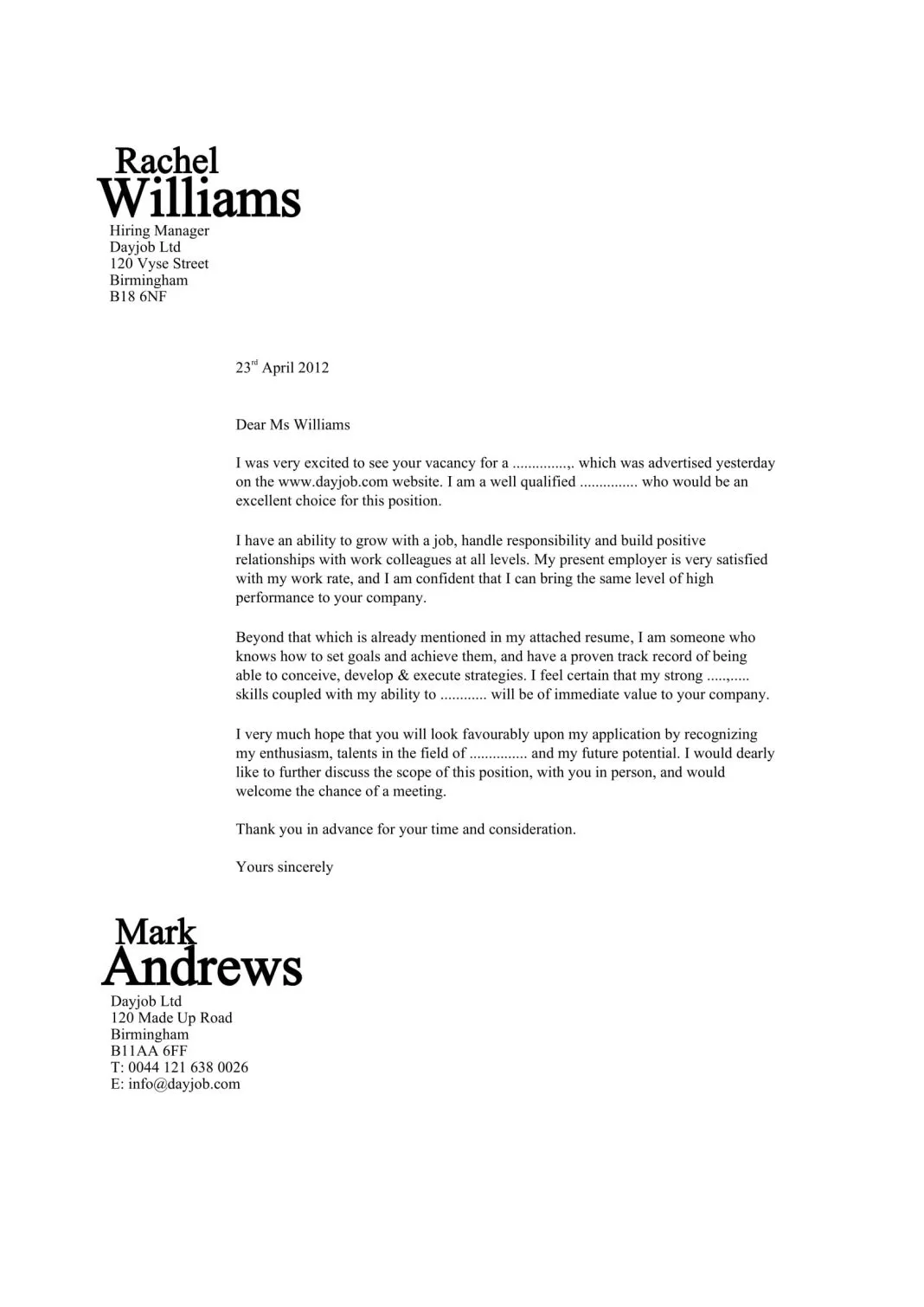
Why a Great Cover Letter Matters
In the competitive job market, a well-crafted cover letter can be your most potent tool. It’s more than just a formality; it’s your first chance to make a strong impression and distinguish yourself from other applicants. A compelling cover letter showcases your personality, enthusiasm, and qualifications in a way that a resume alone cannot. It provides an opportunity to tell your story, explain your career goals, and highlight how your skills and experience align with the specific requirements of the job. A great cover letter is not merely a summary of your resume it is a personalized sales pitch. It demonstrates your understanding of the company, the role, and the value you bring to the table. This is your opportunity to shine and make the hiring manager eager to learn more about you.
Cover Letter Importance
The importance of a cover letter extends beyond simply ticking a box in the application process. Many hiring managers read cover letters before they even glance at a resume. This means your cover letter is your first and often only opportunity to capture their attention. A well-written cover letter can significantly increase your chances of securing an interview by showcasing your communication skills, attention to detail, and genuine interest in the position. It allows you to address any potential gaps in your resume, explain career transitions, and tailor your application to the specific job requirements. In essence, a cover letter is an essential element that highlights your qualifications and demonstrates why you are the ideal candidate for the role.
First Impression Opportunity

Your cover letter is your initial introduction to a potential employer, making it a critical opportunity to create a positive and lasting first impression. This is the time to demonstrate your personality, writing style, and communication skills. You can differentiate yourself from other applicants by conveying your enthusiasm for the role and the company. The tone of your cover letter sets the stage for how the hiring manager perceives you. A professional, engaging, and well-written cover letter immediately indicates your attention to detail, organizational skills, and commitment to excellence. By making a strong first impression, you encourage the employer to delve deeper into your qualifications and consider you for the position. It is your chance to make a lasting impression, and convince the employer to read your resume.
Highlighting Your Value
A cover letter allows you to emphasize your value proposition, clearly outlining what you bring to the table. While your resume lists your skills and experience, your cover letter lets you expand on those points, demonstrating how you’ve applied your skills in previous roles and what you have accomplished. It gives you the chance to highlight your key strengths, and showcase how your abilities align with the specific needs of the job. This is the perfect space to share examples of your work, explaining the positive impact you had on previous projects, your quantifiable results, and the benefits you brought to the organization. By emphasizing your value, you show the employer not only what you can do but also what you will bring to the table.
Key Components of a Winning Cover Letter
Contact Information and Date

Begin with your contact information in the top left or right corner, including your full name, phone number, email address, and optionally, your LinkedIn profile URL. Below your information, include the date of the cover letter. This ensures the recipient knows how to reach you and when the letter was written. Proper formatting and attention to these details demonstrate professionalism and attention to detail, establishing a positive first impression from the outset. This is a standard component to set the stage for your job application. Always make sure your contact details are correct, so employers can reach you to schedule an interview. You do not want to miss a career opportunity because of an error.
Professional Salutation
Always address your cover letter to a specific person, if possible. Research the hiring manager’s name and use a professional salutation like “Dear Mr./Ms. [Last Name].” If you can’t find a specific name, use a generic salutation such as “Dear Hiring Manager,” “Dear [Department Name] Team,” or “To Whom It May Concern.” Avoid outdated or informal salutations like “Dear Sir or Madam.” Using a personalized salutation shows that you’ve put in the effort to research and that you are serious about the application. It immediately makes your letter more engaging and shows your respect for the hiring process. If you use “Dear Hiring Manager,” then make sure the letter is still personalized, making sure the content is targeted to the job description.
Opening Paragraph Hook
Your opening paragraph is the most critical part of your cover letter. It needs to immediately grab the reader’s attention and make them want to read more. Start with a strong hook: state the position you are applying for and where you found it, and then briefly mention why you are a good fit. Briefly summarize your most relevant qualifications and your enthusiasm for the role. Your opening paragraph is your chance to introduce yourself and your interest in the position and capture the hiring manager’s attention. A well-crafted introduction sets the tone for the rest of the letter and motivates the hiring manager to read further. A strong opening paragraph sets the stage for the rest of the cover letter, making the hiring manager eager to learn more about your qualifications and experience.
Showcase Relevant Skills and Experience

In the body of your cover letter, focus on the skills and experiences that directly align with the job requirements. Review the job description carefully and identify the key skills, qualifications, and experiences the employer is seeking. Provide specific examples of how you have demonstrated these skills in previous roles. Tailor each paragraph to the job. Explain how you’ve applied these skills to achieve specific results, and show how your background makes you the ideal candidate. Whenever possible, quantify your accomplishments, using metrics to showcase the impact of your contributions. By focusing on relevance and providing concrete examples, you demonstrate to the employer that you have the skills and experience needed to excel in the role. This personalization will allow you to show that you read the job description and understand the requirements.
Quantify Achievements
Whenever possible, quantify your achievements with data. Instead of saying “Improved customer satisfaction,” state “Improved customer satisfaction by 15% through implementing a new feedback system.” Quantifiable results make your claims more credible and illustrate the impact of your work. Use numbers, percentages, and specific metrics to demonstrate the value you brought to previous employers. This approach provides concrete evidence of your abilities and shows the hiring manager the potential value you can bring to their organization. Quantifying your achievements helps to highlight the value you bring to the table and helps your application stand out. Quantifiable achievements make your application stronger and more persuasive.
Tailor to the Job Description
Each cover letter should be customized to the specific job you are applying for. Review the job description carefully and identify the key requirements, skills, and qualifications the employer is looking for. Then, tailor your cover letter to address these specific points. Highlight the skills and experiences that align with the job description, and use keywords and phrases from the job posting. Avoid sending generic cover letters; personalize each letter to demonstrate your understanding of the role and the company. Tailoring your letter shows the hiring manager that you have taken the time to understand the position and the organization. This personalization increases your chances of getting noticed.
Express Enthusiasm and Company Knowledge

Demonstrate your enthusiasm for the position and the company. Briefly mention why you are excited about the opportunity and what you admire about the organization. Research the company’s mission, values, and recent accomplishments. Show that you understand the company’s work. Refer to specific projects, products, or initiatives that resonate with you. Expressing enthusiasm and demonstrating your knowledge can set you apart from other candidates. It shows the hiring manager that you are genuinely interested in the role and the company, not just looking for any job. This is also a good opportunity to show your passion and knowledge. Use this section to show your interest, and why this job is a good fit.
Closing Paragraph and Call to Action
End your cover letter with a strong closing paragraph that reiterates your interest in the position and summarizes your key qualifications. Include a clear call to action, such as expressing your availability for an interview and providing your contact information again. Thank the hiring manager for their time and consideration. A well-crafted closing paragraph leaves a lasting positive impression. A call to action encourages the hiring manager to take the next step. This helps to move the application process forward. It shows the employer that you are proactive and eager to move forward with the application process.
Express Gratitude and Next Steps
Always express your gratitude for the hiring manager’s time and consideration. Reiterate your interest in the position, and mention your availability for an interview. Make sure your contact information is available, and make it easy for the hiring manager to contact you. A professional closing shows respect for the reader. Reaffirming your interest highlights your enthusiasm. Providing your contact information ensures the hiring manager can easily get in touch. The perfect ending to a great cover letter will help you achieve your career goals, and get you closer to your dream job.
Formatting and Design

Choosing the Right Font and Size
Select a professional and easy-to-read font, such as Times New Roman, Arial, or Calibri. Keep the font size between 10 and 12 points. A clean font makes your cover letter more accessible. A readable font size ensures the document is easy to read. It can make a difference in how the hiring manager views your application, so choose wisely. Keep your cover letter simple, and avoid using fonts that are too decorative, and make it difficult to read. Your goal is to provide content that is easy to read.
Maintaining a Readable Layout
Use clear formatting to make your cover letter easy to read. Use single-spacing within paragraphs and double-spacing between paragraphs. Use left-alignment, with a ragged right margin. Avoid using justified text, as this can create uneven spacing and make the letter harder to read. Keep the letter to one page, as most hiring managers do not want to spend the time reading a longer document. Use headings and bullet points to break up text and highlight key information. A well-formatted cover letter is more engaging and shows your attention to detail. Proper layout and formatting show you know the basics of what a professional cover letter looks like.
Proofreading and Editing

Proofread your cover letter carefully for any errors in grammar, spelling, punctuation, and formatting. Errors make your application look unprofessional and can immediately disqualify you. Review the letter multiple times, and consider asking a friend or family member to review it as well. Check all the information, including your contact details, the date, and the name of the hiring manager. Use grammar and spelling checking tools, but always proofread manually. A polished cover letter shows attention to detail. This is very important when you want to be considered for the job. Errors will work against you and make it less likely you will be considered.
Common Cover Letter Mistakes to Avoid
Generic Cover Letters
Avoid using generic cover letters that are not tailored to the specific job or company. Generic letters show a lack of effort and interest. Customization is critical. Always tailor your cover letter to the specific job and company. Show that you have done your research and are interested in the specific position and organization. This demonstrates to the employer that you have taken the time to understand their needs and values, and that you are genuinely interested in the role.
Typos and Grammatical Errors
Typos and grammatical errors damage your credibility and make you look unprofessional. Always proofread your cover letter carefully before submitting it. Check for spelling, grammar, punctuation, and formatting errors. Ask a friend or family member to proofread as well. A polished cover letter shows your attention to detail and your commitment to quality. Proofreading ensures that your cover letter is error-free. This is a standard that employers will expect. Make sure your cover letter showcases your written communication skills.
Focusing on Yourself Instead of the Employer
A cover letter is not just about you; it’s about how you can benefit the employer. While it is essential to highlight your skills and experience, you should focus on how those skills and experiences can contribute to the company’s success. Frame your accomplishments in terms of the value they bring to the employer. Show the employer what you can do for them. Demonstrate that you understand their needs and challenges. By focusing on the employer, you show that you are results-oriented and focused on contributing to the company’s goals.
Ignoring the Job Description
Failing to address the specific requirements outlined in the job description is a major mistake. Always review the job description carefully and highlight how your skills and experience align with the required qualifications. Use keywords and phrases from the job posting in your cover letter. Customize your cover letter to match the job description. This shows the hiring manager that you have the skills and experience they are looking for. Paying attention to the job description is essential when writing your cover letter. Failing to do so will decrease your chances of getting an interview.
Cover Letter Examples and Templates
Using examples and templates can help you craft a compelling cover letter. There are numerous resources available online, including sample cover letters for various industries and roles. Use these as a starting point, but always customize them to fit your situation. Tailor the content to align with the specific job description and your unique experiences. Avoid using generic templates. Instead, let these serve as inspiration and guides to help you structure and format your cover letter. By using examples and templates, you can ensure your cover letter includes the essential elements and is formatted professionally. Remember to personalize your cover letter.
Examples of Strong Opening Paragraphs
Your opening paragraph is your chance to make a great first impression. It should be engaging and capture the reader’s attention immediately. Start with a compelling hook and state the position you are applying for. In a few sentences, summarize your most relevant qualifications and your enthusiasm for the role. For example, you could start with a statement about your passion for the industry, or a brief description of a relevant achievement. The goal is to grab the hiring manager’s attention and make them want to read more. A strong opening paragraph is a key element of a winning cover letter. The opening paragraph will set the tone for the rest of your application. Make sure it is strong and compelling.
Examples of Skills-Based Paragraphs
In the body of your cover letter, focus on showcasing your skills and experience. Provide specific examples of how you have used your skills in previous roles. Quantify your achievements whenever possible. Use the STAR method (Situation, Task, Action, Result) to structure your examples and demonstrate the impact of your contributions. By providing detailed, relevant examples, you show the hiring manager that you have the skills needed to excel in the role. This helps to highlight your value and makes you a more compelling candidate.
Examples of Closing Paragraphs
Your closing paragraph should reiterate your interest in the position, summarize your key qualifications, and include a clear call to action. Thank the hiring manager for their time and consideration. Express your availability for an interview, and provide your contact information again. A strong closing paragraph leaves a lasting positive impression and encourages the hiring manager to take the next step. The closing paragraph is just as important as the opening, as it confirms to the employer your professionalism, and that you are the right candidate.