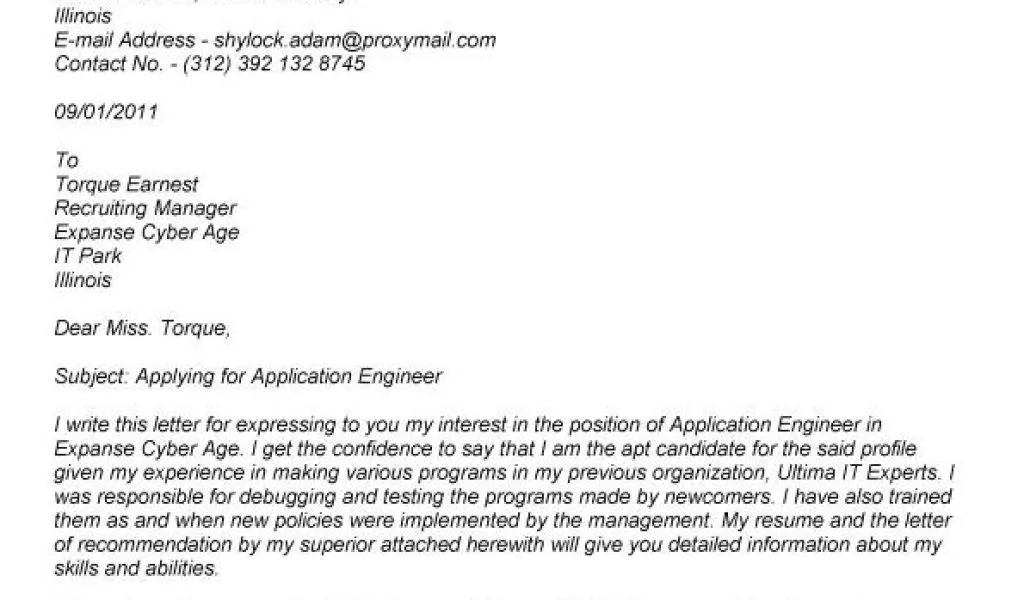
Why Cover Letters Still Matter
In a digital age where resumes often take center stage, the cover letter might seem like a relic of the past. However, its importance remains steadfast, serving as your first interaction with a potential employer and a crucial opportunity to showcase your personality, passion, and suitability for the role. While resumes offer a snapshot of your skills and experience, cover letters allow you to paint a vivid picture of who you are, what motivates you, and why you are the perfect fit for their organization. It’s your chance to go beyond the bullet points and explain the context, adding depth and color to your professional narrative. Cover letters are a powerful tool that sets the stage for your resume to shine, providing the hiring manager with compelling reasons to delve deeper into your qualifications. They humanize your application, allowing you to build a connection before you even get to the interview stage. A well-crafted cover letter can be the determining factor in whether your application makes it to the next round, and therefore, the time and effort invested in it can significantly impact your job search success.
Highlighting Your Key Skills and Experience
Your cover letter is a platform to showcase the skills and experience that make you an ideal candidate. However, it’s not enough to simply list your qualifications; you must demonstrate how those skills align with the specific requirements of the job. Carefully review the job description, identifying the key skills and experiences the employer is seeking. Then, use your cover letter to highlight instances where you’ve successfully utilized those skills in previous roles or projects. Quantify your achievements whenever possible, using numbers and data to illustrate the impact you’ve made. For example, instead of saying “Managed social media campaigns,” you could say “Managed social media campaigns, increasing follower engagement by 30% and website traffic by 15%.” This level of detail adds credibility and demonstrates your ability to deliver tangible results. Furthermore, tailor your examples to match the specific needs of the role. This shows that you understand what the employer is looking for and that you have the relevant experience to excel in the position.
Tailoring Your Cover Letter to the Job Description

One of the biggest mistakes applicants make is sending a generic cover letter that doesn’t address the specifics of the job. Employers can easily spot these impersonal applications, and they often end up in the rejection pile. Instead, take the time to tailor each cover letter to the specific job you’re applying for. Start by carefully reading the job description, paying close attention to the required skills, responsibilities, and qualifications. Then, use the cover letter to demonstrate how your skills and experience align with those specific requirements. Mention the company’s name and the position you’re applying for in the opening paragraph. This shows that you’ve done your research and are genuinely interested in the role. Refer to specific aspects of the job description throughout your letter, using keywords and phrases from the original posting. This demonstrates that you understand the role and are a good fit. Customize your examples to match the job requirements, highlighting the most relevant aspects of your experience and how you can contribute to the company’s success.
Researching the Company and Showing Genuine Interest
A cover letter isn’t just a document; it’s an opportunity to connect with the company and demonstrate your enthusiasm for their mission and values. Before you start writing, research the company thoroughly. Visit their website, read their “About Us” section, and browse their social media profiles. Learn about their products or services, their target market, and their recent achievements. This research will provide you with valuable insights to include in your cover letter. In your letter, mention specific aspects of the company that resonate with you. This could be their commitment to innovation, their company culture, or their impact on the industry. Explain why you’re excited about the opportunity to work for them and how your skills and experience align with their goals. Showing genuine interest in the company makes you stand out from other applicants. It indicates that you’re not just looking for any job but that you’ve taken the time to consider whether the company is a good fit for you.
Proofreading and Editing Your Cover Letter
Even the most well-written cover letter can be undermined by careless errors. Typos, grammatical mistakes, and poor formatting can create a negative impression, suggesting that you’re not detail-oriented or that you don’t care enough to proofread your work. Before submitting your cover letter, take the time to proofread it carefully. Read it aloud to catch any awkward phrasing or grammatical errors. Use a grammar checker and spell checker to identify potential mistakes. Ask a friend, family member, or career counselor to review your cover letter as well. A fresh pair of eyes can often catch errors that you might have missed. Pay attention to the formatting of your cover letter. Ensure that the text is easy to read, with clear headings, appropriate spacing, and consistent fonts. A polished and error-free cover letter demonstrates professionalism and attention to detail. It assures the hiring manager that you are thorough, meticulous, and that you’ve taken the time and effort to present yourself in the best possible light. This final step can make a big difference in whether your application is selected.
Tips for Writing a Strong Opening

The opening paragraph of your cover letter is your chance to make a strong first impression. It should immediately capture the hiring manager’s attention and encourage them to read on. Avoid generic openings such as “I am writing to express my interest…” Instead, try to make your opening more engaging and specific. Consider starting with a compelling statement that highlights your unique value proposition. Mention where you saw the job posting and name the specific position you are applying for. If you know someone at the company, you can mention their name to provide a personal connection. Clearly state the role you’re applying for and briefly explain why you are interested in the opportunity. You can also include a brief summary of your most relevant qualifications or achievements. The goal is to create an opening that immediately grabs the reader’s interest and makes them want to learn more about you. A strong opening sets the tone for the rest of your cover letter and ensures that the hiring manager is engaged from the beginning. Think of it as the hook that will reel them in.
Structuring Your Cover Letter Effectively
A well-structured cover letter is easy to read and highlights your key qualifications and experiences in a clear, organized manner. Begin with a professional heading that includes your contact information and the date. Follow this with the hiring manager’s name and title, if known. Your opening paragraph should state the position you’re applying for and briefly explain why you are interested. In the body paragraphs, highlight your key skills and experiences, using specific examples to demonstrate your accomplishments. Tailor these examples to match the job description. Keep your paragraphs concise, and use clear and direct language. Break up large blocks of text to improve readability. Use bullet points to list your skills or achievements. In your closing paragraph, reiterate your interest in the role and express your gratitude for the opportunity. Include a call to action, such as stating that you look forward to hearing from them soon. Always proofread your cover letter to ensure that it flows logically and contains no errors. A well-structured cover letter shows the hiring manager that you have excellent communication skills and the ability to present information in an organized manner.
Common Mistakes to Avoid in Your Cover Letter
Several common mistakes can quickly disqualify your cover letter. Avoid sending a generic, mass-produced cover letter; always tailor your letter to the specific job and company. Do not simply rehash your resume in a different format. The cover letter should elaborate on your accomplishments and explain their relevance to the job. Be sure to proofread your letter carefully for typos, grammatical errors, and spelling mistakes. These errors can create a negative impression. Don’t use jargon or overly complex language. Keep your writing clear, concise, and easy to understand. Avoid negative language or complaining about previous employers or jobs. Focus on your strengths and accomplishments, and always present yourself in a positive light. Don’t exceed one page in length. Hiring managers often have a lot of applications to review, so it is important to be concise and get to the point quickly. Finally, avoid clichés and overused phrases. Strive for originality and authenticity to make a memorable impact.
Crafting a Compelling Closing Statement

The closing of your cover letter is your final opportunity to leave a lasting impression on the hiring manager. It should be as impactful as your opening, and it should encourage the reader to take action. Begin by reiterating your interest in the position and expressing your gratitude for the opportunity. Summarize your key qualifications and reiterate why you are a good fit for the role. Include a clear call to action. For instance, you can state that you are eager to discuss your qualifications further in an interview or that you are available for an interview at their earliest convenience. Express your enthusiasm and confidence in your ability to contribute to the company’s success. Include your contact information so that it’s easy for the hiring manager to reach you. Proofread your closing carefully to ensure that it’s professional and free of errors. A well-crafted closing statement provides a powerful conclusion to your cover letter, reinforcing your value as a candidate and increasing your chances of landing an interview.
Formatting Your Cover Letter for Maximum Impact
The formatting of your cover letter can significantly impact its readability and visual appeal. Use a professional font such as Times New Roman, Arial, or Calibri, with a font size between 10 and 12 points. Use standard margins (1 inch on all sides) and single-space your text, with a double space between paragraphs. Use clear headings to separate different sections of your letter, making it easy for the reader to navigate the content. Bold or underline important information such as your name, contact details, and the job title. Ensure consistency throughout your cover letter. If you use bullet points in one section, use them consistently throughout. Avoid using excessive colors, graphics, or unusual fonts. Keep your letter clean, simple, and professional. Ensure that your cover letter is easy to read on any device. Test your cover letter by sending it to yourself as an email attachment. A well-formatted cover letter demonstrates that you pay attention to detail and that you value professionalism. It makes your application more attractive and increases your chances of getting noticed.