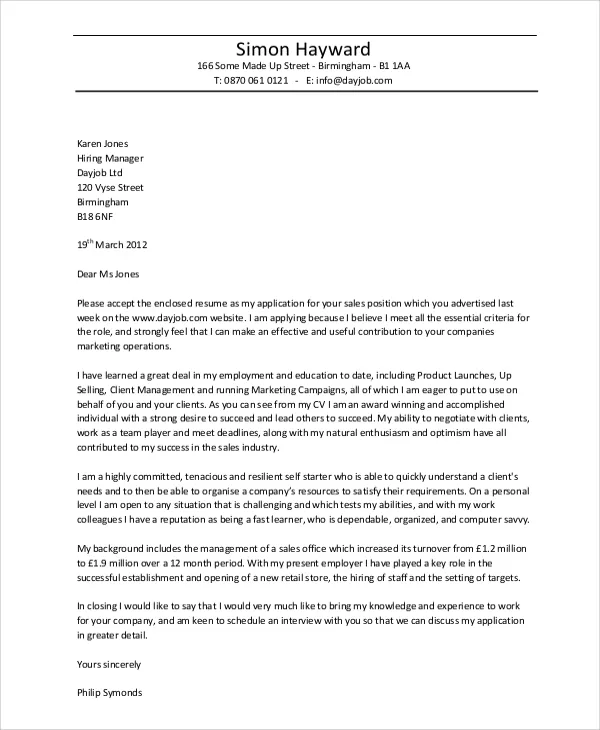
What is a Cover Letter
A cover letter is a crucial document that accompanies your resume when applying for a job. It serves as your personal introduction to the hiring manager, providing an opportunity to showcase your qualifications, skills, and enthusiasm for the position. Unlike a resume, which offers a factual overview of your experience, a cover letter allows you to express your personality, articulate your career goals, and explain why you are the ideal candidate for the specific role. It’s your chance to make a strong first impression and persuade the employer to read your resume and consider you for an interview. The best cover letters are tailored to each job application, demonstrating your genuine interest in the company and the position.
Cover Letter: Why It Matters
In today’s competitive job market, a well-crafted cover letter can significantly increase your chances of landing an interview. It allows you to provide context to your resume, highlighting relevant skills and experiences that directly align with the job requirements. Many hiring managers consider the cover letter to be as important as the resume, as it demonstrates your communication skills, attention to detail, and genuine interest in the opportunity. It also provides a space to explain any gaps in your employment history or career transitions. Additionally, a cover letter can differentiate you from other applicants by showcasing your unique value proposition and demonstrating your understanding of the company’s needs. In short, it’s an essential tool for making a positive first impression and securing an interview.
Cover Letter Essential Components

A compelling cover letter includes several key components that work together to make a strong impression. These include your contact information, the date, and the hiring manager’s name and title. The opening paragraph should capture the reader’s attention and clearly state the position you are applying for and how you found the listing. The body of the letter should highlight your relevant skills and experience, providing specific examples of your accomplishments and how they align with the job requirements. It is essential to demonstrate your knowledge of the company and its values. The concluding paragraph should reiterate your interest in the role, express your enthusiasm, and include a call to action, such as requesting an interview. Finally, it’s crucial to proofread the entire letter carefully for any errors in grammar or spelling, ensuring the letter reflects your professionalism.
Contact Information and Date
Begin your cover letter with your contact information at the top. This should include your full name, phone number, email address, and LinkedIn profile URL (optional). This information makes it easy for the hiring manager to reach you. Following your contact information, include the date you are sending the letter. This is standard practice for business correspondence and helps the employer keep track of when you applied. It’s a simple yet important detail that adds to the professionalism of your letter. Ensure your contact information is current and accurate to avoid any missed opportunities due to outdated details. Keep the format clean and easy to read for a polished look.
The Hiring Manager’s Name
Whenever possible, address your cover letter to a specific person, such as the hiring manager or the person responsible for reviewing applications. Research the company website or LinkedIn to find the name and title of the appropriate contact person. Addressing the letter to a specific individual shows that you’ve done your homework and are genuinely interested in the role. If you are unable to find a specific name, it is acceptable to use a general salutation like “Dear Hiring Manager” or “Dear [Department Name] Team.” Avoid generic greetings like “To Whom It May Concern,” as they can make your letter seem impersonal and less engaging. Using the correct name personalizes your letter and makes a better impression.
Opening Paragraph: Captivate the Reader

The opening paragraph is your opportunity to make a strong first impression and capture the reader’s attention. Start by clearly stating the position you are applying for and how you learned about the opportunity. Briefly mention what excites you about the role or the company. This demonstrates your enthusiasm and genuine interest. In the opening, you can also provide a brief overview of your most relevant qualifications or experience to entice the reader to continue reading. Avoid generic openings like “I am writing to express my interest…” Instead, aim for an engaging and concise statement that immediately grabs the hiring manager’s attention. A well-crafted opening will set the tone for the rest of your letter and encourage the reader to learn more about your candidacy.
Highlighting Your Skills and Experience
The body of your cover letter should highlight your skills and experiences that align with the job requirements. Review the job description carefully and identify the key skills and qualifications the employer is seeking. Then, use specific examples from your work history to demonstrate how you possess those skills. Provide concrete examples of your accomplishments and quantify your results whenever possible. Focus on achievements rather than just listing your responsibilities. Use action verbs to describe your contributions and tailor your examples to the specific needs of the role. By providing compelling evidence of your abilities, you can demonstrate your value and convince the hiring manager that you are the ideal candidate.
Tailoring Your Cover Letter
One of the most critical aspects of writing an effective cover letter is tailoring it to each specific job you apply for. Avoid using a generic template; instead, customize your letter to reflect the unique requirements of each position. Start by carefully reviewing the job description and identifying the key skills, qualifications, and responsibilities. Then, highlight the relevant experiences and skills that demonstrate your ability to meet those requirements. Research the company and understand its values, mission, and culture. Show how your skills and experience align with the company’s goals and how you can contribute to its success. By tailoring your cover letter, you can demonstrate your genuine interest in the role and make a stronger impression on the hiring manager. Be sure to change any company names or job titles, showing the level of attention to details.
How to Match the Job Description

Successfully matching your cover letter to the job description involves carefully analyzing the requirements and highlighting the relevant skills and experiences. Start by identifying the keywords and phrases used in the job posting. These are the terms the employer considers most important. Then, incorporate these keywords into your cover letter, using them naturally and strategically. Provide specific examples of how you have demonstrated those skills in your previous roles. Quantify your accomplishments whenever possible, providing data and metrics to showcase your impact. Ensure your cover letter reflects the language and tone of the job description. This demonstrates that you understand the role and the company’s expectations. By carefully aligning your cover letter with the job description, you can increase your chances of getting noticed and securing an interview.
Quantifiable Achievements
Quantifying your achievements in your cover letter is a powerful way to demonstrate your value and make a lasting impression on the hiring manager. Instead of simply stating your responsibilities, provide specific examples of your accomplishments and quantify your results whenever possible. Use numbers and metrics to showcase your impact. For example, instead of saying “Improved customer satisfaction,” say “Increased customer satisfaction by 15% through implementing a new feedback system.” By providing concrete evidence of your achievements, you can effectively communicate your skills and abilities. Quantifiable achievements make your claims more credible and help the hiring manager understand the value you can bring to the role. Be specific and provide measurable results to highlight your impact.
Concluding Your Cover Letter
The concluding paragraph is your final opportunity to leave a positive impression. Reiterate your interest in the position and express your enthusiasm for the opportunity. Briefly summarize your key qualifications and highlight how your skills and experience align with the job requirements. Include a call to action, such as requesting an interview or expressing your willingness to discuss your qualifications further. Thank the hiring manager for their time and consideration. Keep your conclusion concise and professional, reiterating your interest and making it clear that you are eager to move forward in the hiring process. Ending your cover letter on a positive note can increase your chances of receiving an interview.
Call to Action

Including a call to action in your cover letter is essential for encouraging the hiring manager to take the next step. In the concluding paragraph, clearly state what you want the reader to do, such as requesting an interview. Express your willingness to discuss your qualifications further or provide additional information. Make it easy for the hiring manager to contact you by including your phone number and email address. Keep your call to action clear, concise, and direct. Avoid being passive; instead, actively encourage the reader to take the next step in the hiring process. A strong call to action can increase your chances of securing an interview and moving forward with your application.
Proofreading and Formatting
Proofreading and formatting your cover letter are crucial steps to ensure it is professional and error-free. Carefully proofread your letter for any errors in grammar, spelling, and punctuation. Typos and grammatical errors can create a negative impression, so take the time to review your letter thoroughly. Use a clean and easy-to-read font, such as Times New Roman or Arial, and maintain consistent formatting throughout the document. Pay attention to margins, spacing, and alignment. Ensure that your letter is well-organized and visually appealing. It’s also helpful to have someone else review your cover letter for any errors you might have missed. Proofreading and formatting your cover letter demonstrates your attention to detail and professionalism, which are essential qualities in the job market.
Cover Letter Dos and Don’ts
To craft an effective cover letter, it’s important to follow certain guidelines. Here are some of the main dos and don’ts to consider. Do tailor your letter to each job, highlight your relevant skills and experiences, and quantify your achievements. Do keep your letter concise and focused, proofread carefully, and use a professional tone. On the other hand, avoid using generic templates, making grammatical errors, and rambling. Do not simply restate your resume; instead, provide context and demonstrate your enthusiasm. Avoid being negative or making excuses. By following these guidelines, you can create a cover letter that effectively showcases your qualifications and increases your chances of landing an interview. Using a well written and formatted cover letter is the first step in the door.