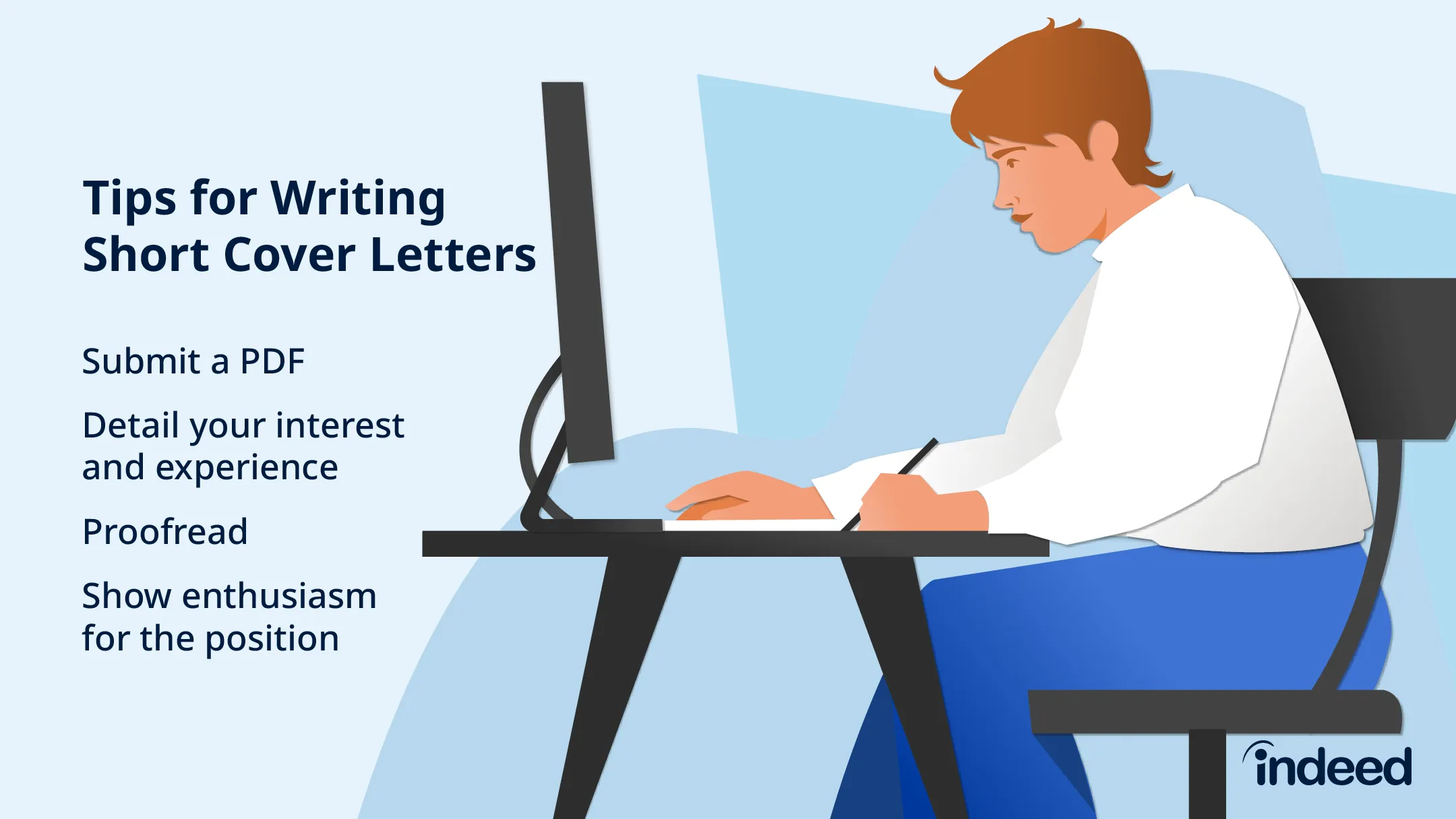
Why You Need a Good Cover Letter
In today’s competitive job market, a good cover letter is no longer optional—it’s essential. It serves as your personal introduction to a potential employer, providing an opportunity to go beyond the confines of your resume and showcase your personality, enthusiasm, and unique qualifications. A well-crafted cover letter can significantly increase your chances of landing an interview by highlighting your most relevant skills and experiences. It allows you to connect with the hiring manager on a more personal level, demonstrating that you understand the role and are genuinely interested in the company. In a stack of applications, a compelling cover letter can make you stand out and leave a lasting impression, ultimately leading to that coveted job offer.
Grabbing Attention
The first few sentences of your cover letter are crucial. They need to immediately grab the reader’s attention and make them want to learn more. Avoid generic openings like ‘I am writing to apply for the position…’ Instead, start with a compelling hook. Consider mentioning a mutual connection, referencing something specific about the company that excites you, or highlighting a relevant achievement. A strong opening sets the tone for the rest of the letter and encourages the hiring manager to continue reading. Ensure your opening statement reflects your personality and passion for the role and the company, creating an immediate connection and setting you apart from other applicants.
Highlighting Key Skills

Your cover letter is an opportunity to emphasize the skills and experiences most relevant to the job you’re applying for. Review the job description carefully and identify the key skills and qualifications the employer is seeking. Then, provide specific examples of how you have demonstrated those skills in previous roles or projects. Use action verbs to describe your accomplishments and quantify your results whenever possible. This could involve mentioning how you increased sales, improved efficiency, or led a successful team. By providing concrete examples, you show the hiring manager that you not only possess the required skills but have also used them effectively in a real-world setting, demonstrating your value and potential contributions to their team.
Tailoring to the Job
A generic cover letter will not make a good impression. Instead, customize each cover letter to match the specific requirements and culture of each company and role. Research the company and the specific position thoroughly. Understand their mission, values, and the challenges they face. Then, tailor your letter to address how your skills and experience align with their needs. Show that you’ve taken the time to understand the role and the company and that you genuinely believe you can contribute to their success. Customizing your letter demonstrates your attention to detail and genuine interest in the opportunity, increasing your chances of getting noticed.
Show, Don’t Tell
Instead of simply stating that you have certain skills, show the hiring manager how you’ve used them. Provide specific examples that demonstrate your abilities. For example, instead of saying ‘I am a strong communicator,’ describe a situation where you successfully presented a complex project to a team or resolved a conflict through clear and effective communication. This approach is far more impactful than making general claims. By providing concrete examples, you give the hiring manager tangible evidence of your skills and abilities, making your claims more credible and memorable, and reinforcing your value as a potential candidate.
Formatting and Length

Keep your cover letter concise and easy to read. Aim for a length of one page, divided into a few short paragraphs. Use a professional and readable font like Arial or Times New Roman, with a font size between 10 and 12 points. Use clear headings and bullet points to break up large blocks of text and make it easier for the hiring manager to scan the document. Ensure proper spacing between paragraphs and margins. A well-formatted cover letter shows that you are organized and pay attention to detail, both valuable qualities in the workplace. A well-structured and visually appealing cover letter demonstrates professionalism and respect for the reader’s time, encouraging them to read it thoroughly.
Proofreading is Key
Before submitting your cover letter, carefully proofread it for any errors in grammar, spelling, and punctuation. Errors can create a negative impression and undermine your credibility. Use spell check and grammar check tools, but also read the letter aloud to catch any mistakes you may have missed. Consider having a friend or family member review your letter as a fresh pair of eyes can often spot errors you might overlook. Ensure your letter is error-free to demonstrate your attention to detail and professionalism, showing that you care about presenting yourself in the best possible light. A polished cover letter reflects well on you and increases your chances of being taken seriously.
The Perfect Closing
Your closing should reiterate your interest in the position and express your enthusiasm for the opportunity. Thank the hiring manager for their time and consideration. Clearly state your willingness to provide any additional information or references. Include a call to action, such as ‘I look forward to hearing from you’ or ‘I am eager to discuss how my skills can benefit your team.’ End with a professional closing, such as ‘Sincerely’ or ‘Best regards,’ followed by your name and contact information. A strong closing leaves a positive final impression and encourages the hiring manager to take the next step in the hiring process.
Following Up

After submitting your cover letter and resume, it is sometimes appropriate to follow up with the hiring manager. Send a polite email or make a brief phone call a week or two after submitting your application to reiterate your interest in the position and inquire about the status of your application. Keep the follow-up concise and professional, reminding the hiring manager of your key qualifications and expressing your continued enthusiasm for the opportunity. This demonstrates your proactiveness and persistence and keeps you top of mind. However, avoid excessive follow-up, as this could be perceived as annoying. Use your best judgment and research the company’s culture regarding follow-ups.
Final Thoughts
Writing a good cover letter is an art, requiring careful attention to detail, customization, and a genuine desire to showcase your skills and qualifications. By following these top 7 tips—grabbing attention, highlighting key skills, tailoring to the job, showing instead of telling, formatting correctly, proofreading meticulously, and crafting a perfect closing—you can significantly increase your chances of landing an interview. Remember, your cover letter is your opportunity to make a strong first impression, set yourself apart from other candidates, and demonstrate your value to a potential employer. Take the time to craft a compelling and personalized cover letter for each job application, and you’ll be well on your way to securing your dream job. Good luck!