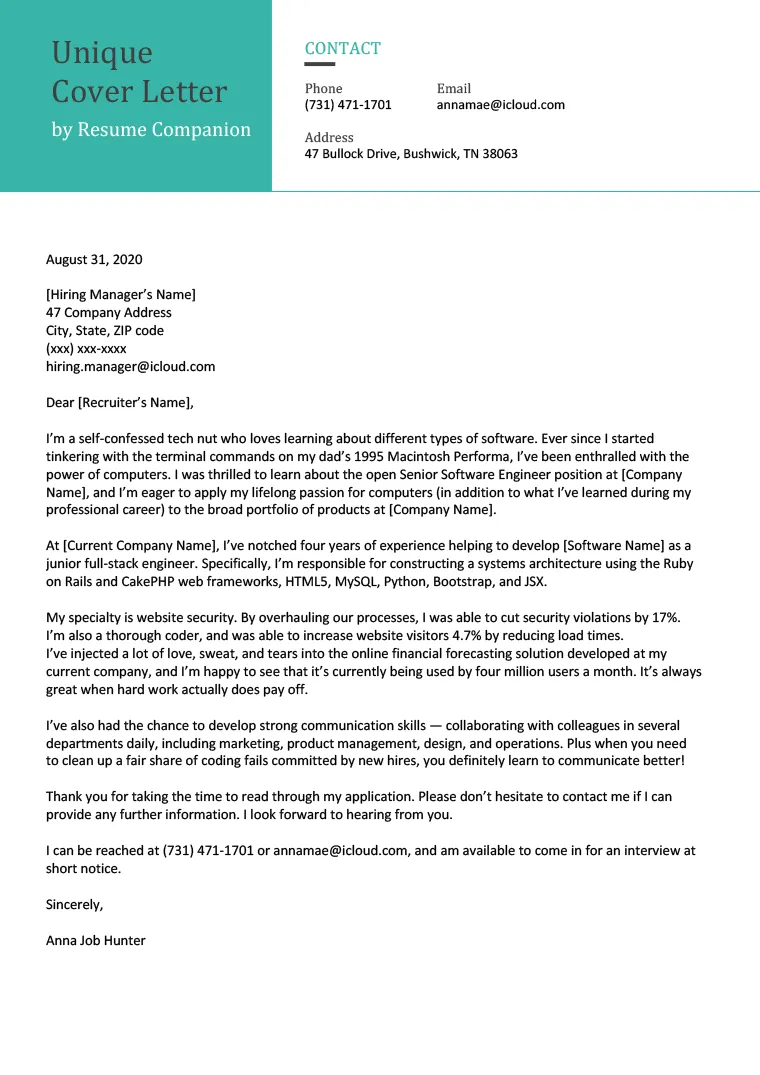
What is a Cover Letter
A cover letter is a crucial document accompanying your resume when applying for a job. It serves as your first introduction to a potential employer, offering a personalized glimpse into your professional self. Unlike a resume, which provides a summary of your skills and experience, a cover letter allows you to expand on these qualifications, providing context and demonstrating your genuine interest in the specific role and company. It’s an opportunity to make a strong first impression and showcase why you are the perfect fit for the position. A well-crafted cover letter highlights your unique value proposition and sets the stage for a more in-depth conversation during an interview.
Why Write a Cover Letter
Writing a cover letter is not just a formality; it’s a strategic move in your job search. While your resume lists your qualifications, a cover letter explains them, connecting your skills and experiences directly to the job’s requirements. It allows you to showcase your communication skills, express your understanding of the company, and convey your enthusiasm for the role. Many hiring managers consider a cover letter essential, viewing it as a reflection of your writing ability and your commitment to the application process. Submitting a cover letter demonstrates your attention to detail and your eagerness to go the extra mile. Furthermore, a compelling cover letter can differentiate you from other candidates, increasing your chances of securing an interview and ultimately, the job.
Key Components of a Cover Letter

A well-structured cover letter typically includes several key components. These elements work together to create a compelling and effective document that highlights your qualifications and enthusiasm for the role. The essential parts include a header with your contact information, a personalized greeting, an engaging opening paragraph, a body that emphasizes your relevant skills and experiences, a closing paragraph with a clear call to action, and a professional closing. Adhering to this structure ensures that you present a cohesive and impactful message, increasing the likelihood of a positive response from the hiring manager. Remember to proofread your cover letter carefully to avoid errors and maintain a professional tone throughout.
Header Section
The header section of your cover letter should include your contact information, mirroring the format on your resume for consistency. This typically includes your full name, phone number, professional email address, and, optionally, a link to your LinkedIn profile. Ensure that all information is current and easily accessible. The header should be clean and well-formatted, using a clear font and appropriate font size (10-12 points). A well-designed header is a crucial detail that adds to the overall professionalism of your application, making it easy for the hiring manager to contact you should they be interested in your qualifications.
Greeting the Hiring Manager
Personalizing your greeting is a critical step in making a positive first impression. Whenever possible, address your cover letter to a specific person. Research the hiring manager’s name through LinkedIn or the company website. A personalized greeting, such as “Dear Mr. / Ms. [Last Name],” demonstrates that you have taken the initiative to research the company and that you are genuinely interested in the position. If you are unable to find a specific name, use a professional greeting like “Dear Hiring Manager.” Avoid generic greetings like “To Whom It May Concern,” as these can make your letter seem impersonal. Using the correct name builds rapport and makes your letter more engaging. This detail significantly impacts how the hiring manager perceives your application.
Body Paragraph 1 Grab Their Attention

The opening paragraph is your chance to immediately capture the hiring manager’s attention. Start by clearly stating the position you are applying for and where you discovered the job posting. Then, succinctly express your interest in the role and the company, demonstrating genuine enthusiasm. Consider including a compelling sentence that highlights your key accomplishments or skills that directly align with the job requirements. Your opening should be concise, enthusiastic, and tailored to the specific job. The ultimate goal is to convey your value and make the hiring manager eager to learn more about your qualifications and experience, encouraging them to read further.
Body Paragraph 2 Highlight Relevant Skills
The second paragraph should provide specific examples of how your skills and experiences directly match the job’s requirements. Carefully analyze the job description and identify the key skills and qualifications the employer is seeking. Use the STAR method (Situation, Task, Action, Result) to effectively describe your accomplishments. For instance, you can describe the situation you faced, the task you were assigned, the actions you took to address it, and the positive results you achieved. Quantify your achievements whenever possible to make your claims more concrete and impactful. Instead of saying “improved customer satisfaction,” state “increased customer satisfaction scores by 15%.” This paragraph should demonstrate that you possess the skills and experience necessary to excel in the role.
Body Paragraph 3 Show Your Enthusiasm
In the third paragraph, showcase your genuine enthusiasm for the company and the specific opportunity. Explain why you are interested in working for them, highlighting what you admire about their mission, values, or products. Mention specific aspects of the company that resonate with you and align with your own professional goals. You can also reiterate your key skills and explain how they align with the company’s objectives. This is your chance to demonstrate that you understand the company’s culture and that you would be a good fit for the team. Expressing your passion and excitement will leave a lasting and positive impression on the hiring manager.
Call to Action

The closing paragraph should include a clear and concise call to action. Express your keen interest in an interview and explicitly state that you look forward to discussing your qualifications in more detail. Thank the hiring manager for their time and consideration. It’s a good practice to include your phone number and email address once more in your closing, ensuring that the hiring manager can easily contact you. Keep your tone positive, confident, and professional. The goal is to make it effortless for the hiring manager to take the next step in the hiring process, increasing your chances of moving forward.
Closing the Cover Letter
Choose a professional closing to end your cover letter, such as “Sincerely,” “Best regards,” or “Thank you.” Avoid using overly casual closings, as they can undermine your professional image. Make sure your name is typed below your chosen closing. If you are submitting a physical cover letter, leave space above your typed name for your signature. Your closing should be consistent with the overall tone of your letter. Your signature and closing statement leave the final impression, so ensure they reflect your professionalism and genuine interest in the position and the company. This final touch reinforces your commitment.
Proofreading Your Cover Letter
Proofreading is a critical step in ensuring your cover letter is polished and professional. Carefully review your cover letter for any grammatical errors, spelling mistakes, and typos. Read it aloud to catch any awkward phrasing or unclear sentences. Consider asking a friend, family member, or career advisor to proofread your letter as well. Fresh eyes can often identify mistakes that you might have missed. Ensure consistent formatting throughout the document. A well-proofread cover letter demonstrates your attention to detail and your commitment to producing high-quality work. It reflects your professionalism and should be completely free of errors. Always double-check your contact information to ensure it is accurate.
Common Mistakes to Avoid

Avoid making common mistakes that can negatively impact your application. Do not use generic cover letters; personalize each one for the specific job and company. Avoid typos, grammatical errors, and overly long paragraphs. Refrain from using overly casual language or slang. Do not focus solely on what you want from the job; instead, emphasize what you can bring to the company and how your skills align with their needs. Make sure that your cover letter and resume are consistent in terms of design, formatting, and the information presented. Avoid using negative language or criticizing previous employers. Keeping these tips in mind will help you craft a cover letter that effectively presents you as an ideal candidate, significantly improving your chances of securing an interview and ultimately, the job you desire.