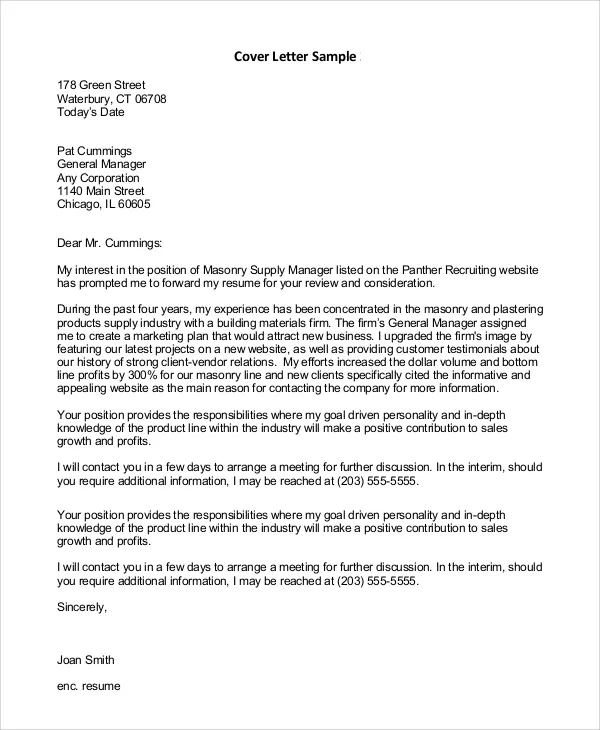
What is a Cover Letter
A cover letter is a crucial document that accompanies your resume when applying for a job. Think of it as your personal introduction to a potential employer, a chance to showcase your personality, enthusiasm, and qualifications beyond the confines of your resume. It serves as a bridge, connecting your skills and experience to the specific requirements of the job. A well-crafted cover letter is not just a formality; it’s a strategic tool that can significantly increase your chances of landing an interview. It demonstrates your communication skills, your understanding of the role, and your genuine interest in the company. Neglecting this important part of the application process could mean missing out on opportunities. In essence, a great cover letter is a carefully worded sales pitch tailored to the job you are applying for.
Why Cover Letters are Important
In today’s competitive job market, a cover letter can be the deciding factor in whether your application gets noticed. It allows you to elaborate on your resume, providing context and highlighting the most relevant aspects of your experience. Recruiters often use cover letters to assess your writing skills, attention to detail, and communication abilities. Furthermore, it allows you to personalize your application, showing that you’ve taken the time to research the company and understand the specific role. It’s an opportunity to showcase your personality and explain why you’re the perfect fit. The cover letter helps you explain any gaps in your employment history or career changes, providing a narrative that the resume alone cannot convey. By addressing the specific requirements of the job description and demonstrating your enthusiasm, you create a compelling case for why you deserve an interview, making a strong first impression that sets you apart from other applicants.
Key Components of a Cover Letter

A well-structured cover letter follows a clear format, ensuring that your message is easy to read and understand. Each component plays a vital role in presenting a professional and persuasive application. The key elements include a header with your contact information and the employer’s details, a formal salutation, well-written body paragraphs that highlight your skills and experience, and a strong closing with a call to action. Proper formatting is crucial; using professional fonts and avoiding errors ensures that your application is polished and reflects your attention to detail. Following a standard structure makes it easier for recruiters to quickly grasp the key information you’re trying to convey. Remember that the goal is to create a concise and impactful letter that grabs the reader’s attention and encourages them to learn more about you.
Header
The header sets the professional tone of your cover letter, providing essential contact information for both you and the employer. This section ensures that the recipient can easily reach you and that your letter looks polished. The header typically includes your name, address, phone number, and email address, all neatly aligned. Ensure that your email address sounds professional. Below your information, you should include the date, followed by the employer’s name, job title, company name, and address. This organized presentation of information shows your attention to detail and makes it easy for the hiring manager to find your contact details and identify the recipient of the letter. The header’s appearance is simple, and easy to navigate, reflecting your commitment to professionalism.
Your Contact Information
Start with your full name, making it the most prominent element. Include your current address, ensuring it is accurate. Provide a reliable phone number where you can be reached promptly. A professional-sounding email address is also a must-have; avoid using informal nicknames or inappropriate handles. By clearly providing these details, you make it easy for the employer to contact you for an interview or further inquiries. Double-check all the information to avoid any typos or errors, as even minor mistakes can impact your credibility. Ensure all your details are current and accessible, reflecting your readiness for the application process. Using a clean and organized format will make your contact information stand out and appear professional.
Date

Below your contact details, include the current date. This helps establish when you sent your application, providing a reference point for the employer. The date should be formatted consistently with your region’s standard, ensuring clarity and professionalism. Generally, the date format is written out fully (e.g., January 1, 2024) to avoid any confusion. Place the date just above the employer’s contact information. This simple inclusion shows your attention to detail and helps keep your application organized. The date also allows the employer to track when they received the application. Always ensure that the date is current and accurate, as this reflects your commitment to the application process.
Employer’s Contact Information
Below the date, include the hiring manager’s name and title (if known), the company name, and the company’s address. This shows you’ve taken the time to find the correct recipient. If you don’t know the hiring manager’s name, research the company’s website or LinkedIn. Using a specific name (rather than a generic title) personalizes your letter and shows you’ve done your homework. This level of personalization demonstrates your interest in the role and your attention to detail. Always verify the accuracy of the information, as using incorrect details can negatively affect your application. The inclusion of correct employer contact details is a sign of your professionalism and preparation, which makes a positive impression on the hiring team.
Salutation
The salutation sets the tone for the rest of your cover letter, so it’s important to get it right. If possible, use the hiring manager’s name followed by “Dear Mr./Ms./Mx. [Last Name]:”. Using a person’s name immediately personalizes the letter. If you’re unsure of the hiring manager’s name, the best option is to use “Dear Hiring Manager,” which is still more personal than a generic greeting. Avoid informal greetings like “Hi” or “Hello,” as they are less professional. Ensure you spell the name correctly; this shows respect. The salutation should be followed by a colon, setting up the body of your letter. Always try to find the hiring manager’s name to make a more personal connection.
Body Paragraphs

The body of your cover letter is where you make your case for why you’re the right fit for the job. This section needs to be compelling and concise, showcasing your skills and experiences in a way that aligns with the job description. Each paragraph should serve a specific purpose, contributing to the overall narrative of your qualifications and enthusiasm. Focus on quality over quantity, ensuring each sentence adds value to your argument. Be clear, specific, and engaging; avoid vague statements. The body of your letter should highlight your accomplishments, quantify your achievements whenever possible, and tailor your message to the company’s needs. A well-written body section is what truly convinces the hiring manager to consider you for an interview.
First Paragraph
The first paragraph serves as your introduction, capturing the hiring manager’s attention and stating the purpose of your letter. Begin by mentioning the specific position you are applying for and how you learned about it (e.g., “I am writing to express my interest in the Marketing Manager position advertised on LinkedIn.”). Briefly mention what excites you about the opportunity or company. You can also include a brief, compelling statement about your key qualifications. This is your opportunity to create a positive first impression and to make the reader want to learn more. Keep it brief and to the point, and make sure your enthusiasm shines through. State the position clearly. It is important to convey your sincere interest in the job from the start.
State your Purpose
Clearly state the position you are applying for and where you saw the job posting. This helps the recruiter quickly understand the context of your application. Mention the specific job title and any unique job ID or reference number. Briefly highlight your strongest qualifications or skills that match the job requirements. This shows the recruiter that you understand the needs of the role. Show enthusiasm and mention why you’re interested in the company and the role. Starting your cover letter with a clear statement of purpose immediately focuses the recruiter’s attention on the most important information, setting a positive tone and ensuring that the reader knows exactly what your application is about.
Second Paragraph

The second paragraph should highlight your relevant skills and experiences, demonstrating how they align with the job requirements. Select 2-3 key skills or experiences mentioned in the job description and provide specific examples of how you have utilized them in previous roles. Quantify your achievements whenever possible. For instance, instead of saying “Managed social media,” say “Increased social media engagement by 30% in six months.” This is where you connect your resume to the job requirements. Use action verbs and focus on what you accomplished. This shows that you possess the qualities sought by the employer. Show the value you will bring to the company. Use concrete examples that support your claims.
Highlight Relevant Skills
Identify the key skills and experiences that the employer seeks, as outlined in the job description. Discuss how your skills match the job’s requirements. Provide examples of your past accomplishments to demonstrate these skills, using the STAR method (Situation, Task, Action, Result) to provide context. Quantify your achievements with data or statistics to make your impact clear, showing you can provide value from day one. By aligning your skills with the job’s requirements, you demonstrate that you are well-prepared and have a good understanding of the role. Focus on the most relevant information to capture the employer’s attention.
Third Paragraph
The third paragraph should express your enthusiasm for the opportunity and company. Explain why you’re interested in working for them specifically. Discuss the company’s mission, values, or recent achievements that resonate with you. Show that you’ve researched the company and understand their goals and culture. This shows that you’re not just looking for any job but are genuinely interested in their company and its mission. Convey your passion for the role and how you see yourself contributing to the team. Be specific in your expression of interest, mentioning aspects of the company that particularly appeal to you. A display of genuine enthusiasm demonstrates your long-term interest in the role, reflecting that you’ve put effort into researching the company.
Express Enthusiasm

Express your genuine enthusiasm for the position and the company. Mention what specifically interests you about the role, such as the responsibilities, challenges, and opportunities. Show that you have researched the company. Discuss their mission, values, or recent achievements. Explain how your career goals align with the company’s objectives, demonstrating a long-term interest. By combining your enthusiasm with evidence, you will show the hiring manager that you are committed to your new role and excited about the possibility of joining the team. This will make your application stand out.
Closing
The closing paragraph of your cover letter should reiterate your interest in the position and provide a clear call to action. It’s your final opportunity to leave a strong impression. Thank the reader for their time and consideration. Reiterate your enthusiasm for the opportunity. In the closing, emphasize the value you will bring to the role and express your eagerness to discuss your qualifications further. It is a good practice to restate the key points of the job. The closing section should be polished and professional, preparing the reader to take the next step in the hiring process.
Call to Action
Clearly state your next steps and express your availability. Encourage the hiring manager to contact you for an interview or further discussion. Include a statement like, “I am eager to discuss my qualifications further and can be reached at [phone number] or [email address].” Be sure to thank the hiring manager for their time and consideration. Make it easy for them to move forward with your application, encouraging them to take action by providing contact information. A strong call to action ensures your application is proactive.
Complimentary Close

End your cover letter with a professional closing. Use phrases such as “Sincerely,” “Best regards,” or “Thank you for your consideration.” Ensure the closing aligns with the overall tone of the letter, which should be professional and respectful. Following your closing, leave space for your signature (if printing a hard copy), and then type your full name. The complimentary close should be formal and polite, leaving a lasting positive impression.
Proofreading and Formatting Tips
Proofreading and formatting are crucial steps in ensuring your cover letter looks professional. Before sending your application, meticulously check for grammatical errors, typos, and formatting inconsistencies. Read your cover letter multiple times, or ask someone else to review it for you. Pay close attention to the overall layout, ensuring it’s clean and easy to read. Use a professional font such as Times New Roman, Arial, or Calibri, and maintain consistent font sizes and spacing throughout. Ensure all sections are clearly separated and that the text is well-aligned. Double-check that your contact information is accurate and up-to-date. Correct formatting reflects your attention to detail.
Example Cover Letter
Use the following as a basic cover letter example and adapt the content accordingly. Remember to customize it for each job application.
[Your Name] [Your Address] [Your Phone Number] [Your Email]
[Date]
[Hiring Manager Name] [Hiring Manager Title] [Company Name] [Company Address]
Dear [Mr./Ms./Mx. Last Name],
[First paragraph: State the position you are applying for and where you saw the job posting. Mention what excites you about the opportunity.]
[Second paragraph: Highlight relevant skills and experience, giving examples and quantifying achievements.]
[Third paragraph: Express enthusiasm for the opportunity and company.]
Sincerely, [Your Typed Name]