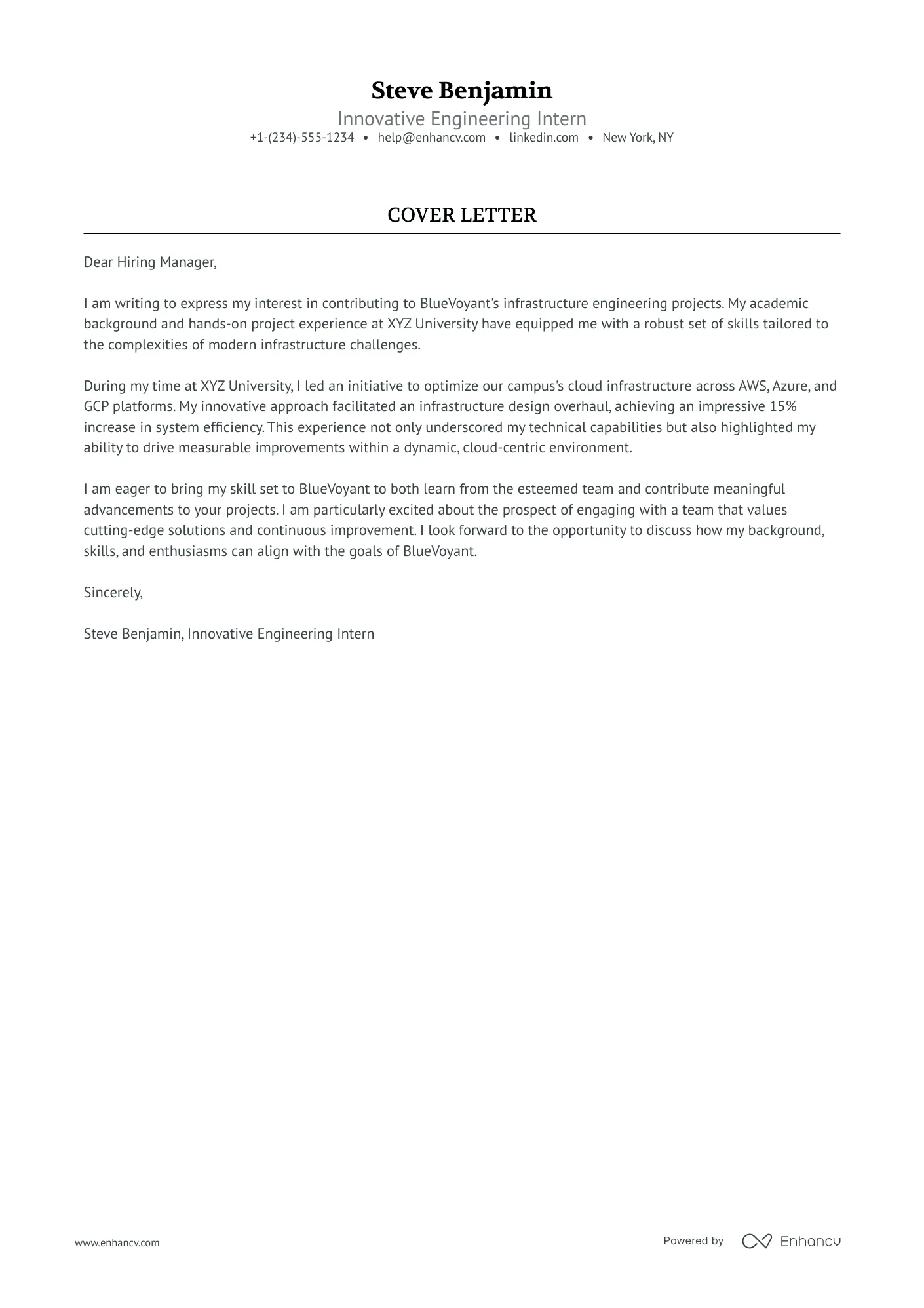
What is an Engineering Cover Letter?
An engineering cover letter is a crucial document that accompanies your resume when applying for engineering positions. It serves as a personalized introduction, allowing you to elaborate on your skills, experiences, and motivations in a way that a resume cannot. Unlike a resume, which provides a snapshot of your qualifications, a cover letter gives you the opportunity to showcase your personality, communication skills, and enthusiasm for the specific role and company. It’s your chance to make a strong first impression and persuade the hiring manager that you’re the ideal candidate for the job. A well-crafted cover letter can significantly increase your chances of getting an interview, as it demonstrates your genuine interest and provides context to your resume’s contents.
Why Is a Strong Cover Letter Important for Engineers?
In the competitive field of engineering, a strong cover letter can set you apart from other applicants. It’s more than just a formality; it’s a powerful tool to highlight your unique qualifications and demonstrate your understanding of the specific job requirements. Engineers are often expected to have strong communication skills, and a well-written cover letter is a testament to your ability to articulate your ideas and present yourself professionally. It allows you to connect your skills and experiences directly to the employer’s needs, showing them how you can contribute to their team. A compelling cover letter shows that you’ve done your research, understand the company’s values, and are genuinely interested in the opportunity. It demonstrates your attention to detail, professionalism, and your commitment to excellence, all of which are highly valued in the engineering field.
5 Tips to Succeed in Engineering Cover Letters

Creating an effective engineering cover letter requires a strategic approach. Focusing on key elements can dramatically improve your chances of success. Below, we explore five essential tips to help you write a standout cover letter that grabs the attention of hiring managers and boosts your job application.
Tailor Your Letter to the Specific Job
Generic cover letters are easily spotted and often dismissed. Instead, customize each cover letter to the specific job you are applying for. Carefully review the job description and identify the key skills, experiences, and qualifications the employer is seeking. Then, in your cover letter, address these requirements directly. Explain how your skills and experiences align with the job’s needs and provide specific examples that demonstrate your abilities. Research the company’s values and mission, and show how your goals align with theirs. This level of personalization shows that you’ve taken the time to understand the opportunity and are genuinely interested in the role, significantly increasing your chances of success.
Highlight Relevant Skills and Experiences
Your cover letter is an excellent opportunity to elaborate on the skills and experiences you’ve listed in your resume. While your resume provides a brief overview, your cover letter should expand on your relevant qualifications. Focus on the skills that are most important for the job, such as problem-solving, technical proficiency, teamwork, and communication. Provide specific examples of how you’ve used these skills in past projects or roles. Describe the challenges you faced, the actions you took, and the results you achieved. This helps the hiring manager understand your capabilities and see how you can contribute to their team. For instance, if the job requires proficiency in a specific software, mention projects where you successfully used it, highlighting the outcomes and your role in achieving them.
Quantify Your Achievements with Data

Instead of simply listing your responsibilities, quantify your achievements to make a more compelling case. Use numbers, percentages, and data to demonstrate the impact of your work. For example, instead of saying “Improved efficiency,” state “Improved operational efficiency by 15% through the implementation of a new process.” When describing projects, include metrics like cost savings, time reduction, or performance improvements. Quantifiable results not only show your achievements but also provide concrete evidence of your abilities and the value you can bring to a new role. This approach makes your cover letter more persuasive and helps the hiring manager easily understand the value you offer. Always aim to use data wherever possible to support your claims and highlight your successes effectively.
Showcase Your Passion for Engineering
Hiring managers want to see that you are passionate about engineering. Your cover letter is the perfect place to express your enthusiasm for the field and the specific role you are applying for. Explain what excites you about the company, its projects, or its mission. Mention any specific technologies or areas of engineering that interest you and how they align with the job requirements. Share your career goals and how this opportunity fits into your long-term plans. Showcasing your passion demonstrates your commitment and increases your chances of making a positive impression. A genuine expression of enthusiasm can significantly differentiate you from other candidates and make your application more memorable.
Proofread and Polish Your Cover Letter
Attention to detail is crucial in engineering, and your cover letter is no exception. Proofreading and polishing your cover letter is essential to ensure that it is free of errors and presents you in the best possible light. Carefully check for any spelling, grammar, and punctuation mistakes. Read your letter aloud to catch any awkward phrasing or sentence structures. Have a friend, mentor, or career counselor review your cover letter for feedback. Ensure that the tone is professional, and the language is clear and concise. A well-polished cover letter shows that you pay attention to detail and take pride in your work. Even minor errors can undermine your credibility, so take the time to ensure your cover letter is flawless.
Common Mistakes to Avoid in Engineering Cover Letters
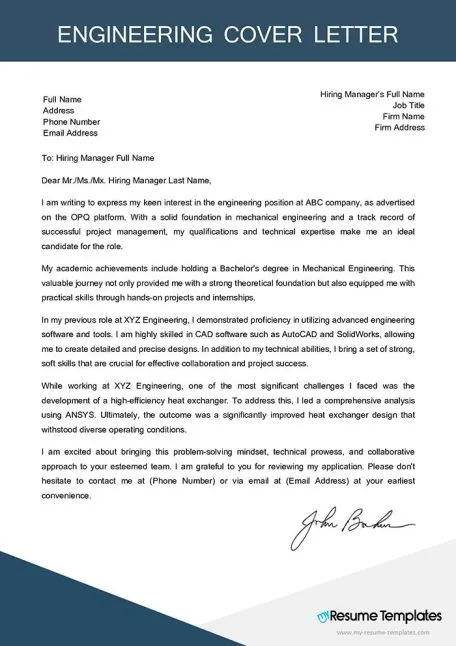
While crafting your cover letter, it’s important to be aware of common mistakes that can harm your chances of success. Avoiding these pitfalls can significantly improve the quality of your application and impress potential employers. Here are a few critical areas to watch out for.
Using Technical Jargon Inappropriately
While demonstrating your technical knowledge is important, using excessive or inappropriate technical jargon in your cover letter can be counterproductive. The hiring manager may not have the same technical background as you, and using highly specialized language can make your letter difficult to understand. Focus on communicating your ideas clearly and concisely, using technical terms only when necessary and ensuring that they are well-defined in the context of the letter. Tailor your language to the specific role and company, understanding that the level of technical detail required may vary. Aim to strike a balance between demonstrating your expertise and ensuring that your letter is accessible and engaging for the reader.
Making Generic Statements
Generic statements that could apply to any job application are a significant turnoff for hiring managers. Avoid using clichés or phrases that do not provide any specific information about your skills or experience. Instead, focus on demonstrating your understanding of the specific job requirements and how your qualifications align with them. Provide concrete examples of your achievements and the value you can bring to the company. Tailor your letter to the job and the company by showing that you have done your research and are genuinely interested in the opportunity. Customizing your letter shows that you have taken the time to understand the role and that you are committed to excelling in it, making your application more compelling than a generic one.
Failing to Show Enthusiasm

A lack of enthusiasm can be a major deterrent for hiring managers. Your cover letter is the perfect opportunity to express your excitement for the role and the company. Show your passion for engineering by mentioning specific projects, technologies, or areas of interest that align with the job requirements. Demonstrate your understanding of the company’s mission and values and how you can contribute to their success. Include a statement about why you are interested in the specific role and what you hope to achieve. Displaying genuine enthusiasm helps you to make a memorable impression and shows that you are not just looking for any job, but the right job for you. Showing enthusiasm is a key ingredient to making your cover letter stand out.
Conclusion Final Thoughts on Engineering Cover Letters
Writing a strong engineering cover letter is a critical step in your job application process. By following these tips, you can create a cover letter that highlights your skills, experiences, and passion for engineering, increasing your chances of landing an interview. Remember to tailor your letter to the specific job, showcase your achievements with data, and express your enthusiasm for the opportunity. Avoid common mistakes such as using generic statements or lacking enthusiasm. Take the time to proofread and polish your letter to ensure that it presents you in the best possible light. With a well-crafted cover letter, you can make a positive first impression and set yourself apart from other candidates in the competitive field of engineering.