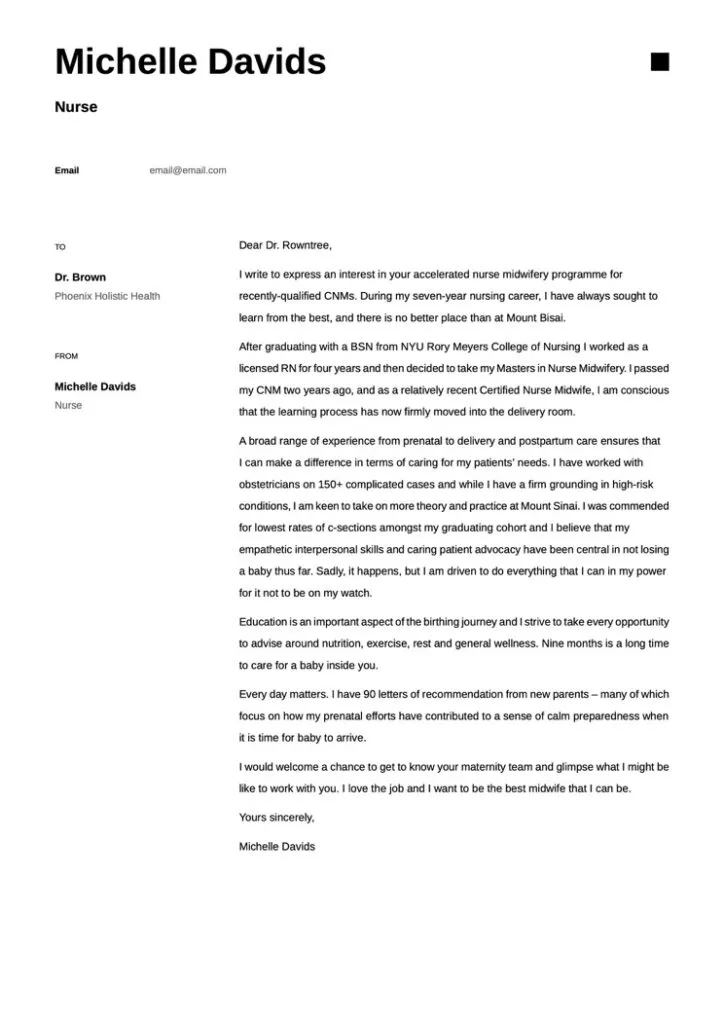
What Is an Employee Cover Letter
An employee cover letter is a formal document that accompanies your resume when you apply for a job. It serves as a personalized introduction to the hiring manager, providing context to your application and highlighting your qualifications, skills, and experience. Unlike a resume, which provides a factual overview of your work history, a cover letter allows you to elaborate on your achievements, express your interest in the specific role, and demonstrate how your skills align with the company’s needs. It’s an opportunity to showcase your personality and express your enthusiasm for the position, setting you apart from other applicants.
Why Is an Employee Cover Letter Important
A well-crafted employee cover letter can significantly increase your chances of getting noticed by employers. It allows you to make a strong first impression, demonstrating your communication skills and attention to detail. Many hiring managers consider a cover letter essential, as it provides insights into your personality, motivation, and fit within the company culture. A cover letter allows you to address any potential gaps in your resume, explain career transitions, and showcase your understanding of the job requirements. It’s your chance to go beyond the facts and tell a compelling story about why you are the ideal candidate, making it an indispensable part of your job application.
Key Components of an Employee Cover Letter

A successful employee cover letter includes several key components. These elements, when combined, create a compelling narrative that showcases your qualifications and enthusiasm for the role. A strong introduction, a well-structured body highlighting your relevant skills and achievements, and a professional conclusion are all critical. Remember to personalize each letter for the specific job and company you are applying to, demonstrating that you have taken the time to understand their needs and how you can contribute. Ensuring your cover letter is free of errors and has a polished look is also very important.
Contact Information Section
Start your cover letter with your contact information. Include your full name, phone number, email address, and optionally, your LinkedIn profile URL. This information should be clearly visible at the top of the letter, making it easy for the hiring manager to reach you. Use a professional email address, and ensure that your phone number is up to date. The goal is to make it as easy as possible for them to contact you.
Greeting the Hiring Manager
Address the hiring manager by name if possible. Research the company and find the name of the person who is responsible for hiring. If you can’t find a specific name, use a general greeting, such as “Dear Hiring Manager.” Avoid generic greetings like “To Whom It May Concern,” as this shows a lack of attention to detail. Addressing the letter to a specific individual demonstrates that you have taken the time to learn about the company and the role.
Body of the Employee Cover Letter

The body of your employee cover letter is where you highlight your skills, experience, and achievements. Tailor this section to each job you apply for, emphasizing the aspects of your background that are most relevant to the role. Clearly state the position you are applying for and explain why you are interested in it. Use concise and impactful language, avoiding jargon and clichés. Focus on how you can contribute to the company’s success and solve their problems.
Highlighting Your Skills and Experience
Focus on the skills and experience that are most relevant to the job description. Carefully review the job posting and identify the key requirements. Then, select specific examples from your work history that demonstrate those skills. Use action verbs to describe your accomplishments and quantify your results whenever possible. Showcase how you have applied your skills in previous roles and the positive outcomes you achieved. This makes your application more compelling and shows you are a good fit for the position.
Quantifying Your Achievements
Wherever possible, quantify your achievements to make your cover letter more impactful. Instead of saying “Improved customer satisfaction,” say “Increased customer satisfaction by 15% through implementing a new feedback system.” Use numbers, percentages, and specific metrics to demonstrate the results you have achieved in previous roles. This helps the hiring manager understand the value you brought to your previous employers and the potential value you can bring to their company. Quantifiable results are more persuasive than general statements and demonstrate your ability to deliver.
Tailoring Your Letter

Each cover letter should be tailored to the specific job and company. Research the company and understand their mission, values, and culture. Customize your letter to show that you understand their needs and how your skills and experience align with their goals. Mention specific projects, initiatives, or accomplishments that align with the job requirements. Personalizing your cover letter shows that you are genuinely interested in the role and have taken the time to understand the company’s needs, increasing your chances of getting an interview.
Showcasing Your Enthusiasm
Express your enthusiasm for the role and the company. Explain why you are interested in the position and what attracts you to the company’s mission or values. Show that you have a genuine interest in the opportunity and that you are excited about the prospect of contributing to their success. Avoid generic statements and instead, personalize your message to reflect your sincere interest. Demonstrate your passion and your excitement for the opportunity.
Closing the Cover Letter
Conclude your cover letter with a strong closing statement. Summarize your key qualifications and reiterate your interest in the role. Express your gratitude for the hiring manager’s time and consideration. Include a call to action, such as inviting them to review your resume and offering to provide any additional information they may need. Make sure your closing is professional and leaves a positive lasting impression. Proofread it carefully.
Expressing Gratitude and Next Steps

Express your gratitude for the hiring manager’s time and consideration. Thank them for reviewing your application and for considering you for the role. Clearly state your willingness to provide further information or to participate in an interview. This shows that you are proactive and eager to move forward in the hiring process. Reiterate your interest in the position and reinforce the value you can bring to the company.
Review and Proofread Your Letter
Before submitting your employee cover letter, carefully review and proofread it. Check for any grammatical errors, spelling mistakes, or typos. Ensure that the formatting is consistent and that the letter is easy to read. Ask a friend, family member, or career counselor to review your letter as well. A polished, error-free cover letter shows that you pay attention to detail and that you are professional. An error-free document significantly enhances your chances of making a good first impression.
Employee Cover Letter Samples [Templates]
Reviewing employee cover letter samples and templates can provide valuable guidance and inspiration. These examples can help you understand the structure, tone, and content of a successful cover letter. Search for templates online or use those provided by your university or career services. Adapt the samples to reflect your own skills, experience, and the specific requirements of the job you are applying for. Remember that it is crucial to personalize your letter and to avoid simply copying and pasting from a template.
Crafting a strong employee cover letter is essential for making a positive impression on potential employers. By understanding the key components, tailoring your letter to the specific role, and showcasing your skills and achievements, you can significantly increase your chances of landing an interview. Always review and proofread your letter carefully before submitting it. Use the tips and strategies outlined to make sure your cover letter stands out and helps you secure your dream job. Good luck.