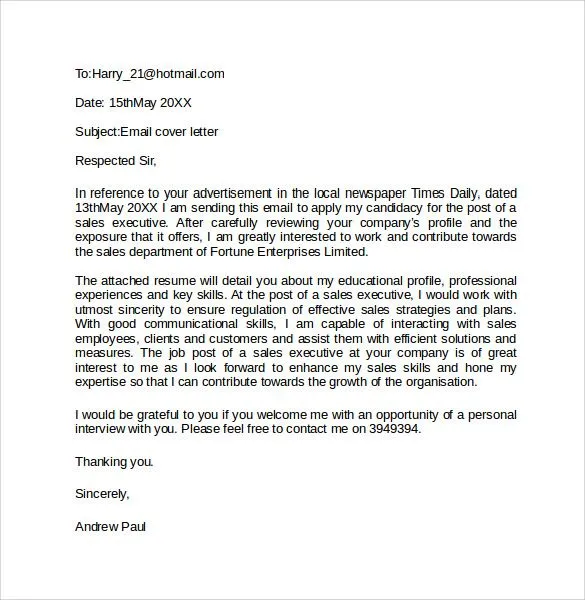
The Power of a Compelling Email Cover Letter
In the competitive landscape of job applications, your email cover letter is often your first interaction with a potential employer. It’s your chance to make a memorable first impression, showcasing your personality, skills, and enthusiasm for the role. Unlike a generic resume, a well-crafted email cover letter allows you to tell your story, explain your motivations, and demonstrate why you’re the perfect fit for the position. Neglecting this crucial step can significantly diminish your chances of getting noticed. A compelling cover letter grabs the reader’s attention, providing a brief overview of your qualifications, experience, and interest in the specific role. It acts as a bridge, connecting your skills with the employer’s needs and making a strong case for why they should invite you for an interview. Therefore, investing time and effort into writing an effective email cover letter is a strategic move that can significantly boost your chances of securing your dream job.
Highlighting Your Skills and Experience
One of the primary goals of your email cover letter is to highlight the skills and experience most relevant to the job you’re applying for. This is not merely a repetition of your resume; rather, it’s an opportunity to elaborate on your accomplishments and demonstrate how your qualifications align with the job requirements. Start by carefully reviewing the job description, identifying the key skills, and experiences the employer is seeking. Then, select the most relevant examples from your background and describe them in detail, using action verbs to showcase your achievements. Instead of just listing your responsibilities, quantify your results whenever possible. For instance, if you improved sales, specify the percentage increase or the amount of revenue generated. Similarly, when mentioning a project you worked on, provide context about the project’s scope and your role in it. By providing tangible evidence of your skills and expertise, you will make a more persuasive case for your candidacy and demonstrate your value to the potential employer.
Tailoring Your Message to the Job

Generic cover letters are easily spotted and often disregarded. To truly impress, you must tailor your email cover letter to each specific job application. This involves understanding the needs of the employer and demonstrating how your skills and experiences align with those needs. Tailoring your message shows that you have taken the time to understand the role and the company, which demonstrates genuine interest. Begin by researching the company and the specific role you are applying for. Learn about the company’s mission, values, and recent projects. Understand the job description thoroughly and identify the key requirements. Then, use this information to customize your letter, highlighting the aspects of your background that are most relevant and aligning your goals with the company’s objectives. This personalized approach significantly increases your chances of making a positive impression and securing an interview. Avoid clichés and generic phrases, and instead, focus on providing specific examples that demonstrate your understanding of the role and the company’s culture.
Customizing Your Cover Letter
Customizing your cover letter is crucial for making a strong impression. This involves tailoring your language, tone, and content to reflect the specific requirements of the job and the values of the company. Begin by reviewing the job description carefully to identify the key skills, experiences, and qualities that the employer is seeking. Then, reflect on your own experiences and select the examples that best showcase how you meet these requirements. Use the job description’s language and keywords to ensure your letter is relevant. For instance, if the job description emphasizes project management skills, highlight your project management experience with specific examples. Always address the letter to the hiring manager or the appropriate person if known. Avoid using generic greetings. Instead, try to find the name of the hiring manager or recruiter by researching the company or job posting. This level of detail shows initiative and attention to detail, which can set you apart from other candidates. Make your cover letter unique, showcasing your personality and your understanding of the role.
Researching the Company and Role
Before writing your email cover letter, take the time to research the company and the specific role. This demonstrates your genuine interest and commitment, setting you apart from other candidates who may send generic applications. Begin by visiting the company’s website and exploring its mission, values, and recent news. Pay attention to their products, services, and their overall brand identity. Look for information about the company’s culture, which can give you insights into the values and expectations of the employees. Next, examine the job description carefully. Identify the key responsibilities, required skills, and qualifications. Think about how your experiences align with these requirements and which examples you can use to illustrate your abilities. Researching the role helps you to understand the expectations and tailor your letter accordingly. When mentioning the company in your letter, use specific details you have gathered to show you understand its goals. By demonstrating a genuine understanding of the role and the company, you make a compelling case for your candidacy.
Formatting for Readability and Impact

The format of your email cover letter plays a critical role in how it is received. Poor formatting can make your message difficult to read, leading to disinterest from the recipient. Good formatting, however, can make your letter more accessible and improve your chances of making a positive impression. Use a clear and professional font, such as Arial, Calibri, or Times New Roman, with a font size between 10 and 12 points. This ensures readability on a variety of devices. Keep your paragraphs concise, typically no more than five to six sentences each. Long blocks of text can be overwhelming. Use bullet points when listing skills, accomplishments, or examples. This format helps to highlight key information, making it easier for the reader to quickly understand your qualifications. Ensure there is adequate white space between paragraphs and sections. This helps to break up the text and prevent the letter from appearing cluttered. Before sending your email, always proofread the document to ensure there are no errors in grammar, spelling, or punctuation. A well-formatted and error-free email cover letter will make a strong impact and demonstrate your attention to detail.
Crafting a Strong Subject Line
Your subject line is the first thing the hiring manager will see, making it a crucial element in getting your email opened and read. A strong subject line should be concise, clear, and directly relevant to the job application. Start by including the job title or the position you are applying for. This allows the recipient to quickly understand the purpose of your email. Then, consider adding your name or the reference number from the job posting to help the hiring manager easily identify your application. Avoid using vague subject lines like “Job Application” or “Resume.” Instead, use a specific and informative subject line such as “Application for Marketing Manager Position – [Your Name]” or “[Job Title] – Reference Number [Number]”. The use of relevant keywords from the job description can also be effective, as it can help your email get noticed and possibly filtered appropriately within the company’s email system. Keep the subject line brief, typically no more than 7-10 words. Proofread to ensure there are no spelling errors. A well-crafted subject line increases your chances of getting your email opened and read, which is the first step in making a great impression.
Using White Space Effectively
White space, or the blank areas on the page, is an essential element of effective email cover letter formatting. Using white space strategically enhances readability and makes your email cover letter more visually appealing, which is important to the reader. A cluttered document can discourage the reader, while a well-spaced letter is more inviting and easier to digest. Use white space by employing short paragraphs of no more than five or six sentences. Break up your content into logical sections with clear headings and subheadings. This will help the reader to quickly scan your letter and find relevant information. In addition, ensure sufficient space between paragraphs, headings, and bulleted lists. This prevents the text from appearing cramped and allows the reader’s eye to rest. Proper use of white space improves the overall readability and visual appeal of your email cover letter, which directly reflects positively on your attention to detail and professionalism. Incorporating these formatting techniques will make your message more effective and increase the chances that your application gets a positive reception.
Proofreading and Editing for Perfection

Proofreading and editing are essential steps in ensuring your email cover letter is polished and professional. Errors in grammar, spelling, and punctuation can undermine your credibility and create a negative impression. A poorly written letter may lead the reader to assume you are not detail-oriented. Begin by reading your email cover letter carefully, paying close attention to sentence structure, word choice, and punctuation. Use a spell checker and grammar checker tool to identify potential errors. However, these tools are not foolproof, so always review the suggestions carefully. After checking for errors, read your letter aloud. This technique can help you identify awkward phrasing and ensure your writing flows smoothly. If possible, ask a friend, family member, or career advisor to review your letter. A second pair of eyes can catch mistakes you might have missed. Proofread your email cover letter multiple times and give yourself time to revise. A well-proofread email cover letter demonstrates professionalism and attention to detail, significantly improving your chances of making a positive impression and moving forward in the application process.
Checking for Grammar and Spelling
Meticulously checking your email cover letter for grammar and spelling errors is non-negotiable. These errors can damage your credibility and undermine your professionalism, possibly leading to your application being dismissed before it is considered. Start by using a spell checker to identify any spelling mistakes. While spell checkers are helpful, they do not always catch every error, especially homophones (words that sound alike but have different meanings). Then, check for grammatical errors, such as incorrect verb tenses, subject-verb agreement, and incorrect punctuation. If you are uncertain about a grammar rule, consult a grammar guide or online resources. Pay close attention to sentence structure and ensure your sentences are clear and concise. Proofread your letter multiple times, reading it slowly to identify any potential issues. Ask someone else to review your letter for a second opinion. An extra set of eyes can catch errors you may have missed. By dedicating time to grammar and spelling checks, you demonstrate attention to detail, ensuring your email cover letter effectively conveys your professionalism and qualifications to potential employers.
Ensuring Professionalism in Tone and Style
Maintaining a professional tone and style throughout your email cover letter is critical for a positive impression. Your writing should be clear, concise, and respectful, reflecting the standards of the professional world. Avoid using slang, jargon, or overly casual language. The content should be focused and to the point, highlighting your qualifications and experience. Choose your words carefully, and use formal language, such as “I believe” rather than “I think.” Keep your sentences concise and easy to understand. Long, complex sentences can be difficult to follow and may detract from your message. Maintain a respectful and courteous tone throughout the letter. Address the hiring manager correctly and express your gratitude for their time and consideration. Tailor your writing style to the company culture. Some companies appreciate a more formal tone, while others prefer a more casual approach. Ensure your email cover letter aligns with the expectations of the industry. By adhering to a professional tone and style, you present yourself as a serious, capable candidate, increasing your chances of creating a strong and favorable impression.
Following Up After Submission

Following up after submitting your email cover letter is a strategic step in the job application process. It demonstrates your continued interest in the position and can help to keep your application at the forefront of the hiring manager’s mind. However, it’s crucial to follow up appropriately, to avoid being perceived as intrusive. After submitting your email cover letter, wait for the time frame outlined in the job posting or the employer’s instructions. If no timeframe is provided, wait at least a week before reaching out. When following up, be polite and concise. Reiterate your interest in the position and mention anything significant that happened since you submitted your application. If you have additional information or updates, briefly share them. Avoid asking direct questions about the status of your application. A simple inquiry about the timeline or next steps is usually appropriate. Remember that the follow-up process should be brief and professional. Too many follow-up attempts can be counterproductive. By following up with professionalism and respect, you can effectively keep your application in the hiring manager’s awareness and show your dedication to the role.
When and How to Follow Up
Knowing when and how to follow up after submitting your email cover letter can significantly impact your chances of success. The timing of your follow-up is essential. Ideally, you should adhere to any instructions or timelines provided in the job posting. If the job posting doesn’t specify a timeframe, it’s best to wait a week to ten days after submitting your application before following up. Following up too soon can make you appear impatient, while following up too late may signal a lack of enthusiasm. Choose the right method for following up. A brief and polite email is often the best approach. If you have the hiring manager’s direct contact information, sending an email is appropriate. If not, you can typically reply to the email you used to submit your application. In your follow-up email, reiterate your interest in the role and express your gratitude for their time. Mention anything you might have missed in your initial cover letter that you feel is important. Keep your email concise, and avoid being overly pushy. A short and professional follow-up shows initiative and helps to keep your application in the recruiter’s mind. Always proofread your follow-up message to ensure there are no spelling or grammatical errors before sending it.
Expressing Gratitude and Enthusiasm
Expressing gratitude and enthusiasm in your email cover letter is crucial for making a positive and lasting impression. Your letter should conclude with a sincere expression of thanks to the hiring manager for their time and consideration. This simple act of gratitude showcases your respect for the opportunity and adds a touch of professionalism. Beyond expressing gratitude, convey your genuine enthusiasm for the role and the company. Demonstrate your interest in the specific position and explain why you are excited about the prospect of working for them. If possible, tailor your enthusiasm to something unique about the company or the role itself. This shows that you have done your research and truly understand the opportunity. Be specific about your reasons for being excited; for example, if the company is known for its innovative projects, express your interest in being a part of such initiatives. Conclude your email cover letter with a call to action, such as a statement that you look forward to hearing from them soon. Expressing gratitude and enthusiasm is not just a formality. It is an opportunity to demonstrate your genuine interest, which can set you apart from the competition and increase your chances of securing an interview.
Conclusion

In conclusion, crafting an effective email cover letter is a critical step in any successful job application. By focusing on key elements – highlighting your skills and experience, tailoring your message to the job, formatting for readability, and following up with professionalism – you significantly increase your chances of standing out from the competition. Remember that your cover letter is your opportunity to make a strong first impression and showcase your enthusiasm for the role. Always proofread your letter carefully, ensuring that it is free of errors and reflects your attention to detail. By implementing the tips outlined in this guide, you can create a compelling email cover letter that grabs the hiring manager’s attention and helps you land your dream job. Invest the time and effort into this crucial document and let it serve as your personal ambassador, paving the way for a successful career journey. Good luck with your job search!