Why a Strong Data Entry Cover Letter Matters
In the competitive world of job applications, a well-crafted cover letter is your first impression. For data entry positions, where precision and attention to detail are paramount, a powerful cover letter can significantly increase your chances of landing an interview. It is not just a formality; it’s a crucial opportunity to showcase your qualifications, express your enthusiasm, and demonstrate your understanding of the role. Think of it as your chance to make a personal connection with the hiring manager and differentiate yourself from other applicants. Without a strong cover letter, your resume might get overlooked, especially when employers are sifting through a large number of applications. Therefore, investing time in writing a compelling cover letter is a strategic move to advance your job search.
Understanding the Importance of a Cover Letter
A cover letter provides context to your resume, allowing you to explain how your skills and experience align with the specific requirements of the data entry position. It gives you the chance to elaborate on your qualifications, highlight achievements, and demonstrate your personality and communication skills. While your resume lists your qualifications, the cover letter tells the story behind those qualifications. It’s an opportunity to show your enthusiasm for the role and the company, and to express why you’re the best candidate. A well-written cover letter also demonstrates your communication skills, which is crucial for any role, including data entry, where clear and concise communication is often required. Additionally, a tailored cover letter shows that you have taken the time to understand the job requirements and are genuinely interested in the opportunity.
Highlighting Relevant Skills and Experience

When writing your cover letter, focus on the skills and experience most relevant to data entry. This might include proficiency in data entry software, typing speed and accuracy, attention to detail, and experience with data validation and verification. Quantify your achievements whenever possible. Instead of simply stating you have experience, provide specific examples of your accomplishments. For instance, mention the number of data entries you processed per hour with a specific accuracy rate. Also, highlight any relevant certifications, such as those related to data entry or Microsoft Office. Tailor your cover letter to match the job description, emphasizing the skills and experiences the employer is seeking. This shows that you have carefully read the requirements and are a good fit for the position.
Key Skills for Data Entry Positions
Data entry roles require a unique set of skills that go beyond basic computer literacy. High typing speed and accuracy are essential, as is strong attention to detail to prevent errors. You should also be proficient in using various software and tools, such as Microsoft Excel, Google Sheets, and specialized data entry programs. Excellent organizational skills are crucial for managing large datasets and meeting deadlines. Effective communication skills are also important for clarifying information, collaborating with team members, and reporting issues. Additional skills include the ability to work independently, problem-solving abilities, and the capacity to maintain confidentiality. Emphasize these skills in your cover letter to demonstrate your suitability for the role.
Showcasing Data Entry Experience
When showcasing your data entry experience, focus on providing specific examples of your past roles and responsibilities. Describe the types of data you have worked with (e.g., financial records, customer information, inventory data) and the software or systems you used. Mention any projects or tasks where you demonstrated accuracy, efficiency, and attention to detail. If you have experience with data cleaning, validation, or verification, be sure to highlight those skills. Quantify your accomplishments by including metrics such as data entry speed (words per minute), accuracy rate, and the volume of data processed. Also, include any experience with data analysis or reporting, as these skills are increasingly valuable in data entry positions. The aim is to illustrate your abilities with concrete examples.
Formatting Your Data Entry Cover Letter

The format of your cover letter is just as important as its content. Use a professional and easy-to-read font, such as Times New Roman, Arial, or Calibri, and ensure the font size is between 11 and 12 points. Maintain consistent formatting throughout the letter, including margins, spacing, and alignment. Start with your contact information at the top, followed by the date and the hiring manager’s name and title if known. Use a clear and concise structure, with a brief introduction, a few paragraphs highlighting your skills and experience, and a strong closing statement. Keep the letter to one page, making sure each section is well-defined. Proofread carefully to eliminate any grammatical errors or typos. A well-formatted cover letter shows attention to detail, a crucial skill in data entry.
Crafting a Compelling Opening Statement
Your opening statement is your first chance to grab the hiring manager’s attention. It should be concise, engaging, and clearly state the position you are applying for. Instead of a generic opening, try to personalize it by mentioning the company’s name and referencing something specific about the role or the company that interests you. You can also briefly summarize your most relevant skills and experience. The opening statement should immediately convey your enthusiasm for the position and your understanding of the job requirements. Avoid clichés and generic phrases; instead, use strong action verbs and highlight what you can bring to the role. The goal is to make the hiring manager want to read the rest of your cover letter.
Writing a Strong Middle Section
The middle section of your cover letter is where you elaborate on your skills and experience. This section should be well-structured, with each paragraph focusing on a specific skill or achievement. Provide concrete examples to support your claims, using the STAR method (Situation, Task, Action, Result) to explain how you handled a specific situation and the positive outcomes. Tailor this section to match the job description, emphasizing the skills and experiences the employer values most. Avoid simply repeating your resume; instead, expand on the details and provide additional context. Use keywords from the job description to demonstrate your understanding of the role. Also, maintain a professional tone and avoid overly informal language throughout the middle section.
Highlighting Achievements and Quantifiable Results

Quantifying your achievements is crucial for demonstrating your value to the employer. Instead of saying you are ‘organized,’ provide specific examples like ‘Managed and organized over 10,000 records with 99% accuracy.’ Include metrics such as the number of records processed per hour, the percentage of data entry errors you reduced, or any improvements you brought to existing processes. If you have experience with data analysis, mention any insights you provided or any improvements to data quality. Use numbers and percentages to illustrate your impact, as they provide concrete evidence of your skills and abilities. This approach makes your cover letter more persuasive and memorable, clearly showing what you can bring to the position.
Closing Your Cover Letter Effectively
Your closing statement should reiterate your interest in the position and thank the hiring manager for their time and consideration. Reiterate why you are a good fit for the role, emphasizing the key skills and experiences that align with the job requirements. State your availability for an interview and provide your contact information. It is also appropriate to express your enthusiasm for the opportunity to learn more about the position and the company. Ensure your closing is professional and confident, leaving a positive and lasting impression. Avoid generic phrases; instead, tailor the closing to reflect your genuine interest in the role. A strong closing statement leaves the hiring manager with a clear call to action.
Proofreading and Editing Your Cover Letter
Proofreading and editing are crucial steps in ensuring your cover letter is free of errors. Check for grammatical mistakes, typos, and punctuation errors. Read your letter aloud to identify any awkward phrasing or sentences. Have a friend, family member, or career counselor review your cover letter. They can provide a fresh perspective and catch errors you might have missed. Pay close attention to formatting, ensuring consistent margins, spacing, and font usage. Check the letter for clarity and conciseness, making sure your message is easy to understand. A polished, error-free cover letter demonstrates professionalism and attention to detail. These skills are essential for data entry positions, making your cover letter even more compelling.
Common Mistakes to Avoid

Avoid generic cover letters. Always customize your letter to the specific job and company. Do not include information that is irrelevant to the position, and keep your letter concise. Avoid making spelling or grammar errors. Typos and grammatical mistakes can create a negative impression. Do not use overly informal language or slang. Maintain a professional tone throughout the letter. Avoid the temptation to exaggerate your skills or experience. Be honest and accurate in your representations. Do not simply repeat your resume; use the cover letter to provide additional context and elaborate on your qualifications. By avoiding these common mistakes, you can significantly improve the effectiveness of your cover letter.
Tailoring Your Cover Letter to Each Job Application
Tailoring your cover letter to each job application is crucial for showing genuine interest and demonstrating that you have the skills and experience the employer seeks. Start by carefully reviewing the job description, identifying the key requirements and preferred skills. Then, customize your cover letter to emphasize the experiences and qualifications that directly address those requirements. Research the company and tailor your letter to reflect your understanding of their values and goals. Use keywords from the job description throughout your cover letter to make it clear that you are a strong fit for the position. Avoid using a generic cover letter; personalization shows you have taken the time to understand the job and are genuinely interested in the opportunity. Customize your letter to stand out among other applicants and increase your chances of getting the interview.
Using Keywords to Optimize Your Cover Letter
Incorporating relevant keywords from the job description into your cover letter is a critical SEO (Search Engine Optimization) practice that can improve your chances of getting noticed. Many companies use Applicant Tracking Systems (ATS) to screen applications, and these systems often scan for specific keywords. Review the job description and identify the key skills, qualifications, and software requirements. Then, strategically incorporate those keywords throughout your cover letter. Use the keywords naturally within the text, avoiding keyword stuffing. For instance, if the job requires ‘Microsoft Excel,’ mention your proficiency with Excel and provide specific examples of how you have used it in previous roles. Using relevant keywords helps your cover letter pass through ATS and increases the likelihood of it being reviewed by a human recruiter.
Data Entry Cover Letter Sample

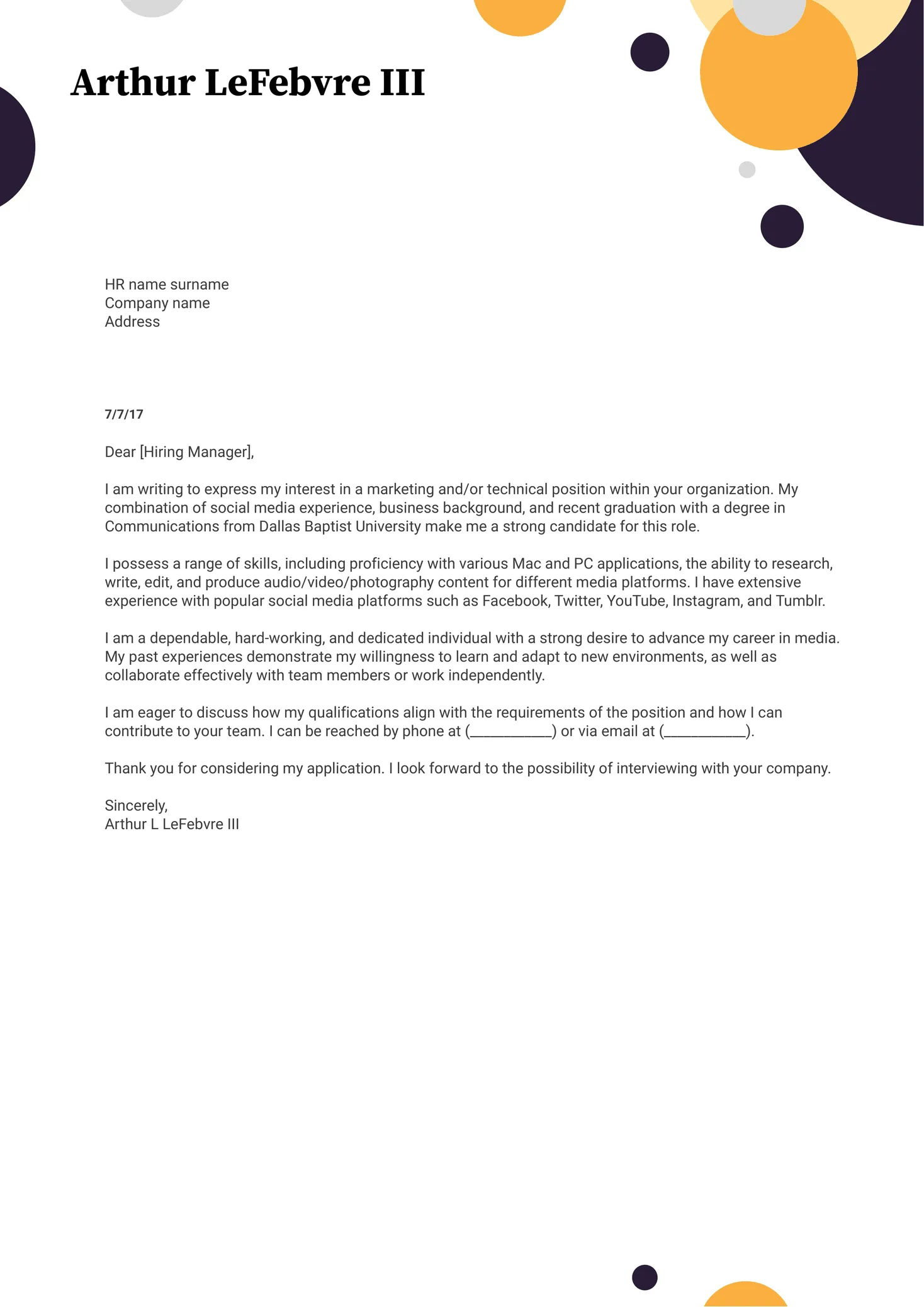
To provide a practical example, a good data entry cover letter sample should start with your contact information, followed by the date and the hiring manager’s name (if known). The opening paragraph should clearly state the position you are applying for and express your enthusiasm. The middle paragraphs should highlight your key skills (e.g., typing speed, accuracy, experience with specific software) and provide specific examples of your achievements. Quantify your accomplishments whenever possible. The closing paragraph should reiterate your interest, thank the hiring manager, and state your availability for an interview. Remember to tailor each cover letter to the specific job description, using relevant keywords and highlighting the skills and experiences that match the job requirements.