Why Cover Letters Still Matter
In a world dominated by digital applications, you might wonder, “Do cover letters still matter?” The answer is a resounding yes. A well-crafted cover letter is your first impression, often read before your resume. It provides an opportunity to showcase your personality, passion, and writing skills. It allows you to explain your qualifications and connect your skills and experiences to the specific job and company. A strong cover letter can significantly increase your chances of landing an interview, making it a crucial part of your job application strategy. By demonstrating your genuine interest and articulating why you’re the perfect fit, you set yourself apart from the competition.
Highlight Your Skills and Experience
Your cover letter is where you get to shine. Instead of merely repeating your resume, use the cover letter to expand on your skills and experiences. Identify the key skills and qualifications mentioned in the job description and highlight how your background aligns with them. Provide specific examples of your achievements, using the STAR method (Situation, Task, Action, Result) to illustrate your capabilities. This approach allows you to demonstrate the tangible value you bring to the role. Quantify your accomplishments whenever possible, using numbers to showcase your impact. This helps the hiring manager understand the scope and significance of your contributions.
Tailor to the Job Description

One of the most common mistakes job seekers make is sending out generic cover letters. Always tailor your cover letter to each specific job. Carefully read the job description and identify the key requirements. Then, customize your letter to address those requirements directly. Explain how your skills and experience align with the specific needs of the role and the company. Research the company’s mission, values, and culture, and incorporate these elements into your letter to demonstrate your genuine interest. By showing that you’ve taken the time to understand the role and the organization, you significantly increase your chances of getting noticed.
Show, Don’t Just Tell
Avoid making vague claims about your abilities. Instead of saying “I am a strong communicator,” show how you’ve demonstrated this skill in past experiences. Provide specific examples of your communication skills in action, such as leading a team, giving a presentation, or resolving a conflict. Use anecdotes and stories to bring your qualifications to life. This approach is much more effective than simply listing your skills. By painting a vivid picture of your capabilities, you make a lasting impression on the hiring manager and increase your chances of getting an interview. Remember, concrete examples are far more persuasive than generic statements.
Format and Structure
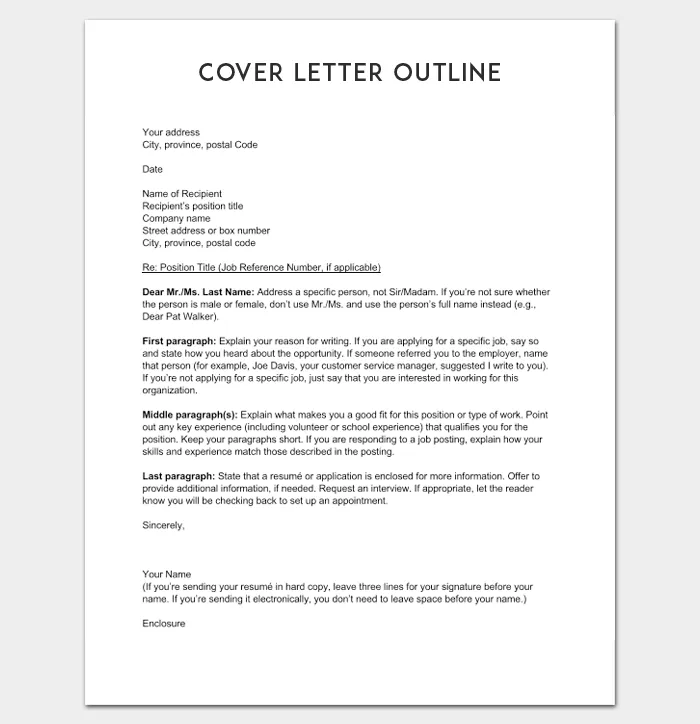
A well-formatted cover letter is easy to read and visually appealing. Proper formatting demonstrates attention to detail, which is crucial in any professional setting. Use a clear and professional font like Arial, Calibri, or Times New Roman. Keep the font size between 10 and 12 points. Use single-spacing within paragraphs and double-spacing between paragraphs to ensure readability. Maintain consistent margins (1 inch on all sides) and avoid using excessive colors or fancy fonts. The overall goal is to create a clean, uncluttered document that is easy for the hiring manager to scan and understand.
Header Essentials

Your header should include your full name, contact information (phone number and professional email address), and the date. If the job posting specifies a particular contact person, address your letter to that person (e.g., “Dear Mr. Smith”). If you don’t know the contact person, use a general salutation like “Dear Hiring Manager.” Make sure your contact information is accurate and up-to-date. This is the first information the hiring manager will see, so it’s crucial to make a good first impression. Always double-check your email address for any typos before submitting your application.
Opening Paragraph
Your opening paragraph should immediately grab the reader’s attention. State the position you’re applying for and where you found the job posting. Briefly mention why you are interested in the role and the company. You could also include a compelling statement that highlights your most relevant skill or experience. The goal is to capture the hiring manager’s interest from the very beginning and make them want to read the rest of your letter. Keep the opening concise and focused, avoiding generic phrases like “I am writing to apply.” Instead, try to convey your enthusiasm and make a strong first impression.
Body Paragraphs
The body paragraphs are where you expand on your skills and experience. Use these paragraphs to provide specific examples of your achievements and how they align with the job requirements. Structure your paragraphs logically, focusing on a few key points that demonstrate your suitability for the role. Use the STAR method to showcase your skills and quantify your achievements whenever possible. Tailor your content to the specific job description, highlighting the skills and experiences that are most relevant to the position. Keep the tone professional and enthusiastic, demonstrating your genuine interest in the opportunity.
Closing Paragraph

Your closing paragraph should reiterate your interest in the position and thank the hiring manager for their time and consideration. Express your enthusiasm for the opportunity and reiterate your desire to discuss your qualifications further. Include a call to action, such as “I look forward to hearing from you” or “Thank you for your time; I am available for an interview at your earliest convenience.” End with a professional closing, such as “Sincerely” or “Best regards,” followed by your name. Ensure your closing is polite, professional, and leaves a positive impression.
Proofread Meticulously
Typos and grammatical errors can undermine your credibility and give the impression that you are not detail-oriented. Always proofread your cover letter multiple times. Use a spell checker and grammar checker, but don’t rely on them entirely. Read your letter aloud to catch any awkward phrasing or errors that might be missed by software. Ask a friend, family member, or career counselor to review your letter for errors. A fresh pair of eyes can often spot mistakes you might have overlooked. Proofreading is a critical step in the cover letter writing process, as it ensures your professionalism and attention to detail shine through.
Common Cover Letter Mistakes
Avoiding common mistakes can significantly improve the effectiveness of your cover letter. Be aware of these pitfalls to ensure your application stands out for the right reasons. A polished cover letter demonstrates professionalism and increases your chances of getting an interview.
Ignoring the Instructions

Always follow the application instructions provided by the employer. If the job posting requests specific information or a particular format, make sure your cover letter adheres to those requirements. Ignoring the instructions suggests a lack of attention to detail, which can be a red flag for hiring managers. Carefully review the job posting for any specific requirements and tailor your cover letter accordingly. Following instructions demonstrates that you are capable of following directions, a critical skill in any professional role.
Generic Language
Avoid using generic, cookie-cutter phrases that don’t showcase your unique value. Use specific examples and tailor your cover letter to the job and the company. Generic language shows a lack of effort and a lack of genuine interest in the opportunity. Personalize your cover letter by researching the company and the role. Highlight your relevant skills and experiences, and demonstrate your understanding of the job requirements. Use specific details to illustrate your qualifications and set yourself apart from other applicants.
Typos and Grammatical Errors
Carelessly written cover letters that contain typos or grammatical errors can damage your credibility. Always proofread your letter multiple times and ask someone else to review it before submitting. Typos and grammatical errors suggest a lack of attention to detail, which can be a serious detriment to your application. Use spell-check and grammar-check tools, but also read your cover letter carefully. A polished cover letter is a reflection of your professionalism and increases your chances of getting an interview.
Tips for Making Your Cover Letter Stand Out

Beyond the basics, consider these tips to make your cover letter truly memorable. By going the extra mile, you can increase your chances of grabbing the hiring manager’s attention and securing an interview. These strategies will help you to showcase your unique qualifications and demonstrate your genuine interest in the opportunity.
Quantify Your Achievements
Whenever possible, quantify your achievements using numbers and data. For example, instead of saying “Improved customer satisfaction,” state, “Increased customer satisfaction by 15%.” Quantifying your achievements provides concrete evidence of your impact and value. It makes your cover letter more compelling and memorable. Use numbers to showcase your accomplishments and provide measurable evidence of your skills. Highlighting your achievements with numbers will demonstrate your impact on past employers.
Use Action Verbs
Use strong action verbs to describe your accomplishments and responsibilities. Action verbs make your cover letter more dynamic and engaging. Instead of saying “Responsible for managing projects,” say “Led and managed projects.” Use action verbs like “achieved,” “implemented,” “created,” “managed,” “developed,” and “improved.” This will make your cover letter more compelling and demonstrate your proactive approach. Action verbs convey a sense of accomplishment and provide more context to the responsibilities you’ve held.
Research the Company

Demonstrate your genuine interest by researching the company and tailoring your cover letter to its specific needs. Visit the company website, read recent news articles, and review its social media profiles. Incorporate information about the company’s mission, values, and culture into your cover letter. Show that you understand the company’s goals and how your skills and experience can contribute to its success. Personalizing your cover letter by referencing the company demonstrates that you’ve taken the time to understand its goals and show your genuine interest in the position.
Cover Letter Submission
Carefully review the application instructions to determine how to submit your cover letter and resume. If the instructions indicate to submit your application via email, make sure to include both your cover letter and resume as attachments. Use a professional email subject line that includes the job title and your name. Always double-check that you’ve attached the correct files and that all your contact information is up-to-date. A well-executed submission process demonstrates your attention to detail and professionalism, further enhancing your chances of success.