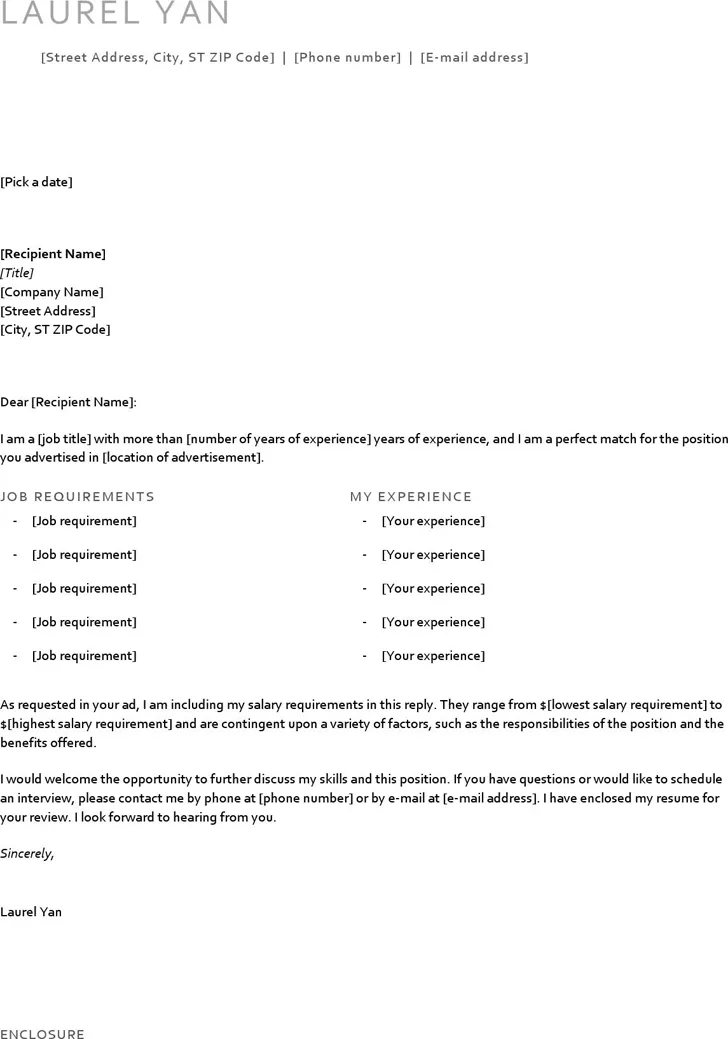
Understanding the Salary Request in Your Cover Letter
The cover letter remains a crucial tool in any job seeker’s arsenal, acting as the initial introduction to a potential employer. Among the many aspects you must consider, addressing salary expectations can feel tricky. Knowing how to handle this sensitive topic is vital to your success. When and how you incorporate a salary request can significantly impact your prospects. Incorrect approaches might lead to your application getting sidelined. Proper timing and presentation of your salary needs demonstrate professionalism and understanding of the job market. This introduction provides a thorough guide on how to navigate this essential component of your cover letter, ensuring you present yourself as a thoughtful, well-prepared candidate.
Why Include a Salary Range
Including a salary range in your cover letter showcases your awareness of industry standards. It proactively addresses the employer’s financial concerns. A well-defined salary range communicates your financial expectations while demonstrating your flexibility. This approach is more effective than stating a single figure or leaving the field blank. Providing a range indicates your openness to negotiation. It also shows that you have researched the market value for the role you’re applying for. Avoid providing a range that is too broad or too narrow, as this could reflect poorly on your preparation. The ideal range is typically 10-15% between the lowest and highest figures. This provides room for negotiation while keeping your expectations realistic.
Benefits of Including a Salary Range

Including a salary range has several advantages. It can expedite the hiring process by immediately aligning expectations. It also positions you as a candidate who has a realistic understanding of compensation. It shows that you’ve done your homework regarding the role and market. By providing a range, you avoid the risk of quoting a salary that is either too high or too low. This can eliminate you from the running or undervalue your skills. Providing a salary range in the cover letter can also save you time. It reduces the chance of proceeding through the interview process only to discover that the offered salary doesn’t meet your needs. Ultimately, it’s a strategic move that streamlines the negotiation process.
When to Avoid Mentioning Salary
There are certain scenarios where including a salary request in your cover letter is not advisable. If the job posting explicitly states not to include salary expectations, it’s best to adhere to their instructions. Many companies will provide this information early in the interview process. If you are unsure about the salary expectations for the role, it’s better to wait until you have more information. During the initial stages of application, focus on showcasing your skills and experiences. Sometimes, it’s more strategic to avoid revealing your hand too early in the game. A well-crafted cover letter should emphasize your value to the company, not necessarily your salary requirements. This way, you give the potential employer a chance to get excited about the possibility of hiring you, before money becomes the primary focus.
Top 5 Negotiation Tips for Your Cover Letter
Researching the Market Rate
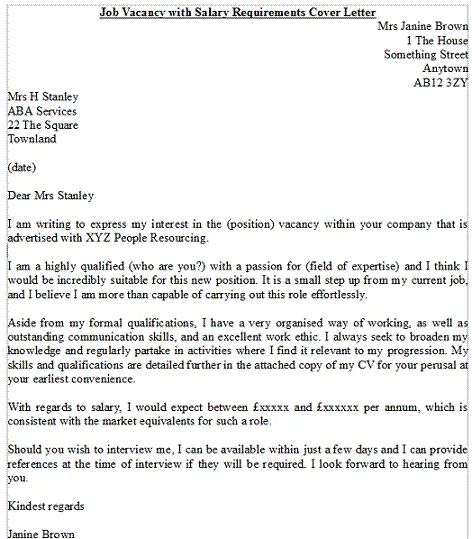
Before including any salary information, thoroughly research the market rate for the position. Several online resources provide salary data, including Glassdoor, Salary.com, and Payscale. These resources can give you insights into average salaries based on location, experience, and industry. You can also check industry-specific salary surveys. Talking to people in your network can also provide valuable insights. Compare your skills and experience with the requirements of the job description. This will help you determine a suitable salary range. Be realistic. Overestimating your value can lead to rejection, while underestimating may result in leaving money on the table. Having a solid understanding of the market rate is essential for a successful salary negotiation.
Highlighting Your Value and Experience
Your cover letter must emphasize the value you bring to the company. Instead of merely stating your salary expectations, show how your skills and experience align with the role’s requirements. Quantify your accomplishments whenever possible. Use numbers to demonstrate the impact you’ve made in previous positions. For example, mention how you increased sales, reduced costs, or improved efficiency. Show how your qualifications make you the best candidate for the job. Highlight the key skills and experiences that match the job requirements. Tie those directly to the company’s needs. This helps employers understand why you deserve your requested salary. This proactive approach strengthens your case and increases your chances of getting the salary you want.
Focusing on the Company’s Needs
Tailor your cover letter to demonstrate how you can solve the company’s problems. Identify the company’s needs by carefully examining the job description and researching the company. Show how your skills and experience align with those needs. Provide specific examples of how you’ve helped previous employers. Make it clear that you understand the company’s challenges and are ready to contribute to its success. The more you can show how you fit their needs, the more willing they will be to meet your salary expectations. Focusing on their needs makes your salary request less about what you want and more about what you can offer. This approach increases your negotiating power. It transforms the negotiation from a transaction to a partnership.
Using a Salary Range

When you do state your salary expectations, always provide a range rather than a single figure. A range indicates flexibility. This shows that you’re open to negotiation. Determine your desired salary range by researching the market rate and considering your experience and skills. The range should be realistic, typically 10-15% between the low and high ends. If you’re unsure, lean towards the higher end. Make it clear you are open to discussing this further during an interview. This allows the hiring manager to determine if the salary is within their budget. It gives room for the negotiation process to unfold. Including a range shows professionalism and a willingness to work together to find a mutually beneficial agreement.
Preparing for Negotiation
Prepare yourself for salary negotiations beyond the cover letter stage. Anticipate questions about your salary expectations. Know your worth and be prepared to justify it. Research salary data, and understand the industry standards. Before going into an interview, you should know the minimum salary you will accept. You should also know your ideal salary. Practice your negotiation skills by rehearsing your responses. Be ready to discuss your achievements and value proposition. If the initial offer is too low, be prepared to counter. Have a well-reasoned argument for why you deserve a higher salary. Consider other benefits. If the salary is not negotiable, explore if there are other benefits. This includes vacation time, professional development opportunities, or flexible working arrangements. Being prepared can dramatically increase your chances of a successful negotiation.
Crafting a Strong Closing
Expressing Enthusiasm and Interest

Your closing should reflect your enthusiasm for the position and the company. Restate your interest and reiterate your qualifications. Avoid a generic or passive closing. Instead, let the employer know you’re excited. It should be evident that you’re genuinely interested in the role. Clearly state your enthusiasm, which can be done in a confident and engaging manner. This positive tone creates a lasting impression. A compelling close will make you memorable. It will encourage the hiring manager to move forward with your application. Remember to align your enthusiasm with the specific role and company. This will strengthen your overall candidacy.
Reiterating Your Value Proposition
In your closing paragraph, briefly reiterate your value proposition. Remind the employer of your key strengths and how they align with the company’s needs. Briefly summarize your accomplishments and how they make you the best fit for the job. This is your final chance to convince the employer that you are the ideal candidate. Make sure to connect your value to the specific requirements mentioned in the job posting. This will reinforce your understanding of the role. Reiterate how you can contribute to the company’s success. Make it clear why you are the best choice. This will leave a strong impression and set the stage for a positive response.
Offering to Discuss Salary Further
In your closing, offer to discuss your salary expectations further during an interview. Express your willingness to negotiate and find a mutually agreeable compensation package. This demonstrates your professionalism and flexibility. Phrases like “I am open to discussing my salary expectations further during an interview” are effective. This encourages the hiring manager to engage with you. This signals that you are open to negotiations and have a realistic understanding of the process. This also gives the hiring manager a chance to gauge your expectations. Offer to discuss salary expectations in greater detail, to prevent any misunderstandings. This proactive step sets you up for a successful outcome.