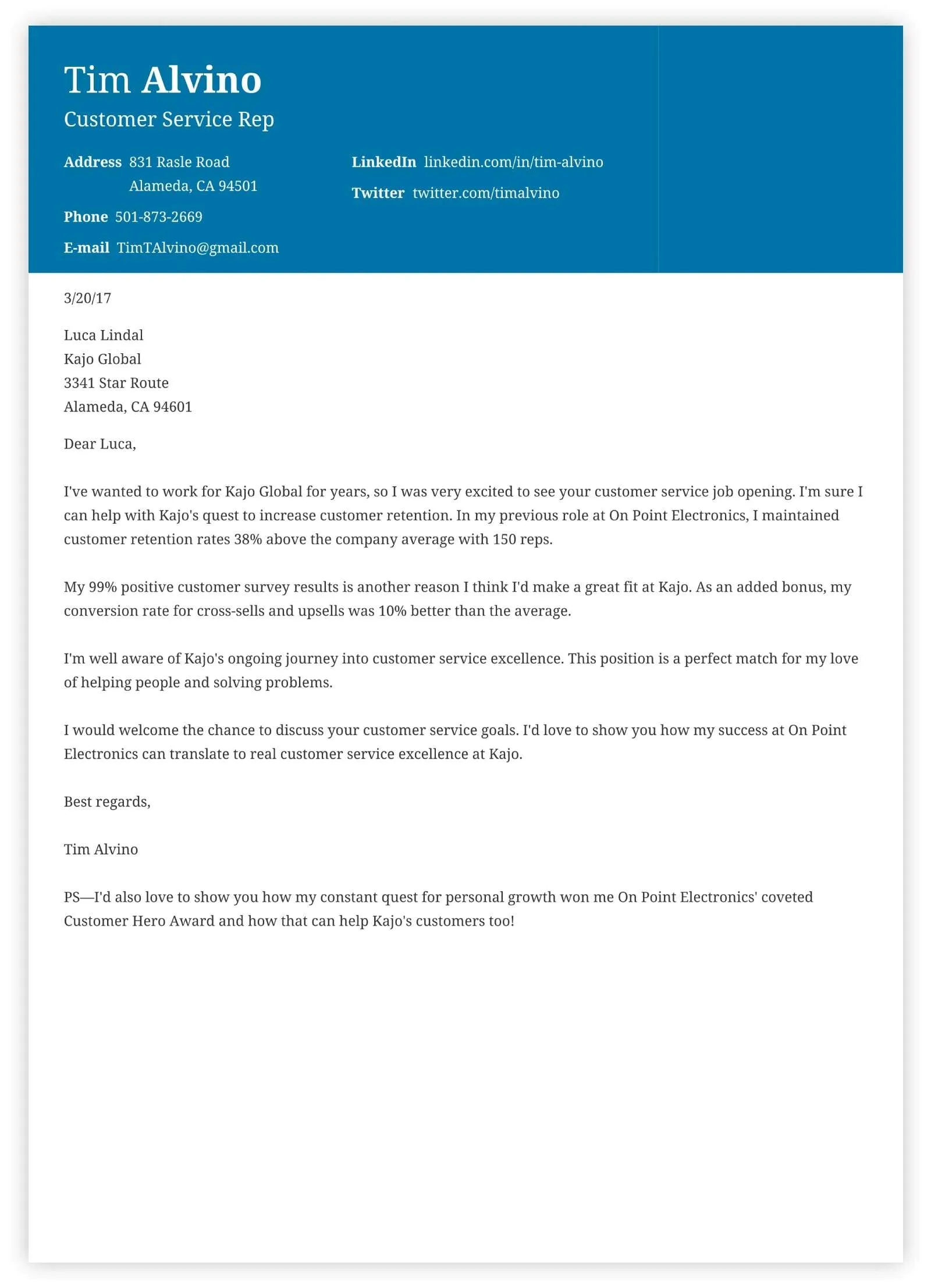
The Power of a Great Cover Letter
In the competitive world of job applications, a well-crafted cover letter can be the key that unlocks the door to your dream job. Many applicants underestimate its significance, often treating it as a mere formality. However, a compelling cover letter is your chance to make a memorable first impression, showcasing your personality, skills, and enthusiasm for the role. It’s not just a summary of your resume; it’s a narrative that connects your experiences to the specific requirements of the job, making you stand out from the crowd. Think of it as your personal sales pitch, designed to convince the hiring manager that you are the perfect fit.
Tailoring Your Cover Letter
A generic cover letter is easily spotted and often discarded. Tailoring your letter to each specific job is essential. This involves more than just changing the company name; it means researching the company, understanding the role, and highlighting the skills and experiences that align with the job description. This shows that you’ve taken the time to understand their needs and that you’re genuinely interested in the opportunity.
Researching the Company

Before you even start writing, delve into the company’s website, social media profiles, and recent news articles. Understand their mission, values, and recent projects. This knowledge will help you personalize your letter and demonstrate your genuine interest. Mentioning specific company initiatives or values shows that you’ve done your homework and are invested in their success. This level of detail sets you apart from those who send out mass applications.
Highlighting Relevant Skills
Carefully review the job description and identify the key skills and qualifications they are seeking. Then, in your cover letter, provide specific examples of how you’ve demonstrated those skills in previous roles or projects. Don’t just list skills; provide context. Explain the situation, the action you took, and the positive results you achieved. This shows that you not only possess the skills but also know how to apply them effectively.
Showcasing Your Achievements
Instead of simply listing your responsibilities, focus on your accomplishments. Use quantifiable results whenever possible. For example, instead of saying you ‘managed social media,’ say ‘Increased social media engagement by 30% in six months by implementing a new content strategy.’ Highlighting achievements demonstrates your value and the impact you can make in the new role. This data driven approach grabs the hiring manager’s attention and provides solid evidence of your capabilities.
Secret 1: Personalize Your Letter

Personalization is the cornerstone of a successful cover letter. It demonstrates that you’ve invested time and effort into understanding the specific role and company, rather than sending a generic application. Addressing the hiring manager by name, when possible, is a great start. This simple act shows that you’ve taken the time to research the company and are not just another applicant. Personalization makes your letter feel less like a form and more like a targeted communication.
Why Personalization Matters
Personalized cover letters grab attention in a sea of generic applications. They show that you care enough to go the extra mile. This shows you’re serious about the opportunity. Hiring managers are looking for candidates who are genuinely interested in their company, and personalization is a clear indicator of that interest. By tailoring your letter, you increase your chances of making a positive first impression and getting your application noticed.
How to Tailor Your Letter
Start by researching the company and the specific role. Identify the key requirements and values. Then, use your letter to directly address those needs, highlighting how your skills and experience align with the job description. Reference specific projects, initiatives, or values of the company to demonstrate that you understand their needs. This level of detail shows that you’ve put thought and effort into the application and are not just sending a mass email.
Secret 2: Showcase Your Value Proposition

Your cover letter should clearly articulate your value proposition – what you bring to the table and how you can contribute to the company’s success. This involves highlighting your skills, experience, and achievements in a way that directly addresses the needs of the employer. By presenting a clear and concise value proposition, you immediately capture the hiring manager’s attention and position yourself as a valuable asset.
Understanding Your Value
Reflect on your skills, experience, and accomplishments. Identify your strengths and the areas where you excel. Think about what you’ve achieved in previous roles and how those experiences align with the requirements of the job you’re applying for. Be confident in your abilities and communicate your value clearly and concisely. This self-awareness is critical to effectively presenting your value to a potential employer.
Quantifying Your Achievements
Whenever possible, quantify your achievements with data and metrics. This makes your claims more credible and demonstrates the impact you’ve had in previous roles. Instead of saying you ‘improved sales,’ say ‘Increased sales by 15% in one quarter by implementing a new sales strategy.’ Quantifiable results provide concrete evidence of your abilities and make a stronger impression on the hiring manager. Use numbers, percentages, and other metrics to showcase your achievements.
Secret 3: Match the Keywords

Many companies use Applicant Tracking Systems (ATS) to screen applications. These systems scan cover letters and resumes for specific keywords related to the job description. To ensure your application gets noticed, it’s crucial to strategically incorporate those keywords into your cover letter. This helps your application pass through the initial screening process and reach the hiring manager.
Using Job Description Keywords
Carefully review the job description and identify the key skills, qualifications, and responsibilities. Then, incorporate those keywords naturally throughout your cover letter. Don’t simply stuff your letter with keywords, but use them in context to describe your experience and skills. This shows that you possess the required qualifications and increases the chances of your application being selected for review.
Optimizing for Applicant Tracking Systems (ATS)
ATS software scans for keywords and phrases, so it’s essential to format your cover letter to be ATS-friendly. Use clear, concise language, avoid complex formatting, and ensure your letter is easily readable by the system. Avoid using images or graphics, as they can sometimes confuse the ATS. By optimizing your letter for ATS, you increase the likelihood of your application making it to the human reader.
Secret 4: Proofread Meticulously

Typos, grammatical errors, and spelling mistakes can undermine your credibility and make a negative impression on the hiring manager. Proofreading your cover letter is crucial. Even a small mistake can suggest a lack of attention to detail, which is a red flag for potential employers. Always proofread your letter carefully before submitting, and consider having someone else review it as well.
Common Grammar and Spelling Mistakes
Pay close attention to common errors such as incorrect word usage (e.g., ’their’ vs. ’there’ vs. ’they’re’), subject-verb agreement, and punctuation. Double-check the spelling of the company’s name and the hiring manager’s name. These seemingly small errors can create a negative impression. Ensure your grammar is correct and your writing style is professional.
Proofreading Tools and Techniques
Use grammar and spell-checking tools to catch errors. However, don’t rely on them entirely. Read your cover letter aloud to catch any awkward phrasing or inconsistencies. Ask a friend, family member, or career advisor to proofread your letter for a fresh perspective. Multiple sets of eyes often spot errors that you might miss.
Secret 5: End with a Strong Call to Action
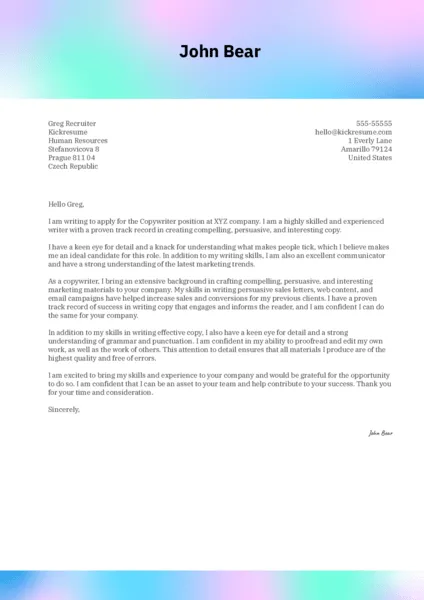
Your cover letter should end with a clear call to action, encouraging the hiring manager to take the next step. This could be a request for an interview, a statement of your enthusiasm for the role, or a reiteration of your interest in the company. A strong call to action ensures that your letter doesn’t simply end but encourages the reader to take the next step in the hiring process.
What to Include in Your CTA
Clearly state your desire for an interview and express your excitement about the opportunity. Provide your contact information and make it easy for the hiring manager to reach you. Express your gratitude for their time and consideration. Avoid generic phrases and tailor your CTA to the specific role and company. This personalized approach increases your chances of getting a positive response.
Making a Lasting Impression
Your cover letter is your opportunity to make a lasting impression. By following these five secrets, you can create a compelling cover letter that showcases your skills, experience, and enthusiasm for the role. Remember to personalize your letter, showcase your value proposition, match the keywords, proofread meticulously, and end with a strong call to action. By implementing these strategies, you’ll significantly increase your chances of landing an interview and ultimately getting the job.