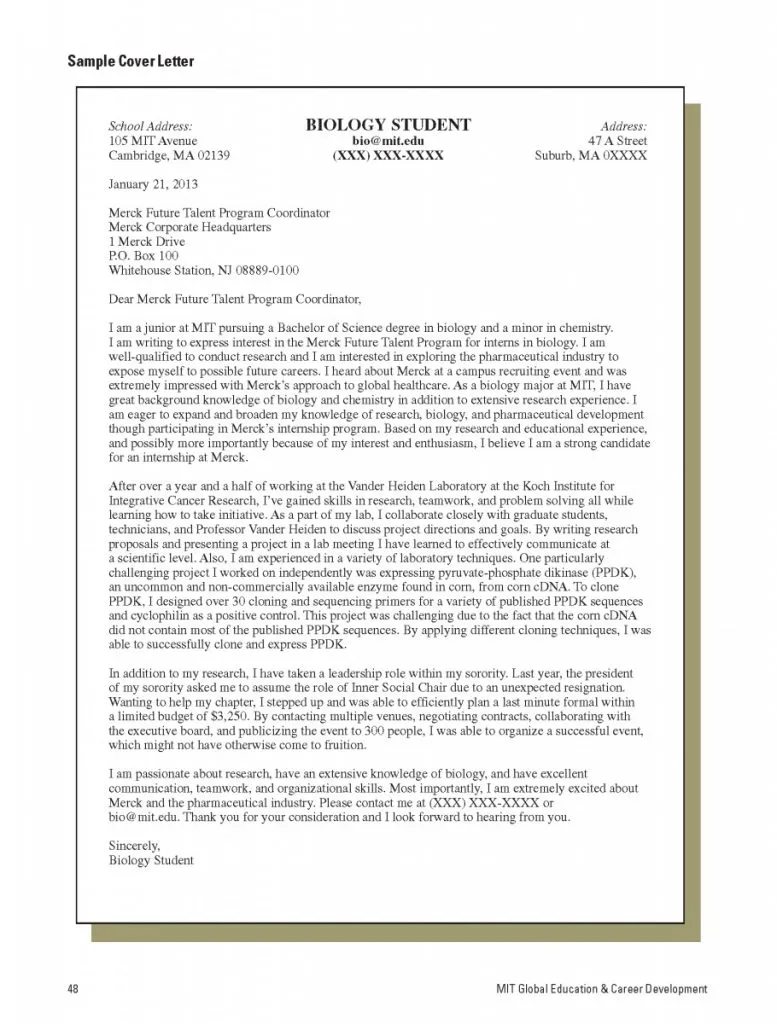
Why a Cover Letter Is Crucial for Job Applicants
In the competitive world of job applications, a well-crafted cover letter can be the key that unlocks your dream career. Far from being an optional formality, the cover letter serves as your personal introduction, allowing you to showcase your personality, skills, and enthusiasm in a way that a resume simply cannot. It’s your opportunity to make a memorable first impression on potential employers, setting you apart from the sea of applicants. A compelling cover letter demonstrates your genuine interest in the specific role and company, providing context to your resume and highlighting why you’re the ideal candidate. Without a cover letter, you risk being perceived as a generic applicant, potentially missing out on opportunities. The cover letter is where you connect the dots between your experience and the job requirements, showing how you can solve their problems and contribute to their success. Essentially, it’s your chance to tell your story, making your application more compelling and increasing your chances of landing an interview.
What to Include in Your Cover Letter
A strong cover letter is a blend of professionalism and personality, highlighting your key skills and experiences while demonstrating your enthusiasm for the role. It should follow a structured approach, making it easy for the reader to quickly grasp your qualifications and suitability. The goal is to provide a concise overview of your value proposition, making employers eager to learn more about you. Remember that each element plays a critical role in painting a clear picture of who you are and what you can bring to the table. Properly addressing these key elements ensures your cover letter is both informative and persuasive, significantly increasing your chances of success. Let’s explore the critical components of a standout cover letter, each element carefully designed to highlight your strengths and make you stand out.
Contact Information

Start with your contact information at the top left or right corner of the letter. Include your full name, phone number, email address, and optionally, your LinkedIn profile URL. This allows the hiring manager to quickly and easily reach out to you if they are interested in scheduling an interview. Ensure this information is accurate and up-to-date, as it’s the primary means of contact used by potential employers. Presenting your contact details in a clear and professional manner demonstrates your attention to detail and commitment to making the application process seamless.
Professional Greeting
Always address your cover letter to a specific person whenever possible. Research the hiring manager’s name and use it in your greeting, such as “Dear Mr./Ms. [Last Name].” This personal touch shows that you have taken the time to understand who will be reading your application, which demonstrates genuine interest. If you can’t find a specific name, use a professional greeting like “Dear Hiring Manager.” Avoid generic greetings such as “To Whom It May Concern,” which can make your letter appear impersonal. A well-crafted greeting immediately grabs the reader’s attention and sets a tone of respect.
Highlighting Your Skills and Experience
The body of your cover letter is where you showcase your key skills and experience. Instead of merely restating your resume, provide specific examples that demonstrate your qualifications. Tailor your examples to the job description, highlighting the skills and experiences that align with the position’s requirements. Quantify your achievements whenever possible using numbers or data to demonstrate your impact in previous roles. For example, instead of saying, “Improved customer satisfaction,” you could say, “Increased customer satisfaction by 15% through implementing a new feedback system.” This section should clearly articulate your ability to contribute to the company’s goals and address their needs.
Expressing Enthusiasm and Interest

Show genuine enthusiasm for the role and the company. Explain why you are interested in the specific position and how it aligns with your career goals. Research the company’s values, mission, and recent projects to demonstrate that you understand their goals and are excited about their work. Express your enthusiasm by connecting your skills and experiences to the company’s needs, showcasing how you can contribute to their success. Demonstrating your passion for the role will make your application more memorable and increase your chances of getting an interview. Personalize your letter to create a connection that resonates with the hiring manager.
Call to Action and Closing
End your cover letter with a clear call to action. Express your availability for an interview and provide your contact information again if needed. Thank the hiring manager for their time and consideration. Close with a professional closing such as “Sincerely” or “Best regards,” followed by your typed name. A strong closing leaves a positive impression, reinforcing your interest in the role and making it easy for the hiring manager to move forward with the next steps in the hiring process. Keep your tone professional and enthusiastic until the very end to maintain a consistent impression.
Top 5 Cover Letter Examples
Different cover letter examples can highlight varied aspects of your skills and personality, catering to the specific requirements of different job roles. Understanding the structure and tone that best suit different situations is crucial for creating an effective application. Whether you’re focusing on specific accomplishments, skills, or a creative approach, these examples can provide insight and inspiration to help you tailor your cover letter effectively. We’ll look at five different approaches, each designed to capture the attention of potential employers and get you one step closer to landing your dream job.
Example 1 The Enthusiastic Applicant

This cover letter focuses on expressing genuine enthusiasm for the role and the company. It emphasizes your passion, excitement, and willingness to contribute positively to the team. The goal is to showcase your eagerness to join the company and demonstrate that you’re a great cultural fit. The tone is positive and upbeat, aiming to captivate the hiring manager with your eagerness to make a difference. This approach is excellent for roles where personality and team fit are highly valued. Use language that reflects your excitement and aligns with the company’s culture.
Key Features of This Example
- Expresses genuine enthusiasm for the company and the role.
- Highlights the applicant’s eagerness to contribute positively.
- Emphasizes a positive and upbeat tone.
- Focuses on demonstrating cultural fit and passion.
- Uses language that reflects excitement and alignment with the company’s values.
Example 2 The Accomplishment-Focused Cover Letter
This cover letter highlights your accomplishments and provides quantifiable results. This example prioritizes showcasing your achievements by using numbers and data to demonstrate your value. The focus is on what you have achieved in previous roles, proving your ability to deliver results. This approach is perfect for roles where proven success and measurable impact are essential. Use this approach to show the tangible results you’ve achieved in previous positions, such as increased sales, reduced costs, or improved efficiency. Make sure to tailor these accomplishments to align with the specific needs of the job you’re applying for.
Key Features of This Example

- Focuses on quantifiable achievements and results.
- Uses numbers and data to demonstrate impact.
- Highlights successes in previous roles.
- Emphasizes what the applicant has achieved.
- Tailors accomplishments to align with the job requirements.
Example 3 The Skills-Based Cover Letter
This cover letter highlights your key skills and how they align with the job requirements. The main goal of this format is to directly address the job description and highlight the skills that match. It’s an excellent choice for roles where specific skills are essential. Provide concrete examples of how you have used these skills in past roles and the results you achieved. Demonstrate that you have the skills necessary to succeed in the position by directly referencing the requirements listed in the job description. Make your qualifications clear and concise, making it easy for the hiring manager to see your value.
Key Features of This Example
- Highlights key skills relevant to the job requirements.
- Directly addresses the job description.
- Provides concrete examples of skill application.
- Emphasizes qualifications and their relevance.
- Makes the alignment of skills and requirements clear.
Example 4 The Networking Cover Letter

This cover letter leverages your network to make a connection and gain an advantage. If you have a referral or know someone at the company, this format can be highly effective. Mention the name of the person who referred you or shared information about the role. This personal touch can help your application stand out and get you noticed. This approach is most effective when you have a legitimate connection to the company. The goal is to use your network to boost your application and showcase your value. Always be professional and respectful when using your network.
Key Features of This Example
- Leverages personal connections within the company.
- Mentions the name of the referral or connection.
- Adds a personal touch to the application.
- Can help the application stand out.
- Uses network to boost application.
Example 5 The Creative Cover Letter
This cover letter uses creativity to capture the hiring manager’s attention. If you’re applying for a creative role, this could involve a unique design, a different format, or an innovative approach. Your goal is to demonstrate your creativity and stand out from other applicants. It works well for roles in design, marketing, or other fields where originality is valued. Be sure your creative approach is appropriate for the company’s culture. Ensure that your creative element aligns with the company’s values and job requirements. This approach highlights your ability to think outside the box.
Key Features of This Example

- Uses creativity to capture the hiring manager’s attention.
- May include unique designs, formats, or approaches.
- Demonstrates creativity and originality.
- Suitable for creative roles such as design or marketing.
- Ensures the creative element aligns with the company’s culture and job requirements.
Tips for Tailoring Your Cover Letter
Tailoring your cover letter is an essential step in making a strong impression on potential employers. A generic cover letter will often be overlooked, while a customized one demonstrates your genuine interest and understanding of the role. By taking the time to adapt your letter to each specific job, you significantly increase your chances of getting noticed and securing an interview. This involves research, personalization, and careful attention to detail to show that you are the perfect fit for the position. Every company and every job is unique, requiring a tailored approach to highlight your relevant skills and experiences.
Research the Company
Before you start writing, research the company. Visit their website, read news articles, and check their social media profiles. Understand their mission, values, and recent projects. This research will help you tailor your cover letter to their specific needs and demonstrate your interest in their organization. Knowing about the company allows you to address the specific requirements of the role. Show that you’ve done your homework, that you’re genuinely interested in the company, and you understand their goals. The more you know, the better you can align your skills and experiences with their needs.
Customize for Each Job

Each job requires a unique approach. Review the job description carefully and highlight the skills, experiences, and qualifications the employer is seeking. Customize your cover letter by incorporating keywords and phrases from the job description. Provide examples that show how your experience aligns with the requirements listed. This personalization is key to demonstrating that you are the right fit for the position. Always adjust your cover letter for each application to match the specific role and show you understand what the employer is looking for. The more you tailor your letter, the higher your chances of landing an interview.
Proofread Carefully
Proofread your cover letter meticulously before submitting it. Errors in grammar, spelling, or punctuation can create a negative impression and suggest a lack of attention to detail. Use a spell checker, but also read your letter carefully. Have a friend or family member review it as well, as a fresh pair of eyes can often catch mistakes you might have missed. Ensure the formatting is consistent, and that the layout is neat and professional. A polished and error-free cover letter reflects your professionalism and demonstrates your commitment to quality. Make sure the final product is perfect before you submit it.