Cover Letter: 5 Secrets to Success
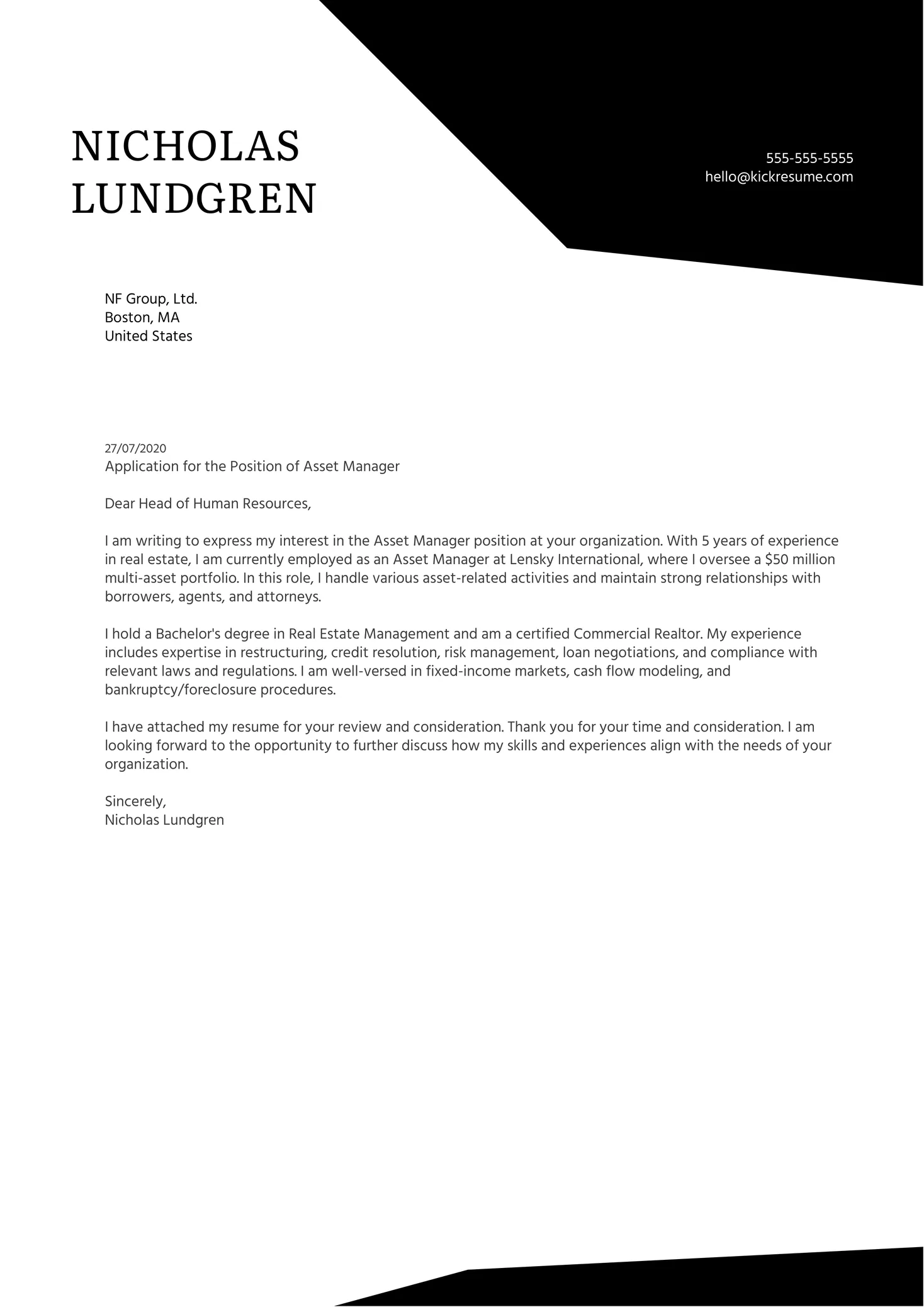
In the competitive world of asset management, a well-crafted cover letter is your first opportunity to make a lasting impression. It’s more than just a formality; it’s a crucial tool to showcase your skills, experience, and passion for the industry. A compelling cover letter can significantly increase your chances of landing an interview and ultimately, your dream job. Understanding the nuances of what makes a cover letter successful is key. This guide will unveil five essential secrets to crafting a standout cover letter that grabs the attention of hiring managers and sets you apart from the competition. By implementing these strategies, you’ll be well on your way to career success in the exciting field of asset management. Let’s dive into these crucial secrets that will transform your cover letter into a powerful tool for career advancement.
Highlighting Your Asset Management Skills
Your cover letter should serve as a spotlight, illuminating your most relevant skills for the asset management role. Avoid generic statements; instead, provide specific examples that demonstrate your abilities. This means going beyond simply listing skills; you need to illustrate how you’ve applied them to achieve tangible results. Think about the key responsibilities outlined in the job description and ensure your letter aligns with those needs. This could include skills such as financial analysis, portfolio management, risk assessment, or client relationship management. The goal is to immediately connect your skills with the company’s needs. Consider using action verbs to describe your accomplishments, making your qualifications more impactful and easier for the reader to grasp. Use concise language and avoid jargon that might confuse the reader. Make it clear that your skillset aligns perfectly with what the company seeks.
Quantifying Achievements

One of the most effective ways to impress potential employers is to quantify your achievements. Numbers speak volumes, and providing specific data about your successes makes your claims more credible and compelling. When describing your experience, include metrics such as the percentage of portfolio growth you achieved, the amount of assets you managed, the number of clients you acquired or retained, or any cost savings you generated. For instance, instead of saying ‘Improved portfolio performance,’ you could write ‘Increased portfolio returns by 15% within one year, surpassing the benchmark.’ Similarly, if you improved operational efficiency, state the percentage reduction in expenses or the time saved. Quantifying your achievements not only demonstrates your capabilities but also showcases your ability to deliver results, which is highly valued in the asset management industry. By using numbers, you make your impact clear and create a convincing narrative of your value.
Showcasing Relevant Experience
Your cover letter must clearly showcase relevant experience that aligns with the job requirements. This means tailoring your letter to each specific position and emphasizing the experiences that directly relate to the role’s responsibilities. Carefully review the job description and identify the key qualifications the company is looking for, then highlight the experience you have that matches these needs. If the job requires expertise in a particular asset class, such as equities or fixed income, make sure to mention your experience in those areas. Provide concise descriptions of your past roles and the contributions you made. Use action-oriented language to describe your duties and accomplishments, illustrating how you’ve applied your skills and knowledge to achieve success. This might include managing client portfolios, conducting financial analysis, or implementing investment strategies. By carefully selecting and highlighting the most relevant aspects of your work history, you’ll demonstrate your suitability for the role and capture the attention of the hiring manager.
Demonstrating Industry Knowledge
In the fast-paced world of asset management, it’s crucial to demonstrate a solid understanding of the industry. This goes beyond simply listing your qualifications; it involves showcasing your knowledge of current market trends, investment strategies, and relevant financial instruments. Your cover letter should reflect your awareness of the asset management landscape and your ability to think critically about investment opportunities and risks. Demonstrate your industry knowledge by mentioning recent market developments, such as changes in regulations or shifts in investor sentiment. If you’re familiar with specific investment strategies or asset classes, mention them and explain why they are relevant to the company’s investment approach. Including these details shows you’ve done your homework and that you are truly passionate about the field. This can set you apart from other candidates. Use this opportunity to subtly display your expertise and passion for asset management. Be sure to write in a professional tone and avoid jargon.
Understanding the Asset Management Landscape
A key aspect of industry knowledge is understanding the current asset management landscape. This includes being aware of the major players, the competitive environment, and the latest trends. Research the company you are applying to and understand its place within the industry. Understand their investment strategies, their client base, and their financial performance. Mentioning this information in your cover letter shows that you’ve taken the time to understand the company and that you share their values and objectives. If you are familiar with the company’s competitors or the industry’s challenges, you can briefly discuss these aspects in your cover letter. Demonstrating this awareness can set you apart from other candidates and highlight your strategic thinking. Knowing the intricacies of the industry also shows you’re prepared to navigate its complexities. This could include discussing the impact of new regulations, technological advancements, or changing client preferences.
Tailoring Your Cover Letter
A generic cover letter is easily recognized and often discarded. To make a positive impression, always tailor your cover letter to each specific job application. This means more than just changing the company name; it requires careful consideration of the job description, the company’s values, and the specific requirements of the role. Begin by thoroughly reviewing the job description and identifying the key skills, experience, and qualifications that the company is seeking. Then, highlight your relevant skills and experiences, making sure to connect them to the job’s requirements. Research the company and understand its mission, values, and investment approach. Demonstrate your understanding of their business and explain why you are a good fit for their culture. If possible, address your cover letter to a specific person, rather than using a generic greeting. By customizing your cover letter, you show the hiring manager that you are genuinely interested in the position and that you’ve taken the time to understand the company’s needs and show them that you are a good match.
Expressing Enthusiasm and Passion
Your cover letter is a platform to express your genuine enthusiasm for the asset management field and your specific interest in the role. Hiring managers want to see that you are passionate about their industry and that you are eager to contribute to their team. Clearly articulate why you are interested in the specific company and the role. Mention any aspects of the company’s work that particularly resonate with you, such as their investment philosophy, their client base, or their company culture. Use enthusiastic language and demonstrate your eagerness to learn and grow in the role. Your enthusiasm should come across as sincere. Avoid clichés and instead write in your own voice, conveying your genuine interest. This genuine enthusiasm will make you more memorable and increase your chances of securing an interview. Also, show your eagerness to learn and contribute to the company’s success.
Researching the Company

Before you begin writing your cover letter, invest time in researching the company. Visit their website, read their annual reports, and follow their social media accounts. This will give you a better understanding of their business, their values, and their investment approach. This research will help you tailor your cover letter to the company’s specific needs and demonstrate that you have a genuine interest in working there. Identify the company’s key strengths, their investment philosophy, and any recent achievements or challenges. Incorporate this knowledge into your cover letter by mentioning specific aspects of their business that appeal to you and by explaining how your skills and experience align with their objectives. For instance, you might mention your interest in a particular investment strategy or your admiration for their commitment to client service. By demonstrating your research, you show that you are proactive, engaged, and genuinely interested in the opportunity.
Personalizing Your Letter
While tailoring your cover letter to each company is important, it’s also critical to personalize it to reflect your unique personality and career goals. Let your authentic self shine through. Share your personal story and explain what has drawn you to asset management. Your cover letter is not just a list of skills; it’s a narrative that tells your story. Include a brief anecdote or a personal statement that explains why you are passionate about the field. Mention specific experiences that have shaped your career aspirations or demonstrated your skills. Perhaps you’ve overcome a challenge, achieved a significant goal, or made a meaningful contribution to a previous employer. Be authentic, enthusiastic, and let your passion shine. This will make your cover letter more memorable and help you connect with the hiring manager on a personal level. By showcasing your unique personality and experiences, you will increase your chances of leaving a lasting impression.
Mastering the Formatting and Tone
The formatting and tone of your cover letter are as important as its content. A well-formatted letter that is written in a professional tone demonstrates your attention to detail and your ability to communicate effectively. Ensure your letter is easy to read, free of errors, and visually appealing. Use a clear and concise writing style, avoiding jargon and overly complex language. Maintaining a professional tone while keeping your message focused on your qualifications is key. Use a professional font, such as Times New Roman or Arial, and maintain consistent formatting throughout the document. Proper formatting, along with a professional tone, makes a strong first impression.
Formatting for Readability

Your cover letter should be easy for the hiring manager to read and digest. Use a clear and professional font, such as Times New Roman or Arial, and maintain a consistent font size. Avoid using excessive formatting, such as bolding or underlining large sections of text. Break up your text into concise paragraphs with clear topic sentences. Use bullet points or numbered lists when presenting your skills and accomplishments. The goal is to make your cover letter as easy to read as possible. This demonstrates your respect for the reader’s time and makes it more likely that they will absorb your message. Avoid using long paragraphs; instead, keep your sentences and paragraphs short and to the point. Use headings and subheadings to break up the text and make it easier to navigate. By prioritizing readability, you enhance the overall impact of your cover letter.
Using a Professional Tone
The tone of your cover letter should be professional and appropriate for the asset management industry. Use formal language and avoid slang or informal expressions. Maintain a positive and confident tone throughout your letter. Use action-oriented verbs and focus on your skills, experience, and accomplishments. Avoid using overly enthusiastic or overly humble language. Instead, aim for a tone that is confident, but not arrogant. Your cover letter should reflect your professionalism and attention to detail. This includes proper grammar, spelling, and punctuation. Proofread your cover letter carefully to ensure that it is free of errors. Maintain a polite and respectful tone throughout. Using a professional tone sets a positive tone from the beginning, improving the chances of your application. By doing so, you make a strong impression and make yourself stand out as a well-qualified candidate.
Proofreading and Editing
Before submitting your cover letter, proofread and edit it carefully. Errors in grammar, spelling, and punctuation can undermine your credibility and damage your chances of getting an interview. Reading your cover letter aloud can help you catch errors that you might otherwise miss. Ask a friend, colleague, or career counselor to review your cover letter and provide feedback. Ensure that your letter is clear, concise, and easy to understand. A well-proofread and edited cover letter demonstrates your attention to detail and your professionalism. Your cover letter should represent you in the best possible light. Always review your application. Don’t underestimate the importance of proofreading; it could be the key to your success.
Checking for Grammatical Errors

Grammatical errors can significantly detract from your credibility and make you appear unprofessional. Before submitting your cover letter, meticulously check for any grammatical errors. Use a grammar checker to catch any obvious mistakes. However, grammar checkers aren’t foolproof, so it’s important to proofread your letter carefully. Ensure that your sentences are well-structured and that your subject and verbs agree. Pay close attention to punctuation, including commas, semicolons, and apostrophes. Incorrect punctuation can change the meaning of your sentences and make your writing difficult to understand. Reading your cover letter aloud can help you catch errors that you might have missed. It is also useful to have a friend or colleague review your cover letter. A well-written and grammatically correct cover letter can significantly improve your chances of landing an interview.
Ensuring Clarity and Conciseness
Clarity and conciseness are vital for a successful cover letter. Ensure your writing is clear and easy to understand. Avoid using overly complex language or jargon. Focus on conveying your message in a straightforward and direct manner. Conciseness is also essential. Hiring managers are busy and do not have time to read lengthy cover letters. Keep your letter brief, focusing on the most relevant information. Each sentence should have a clear purpose. Avoid including unnecessary details or irrelevant information. Aim to get your message across in as few words as possible. Before submitting your cover letter, review it and eliminate any unnecessary words or phrases. A clear and concise cover letter is more likely to capture the hiring manager’s attention and make a positive impression.