What is a Cover Letter
A cover letter is a crucial document that accompanies your resume when applying for a job. It serves as an introduction, allowing you to showcase your personality, skills, and enthusiasm for the position. Unlike a resume, which provides a factual overview of your experience, a cover letter allows you to tell a story, explain why you’re the perfect fit for the role, and demonstrate your understanding of the company and its needs. Think of it as your opportunity to make a strong first impression and convince the hiring manager to read your resume more closely. The best cover letter examples effectively communicate your unique value proposition and distinguish you from other candidates.
Why Are Cover Letters Important
In today’s competitive job market, a well-crafted cover letter can significantly increase your chances of getting noticed. Many hiring managers consider a cover letter to be a vital part of the application process, as it provides valuable insights into a candidate’s communication skills, writing ability, and genuine interest in the position. It is your chance to demonstrate that you have researched the company, understand the job requirements, and are passionate about the opportunity. Ignoring this important document is a huge mistake; you will be immediately putting yourself at a disadvantage. Even if a job posting doesn’t explicitly require a cover letter, it’s always a good idea to include one. This extra effort can set you apart and show your professionalism.
Cover Letter Template Essentials

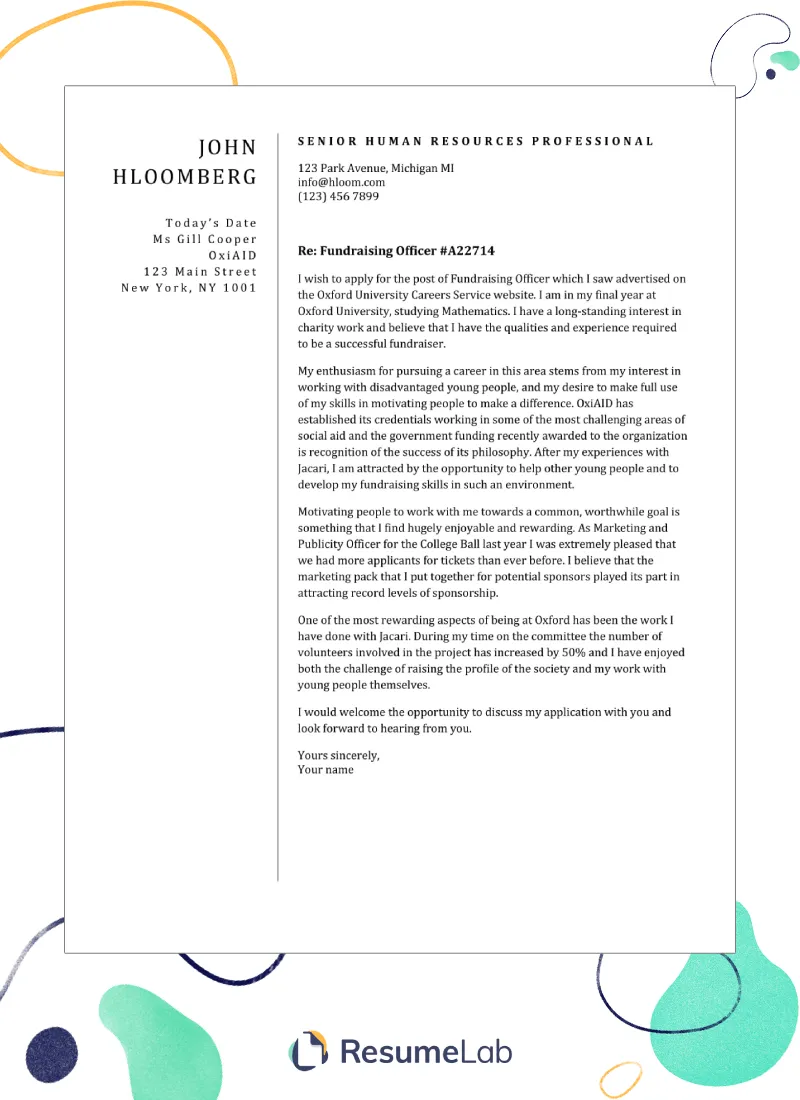
When it comes to cover letter templates, certain elements are universally essential. Begin with your contact information, including your name, phone number, email address, and, optionally, your LinkedIn profile URL. Next, include the date and the hiring manager’s name and title (if known), along with the company’s address. The body of the cover letter should be concise and engaging, typically consisting of three to four paragraphs. The opening paragraph should grab the reader’s attention and state the position you’re applying for. In the subsequent paragraphs, highlight your skills, experiences, and accomplishments that align with the job requirements. Finally, conclude with a strong call to action, expressing your interest in an interview and thanking the hiring manager for their time and consideration. A professional closing, such as “Sincerely” or “Best regards,” is also crucial. The best cover letter templates have these basics covered.
Formatting Your Cover Letter
Proper formatting is crucial for making your cover letter easy to read and visually appealing. Choose a professional and readable font, such as Arial, Times New Roman, or Calibri, with a font size of 11 or 12 points. Use single spacing within paragraphs and double spacing between paragraphs to enhance readability. Maintain consistent margins (typically 1 inch on all sides) and avoid excessive use of bolding, italics, or underlining. The layout should be clean and uncluttered, allowing the hiring manager to quickly scan the document and grasp the key information. Use bullet points sparingly, and only when it helps to highlight specific achievements or skills. Always proofread your cover letter carefully to eliminate any grammatical errors or typos, as they can create a negative impression. Well-formatted cover letter examples clearly communicate professionalism.
Choose The Right Template
Selecting the right cover letter template can make a significant difference in how your application is perceived. There are various templates available, each designed for specific situations. Consider using a professional template that’s clean, simple, and easy to read. Avoid templates that are overly creative or distracting, as they can detract from your message. For a traditional approach, a standard business letter format is suitable. If you have limited experience, consider a cover letter that emphasizes your transferable skills and enthusiasm. For experienced professionals, templates that highlight your achievements and quantify your accomplishments are often most effective. Tailor the template to the specific job and company you’re applying for, ensuring that it reflects your unique qualifications and the organization’s culture. The best cover letter templates provide a foundation for your success.
Address the Hiring Manager

Addressing the hiring manager by name is one of the most impactful ways to personalize your cover letter. Researching the hiring manager’s name can be easily done through the company’s website, LinkedIn, or by calling the company directly. This shows that you’ve taken the time to learn about the company and are genuinely interested in the opportunity. If you cannot find the hiring manager’s name, use a general salutation, such as “Dear Hiring Manager” or “Dear [Department Name] Team.” Avoid generic greetings like “To Whom It May Concern,” as they often make the letter seem less personal. In the body of your cover letter, refer to the specific job requirements and explain how your skills and experiences align with the position. Customizing your cover letter to the company and role demonstrates your attention to detail and commitment.
Highlight Relevant Skills
Your cover letter is an excellent place to highlight your most relevant skills and how they match the job requirements. Carefully review the job description and identify the key skills and qualifications the employer is seeking. In your cover letter, provide specific examples of how you have demonstrated these skills in previous roles or projects. Use keywords from the job description to make your application more easily searchable by applicant tracking systems (ATS). However, avoid simply listing your skills; instead, showcase them in action. Describe the situations where you used those skills, the actions you took, and the positive results you achieved. Quantify your accomplishments whenever possible, using numbers to demonstrate the impact of your contributions. This will help the hiring manager quickly understand how you can add value to their team.
Showcase Your Achievements
Showcasing your achievements is a great way to demonstrate your value. Don’t just list your job responsibilities; instead, focus on the accomplishments you’ve achieved in previous roles. Use the STAR method (Situation, Task, Action, Result) to structure your examples. First, describe the situation you faced. Then, outline the task you were assigned. Next, explain the actions you took to address the task. Finally, present the results you achieved, quantifying your accomplishments whenever possible. For example, instead of saying, “Managed social media accounts,” you might say, “Increased social media engagement by 30% in six months by implementing a new content strategy.” This method helps you provide clear, concise, and compelling evidence of your skills and abilities. The strongest cover letter examples make use of such achievement-oriented statements.
Cover Letter Examples

Reviewing cover letter examples can provide valuable insights into how to structure and write your own. Several online resources offer a wide variety of cover letter examples for different industries, job titles, and experience levels. As you review these examples, pay attention to the language used, the tone of the letter, and how the candidate highlights their skills and achievements. Note how the candidate addresses the hiring manager, tailors the letter to the specific job requirements, and expresses their enthusiasm for the opportunity. Use the examples as a guide to create a cover letter that is unique to your own qualifications and experiences. Adapt the examples to reflect your own career journey, skills, and accomplishments. Remember to personalize the template to match the company’s values and brand. The best cover letter examples help guide the writing process.
Cover Letter Examples for Specific Industries
Cover letters for specific industries often have unique requirements and conventions. For example, a cover letter for a creative role may emphasize your portfolio and design skills, while a cover letter for a technical role may focus on your technical expertise and project experience. Research the specific industry and tailor your cover letter accordingly. For example, if you’re applying for a position in the healthcare industry, highlight your experience working with patients, your knowledge of medical terminology, and your commitment to providing quality care. For a marketing role, showcase your ability to develop and execute marketing campaigns, analyze data, and drive results. Tailoring your cover letter to the industry demonstrates your awareness of the sector’s specific needs. Using industry-specific keywords will help your application be found.
Cover Letter Examples for Entry-Level Positions
For entry-level positions, cover letters are crucial for highlighting your potential and demonstrating your enthusiasm. Since you may have limited work experience, focus on your transferable skills, such as communication, teamwork, problem-solving, and time management. Highlight any relevant coursework, projects, or internships you’ve completed, as well as any extracurricular activities or volunteer experiences. Show that you are a quick learner, adaptable, and eager to contribute to the company’s success. Even if you lack direct experience, you can still demonstrate your value by emphasizing your skills, passion, and willingness to learn. Tailor your cover letter to the specific job and company, highlighting your relevant skills and showing your enthusiasm for the opportunity. Using entry-level cover letter examples can offer inspiration.
Cover Letter Examples for Experienced Professionals

For experienced professionals, a cover letter is an opportunity to highlight your accomplishments and demonstrate your leadership skills. Focus on quantifying your achievements and providing concrete examples of how you’ve contributed to previous employers’ success. Emphasize your ability to manage projects, lead teams, and drive results. Showcase your expertise, your industry knowledge, and your ability to solve complex problems. Tailor your cover letter to the specific job requirements and company, and demonstrate how your experience aligns with their needs. Use a professional tone and language, and highlight any awards, recognition, or promotions you’ve received. Experienced professionals should use cover letters to reinforce their existing accomplishments and express their interest in the position.
Proofread and Edit
Proofreading and editing your cover letter is an essential step in the application process. Carefully review your cover letter for any grammatical errors, spelling mistakes, or typos. Read the letter aloud to check for awkward phrasing or inconsistencies. Ensure that your sentences are clear, concise, and easy to understand. Ask a friend, family member, or career counselor to review your cover letter and provide feedback. A fresh pair of eyes can often catch errors you may have missed. Make sure the tone of your cover letter is appropriate for the job and company. Before submitting your application, double-check that your contact information is accurate and up-to-date. The best cover letter examples are always well-proofread and edited.
Common Cover Letter Mistakes to Avoid
Several common mistakes can undermine the effectiveness of your cover letter. Avoid generic greetings, such as “To Whom It May Concern,” and instead, try to address the hiring manager by name. Don’t simply repeat your resume; use the cover letter to elaborate on your skills and experiences. Avoid using clichés, such as “I am a team player” or “I am a hard worker.” Instead, provide specific examples of how you have demonstrated these qualities. Don’t exceed one page in length. Keep your cover letter concise and to the point. Proofread your cover letter carefully to eliminate any errors. Always tailor your cover letter to the specific job and company, demonstrating your genuine interest in the position. By avoiding common mistakes, you can increase your chances of making a positive impression.
How To Write The Best Cover Letter FAQs

What should a cover letter include? A cover letter should include your contact information, the date, the hiring manager’s name, a strong opening statement, highlights of your skills and achievements, and a call to action. How long should a cover letter be? A cover letter should be no more than one page long. How do you start a cover letter? Start with a compelling hook, such as a specific achievement or your enthusiasm for the role. How do you end a cover letter? End with a call to action, such as expressing your interest in an interview and thanking the hiring manager. What font should be used in a cover letter? Use a professional and readable font, such as Arial, Times New Roman, or Calibri, with a font size of 11 or 12 points. Should you include a cover letter if it’s not required? Yes, it’s always a good idea to include a cover letter unless the job posting specifically states not to. By following these guidelines, you can create the best cover letter possible.