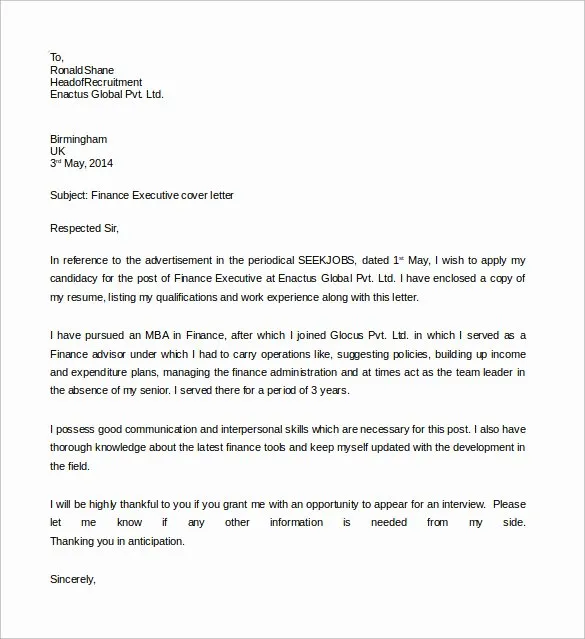
What is a Cover Letter (and Why You Need One)
A cover letter is a crucial document that accompanies your resume when applying for a job. It serves as a personal introduction, providing an opportunity to showcase your personality, skills, and enthusiasm for the position. Unlike a resume, which presents a factual summary of your qualifications, a cover letter allows you to tell a story and explain why you’re the ideal candidate. It’s your chance to make a strong first impression and persuade the hiring manager to read your resume and consider you for an interview. Without a well-crafted cover letter, your application might be overlooked, as it fails to highlight your unique value proposition and connect with the employer on a personal level. A cover letter can be the deciding factor in whether you get an interview or not, so it’s worth the time and effort.
Key Components of a Strong Cover Letter
A well-structured cover letter typically includes several key components. These elements work together to present a compelling case for your candidacy. Mastering these components will significantly increase your chances of success. The foundation of a great cover letter is clear, concise, and tailored to the specific job and company. The tone should be professional yet personable, demonstrating your genuine interest in the opportunity. Make sure to proofread carefully to eliminate any errors that could undermine your credibility. Remember that each part serves a specific purpose in presenting you as a potential employee.
Header of Your Cover Letter

The header of your cover letter is the very first thing the hiring manager sees. It sets the tone for the entire document and should include your contact information, the date, and the recipient’s information. The header should be formatted consistently with your resume, presenting a professional image. Use a clean and easy-to-read font and style. Make sure your contact information is accurate and up-to-date. This will allow recruiters to easily reach you, and can increase your chances of moving forward in the application process.
Your Contact Information
Include your full name, phone number, email address, and LinkedIn profile URL (if you have one) in the header. Ensure your email address is professional and appropriate for job applications. Avoid using nicknames or unprofessional email addresses. Keep the formatting consistent with the rest of the document. Double-check all contact details to ensure they are correct. This is critical for the hiring manager to contact you for an interview. This may seem small, but it can significantly impact how a recruiter sees your application.
Date and Recipient Details
Below your contact information, include the date of the cover letter. Then, include the recipient’s name, title, and the company’s name and address. If possible, address the letter to a specific person, such as the hiring manager or the person listed in the job posting. Researching the hiring manager’s name demonstrates your initiative and attention to detail. If you can’t find a specific name, use a general salutation like ‘Dear Hiring Manager.’ Use professional titles, and ensure the company’s name and address are accurate. This shows you are serious about the position.
Professional Salutation

Start your cover letter with a professional salutation, such as ‘Dear Mr./Ms./Mx. [Last Name]’ if you know the recipient’s name. If you don’t know the name, use ‘Dear Hiring Manager’ or ‘Dear [Company Name] Hiring Team.’ Avoid generic salutations like ‘To Whom It May Concern.’ The salutation sets the tone for the entire letter, so choose a respectful and appropriate one. Using the correct name immediately makes the letter more personable and shows your attention to detail. It demonstrates that you have taken the time to research the company and the role.
Body of Your Cover Letter
The body of your cover letter is where you make your case for the job. It’s the main part of the document, and it should be well-organized, concise, and compelling. Each paragraph should have a clear purpose, and the overall flow should be logical and easy to follow. Your goal is to convince the hiring manager that you have the skills, experience, and personality to excel in the role. Keep the language active and engaging. Focus on the value you can bring to the company. This is the section to make a statement and show that you are a great candidate.
First Paragraph: Grab Attention
Start your cover letter with a strong opening paragraph that grabs the reader’s attention. Clearly state the position you’re applying for and how you learned about it. Briefly mention your most relevant qualifications or a compelling achievement. The goal is to create interest and make the hiring manager want to read more. Make a bold statement that grabs their attention and makes them want to continue reading. Avoid generic opening lines. Instead, tailor your opening to the specific job and company. This will make your cover letter stand out from the rest.
Second Paragraph: Showcase Skills and Experience

In the second paragraph, highlight your skills and experience that are most relevant to the job. Review the job description and identify the key requirements. Provide specific examples of how you’ve demonstrated those skills in previous roles. Use the STAR method (Situation, Task, Action, Result) to describe your accomplishments. Quantify your achievements whenever possible to demonstrate the impact you’ve made. This section should be well-structured and easy to read. Tailor the content to show that you are a great fit for the position.
Third Paragraph: Express Enthusiasm and Fit
In the third paragraph, express your enthusiasm for the company and the specific role. Explain why you’re interested in the company and what attracts you to the opportunity. Describe how your values align with the company’s mission and culture. Showcase your understanding of the company’s products or services. This is your chance to demonstrate that you’ve done your research and genuinely want to work there. Be sincere and genuine in your expression. Make sure the hiring manager can feel your enthusiasm and your desire to join the team.
Closing Paragraph: Call to Action
Conclude your cover letter with a strong call to action. Reiterate your interest in the position and thank the hiring manager for their time and consideration. Express your eagerness to discuss your qualifications further in an interview. Provide your contact information again and state your availability. Make it easy for the hiring manager to take the next step. A clear call to action will increase your chances of moving forward in the hiring process. It also shows you are enthusiastic about taking the next step.
Formal Closing

Use a formal closing, such as ‘Sincerely,’ ‘Respectfully,’ or ‘Best regards,’ followed by a comma. Maintain a professional tone throughout the letter. Choose a closing that aligns with the overall tone of your cover letter. Ensure your closing is appropriate for the industry and company culture. It sets a professional and courteous end to your cover letter, leaving the hiring manager with a positive impression. Make it professional and appropriate to leave a great impression.
Your Name and Signature
Type your full name below the closing. If you’re submitting a physical copy, leave space for your handwritten signature above your typed name. Your signature adds a personal touch and reinforces your commitment to the role. Make sure your name is clearly legible. This is the final step to your cover letter. You’ve put in the hard work, and this is how you send your application.
Formatting Your Cover Letter
Formatting is crucial for making your cover letter easy to read and visually appealing. A well-formatted letter is more likely to be read and understood. Choose a professional font, use clear headings and spacing, and proofread carefully for any errors. This section will go over the key points for making your cover letter easily understood. Good formatting will show the hiring manager that you are professional and care about the details. Formatting is one of the most critical parts of a cover letter.
Font and Font Size

Use a professional and easy-to-read font, such as Times New Roman, Arial, or Calibri. Maintain a consistent font throughout the document. Use a font size between 10 and 12 points. Avoid using overly decorative or unusual fonts. The font should be simple and clear, so that the hiring manager can read with ease. A clear font makes a good first impression and it shows attention to detail.
Margins and Spacing
Set the margins to 1 inch on all sides. Use single spacing for the body of the letter and double spacing between paragraphs. This creates visual balance and prevents the letter from looking cluttered. Use consistent spacing throughout the document. Use bold or italics sparingly for emphasis. Clear margins and spacing will make your cover letter look professional and easy to read. It improves the overall appearance and readability of the document.
Proofreading and Editing
Thoroughly proofread your cover letter for any grammatical errors, spelling mistakes, and typos. Ensure the language is clear, concise, and professional. Ask a friend or career counselor to review your cover letter for feedback. A polished and error-free cover letter reflects your attention to detail. Check all the facts and figures to make sure they’re accurate. Proofreading is critical to make a good first impression and show that you care about the details. A good cover letter is sure to get you an interview.
Cover Letter Template for Different Job Types

The best cover letter template depends on your experience and the type of job you’re applying for. Consider the experience level and industry when writing your cover letter. Here are some template options to help you get started. Tailoring your cover letter to the job type is critical for making a great first impression. By understanding how to approach different situations, you can increase your chances of success.
Entry-Level Cover Letter Template
If you’re applying for an entry-level position, focus on your education, relevant coursework, and any internships or volunteer experiences. Highlight any transferable skills, such as communication, teamwork, or problem-solving. Mention your enthusiasm for the industry and the company. The template should emphasize your potential and eagerness to learn. Be sure to focus on what you can bring, and show your willingness to work hard. It is important to show your enthusiasm and drive, because you may not have much experience.
Experienced Professional Cover Letter Template
For experienced professionals, focus on your accomplishments and quantifiable results. Highlight your relevant skills and experience, demonstrating how you’ve contributed to previous employers’ success. Provide specific examples and use data to back up your claims. Tailor your cover letter to the specific requirements of the job description. Provide specific results. Don’t be afraid to brag a bit! This is your chance to show why you are the best candidate.
Cover Letter for Specific Industries
Some industries may require specific formatting or content. Research the industry’s standards and tailor your cover letter accordingly. For example, the creative industry may value a more visually appealing cover letter. Technology and STEM industries may require a strong focus on technical skills. Make sure to use industry-specific keywords. It can be helpful to look at examples for the industry to see what is expected. You should also show enthusiasm for the particular industry.
Tips for Customizing Your Cover Letter Template
Customizing your cover letter template is essential for making a strong impression. The most common mistake is sending the same letter to every company. Taking the time to customize will show that you care and that you have specific goals in your career. To be successful, be sure to take your time and do your research.
Research the Company
Before you start writing, research the company’s mission, values, and culture. Understand the company’s products or services and its target audience. This will help you tailor your cover letter to demonstrate your genuine interest in the company. Find out what the company does and how you can contribute. Showing that you have done your homework will show your attention to detail and drive. The more you know, the better you will be able to make an impression.
Tailor Your Content
Review the job description carefully and identify the key requirements. Tailor your content to highlight your skills and experiences that align with those requirements. Use keywords from the job description throughout your cover letter. Customize the language and tone to match the company’s brand. Make sure the content is tailored for the specific job. Be sure to highlight those skills. This will make sure your cover letter is read and makes a great first impression.
Highlight Relevant Skills
Clearly identify your skills and experiences that are most relevant to the job. Use examples and quantifiable results to demonstrate your accomplishments. Explain how your skills and experiences will benefit the company. Focus on what makes you unique and why you’re the best fit for the role. It may be helpful to list your skills in a bulleted list, or within the body of your letter. However you choose to list them, make sure your skills are easy to understand and are targeted for the particular job.
Finalizing and Submitting Your Cover Letter
Before submitting your cover letter, review it carefully. Ensure it’s free of errors and tailored to the specific job. Then, when submitting, make sure to follow all instructions provided in the job posting. Here are the final steps. A well-crafted cover letter is the final piece of your application, so you want to be sure to do it right.
By following these steps and customizing your cover letter, you’ll be well on your way to landing your dream job. Good luck!
Proofread Again
Before submitting your cover letter, proofread it one last time to catch any errors or typos. It is essential that your application is free of any mistakes. You can do this, and make sure that you are sending a great first impression.
Follow Instructions
Carefully follow the instructions provided in the job posting regarding how to submit your cover letter. This may include the file format, naming convention, and submission method. Make sure to adhere to every instruction. Make it easy for the hiring manager by following all directions.