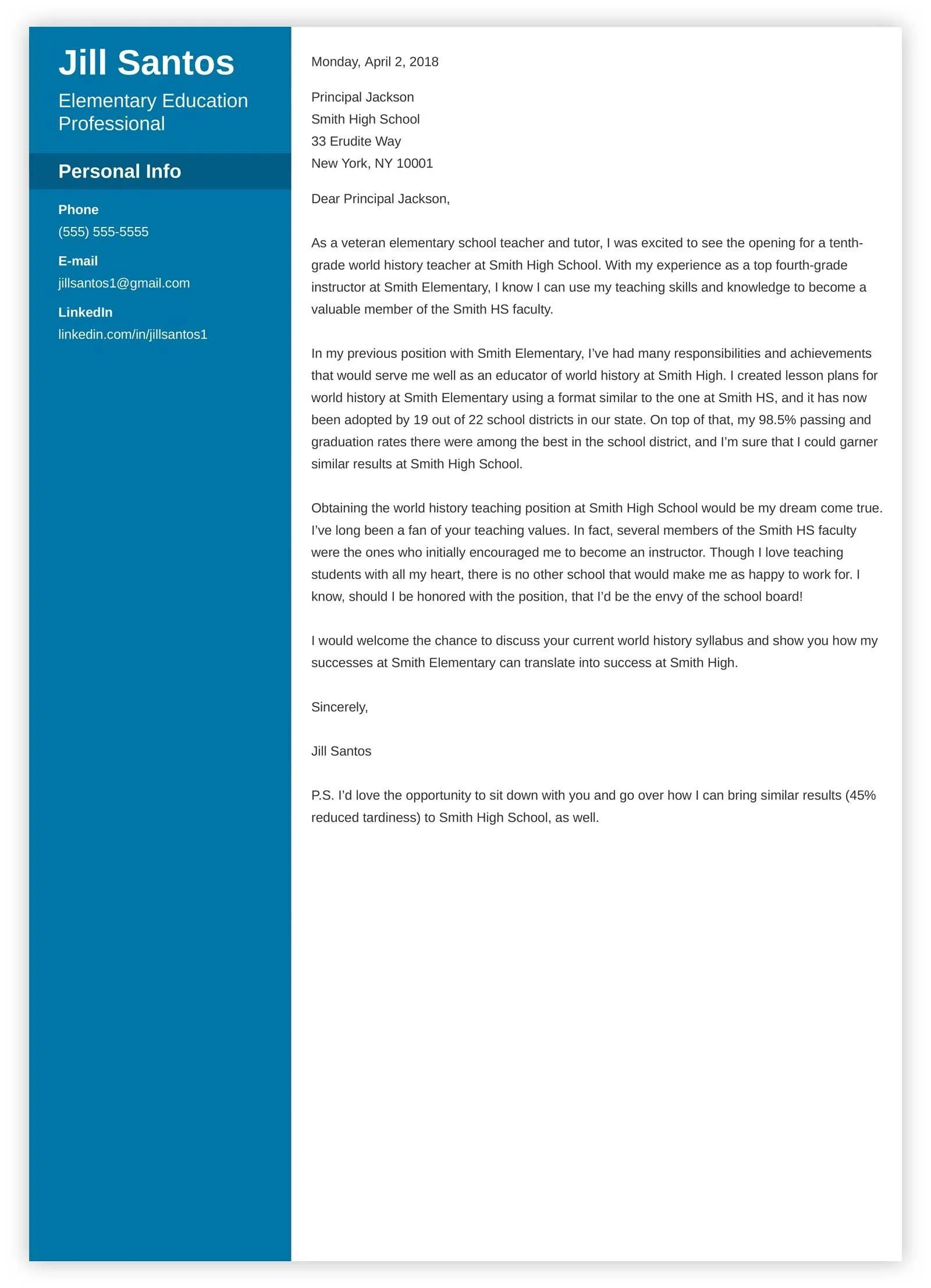
Crafting a Winning Cover Letter for Teaching Jobs
Securing a teaching position often hinges on the strength of your application, and the cover letter is your first opportunity to make a compelling impression. A well-crafted cover letter not only introduces you to the hiring committee but also showcases your personality, qualifications, and passion for education. This guide provides a comprehensive overview of how to create a cover letter that grabs attention and increases your chances of landing an interview. The goal is to highlight your suitability for the specific role, making you stand out from other applicants. Remember, it’s your chance to go beyond the resume, explaining your motivations and how you will contribute to the school community. A strong cover letter is your personal brand statement, signaling your professionalism and commitment.
Understanding the Importance of a Cover Letter
A cover letter serves as more than just an introduction; it’s a crucial tool to communicate your interest, suitability, and enthusiasm for a teaching position. It bridges the gap between your qualifications and the specific needs of the school or district. Unlike a resume, which provides a factual overview, a cover letter allows you to narrate your career story, explaining your aspirations and how your experiences have shaped you as an educator. It demonstrates your written communication skills and attention to detail, both of which are vital in teaching. A thoughtful cover letter reveals your understanding of the school’s values and your ability to align your teaching philosophy with their educational goals. Without a strong cover letter, your application may be overlooked, even if your resume is impressive. It’s your personal pitch, making a lasting first impression that sets you apart from the competition.
Highlighting Your Qualifications and Experience
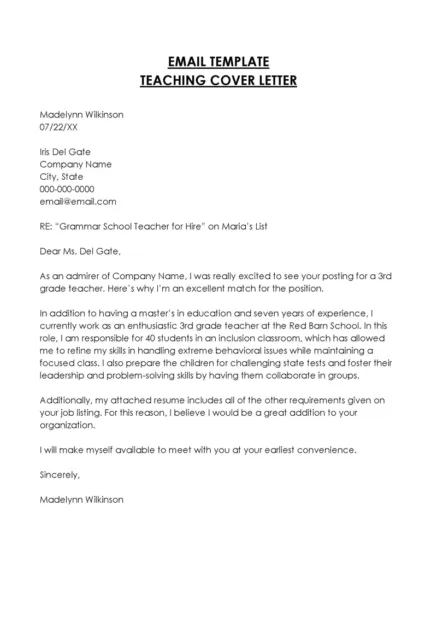
Your cover letter is the ideal platform to highlight your qualifications and experience, but it’s crucial to do so strategically. Don’t merely repeat your resume; instead, select the most relevant accomplishments and experiences that align with the job description. Start by mentioning your certifications, degrees, and any specialized training that prepares you for the role. Then, provide specific examples of your teaching experience, detailing the grade levels, subjects, and any special programs you’ve participated in. Quantify your achievements whenever possible; for example, ‘Increased student test scores by 15% in mathematics’ or ‘Implemented a new literacy program that improved reading comprehension.’ This quantifiable data showcases your effectiveness and provides tangible evidence of your capabilities. Connect your skills and achievements with the specific needs of the school, demonstrating how you can contribute to their students’ success. Remember, every sentence should reinforce why you are a perfect fit.
Tailoring Your Cover Letter to the Specific Job
Generic cover letters are easily spotted and often discarded. Tailoring each letter to the specific job is paramount to showing that you are genuinely interested in the position and understand the school’s priorities. Begin by carefully reviewing the job description, paying close attention to the required skills, experience, and any specific initiatives the school is undertaking. Research the school’s mission, values, and any recent achievements or programs they’re promoting. Use this information to customize your cover letter, demonstrating how your qualifications align with their needs. Address the hiring manager by name if possible, and reference specific aspects of the school or the role. Explain why you are drawn to this particular school and what you admire about their educational approach. This level of personalization demonstrates that you’ve invested time and effort, making a strong impression. Tailoring shows you’re not just looking for any job but the right job.
Structuring Your Cover Letter for Maximum Impact
Header Section

The header sets the stage for your cover letter, providing essential contact information and establishing a professional presentation. It should include your full name, address, phone number, and professional email address. Ensure your email address is professional and appropriate for a job application. Also, include the date and the hiring manager’s name and title, if known, along with the school’s address. The header should be well-formatted and easy to read, reflecting your attention to detail and organizational skills. Using a clean, professional font and formatting throughout the header is also important. The header should be formatted in a way that aligns with the rest of your cover letter, creating a cohesive and polished appearance. The goal is to create a first impression that is both clear and professional.
Opening Paragraph
The opening paragraph is your chance to grab the reader’s attention and set the tone for the rest of your cover letter. Start with a strong opening statement, expressing your interest in the teaching position and mentioning where you saw the job posting. Briefly state your qualifications and years of experience, highlighting the key aspects that make you a strong candidate. Consider mentioning a mutual connection or something specific that attracted you to the school. Avoid generic phrases and instead, convey your enthusiasm and passion for teaching in a genuine and compelling way. The opening paragraph should make the reader want to continue reading, encouraging them to learn more about your qualifications and why you are the ideal candidate. Ensure the language is professional and confident but also enthusiastic, conveying your excitement about the opportunity.
Body Paragraphs
The body paragraphs are where you provide the detailed substance of your cover letter, elaborating on your qualifications, experiences, and teaching philosophy. Use two to three paragraphs to highlight specific skills and accomplishments that align with the job description. Provide concrete examples of how you have succeeded in previous teaching roles, quantifying your achievements whenever possible. Focus on demonstrating how your skills can benefit the school and its students, linking your abilities to the school’s specific needs. For each skill or accomplishment, provide a brief narrative to illustrate how you utilized it in a practical teaching scenario. The body paragraphs should be well-organized, with each paragraph focusing on a distinct aspect of your qualifications. Use clear, concise language, and make sure each sentence contributes to the overall message. Tailor each paragraph to the specific requirements of the job, ensuring your cover letter stands out from the crowd.
Closing Paragraph

The closing paragraph should reinforce your interest in the position and provide a clear call to action. Thank the hiring manager for their time and consideration, reiterating your enthusiasm for the opportunity. State your availability for an interview and provide your contact information once again. Express your confidence in your ability to contribute to the school’s mission and success. Avoid generic closing statements and instead, use a personalized sentence that reflects your genuine interest. The closing paragraph should leave the reader with a positive and lasting impression, encouraging them to take the next step in the hiring process. Make sure your closing is professional, enthusiastic, and leaves the hiring manager with a clear direction to contact you.
Showcasing Your Skills and Accomplishments
Demonstrating Your Passion for Teaching
Your passion for teaching should be evident throughout your cover letter, as it is a critical attribute sought by schools. Illustrate your passion by discussing your teaching philosophy and how it aligns with the school’s mission and values. Share stories about your most rewarding teaching experiences, highlighting moments when you felt you made a significant impact on students. Describe your commitment to creating a positive and engaging learning environment, demonstrating your understanding of student needs. Mention any professional development or ongoing learning you’ve pursued to improve your teaching skills. Passion for teaching should be expressed through specific examples of how you create a supportive, stimulating, and effective learning environment, and inspire a love for learning. This passion should be more than mere words; it should be supported by actions and specific examples of your dedication to your students.
Quantifying Your Achievements

Quantifying your achievements makes your cover letter more impactful and demonstrates your effectiveness as a teacher. Use numbers and data to showcase the positive outcomes of your teaching methods. Instead of saying you ‘improved student performance,’ state that you ‘increased student test scores by 15%.’ If you implemented a new program, specify how many students benefited from it. If you’ve received any awards or recognition, mention the specific accolades. Provide metrics like student attendance rates, the number of students who advanced to the next grade level, or any positive feedback you received from parents or administrators. Quantifiable results add credibility to your claims and provide clear evidence of your abilities, making it easier for hiring managers to assess your potential contribution. Numerical data makes your accomplishments concrete and helps them stand out from the competition.
Emphasizing Your Relevant Skills
Focus your cover letter on the skills that are most relevant to the specific teaching position you are applying for. Review the job description carefully and identify the key skills the school is seeking. These might include classroom management, curriculum development, differentiated instruction, assessment strategies, or proficiency in specific technologies or software. Provide concrete examples of how you have successfully applied these skills in your previous roles. If the job requires experience with a particular teaching method, highlight your familiarity and success with it. Tailor your skills to the needs of the position. Your cover letter is not a complete list of all your skills but a curated presentation of the most important and relevant ones. Highlighting these skills makes you more attractive to potential employers.
Proofreading and Finalizing Your Cover Letter
Common Mistakes to Avoid

Avoid common mistakes that can undermine your cover letter and decrease your chances of getting an interview. First, avoid using generic templates or generic language. These do not show you have put in the effort to create a letter suited for the specific job. Second, do not include irrelevant information. Third, be careful of grammar and spelling errors. Errors reflect poorly on your professionalism. Avoid negative statements or complaining about past jobs or colleagues. Do not exceed the recommended length of one page. Make sure your cover letter aligns with the tone of the school, showing that you understand their culture and values. By avoiding these common pitfalls, you can significantly improve the quality of your cover letter and make a stronger impression on the hiring committee.
Ensuring a Professional Tone
Maintaining a professional tone is essential for your cover letter. Use formal language, avoid slang, and keep your writing clear and concise. Address the hiring manager respectfully and use proper grammar and punctuation throughout the document. Ensure your writing style is appropriate for an educational environment, and avoid overly casual or familiar language. Your goal is to present yourself as a serious and qualified candidate. Keep your tone positive and enthusiastic, but refrain from being overly effusive or informal. Proofread carefully to ensure the tone reflects your competence and professionalism. A professional tone increases the credibility of your application, demonstrating your respect for the opportunity and your commitment to excellence in education.
Reviewing Your Cover Letter
Before submitting your cover letter, review it thoroughly to ensure it accurately reflects your qualifications, experience, and passion for teaching. Check for any grammatical errors, typos, or formatting inconsistencies. Read the letter aloud to assess the flow and clarity of your writing. Seek feedback from a trusted friend, mentor, or career counselor who can provide an objective perspective. Make sure the letter is tailored to the specific job and the school’s values. Ensure you have included all necessary information and that you’ve addressed any specific requirements mentioned in the job posting. Review the letter one last time right before sending it, as a fresh look can often reveal errors. The final review is the last chance to polish your cover letter and present yourself in the best possible light.