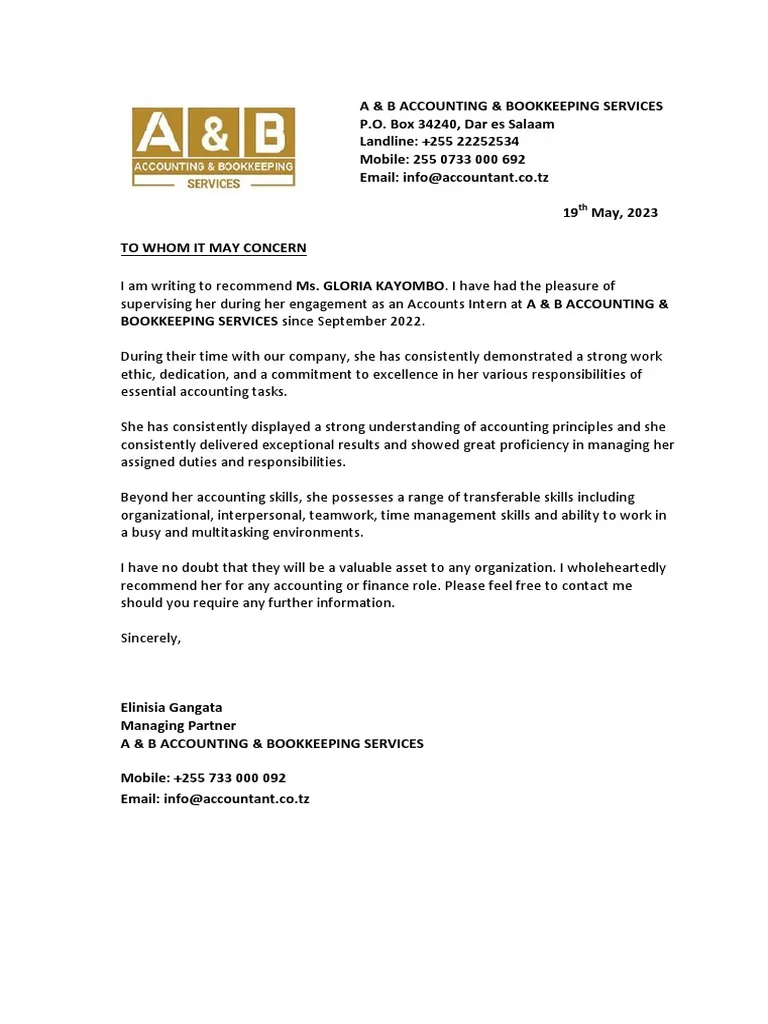
Crafting the Perfect Cover Letter
A cover letter is your first introduction to a potential employer. It’s your chance to make a strong first impression and set yourself apart from other applicants. A well-crafted cover letter should complement your resume, highlighting your key skills and experiences in a way that directly relates to the job you’re applying for. It’s not just a formality; it’s a crucial tool in your job-seeking arsenal. Think of it as a personalized sales pitch where you’re selling your unique value proposition to the hiring manager. The goal is to convince them to read your resume and, ultimately, to invite you for an interview. So, how do you craft a perfect cover letter? Let’s dive into the top 5 secrets to win.
Highlighting Your Achievements
Instead of simply listing your responsibilities, use your cover letter to showcase your achievements. Focus on what you’ve accomplished in previous roles. This is where you transition from describing what you did to proving your value. Use specific examples to illustrate how you’ve made a positive impact. These achievements should be tailored to the job description, demonstrating why you are a strong fit for the role. What specific results did you achieve? Did you increase sales, improve efficiency, or solve a significant problem? By focusing on your accomplishments, you provide concrete evidence of your capabilities and make a compelling case for your candidacy.
Quantifying Your Accomplishments

Whenever possible, quantify your achievements. Numbers speak volumes and provide concrete evidence of your impact. Instead of saying you ‘improved customer service,’ say you ‘improved customer satisfaction scores by 15%.’ Instead of saying you ‘increased sales,’ mention the specific percentage increase or the dollar amount. Quantifying your achievements not only makes your claims more credible but also helps the hiring manager understand the tangible benefits you brought to your previous employers. Use metrics like percentages, dollar amounts, or time saved to demonstrate the scope of your accomplishments. By providing these details, you paint a more compelling picture of your capabilities and potential value.
Tailoring Your Letter
A generic cover letter is easily spotted and often discarded. Tailor each cover letter to the specific job and company. This means researching the company and understanding its values, mission, and current needs. Show the hiring manager that you’ve taken the time to understand their organization and that you’re genuinely interested in the opportunity. A tailored cover letter demonstrates your attention to detail and your commitment to the role. It also allows you to address specific requirements or qualifications mentioned in the job description, proving that you’re a good fit.
Researching the Company
Before you start writing, thoroughly research the company. Visit their website, read news articles about them, and check their social media profiles. Understand their products or services, their target market, and their recent initiatives. This research will enable you to tailor your letter and demonstrate your genuine interest in the company. Understanding the company’s culture and values is also essential, as it will help you align your skills and experiences with their needs. The more you know about the company, the better equipped you’ll be to write a cover letter that resonates with the hiring manager.
Personalizing Your Approach

Address the hiring manager by name if possible. If you can’t find a specific name, use a general salutation like ‘Dear Hiring Manager.’ Avoid generic greetings. In the body of your letter, mention something specific about the company or the role that caught your attention. This shows that you’re not just sending out a mass email. Personalizing your approach demonstrates that you’ve put in the effort to understand the role and company and that you are genuinely interested in the opportunity. It also increases the likelihood that your cover letter will stand out from the crowd.
Showcasing Your Skills
Highlight the skills and experiences that are most relevant to the job description. Carefully review the job posting and identify the key requirements. Then, in your cover letter, provide specific examples of how you’ve used those skills in the past. This could include technical skills, soft skills, or any other qualifications mentioned in the posting. Don’t just list your skills; show how you’ve applied them to achieve results. Aligning your skills with the job requirements demonstrates that you understand the role and that you have the qualifications to succeed.
Using Action Verbs
Start your sentences with strong action verbs to make your accomplishments more impactful. Instead of saying ‘Responsible for managing projects,’ say ‘Managed projects, resulting in a 10% reduction in costs.’ Action verbs make your writing more dynamic and demonstrate your ability to take initiative and achieve results. They add a sense of energy and accomplishment to your cover letter. Using action verbs such as ‘achieved,’ ‘implemented,’ ’led,’ ‘developed,’ and ‘improved’ creates a more engaging and effective narrative.
Demonstrating Enthusiasm

Express your genuine enthusiasm for the role and the company. Show that you’re excited about the opportunity and that you believe you can contribute to their success. Enthusiasm is contagious, and it can make a significant difference in how the hiring manager perceives you. Mentioning specific aspects of the role or the company that interest you demonstrates your genuine interest. Your enthusiasm should be authentic and specific, not generic. It shows the hiring manager that you’re not just looking for a job but that you are genuinely interested in the specific opportunity.
Formatting and Proofreading
A well-formatted and error-free cover letter demonstrates professionalism and attention to detail. Ensure your letter is easy to read and visually appealing. Choose a professional font and layout, and proofread carefully for any errors in grammar, spelling, and punctuation. An error-free cover letter makes a positive impression, while even a small error can damage your credibility. Take your time to format and proofread your cover letter. A polished presentation is essential for conveying your professionalism and attention to detail.
Choosing the Right Font and Layout
Choose a clear, readable font such as Times New Roman, Arial, or Calibri. Keep the font size between 10 and 12 points. Use a professional layout with clear margins and spacing. Avoid excessive use of bolding or italics. The layout should be clean and easy to follow. A well-formatted cover letter is more accessible and shows that you value professionalism. Consider using a template to ensure a consistent and professional look.
Proofreading for Errors

Proofread your cover letter carefully for any errors in grammar, spelling, and punctuation. Errors can undermine your credibility and make a negative impression. Use a spell checker and grammar checker, but also read the letter yourself to catch any mistakes that automated tools might miss. Ask a friend or family member to proofread your letter as a second pair of eyes can often catch errors you might miss. Ensure all the information is correct, including the company name, the hiring manager’s name, and any contact details. A flawless cover letter demonstrates your professionalism and attention to detail.
Call to Action
Conclude your cover letter with a clear call to action, expressing your interest in the role and encouraging the hiring manager to contact you. This is your final opportunity to make a positive impression and to move the application process forward. Be direct and confident in your request, making it easy for the hiring manager to take the next step.
Expressing Your Interest
Reiterate your interest in the role and your enthusiasm for the company. Briefly summarize why you are a strong fit and reiterate your key qualifications. This shows that you’re serious about the opportunity and that you’re a good match for the role. Remind the hiring manager of the value you bring to the table. Tailor your closing to the specific job and company to make it more memorable.
Providing Contact Information

Include your contact information in your cover letter, typically your email address and phone number. Make it easy for the hiring manager to contact you. Double-check that your contact information is correct and up-to-date. Consider including a link to your LinkedIn profile or online portfolio. Ensure your contact information is prominently displayed. This makes it easy for the hiring manager to reach out and gives you the best opportunity to move forward in the hiring process.