What is a Professional Cover Letter?
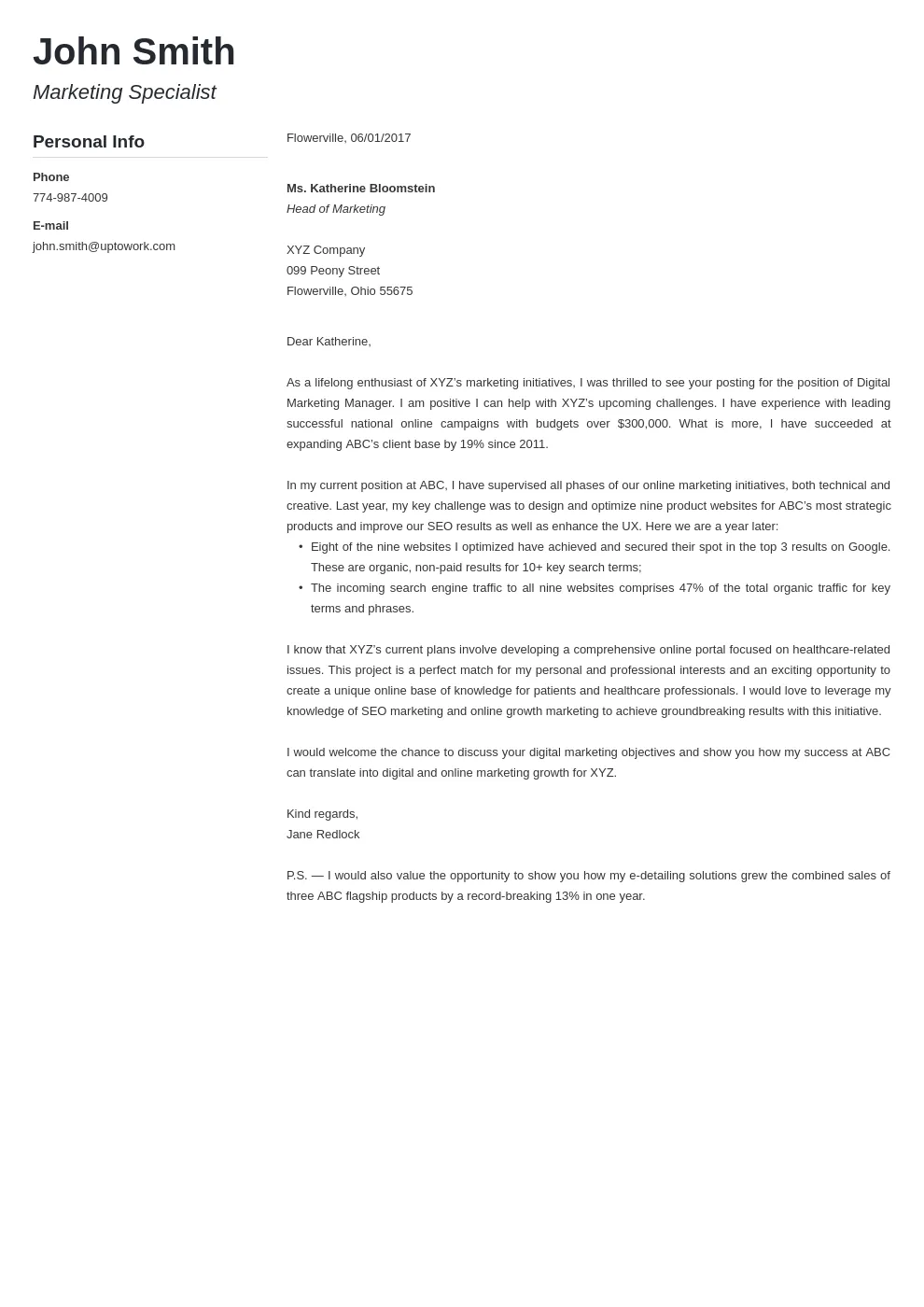
A professional cover letter is a concise document that accompanies your resume when applying for a job. It serves as your introduction to a potential employer, providing a snapshot of your qualifications, skills, and experience. Unlike a resume, which is a factual record of your work history, a cover letter allows you to showcase your personality, express your enthusiasm for the position, and explain why you are the perfect fit for the role. It’s your opportunity to highlight specific achievements, connect your skills to the job requirements, and demonstrate your understanding of the company and the industry. A well-crafted cover letter is an essential tool in your job search arsenal, increasing your chances of getting noticed and securing an interview. A cover letter is more than just a formality it is your chance to make a strong first impression.
Why is a Cover Letter Important?
In today’s competitive job market, a cover letter is often the deciding factor in whether your application gets a second look. It provides context to your resume, allowing you to tell your story in a compelling way. Recruiters and hiring managers use cover letters to gauge your communication skills, assess your understanding of the job, and determine if you have the personality and drive to succeed. A cover letter lets you address any potential gaps in your resume, such as career changes or employment gaps, and explain how your skills and experience align with the company’s needs. Furthermore, a cover letter allows you to demonstrate your research on the company and express your genuine interest in the role and the organization’s mission. It shows that you’ve taken the time to personalize your application, making you stand out from the many applicants who simply submit a generic resume. This personalized approach can significantly increase your chances of landing an interview.
Top 5 Cover Letter Samples for Professionals

Here are five different types of cover letter samples, each designed to suit different professional situations and career goals. Adapting these samples to your specific needs can help you craft a cover letter that not only gets noticed but also highlights your unique strengths and experiences, making your application stand out from the competition. The key is to choose the sample that best aligns with the job you are applying for, the company’s culture, and your own personality. Remember to always customize your cover letter to match the specific requirements of each job, demonstrating that you have taken the time to understand the role and the company’s expectations. Each sample below includes both an overview and its key elements.
Sample 1 The Enthusiastic Professional
This cover letter sample is ideal for candidates who want to express their genuine excitement about the role and the company. It’s perfect for individuals who are passionate about their field and want to convey their enthusiasm and eagerness to contribute. The focus here is on demonstrating a strong interest, showcasing personality, and highlighting how your passion aligns with the company’s mission and values. This approach is best for roles where cultural fit is a significant factor. Tailoring your message to align with the company’s values helps to create a strong first impression.
Key Elements of the Enthusiastic Professional Cover Letter
- Express your enthusiasm upfront, directly stating your excitement for the opportunity and the company.
- Showcase your personality by injecting your cover letter with an authentic voice and tone.
- Highlight relevant skills and experiences, linking them to the job requirements, and the company’s needs.
- Demonstrate research by mentioning specific projects, initiatives, or company achievements that resonate with you.
- Close with a confident call to action, expressing your eagerness to discuss the opportunity further and your availability for an interview.
Sample 2 The Accomplishment-Focused Cover Letter

The Accomplishment-Focused Cover Letter is designed to highlight your achievements. This approach is best suited for roles where quantifiable results and demonstrated success are highly valued, especially for those with a track record of significant accomplishments. This format emphasizes your accomplishments using quantifiable metrics, such as percentage increases, revenue generated, or projects completed on time and under budget. A strong focus on past achievements can immediately grab the hiring manager’s attention and underscore your capability to deliver results. This letter should be tailored to provide concrete examples of your contributions and how they align with the job’s needs, showcasing your value to the employer. This type of cover letter is very effective in showing that you have achieved measurable results.
Key Elements of the Accomplishment-Focused Cover Letter
- Begin by highlighting your most impressive achievements, focusing on quantifiable results.
- Describe each achievement in detail, explaining the context, your role, and the outcomes.
- Use action verbs to show what you did and how you achieved the results
- Align your accomplishments with the job requirements, demonstrating how your past successes translate to the current role.
- Close by reiterating your value proposition, underscoring your ability to deliver results for the company.
Sample 3 The Skills-Based Cover Letter
This type of cover letter is useful if you have diverse skills, are switching careers, or if the job description clearly emphasizes specific skills. The skills-based cover letter allows you to highlight skills and abilities that are directly relevant to the job. This approach is especially effective for those transitioning careers or lacking extensive experience in a particular industry. The focus is on demonstrating that your skills are adaptable and transferable. This style of cover letter is excellent for showcasing your expertise, especially if you have developed these skills through varied experiences, academic endeavors, or personal projects. Make sure to show that you are the best fit for the job by listing the skills that fit with the company’s needs.
Key Elements of the Skills-Based Cover Letter

- Identify key skills from the job description and list them early in your letter.
- Provide evidence of your skills by describing how you’ve used them in past roles or projects.
- Use action verbs to demonstrate your abilities and provide context for your achievements.
- Connect your skills to the company’s needs, showing how you can contribute to their success.
- Close by emphasizing your adaptability and eagerness to apply your skills to the new role.
Sample 4 The Networking Cover Letter
Use the networking cover letter when you have a personal connection, or if you are applying for a job after attending a networking event or receiving a referral. This type of cover letter is great to use when you have a connection within the company or a referral from someone who knows the hiring manager. Starting your letter with a mention of your connection immediately grabs attention and establishes rapport. Demonstrate that you have taken the initiative to build professional relationships and shows that you are active within the industry. This approach can significantly increase your chances of being considered, especially if you leverage the network to learn about the role and the company. Show the recruiter that you have built up a strong professional network.
Key Elements of the Networking Cover Letter
- Start by mentioning your connection, identifying the person who referred you.
- Briefly explain how you know the person and the circumstances of the referral.
- Express your interest in the job and the company, mentioning your research.
- Highlight relevant skills and experiences, focusing on their connection to the role.
- Close by thanking the referral source and expressing your enthusiasm for the opportunity.
Sample 5 The Direct and Concise Cover Letter
A direct and concise cover letter is ideal for roles that require clear, brief communication. This approach is best for positions where efficiency and clarity are highly valued. If the job description asks for brevity, this type of cover letter will make you stand out. The focus is on providing essential information quickly and efficiently, highlighting your key qualifications and your interest in the role. This style is particularly effective when applying to fast-paced environments or roles where attention to detail is critical. Use this letter to present your qualifications in the most effective manner.
Key Elements of the Direct and Concise Cover Letter
- Keep it brief, aiming for a single page with clear paragraphs.
- Start with a strong statement that captures your qualifications and interest in the role.
- Highlight your most relevant skills and experiences, focusing on those essential for the job.
- Use concise language and avoid unnecessary jargon.
- Close with a clear call to action, expressing your interest in the opportunity and your availability.
Tips for Customizing Your Cover Letter
Customizing your cover letter is critical for making a strong impression. Generic letters quickly get dismissed; instead, make it personal. Always start by researching the company and the specific role. Understand their mission, values, and the challenges they face. Tailor your letter to reflect your understanding of these aspects. Highlight how your skills and experiences align with the job requirements, using keywords from the job description. When possible, address your letter to a specific person, usually the hiring manager. This shows you’ve done your research and pays attention to detail. Customize your letter to reflect your personality and how you can contribute.
Formatting Your Cover Letter for Maximum Impact

Proper formatting is essential for presenting your cover letter professionally. Use a standard, easy-to-read font like Arial or Times New Roman, and set the font size between 10 and 12 points. Maintain consistent margins (1 inch on all sides) to give the document a clean look. Keep your paragraphs concise and use bullet points to highlight key information, making it easy for the reader to scan the document. Include your contact information at the top, along with the date and the recipient’s contact details. A well-formatted letter is a reflection of your organizational skills and attention to detail. Proper formatting makes your cover letter easier to read.
Proofreading and Editing Your Cover Letter
Thorough proofreading and editing are crucial steps in the cover letter writing process. Errors, whether grammatical or spelling, can immediately undermine your credibility. Before submitting your cover letter, carefully review it for any mistakes. Use spell-check and grammar-check tools, but don’t rely solely on them, as they may miss subtle errors. Read your letter aloud to check the flow and clarity of your sentences. Ask a friend, family member, or career advisor to review your cover letter for any errors or areas for improvement. Proofreading ensures that your professional cover letter is a polished and compelling reflection of your abilities. This step makes your cover letter effective.