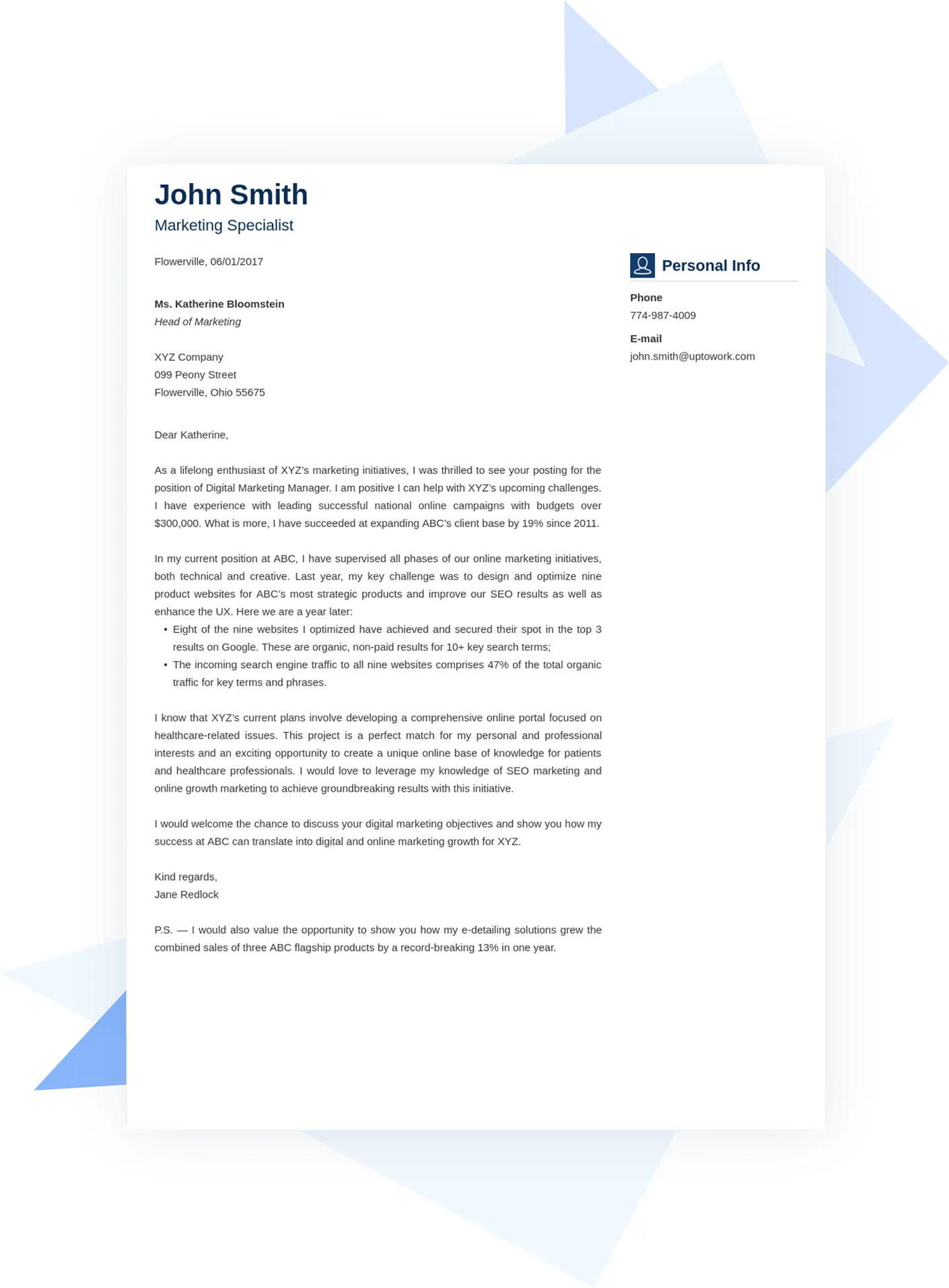
What is a Cover Letter?
A cover letter is a crucial document that accompanies your resume when applying for a job. It serves as an introduction, allowing you to showcase your personality, skills, and enthusiasm for the position. It provides a personalized context that a resume, with its bullet points and facts, often lacks. Crafting a compelling cover letter is an essential step in the job application process, offering you the opportunity to make a strong first impression and distinguish yourself from other candidates. A well-written cover letter can significantly increase your chances of getting an interview by highlighting your suitability for the specific role and demonstrating your genuine interest in the company.
Why a Cover Letter Matters
In today’s competitive job market, a cover letter provides a vital opportunity to demonstrate your unique value proposition to potential employers. It allows you to explain why you’re the perfect fit for the job and the company. Many hiring managers view a cover letter as a key indicator of a candidate’s communication skills, attention to detail, and genuine interest. A cover letter is a platform to tell a story about your professional journey and showcase your personality. You can expand on your resume and connect your skills, experience, and accomplishments to the specific requirements of the role. Including a cover letter allows you to express your enthusiasm for the role and the company. It shows that you’ve taken the time to research the company and understand its values, mission, and goals. This demonstrates your commitment to the opportunity and increases your chances of getting noticed.
The Purpose of a Cover Letter

The primary purpose of a cover letter is to introduce yourself to a potential employer and express your interest in a specific job. It’s your opportunity to highlight the skills, experience, and qualifications that make you a strong candidate. In addition to introducing yourself, cover letters explain why you are a good fit for the role. You’ll explain how your past experiences have prepared you for the responsibilities of the job. Cover letters allow you to elaborate on details that aren’t easily expressed in a resume. It’s an opportunity to highlight achievements, show your personality, and provide context to your resume. You can express your enthusiasm for the company, industry, and the role. This enthusiasm can set you apart from other applicants. Expressing genuine interest shows you have a strong desire to contribute to the organization. Cover letters also provide a chance to demonstrate your writing and communication skills. A well-written cover letter demonstrates your ability to communicate professionally, making a positive first impression.
Key Elements of a Cover Letter
A well-structured cover letter follows a standard format and includes essential elements that help you present yourself effectively. Understanding these key components ensures your letter is clear, concise, and compelling. Properly formatting the contact information ensures that recruiters can easily reach you. Your contact information should align with your resume. It should include your name, address, phone number, and email address. A warm greeting that addresses the hiring manager is vital. When possible, address the letter to a specific person by name, as this demonstrates that you’ve done your research and are genuinely interested in the role. Addressing the letter to a specific person improves your chances of it being read and increases your chances of getting the job.
Contact Information
At the top of your cover letter, you should include your contact information. This typically includes your full name, phone number, email address, and optionally, your LinkedIn profile URL. Ensuring your contact information is easily accessible allows the hiring manager to quickly reach out to you if they’re interested in your application. Make sure your contact information is formatted consistently with your resume to maintain professionalism. Double-check the accuracy of your phone number and email address to prevent any missed communication opportunities. This crucial step sets the foundation for a smooth application process and allows for immediate contact.
Greeting

The greeting is your first chance to make a positive impression. Ideally, address the hiring manager or the specific person mentioned in the job posting by name. If you can’t find a name, use a professional greeting such as “Dear Hiring Manager.” Using a person’s name shows that you’ve taken the time to research the company and the role, indicating your genuine interest. Avoid generic greetings like “To Whom It May Concern.” Always ensure that you spell the person’s name correctly. If you don’t know the hiring manager’s name, research the company’s website or use LinkedIn to find the appropriate contact person. A thoughtful greeting sets a professional tone and shows your attention to detail.
Opening Paragraph
The opening paragraph is designed to grab the reader’s attention and state the reason for your letter. Begin by clearly stating the position you are applying for and where you found the job posting. Include a brief statement about why you are interested in the role and the company. Briefly mention one or two key qualifications or accomplishments to immediately demonstrate your value. The opening paragraph should be concise and compelling, setting the stage for the rest of your cover letter. This approach quickly informs the hiring manager of your purpose and establishes your enthusiasm. A strong opening paragraph motivates the hiring manager to read on and learn more about your qualifications.
Body Paragraphs
The body paragraphs form the core of your cover letter. In these paragraphs, you should provide details about your relevant skills, experiences, and achievements. Make sure to align your qualifications with the job requirements. Use specific examples to illustrate your capabilities and show how you’ve made a positive impact in past roles. Quantify your accomplishments whenever possible. Use numbers and data to demonstrate your successes and the value you bring to an organization. Be sure to explain why you are interested in the role and the company, highlighting what appeals to you about their mission, values, or culture. Maintain a professional and engaging tone throughout your body paragraphs. Make sure the tone reflects your personality. Proofread your paragraphs to ensure they are easy to read. Avoid long, complex sentences that might confuse the reader.
Highlighting Skills and Experience

When highlighting your skills and experience, make sure to focus on the aspects most relevant to the job description. Review the job posting carefully and identify the key skills and qualifications the employer is seeking. Then, use your body paragraphs to showcase how your past experiences and accomplishments align with those requirements. Use action verbs to describe your responsibilities and achievements, demonstrating how you took initiative and achieved positive outcomes in previous roles. Quantify your achievements whenever possible by using numbers, data, or metrics to show the impact of your contributions. Tailor each example to demonstrate specific skills and experiences. This shows that you not only possess the required skills, but you know how to apply them effectively in a professional setting. This helps to make your application stand out by highlighting your unique value proposition.
Tailoring to the Job Description
Tailoring your cover letter to the job description is crucial for demonstrating that you’re a great fit for the role and the company. Before you start writing, carefully review the job posting and identify the key skills, qualifications, and requirements. Use these keywords throughout your cover letter. Show how your skills and experience align with the job requirements. Select specific examples from your past experiences that demonstrate your ability to meet the employer’s needs. Avoid generic statements and instead, showcase the ways you’ve addressed similar challenges and achieved positive results. Research the company’s values, mission, and recent projects to show you understand their business. Customize your letter to reflect your understanding and enthusiasm for the company, creating a connection that sets you apart from other applicants.
Closing Paragraph
Your closing paragraph should summarize your interest in the position and reiterate your enthusiasm for the opportunity. Thank the hiring manager for their time and consideration. Express your willingness to discuss your qualifications in further detail during an interview. Reiterate the value you bring to the company. Emphasize your commitment to contributing to the organization’s success. Keep your closing paragraph brief and to the point. Avoid introducing any new information or qualifications. This section should reinforce your positive first impression. Ensure that your closing paragraph is professional and reflects your eagerness to move forward in the hiring process.
Call to Action

Include a clear call to action that encourages the hiring manager to take the next step in the hiring process. State your availability for an interview and express your eagerness to discuss your qualifications further. Provide your contact information, making it easy for the hiring manager to reach out to you. Reiterate your interest in the position and express your belief that you would be a great fit for the company. The call to action serves as a direct invitation to the hiring manager to take the next step. This allows the recruiter to contact you quickly and efficiently, which can improve your odds. Be sure to keep your call to action simple and direct, demonstrating your genuine enthusiasm for the role.
Sign-off
The sign-off is your final opportunity to leave a professional impression. Choose a professional sign-off such as “Sincerely,” “Best regards,” or “Thank you.” Avoid casual sign-offs like “Cheers” or “Best.” The sign-off should align with the tone of your cover letter. After the sign-off, leave space for your signature if you are submitting a hard copy. Otherwise, you can simply type your name. Ensure the sign-off is free of errors. Proofread it carefully before submitting your application. This shows you’ve paid attention to detail. A proper sign-off can give you a slight advantage over other applicants.
Cover Letter Examples
Examining cover letter examples can provide valuable insight into how to structure and tailor your own letter. By analyzing examples, you gain a clearer idea of how to present your qualifications effectively. Each example offers a different approach, allowing you to adapt and personalize the structure. Reviewing examples is an effective way to learn best practices. You can study how experienced professionals present themselves to recruiters. Examples can help you create a cover letter that sets you apart from others.
Example for Recent Graduate

For recent graduates, a cover letter can emphasize academic achievements, internships, and any part-time work experience. Highlight relevant coursework and projects. Show how your educational background has equipped you with the skills and knowledge required for the role. Include any internships and describe the duties and responsibilities. Mention any achievements and accomplishments you’ve had during your internships or part-time jobs. Tailor your examples to demonstrate skills and knowledge. Highlight your enthusiasm for the company and explain why you are interested in starting your career in this role. Including a well-crafted cover letter is the first step to getting your dream job.
Example for Experienced Professional
Experienced professionals should leverage their cover letters to highlight their career achievements and demonstrate their value to potential employers. Provide detailed examples of your accomplishments. Quantify your achievements with numbers and data. Highlight specific contributions you made in your previous roles, showing how you helped the company or team succeed. Focus on the skills and experiences that align with the job description. Demonstrate how your skills can address the requirements of the position. Tailor your cover letter to match the specific job. Show how your experience can contribute to the company. This will help you present yourself as the best fit for the role.
Example for Career Changer
When transitioning careers, your cover letter becomes an essential tool for demonstrating your adaptability and transferable skills. Show how your previous experiences and skills relate to the new job. Discuss the reasons for your career change and express your enthusiasm for the new industry. Highlight any relevant skills, experiences, and qualifications. Focus on how your background has equipped you with the skills needed for the new position. Address any gaps in your experience. Focus on your willingness to learn and your strong work ethic. Provide specific examples that demonstrate your passion for the industry. This will make a strong impression on the hiring manager. Your skills and enthusiasm are a winning combination.
Formatting Your Cover Letter

Proper formatting ensures that your cover letter is easy to read and visually appealing. Formatting shows that you pay attention to detail and that you are professional. The right format helps you make the best first impression. You should pick a font that is easily readable. Make sure the spacing is appropriate. Always proofread your cover letter. The right format will help the hiring manager read and understand your application more easily.
Font and Font Size
Choose a professional and easily readable font such as Times New Roman, Arial, or Calibri. These fonts are widely accepted and ensure your letter is easy to read. Use a font size between 10 and 12 points. A font size of 11 or 12 points is often the most comfortable size for reading. This will ensure your letter looks neat and professional. Avoid overly fancy fonts, as they can be distracting and difficult to read. Consistency is key, so use the same font throughout your letter.
Margins and Spacing
Set your margins to 1 inch on all sides of your cover letter. This ensures a clean and organized appearance. Use single-spacing within paragraphs and double-spacing between paragraphs. This spacing makes the text easy to read and provides a clear visual structure. Align your text to the left. This is standard practice and ensures your letter looks professional. Proper spacing can significantly improve readability and create a positive impression.
Proofreading and Editing
Proofreading and editing are essential steps in the cover letter writing process. Always proofread your cover letter for any spelling, grammar, or punctuation errors. Errors can detract from the professionalism of your letter and create a negative impression. Ensure your writing is clear, concise, and easy to understand. You can ask a friend or a mentor to review your letter. A fresh pair of eyes can help catch mistakes you might have missed. Ensure your cover letter is free of errors and conveys your message effectively. This will demonstrate your attention to detail and enhance your credibility as a candidate.
Common Cover Letter Mistakes
Avoid making common mistakes to ensure your cover letter showcases your best qualities and increases your chances of getting an interview. Generic cover letters, typos, and a lack of enthusiasm can significantly diminish your application’s effectiveness. Avoiding these mistakes will help you make a strong impression and increase your chances of success.
Generic Cover Letters
Avoid using a generic cover letter that can be sent to any company or role. These generic letters often fail to demonstrate your understanding of the specific job and the company. Tailor your cover letter to each job application. This shows that you’ve taken the time to research the role and the company. Personalize your letter by addressing the hiring manager by name and highlighting the skills and experiences most relevant to the job description. Avoid using generic phrases and focus on specific accomplishments and how you can contribute. Customizing your letter for each opportunity is a critical step. It will help your application stand out from the crowd.
Typos and Grammatical Errors
Ensure your cover letter is free of typos, grammatical errors, and punctuation mistakes. These errors can damage your credibility and demonstrate a lack of attention to detail. Carefully proofread your letter and use spell-check and grammar-check tools. Ask a friend or a mentor to review your letter before submitting it. Reading your cover letter aloud is an effective way to identify errors. Typos and grammar mistakes can damage your credibility. Double-check and proofread every cover letter you send to ensure everything is perfect.
Lack of Enthusiasm
Avoid writing a cover letter that lacks enthusiasm for the job or the company. Your cover letter is an opportunity to showcase your passion and interest. Express your genuine excitement about the role and the company. Show how your skills and experiences align with the job requirements. Include specific examples of what attracts you to the position and how you envision contributing. Highlight why you are a great fit. Make sure to convey your enthusiasm throughout your letter. A lack of enthusiasm is a missed opportunity. Demonstrate your passion for the role and the company.