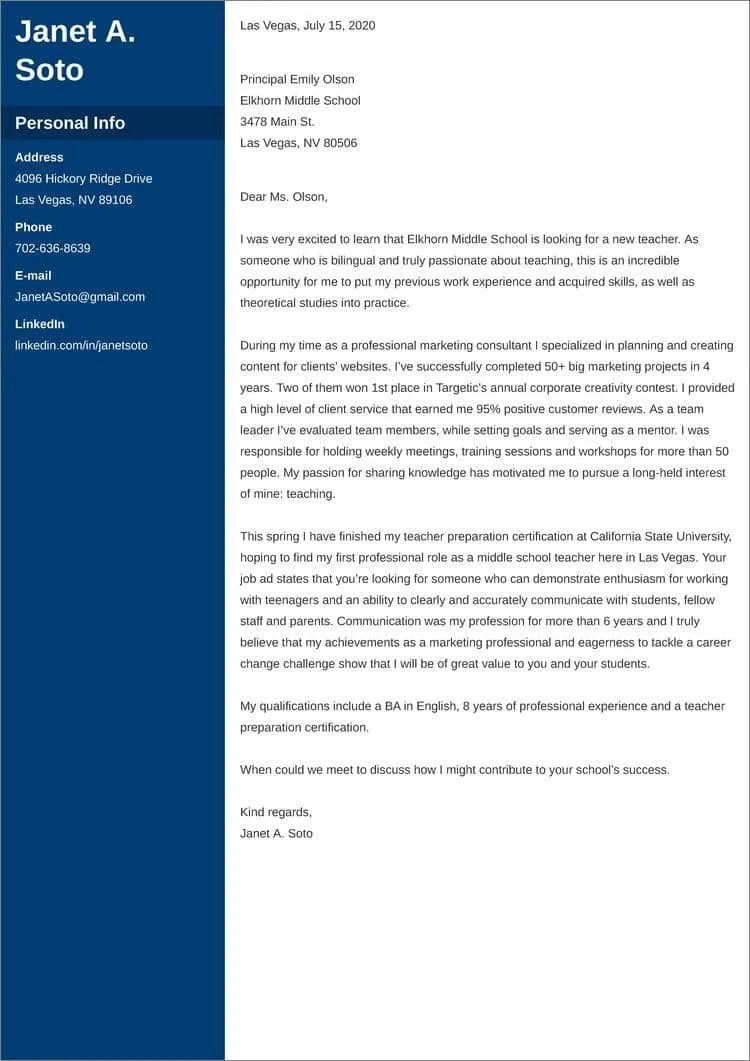
Why a Cover Letter is Crucial for Career Transition
Transitioning to a new career path can be challenging, and your cover letter is your first chance to make a strong impression. Unlike a resume, which provides a chronological overview of your experience, a cover letter offers the opportunity to explain the ‘why’ behind your career change. It allows you to connect your past experiences to your future aspirations, demonstrating to potential employers that you have carefully considered your transition and are a good fit for the role. This is particularly important when your previous roles may not directly align with the job you are applying for. The cover letter helps you bridge the gap and highlight your potential.
Highlighting Transferable Skills
One of the most effective ways to make a successful career transition is to focus on your transferable skills. These are the abilities and expertise you have developed in previous roles that are relevant to the new field. Identify skills such as communication, problem-solving, leadership, project management, and analytical thinking. These skills can be applied across various industries and roles, making you a valuable candidate, even without direct experience. Emphasizing these skills shows the hiring manager that you can quickly adapt and contribute to their team.
Identifying Relevant Skills

To identify the relevant skills, carefully review the job description and pinpoint the required skills and qualifications. Make a list of these skills and compare them to your own. Think about how your past experiences, even if in a different industry, have equipped you with these skills. Give specific examples of how you’ve used these skills in previous roles. This focused approach demonstrates that you understand the job requirements and are prepared to excel in the new role. Tailoring your cover letter to highlight the key skills mentioned in the job description significantly increases your chances of getting noticed.
Showcasing Accomplishments
Beyond skills, focus on demonstrating your accomplishments. Use your cover letter to highlight achievements that showcase your ability to deliver results, even if these achievements were not directly related to the new field. This provides evidence of your capability, work ethic, and dedication. Choose accomplishments that align with the needs of the new role, demonstrating your potential to contribute to the company’s success. The aim is to present a compelling picture of your past successes and how they translate to your future performance.
Quantifying Achievements
Whenever possible, quantify your accomplishments. This makes your achievements more impactful and provides concrete evidence of your capabilities. Instead of saying you ‘improved customer satisfaction,’ state that you ‘increased customer satisfaction scores by 15% in six months.’ Use numbers, percentages, and specific metrics to demonstrate your contributions. Quantifiable achievements show hiring managers the direct impact you had in previous roles, providing them with a clear understanding of your potential value to their organization. This data-driven approach adds credibility and strengthens your application.
Tailoring Your Cover Letter for a Specific Role

Generic cover letters are easily spotted and often discarded. To stand out, you need to tailor each cover letter to the specific role and company you are applying to. This shows the hiring manager that you have done your research and are genuinely interested in the position and the organization. It also demonstrates that you understand the specific needs of the role and how your skills and experience align. This level of personalization is key to making a lasting impression.
Researching the Company and Role
Before you start writing, research the company thoroughly. Understand their mission, values, and recent achievements. Then, analyze the job description carefully, paying close attention to the required skills, responsibilities, and expectations. Use this information to tailor your cover letter to the specific requirements of the role and demonstrate how your qualifications and experience align with the company’s needs. Your research should inform your language, and the examples you use to illustrate your skills and accomplishments, showing that you are a well-prepared candidate.
Addressing the Hiring Manager
If possible, address your cover letter to a specific person. Research the hiring manager’s name and title. This personalized approach shows that you have put in extra effort and can make your application stand out from the crowd. If you can’t find the hiring manager’s name, use a professional greeting like ‘Dear Hiring Team.’ Avoid generic salutations like ‘To Whom It May Concern,’ as they make your application feel less personal. Always ensure your contact information is accurate and easy to find.
Structuring Your Cover Letter for Impact

A well-structured cover letter is easy to read and helps you convey your message effectively. A clear structure guides the reader through your key points and makes your application more engaging. Aim for a concise letter that captures attention from the beginning and leaves a lasting positive impression. A good structure includes a strong opening, compelling body paragraphs, and a confident closing.
Opening with a Strong Hook
Your opening paragraph is crucial. It should immediately grab the reader’s attention and make them want to learn more. Avoid generic introductions. Instead, start with a compelling statement that highlights your enthusiasm for the role or the company. You might mention a key skill that directly relates to the job or briefly reference an accomplishment that is relevant. Your goal is to make a strong first impression and create curiosity that encourages the reader to continue reading.
Body Paragraphs for Career Transition
The body of your cover letter is where you elaborate on your skills, experiences, and achievements. Use several body paragraphs to demonstrate how your past experiences have prepared you for this new role. In each paragraph, focus on one or two key points, using specific examples to illustrate your skills. Explain how your skills are transferable and relevant to the new field. Provide evidence of your accomplishments and how they are related to the company’s needs. Make sure your language is clear, concise, and easy to understand.
Closing with Confidence and a Call to Action

Your closing paragraph should reiterate your interest in the role and the company. Express your enthusiasm and reiterate your belief that you are a good fit. End with a call to action, such as stating that you are available for an interview or look forward to discussing your qualifications further. Avoid ending with passive statements such as ‘I hope to hear from you soon.’ Instead, show confidence and initiative. Thank the hiring manager for their time and consideration.
Cover Letter Formatting
Proper formatting is essential for a professional cover letter. Well-formatted documents are easy to read and project a sense of professionalism. Ensure your cover letter is visually appealing and easy for the hiring manager to read. Good formatting complements your content and makes your application more impressive.
Choosing the Right Font and Layout
Choose a professional and easy-to-read font, such as Times New Roman, Arial, or Calibri, with a font size between 11 and 12 points. Use a clean layout with consistent margins and line spacing. Avoid using elaborate or distracting fonts. Keep the layout simple, with clear headings and bullet points where necessary. Ensure your letter is well-organized and visually appealing, making it easier for the hiring manager to quickly grasp your key points.
Proofreading and Editing
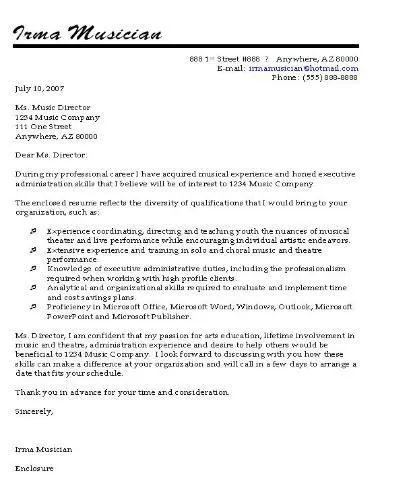
Proofreading and editing are essential steps to ensure your cover letter is free of errors. Typos, grammatical errors, and formatting inconsistencies can undermine your credibility and make a negative impression. Carefully proofread your cover letter multiple times. Use a grammar and spell-checking tool to catch any mistakes you might have missed. Have a friend or career advisor review your cover letter as well. Getting a second pair of eyes can help you identify errors and areas for improvement.
Examples of Successful Cover Letters
Reviewing successful cover letter examples can provide inspiration and guidance. Look for examples that demonstrate a clear understanding of the job requirements and a strong focus on transferable skills and achievements. Pay attention to the structure, language, and tone of the cover letters. Analyze how the candidates tailor their letters to the specific roles and companies. Use these examples as a starting point for your own cover letter but avoid directly copying them. The goal is to adapt the successful strategies to create a cover letter that authentically reflects your unique skills and experience.
Cover Letter Mistakes to Avoid
There are common mistakes that can significantly decrease your chances of getting hired. Being aware of these mistakes and avoiding them is essential for making a positive impression. Pay careful attention to the details in your cover letter to ensure it’s polished and professional. Reviewing your cover letter for common errors is a crucial step in the job application process.
Common Errors

Avoid common errors that can damage your application. These include typos, grammatical errors, and formatting inconsistencies. Be sure to spell-check your cover letter. Other common errors include using the wrong company name, failing to tailor your cover letter to the specific role, and using generic language. Ensure that your information is up-to-date and accurate. Careful attention to detail can demonstrate your professionalism and increase the likelihood that your application will be taken seriously.
Lack of Specificity
Avoid being vague or using generic phrases. Instead, be specific and provide concrete examples to support your claims. Instead of writing “I am a good communicator,” offer an example of how you effectively communicated in a professional setting. Quantify your achievements whenever possible. Specifics will create a more compelling and persuasive cover letter. Focus on your accomplishments and the skills you have to offer. Demonstrating your qualifications with specific examples can help you stand out from other candidates.
Final Thoughts and Next Steps
Writing a compelling cover letter is a crucial step in any job search, especially when you are making a career transition. By focusing on transferable skills, showcasing accomplishments, tailoring your letter, and avoiding common mistakes, you can significantly improve your chances of landing an interview and securing your dream job. Remember to carefully proofread your cover letter and tailor it to each specific job. With effort and attention to detail, you can create a cover letter that grabs attention and helps you achieve your career goals. Good luck with your job search!