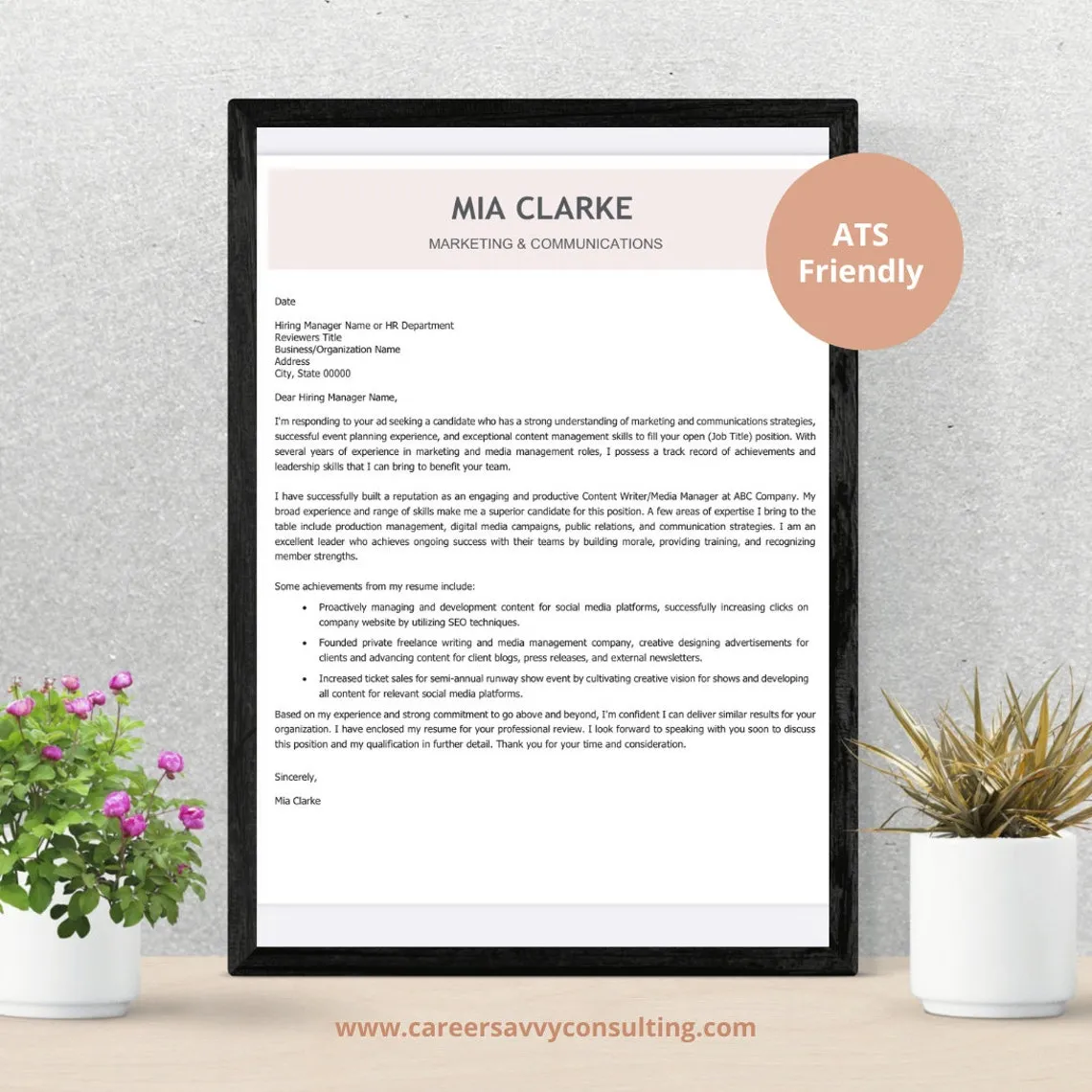
Why an Innovative Cover Letter Matters
In a world where countless job applications flood inboxes daily, a standard cover letter simply won’t cut it. To truly stand out and make a lasting impression, you need an innovative cover letter — one that grabs the reader’s attention from the start and compels them to learn more about you. An innovative cover letter is more than just a formality; it’s your first opportunity to showcase your personality, your unique skills, and your genuine interest in the position and the company. It’s your chance to demonstrate that you’ve gone the extra mile and understand what the employer is looking for. It is an active display of how you can solve their problems. A well-crafted cover letter sets the stage for a successful application by immediately highlighting your value proposition and making you memorable.
Highlighting Your Achievements
Your cover letter isn’t just a summary of your resume; it’s an opportunity to elaborate on your most significant achievements and demonstrate their relevance to the job you’re applying for. Don’t just list your responsibilities. Instead, focus on what you accomplished in each role and how your actions positively impacted the company or organization. This approach provides tangible evidence of your capabilities and skills. The goal is to paint a picture of your successes, using specific examples and quantifiable results to prove your value. This shows that you have the ability to drive results, solve problems, and exceed expectations, which are all qualities that employers highly value.
Quantify Your Accomplishments

Numbers speak volumes when it comes to illustrating your achievements. Instead of vaguely stating that you ‘improved sales,’ specify the percentage increase. Instead of saying you ‘managed projects,’ mention the number of projects completed successfully and on time. Quantifying your accomplishments makes them more credible and easier for the reader to understand the impact you had. Whenever possible, use metrics, statistics, or figures to support your claims. This could include revenue growth, cost savings, customer satisfaction scores, or any other data that demonstrates your effectiveness and the positive outcomes you’ve generated in previous roles.
Show, Don’t Tell with Examples
Rather than simply stating that you possess certain skills, use concrete examples to illustrate how you’ve utilized those skills in real-world situations. For instance, instead of saying you are a ’team player,’ describe a time when you collaborated with colleagues to overcome a challenge or achieve a shared goal. By providing specific anecdotes and scenarios, you bring your skills to life and give the reader a deeper understanding of your abilities. These examples should be concise, relevant, and directly related to the requirements of the job you’re applying for, helping the employer envision you succeeding in the role.
Showcasing Your Unique Skills
Every candidate brings a unique set of skills, experiences, and perspectives to the table. Your cover letter should highlight what sets you apart from the competition. Identify the skills and qualities that align perfectly with the job requirements and the company’s values. Then, use this information to focus on those aspects of your background that differentiate you from other candidates. Do you have a unique technical skill? A specialized certification? A particular cultural understanding? Emphasizing these distinctive elements can make you a more memorable and compelling applicant, increasing your chances of standing out and securing an interview.
Tailoring to the Job Description

A generic cover letter is easily spotted and often discarded. To truly impress, customize each cover letter to the specific job description. Carefully review the requirements and responsibilities outlined in the job posting and identify the key skills and experiences the employer is seeking. Then, demonstrate how your qualifications and achievements align with these requirements. Use the same keywords and phrases used in the job description to show that you understand the role and are a strong match. This level of personalization shows that you’ve taken the time to understand the position and are genuinely interested in the opportunity, not just sending out mass applications.
Researching the Company Culture
Demonstrate your genuine interest by researching the company and understanding its values, mission, and culture. Visit the company’s website, read articles about its work, and explore its social media presence to gain insights into its operations and environment. Use this knowledge to tailor your cover letter to show how your skills and experience align with the company’s goals and values. Highlight any specific projects or initiatives that resonate with you, and explain why you want to be a part of their team. This demonstrates that you’re not just looking for a job but are truly excited about the specific opportunity and the organization as a whole.
Formatting for Impact
The visual presentation of your cover letter is just as crucial as its content. A well-formatted cover letter is easy to read, professional, and visually appealing. Pay attention to font choice, font size, and spacing to create a clean and organized document. Use clear headings and subheadings to break up the text and make it easy for the reader to scan and find the information they need. The overall design should reflect professionalism, clarity, and attention to detail, which are essential qualities for any job seeker. Choose a simple, readable font such as Arial or Times New Roman, and ensure the font size is appropriate (typically 11 or 12 points). Use white space effectively to avoid a cluttered appearance.
Using Action Verbs and Keywords

Action verbs add power and impact to your cover letter, making it more engaging and dynamic. Use strong verbs to describe your accomplishments and responsibilities, such as ’led,’ ‘managed,’ ‘developed,’ ‘achieved,’ and ‘implemented.’ These verbs help you showcase your skills and experience in a compelling way. Include keywords from the job description throughout your cover letter, as this can help your application get past applicant tracking systems (ATS) and be noticed by the hiring manager. However, make sure to use the keywords naturally and contextually so your letter does not sound robotic or forced. The goal is to present yourself as the best fit for the role, making the employer want to contact you.
Keeping it Concise and Engaging
Recruiters and hiring managers are busy, so it’s crucial to keep your cover letter concise and to the point. Aim for one page, highlighting the most relevant information without rambling or including unnecessary details. Make every word count by crafting engaging, impactful sentences that immediately capture the reader’s attention. Start with a strong opening that grabs their interest and clearly states your intention. Maintain a positive and enthusiastic tone throughout the letter. Keep sentences and paragraphs short to enhance readability. Aim for clarity and conciseness to make your cover letter memorable, showcasing your ability to communicate effectively in a limited space.
Proofreading and Polishing
A cover letter riddled with errors can undermine your credibility and damage your chances of getting an interview. Proofread your cover letter multiple times to ensure there are no grammatical errors, spelling mistakes, or typos. Read it aloud to catch any awkward phrasing or inconsistencies. It’s also a good idea to have a friend, family member, or career counselor review your letter for a fresh perspective. Professionalism is vital, so ensure your cover letter is polished, error-free, and leaves a positive lasting impression, reflecting your attention to detail and commitment to excellence.
Checking for Grammar and Spelling Errors

Grammatical errors and spelling mistakes can make you appear careless and unprofessional. Before submitting your cover letter, carefully check for any errors in grammar, punctuation, and spelling. Utilize a grammar and spell-checking tool, but don’t rely on it entirely. Sometimes, these tools can miss errors. Read your letter carefully, and if possible, have someone else proofread it for you. A clean, error-free cover letter demonstrates that you pay attention to detail and are committed to presenting yourself in the best possible light.
Ensuring a Professional Tone
Your cover letter should maintain a professional tone throughout. Avoid using slang, colloquialisms, or overly casual language. Address the hiring manager by name if possible, and use a formal salutation and closing. Use a respectful and confident tone, highlighting your skills and experience without being arrogant. Focus on what you can offer the employer and why you are the best candidate for the job. Maintain a positive and enthusiastic attitude, and let your genuine interest in the position and company shine through.