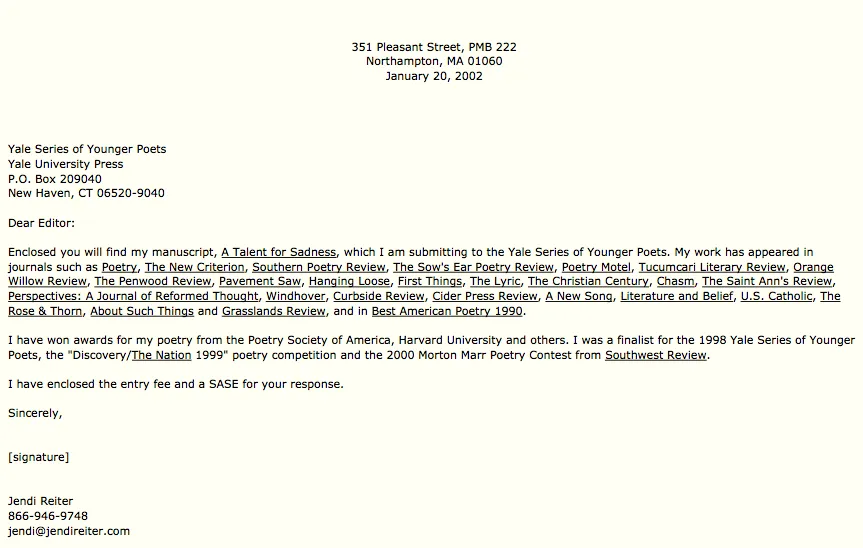
What is a Cover Letter and Why Does it Matter?
A cover letter is a crucial document accompanying your resume when you apply for a job. It serves as your first introduction to a potential employer, allowing you to expand on your resume, showcase your personality, and express your genuine interest in the position. A well-crafted cover letter can significantly increase your chances of getting noticed, securing an interview, and ultimately landing your dream job. In today’s competitive job market, a cover letter is not merely a formality; it is your opportunity to make a strong first impression and stand out from the crowd. It provides a platform to highlight your unique skills, experience, and qualifications that directly align with the job requirements, effectively demonstrating why you are the ideal candidate. By taking the time to write a compelling cover letter, you demonstrate your commitment and attention to detail, which are highly valued by employers. This document showcases your communication skills and your ability to articulate your value proposition clearly and concisely, setting the stage for a successful job application process.
Key Elements of a Compelling Cover Letter
To grab the hiring manager’s attention, a cover letter must contain several key elements working together. Firstly, a professional and well-formatted header with your contact information is essential, ensuring the recruiter can easily reach you. Following the header, a personalized greeting addressing the hiring manager by name (when possible) sets a tone of respect and demonstrates you’ve done your research. The opening paragraph is where you captivate the reader, using a hook to immediately grab their interest. This could be a statement of enthusiasm for the role or a concise summary of how your skills align with the job’s needs. Throughout the body of the letter, you must highlight relevant skills and experiences. Showcase specific achievements, using quantifiable data to illustrate your impact in previous roles. Finally, the closing paragraph should reaffirm your interest, summarize your key strengths, and include a clear call to action, like requesting an interview.
Header and Contact Information

The header of your cover letter is the first thing the hiring manager will see, making it essential to create a professional and organized impression. Begin by including your full name, contact number, email address, and optionally, your LinkedIn profile URL. These details ensure the recruiter can easily reach you if they are impressed with your application. Ensure your contact information is up-to-date and accurately reflects your professional branding. For example, use a professional email address rather than a casual one. The header should be consistently formatted with a clear font and consistent size. It’s also important to maintain a clean and uncluttered design, so the focus is on your credentials. Placing the header at the top-left or top-right corner of the page is standard practice. This establishes your contact information efficiently, providing the recruiter with all the details to follow up, should they be interested in your profile.
Greeting the Hiring Manager
Addressing the hiring manager by name is a critical step in personalizing your cover letter and capturing their attention. It shows you’ve done your research and are genuinely interested in the role. Whenever possible, find the hiring manager’s name. You can find it on the company website, LinkedIn, or by contacting the company directly. If you are unable to find a specific name, opt for a professional greeting such as “Dear Hiring Manager” or “Dear [Department] Team.” Avoid generic greetings like “To Whom It May Concern,” as they can make your letter seem impersonal. If you found the person’s name, using “Dear Mr./Ms. [Last Name]” creates a more formal tone. Proofread the greeting carefully to ensure correct spelling and title. A well-addressed greeting instantly elevates your cover letter and demonstrates your attention to detail and your dedication to the application process, setting the stage for a more engaging read.
Opening Paragraph Hooking the Reader
Your opening paragraph is your chance to make a strong first impression and capture the reader’s attention from the start. Instead of simply restating your interest, use a ‘hook’ to make your letter memorable. Consider starting with a statement that reflects your understanding of the company’s needs or the specific job requirements. For instance, you could express enthusiasm for the company’s mission or highlight a unique skill that aligns with the role. Another effective strategy is to mention a significant achievement or a specific project where you delivered exceptional results. Keeping the opening concise and direct is also important. Aim to create an opening that reflects your personality and aligns with the company culture. A well-crafted opening paragraph sets the tone for the rest of your cover letter, making the hiring manager want to learn more about you and your qualifications.
Highlighting Relevant Skills and Experience

In the body of your cover letter, highlight the skills and experience that are most relevant to the job you are applying for. Review the job description carefully and identify the key requirements and qualifications. Then, provide examples of how your past experience and skills match these requirements. Instead of simply listing your skills, provide specific examples of how you’ve applied them in previous roles. Describe projects, tasks, or responsibilities where you demonstrated the required abilities. Use action verbs to describe your accomplishments, such as ‘managed,’ ‘developed,’ or ‘implemented.’ Structure your letter to showcase the key skills the employer seeks, and avoid including information that is not directly relevant to the role. Keep your paragraphs concise and to the point, ensuring each sentence emphasizes your key achievements and how they align with the company’s needs and culture. This focused approach helps the hiring manager quickly see your value and how you can contribute to the team.
Quantifying Achievements with Data
When describing your accomplishments, quantifying your achievements with data makes your cover letter more impactful. Numbers and specific metrics provide concrete evidence of your abilities and the value you bring to the table. Whenever possible, include data to illustrate your impact. For example, instead of saying “Improved customer satisfaction,” say, “Increased customer satisfaction by 15% within six months.” Similarly, if you have experience in sales or revenue generation, include the specific figures. For example, “Generated $500,000 in new sales revenue.” Include metrics, such as the amount of money saved, the percentage of time reduced, or the number of projects completed. Quantifying your achievements showcases the results-oriented mindset and helps the hiring manager understand the practical value you can bring to their organization. This provides credibility and makes your letter more compelling.
Tailoring the Cover Letter to the Job
A generic cover letter is unlikely to grab a hiring manager’s attention. Customizing your cover letter for each job application is essential to demonstrate your interest and suitability. Take the time to research the company and the specific role you are applying for. Then, tailor your letter to align with the job description and the company’s values. Mention the company’s mission, culture, and recent projects in your letter to show you are knowledgeable about the organization. In the body of your letter, highlight the skills and experiences that are most relevant to the specific role. Adapt your language and tone to match the company’s brand. Customization communicates your genuine interest and attention to detail, which can make a significant difference in a competitive job market. This shows you are not simply sending out a generic application, but that you have taken the time to understand the role.
Showcasing Personality and Enthusiasm

While professionalism is important, incorporating your personality and enthusiasm can help your cover letter stand out. Your cover letter should reflect your unique perspective and passion for the role. Use a tone that reflects your personality. Be authentic and allow your enthusiasm for the job and company to shine through. Instead of writing a purely formal letter, weave in your passion for the field or the company’s work. Use an engaging writing style with action verbs and vivid language. However, be sure to strike a balance between personality and professionalism. Avoid overly casual language or informal expressions that could undermine your credibility. Showing genuine enthusiasm and personality makes your letter memorable and helps the hiring manager get a better sense of who you are beyond your resume. It helps in creating a positive first impression.
Closing Paragraph and Call to Action
The closing paragraph of your cover letter is your final opportunity to make an impression and drive the hiring manager towards action. The closing paragraph should summarize your key qualifications and reaffirm your interest in the position. It’s a good practice to reiterate your enthusiasm and briefly recap why you are a great fit for the role. Include a clear call to action. Invite the hiring manager to contact you for an interview or to discuss your qualifications further. Provide your contact information once more to make it easy for them to follow up. Ensure a professional closing, such as ‘Sincerely’ or ‘Best regards,’ followed by your full name. A well-crafted closing ensures you end your cover letter on a strong note, increasing your chances of moving forward in the application process and securing an interview.