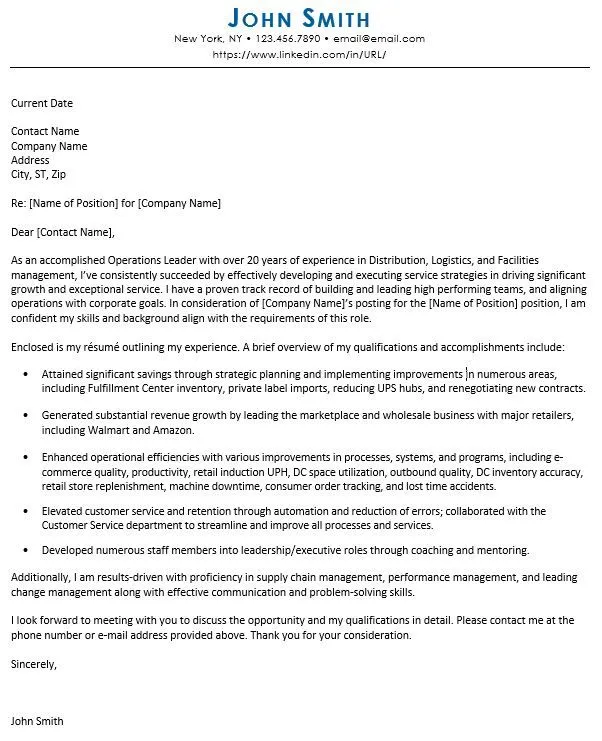
What is a Cover Letter
A cover letter is a crucial document that accompanies your resume when applying for a job. Think of it as your personal introduction to a potential employer, a chance to showcase your personality, express your interest in the specific role, and highlight why you’re the ideal candidate. Unlike your resume, which provides a snapshot of your skills and experience, a cover letter allows you to tell a story, to connect your qualifications with the requirements of the job, and to demonstrate your understanding of the company and its values. In essence, it bridges the gap between your qualifications and the employer’s needs, making it an indispensable part of any successful job application strategy.
The Importance of a Cover Letter
In today’s competitive job market, a well-crafted cover letter can be the deciding factor in whether or not you get an interview. It’s your opportunity to make a strong first impression and to set yourself apart from other applicants. A cover letter allows you to address any potential gaps in your resume, such as career changes or periods of unemployment, and to explain how your skills and experience align with the specific job requirements. It also gives you a chance to express your genuine enthusiasm for the role and the company, which can leave a lasting positive impact on the hiring manager. Many employers see the cover letter as a key to determining the candidate’s communication skill and suitability for the open position.
Cover Letter Structure Essentials

A standard cover letter structure typically consists of several key components. Begin with a professional heading that includes your contact information and the date. Next, address the hiring manager by name if possible, showing you’ve taken the initiative to research the company. The body of the letter should be divided into three to four paragraphs. The first paragraph should introduce yourself and state the position you are applying for, and how you found it. The following paragraphs should highlight your relevant skills and experience, using specific examples to demonstrate your capabilities. Finally, conclude your letter with a strong closing that reiterates your interest in the position and thanks the reader for their time and consideration. Always remember to use a professional and easy-to-read font, and keep the tone consistent throughout.
Crafting a Compelling Opening
The opening paragraph of your cover letter is crucial, as it sets the tone for the entire document. It should immediately grab the reader’s attention and make them want to learn more about you. Instead of a generic greeting, try to personalize it by mentioning something specific about the company or the role that excites you. Briefly introduce yourself and state the position you’re applying for. Clearly express why you’re interested in the opportunity and what you bring to the table. Consider starting with a strong statement that demonstrates your understanding of the company’s mission or values. By crafting a compelling opening, you’ll instantly increase your chances of capturing the hiring manager’s interest and encouraging them to continue reading.
Highlighting Relevant Skills and Experience
The core of your cover letter should focus on highlighting the skills and experience that are most relevant to the job requirements. Carefully review the job description and identify the key qualifications the employer is seeking. Then, provide specific examples from your past experiences that demonstrate your proficiency in those areas. Use the STAR method (Situation, Task, Action, Result) to describe your accomplishments, providing context, detailing the actions you took, and highlighting the positive outcomes. Quantify your achievements whenever possible, using numbers and data to showcase the impact of your work. Tailoring this section to align with the job description shows the hiring manager that you’ve carefully considered their needs and can contribute meaningfully to their organization.
Demonstrating Your Enthusiasm

Expressing genuine enthusiasm for the position and the company is a key to a successful cover letter. Show the hiring manager that you’re genuinely excited about the opportunity and that you’ve done your research. Mention specific aspects of the company’s work, culture, or values that resonate with you. Explain why you’re particularly interested in the role and how it aligns with your career goals. Avoid generic statements and instead, demonstrate your passion for the industry or field. By showcasing your enthusiasm, you’ll make a memorable impression and increase your chances of getting the interview. Your passion is contagious, and makes the hiring manager want to meet with you.
Tailoring Your Cover Letter to the Job
One of the biggest mistakes job seekers make is using a generic cover letter for every application. To stand out, it’s essential to tailor your cover letter to each specific job and company. Carefully review the job description and identify the keywords and requirements. Use these keywords throughout your letter to demonstrate that you meet the stated qualifications. Research the company and customize your letter to reflect their values, culture, and mission. Show the hiring manager that you understand their specific needs and that you’ve taken the time to learn about their organization. Tailoring your cover letter is a time-consuming process, but it significantly increases your chances of getting noticed and securing an interview.
Using Action Verbs Effectively
Action verbs are essential for creating a dynamic and impactful cover letter. They bring your accomplishments to life and make your writing more engaging. Use strong, active verbs to describe your skills and experiences. Instead of saying “Responsible for project management,” try “Managed projects, delivering them on time and under budget.” Avoid passive voice and use verbs that demonstrate your initiative, leadership, and accomplishments. When choosing action verbs, consider the specific requirements of the job and select verbs that align with the desired skills. By using action verbs effectively, you can create a cover letter that captures the reader’s attention and effectively communicates your value as a candidate.
Proofreading and Formatting

Before submitting your cover letter, proofread it carefully for any errors in grammar, spelling, or punctuation. Errors can undermine your credibility and leave a negative impression on the hiring manager. Use a spell checker, but also read the letter aloud to catch any mistakes that might be missed by the software. Pay attention to the formatting of your letter, ensuring that it is easy to read and visually appealing. Use a professional font, such as Times New Roman or Arial, and maintain consistent formatting throughout. Ensure proper spacing between paragraphs and sections. A well-formatted and error-free cover letter demonstrates your attention to detail and professionalism.
Cover Letter Examples
Reviewing cover letter examples can provide valuable insights and inspiration when writing your own. Look for examples that are tailored to the specific industry and job you’re applying for. Pay attention to how the candidates structure their letters, highlight their skills, and express their enthusiasm. Use these examples as a starting point, but always personalize your own cover letter to reflect your unique qualifications and experiences. Tailoring it to the specific company and role is key. Adapt the examples to align with your own experience and the requirements of the job, remembering to maintain your authentic voice and showcasing your best qualities. Use the example as a guide, not as a template. Then, be sure to thoroughly proofread and edit it before submitting your application.