
What is Cover Letter Magic?
Cover Letter Magic is the art and science of crafting compelling cover letters that grab the attention of hiring managers and increase your chances of landing an interview. It’s about more than just summarizing your resume; it’s about telling a story, showcasing your personality, and demonstrating why you’re the perfect fit for the job. Effective cover letters are personalized to each application, highlighting specific skills and experiences that align with the job requirements and the company’s values. They are not generic templates but carefully constructed narratives designed to make a strong first impression and set you apart from other candidates. The magic lies in the details, the strategic use of language, and the ability to connect with the reader on a professional and personal level, ultimately persuading them to take the next step in the hiring process.
Why is a Cover Letter Important?
In a competitive job market, a cover letter can be your most valuable asset. It provides an opportunity to go beyond the constraints of your resume and elaborate on your qualifications, experiences, and aspirations. It allows you to address any gaps in your resume, such as career changes or periods of unemployment, and to explain how your skills and experiences align with the specific requirements of the job. The cover letter also serves as a crucial tool for demonstrating your communication skills, professionalism, and enthusiasm for the position. Many employers consider cover letters as a key factor in evaluating candidates. A well-written cover letter can significantly increase your chances of getting noticed, securing an interview, and ultimately landing the job. In essence, it gives you the chance to make a personal introduction and advocate for yourself, turning an application into an opportunity.
Understanding Your Audience

Before you start writing, it’s crucial to understand who your audience is. Research the company, its values, and the specific role you’re applying for. Analyze the job description carefully to identify the key skills, qualifications, and experiences the employer is seeking. Visit the company’s website, read their “About Us” page, and browse their social media profiles to get a sense of their culture and values. This information will help you tailor your cover letter to match the company’s tone and highlight the most relevant aspects of your background. Try to identify the hiring manager or the person who will be reading your cover letter. Knowing their name allows you to personalize your greeting, which can make your letter more engaging. By understanding your audience, you can craft a cover letter that resonates with the reader, shows you’ve done your homework, and demonstrates your genuine interest in the opportunity. (audience-research.webp)
Tailoring Your Cover Letter
A generic cover letter will rarely impress a hiring manager. Tailoring your cover letter to each specific job application is essential. Start by customizing the opening paragraph to directly address the hiring manager and state your interest in the specific position. In the body paragraphs, highlight the skills and experiences that are most relevant to the job requirements. Use keywords from the job description to demonstrate that you meet the qualifications. Provide specific examples of your achievements and how they relate to the company’s needs. Quantify your accomplishments whenever possible, using numbers and data to illustrate your impact. Avoid simply restating your resume; instead, elaborate on your key accomplishments and explain how they align with the job’s responsibilities. Show, don’t just tell, by providing concrete examples that demonstrate your ability to succeed in the role. (cover-letter-example.webp)
Key Elements of a Cover Letter
A well-structured cover letter typically includes several key elements. These elements work together to present a cohesive and compelling narrative that captures the reader’s attention. The layout and content must be considered for a great impression. (cover-letter-structure.webp)
Header

The header should include your contact information, such as your name, phone number, email address, and LinkedIn profile URL. This information should be clearly presented and easy to find. It’s also a good practice to include the date and the hiring manager’s name and title, if available.
Greeting
Address the hiring manager by name if possible. This shows you’ve taken the time to research the company and personalize your application. If you don’t know the name, use a professional greeting such as “Dear Hiring Manager” or “Dear [Department Name] Team.”
Opening Paragraph
State the purpose of your letter and how you learned about the job opportunity. Briefly mention your most relevant qualifications and express your enthusiasm for the position. Clearly state the job title and the company you are applying to. This is your chance to grab the reader’s attention from the outset.
Body Paragraphs
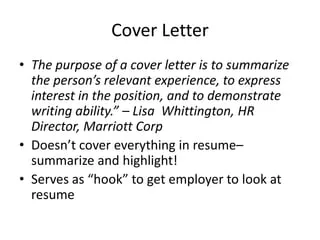
Use the body paragraphs to highlight your skills, experiences, and accomplishments. Provide specific examples that demonstrate how you meet the job requirements. Explain how your skills and experiences align with the company’s values and the role’s responsibilities. Focus on your achievements and quantify your results whenever possible. This is where you can show the hiring manager what makes you a strong candidate and how you can contribute to the company’s success.
Showcase Your Skills
Identify the key skills listed in the job description and provide examples of how you’ve demonstrated those skills in previous roles. Use action verbs to describe your accomplishments and quantify your results whenever possible. Tailor your skills to match the job requirements, focusing on the skills that are most relevant to the position. Mention any specific software, tools, or technologies you have experience with. Demonstrating your skills clearly is a great way to show your qualifications. (skills-highlight.webp)
Highlight Achievements
Instead of simply listing your job responsibilities, focus on your accomplishments. Quantify your achievements with numbers and data to illustrate your impact. For example, instead of saying “Managed social media,” say “Increased social media engagement by 30% within six months.” Use the STAR method (Situation, Task, Action, Result) to describe your accomplishments in detail. This method helps you provide context, explain your role, describe your actions, and quantify the results of your efforts. Providing these details gives a great look at your ability. (achievements-example.webp)
Closing Paragraph
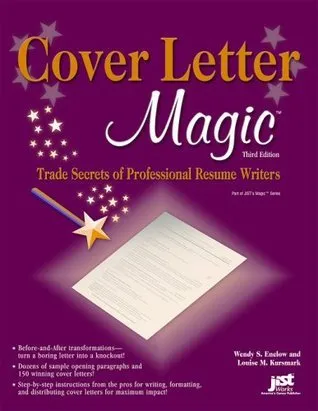
Reiterate your interest in the position and thank the hiring manager for their time and consideration. Express your enthusiasm for the opportunity and reiterate your key qualifications. Restate your contact information and invite the reader to contact you for an interview. Make sure it expresses your enthusiasm in a professional manner.
Call to Action
Include a clear call to action, such as “I am eager to discuss my qualifications further” or “I am available for an interview at your earliest convenience.” Make it easy for the hiring manager to take the next step. Express confidence and convey that you are ready to move forward in the hiring process. This helps the reader know what to do next.
Proofreading and Editing
Proofreading is critical to eliminate any errors that could undermine your credibility. Check for spelling, grammar, punctuation, and formatting errors. Read your cover letter aloud to catch any awkward phrasing or typos. Have a friend, family member, or career counselor review your cover letter for feedback. Pay close attention to detail and ensure that your cover letter is polished and professional. A well-proofread cover letter demonstrates your attention to detail and professionalism. These are important traits for a prospective employee. (proofreading-tips.webp)
Formatting Your Cover Letter

The layout of your cover letter should be clean, easy to read, and visually appealing. Use a professional font, such as Times New Roman, Arial, or Calibri, with a font size between 10 and 12 points. Use standard margins (1 inch) and single-spacing. Avoid excessive use of bolding, underlining, or italics. Use bullet points to highlight key skills or accomplishments. Ensure that your cover letter is well-organized and visually balanced, which will make it easier for the reader to digest the information. Correct formatting creates a great impression. (formatting-cover-letter.webp)
Font and Style
Choose a professional and easy-to-read font, such as Times New Roman, Arial, or Calibri. Maintain consistency in font size (10-12 points) and style throughout the document. Avoid using overly decorative or informal fonts. The font and style should be a professional and clear choice.
File Format and Submission
Save your cover letter as a PDF file to preserve the formatting across different devices and operating systems. Name the file with your name and the job title (e.g., “JohnDoe_CoverLetter_MarketingManager.pdf”). Always follow the application instructions provided by the employer regarding file format and submission. If the instructions do not specify a file format, PDF is generally the preferred choice. Make sure the file is properly named.