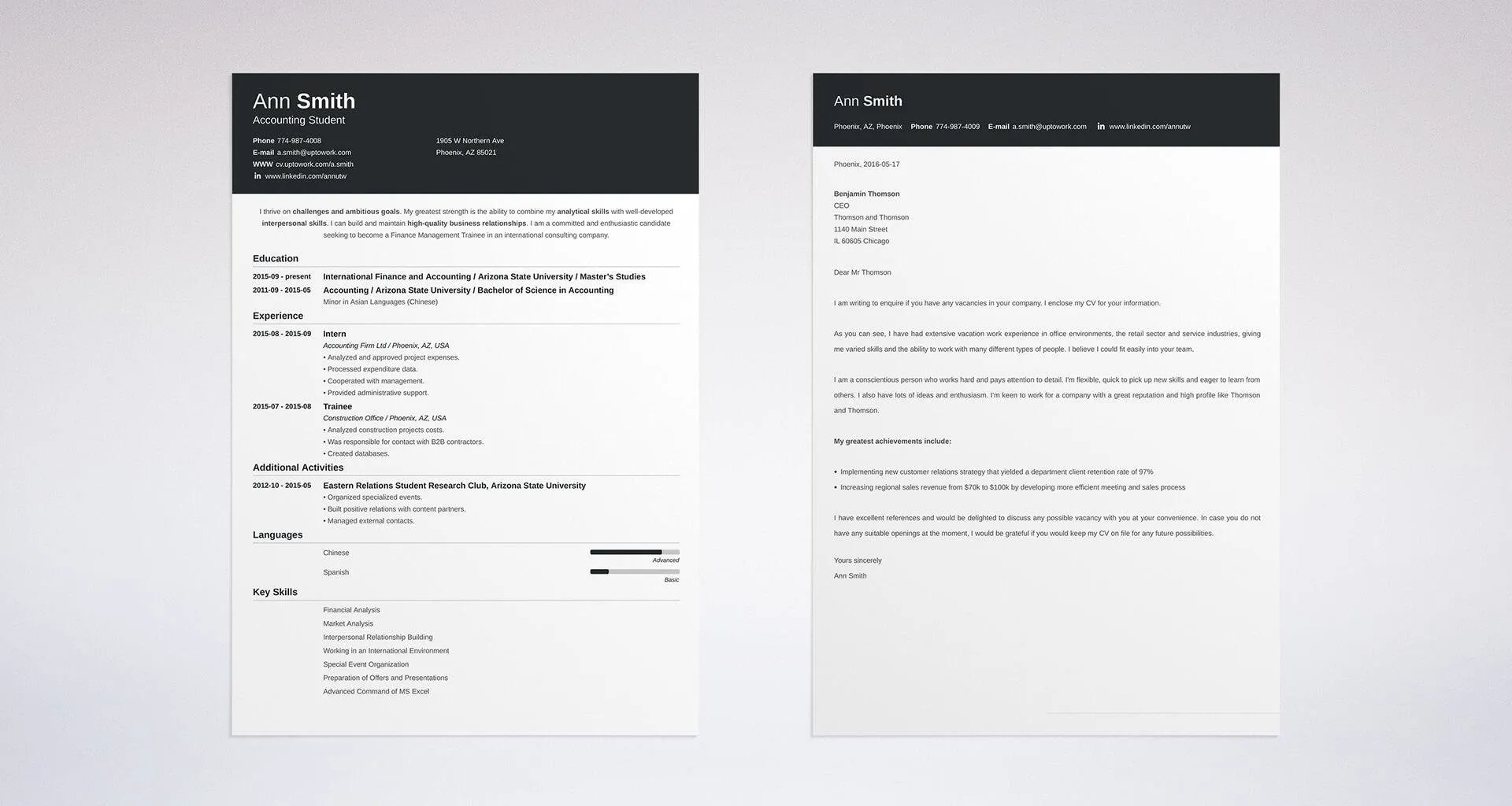
Why Cover Letters Matter
In the competitive landscape of today’s job market, the question of whether a cover letter is important frequently arises. The answer is a resounding yes. A well-crafted cover letter can significantly increase your chances of landing an interview, as it serves as your first introduction to a potential employer and allows you to showcase your unique value proposition. Unlike a resume, which provides a factual overview of your experience and skills, a cover letter gives you the opportunity to tell your story, highlighting your personality, aspirations, and why you’re the perfect fit for the specific role. The importance of a cover letter is amplified by its ability to tailor your application to the specific job and company, demonstrating your genuine interest and understanding of their needs. Many hiring managers and recruiters consider a cover letter a mandatory part of the application process, viewing it as a reflection of your professionalism, attention to detail, and commitment to the opportunity. A cover letter provides a valuable context to your application and explains career gaps and transitions.
Highlighting Your Skills
Your cover letter offers the perfect platform to highlight the skills and experiences most relevant to the job you’re applying for. While your resume lists your accomplishments, your cover letter allows you to elaborate on those achievements and connect them directly to the requirements of the position. The cover letter acts as a bridge between your resume and the job description. It provides the opportunity to explain how your skills and experiences align with the company’s needs, demonstrating your ability to contribute to their success. By strategically weaving your skills and experiences into the narrative of your cover letter, you provide concrete examples of your capabilities. This ensures that the hiring manager understands not only what you can do but also how you can apply those skills to the specific role. Moreover, the cover letter lets you emphasize your transferable skills, which are highly valued by employers.
Matching Skills to Job Requirements

The key to an effective cover letter lies in its ability to directly address the requirements outlined in the job description. Carefully review the job posting and identify the key skills, qualifications, and experiences the employer is seeking. Then, strategically incorporate these keywords and phrases into your cover letter, illustrating how your background aligns with their needs. This matching process shows the hiring manager that you understand the role and are well-suited to succeed. Providing specific examples of how you’ve used your skills in past roles to achieve results helps demonstrate your capabilities and proves your ability to perform the job. This personalized approach goes beyond a generic resume, showing the employer that you’ve taken the time to understand their needs and are committed to the opportunity.
Showing Your Personality
A cover letter allows you to let your personality shine through, something a resume often struggles to convey. By using a professional yet authentic tone, you can give the hiring manager a sense of who you are as a person and how you might fit into the company culture. The cover letter is an opportunity to demonstrate your communication skills and writing style, which are important in most professional roles. Consider including a brief anecdote or a personal touch that showcases your enthusiasm for the role. Remember, the goal is to make a connection with the hiring manager. By injecting your personality into the cover letter, you can make a more memorable impression and distinguish yourself from other candidates. This is your chance to express your passion for the industry or the company.
Adding a Personal Touch
Personalizing your cover letter goes beyond simply addressing the hiring manager by name. It involves tailoring the content of the letter to reflect your genuine interest in the specific company and role. Research the company, understand its values, and incorporate your understanding into your letter. Mention specific projects, initiatives, or aspects of the company that resonate with you and explain why you’re excited about the opportunity. This shows that you’ve done your homework and are not just sending out a generic application. Adding a personal touch can include mentioning specific reasons why you’re drawn to the company, referencing a recent company achievement, or sharing a brief story that illustrates your relevant skills or experiences. These details show that you’re engaged and that you’ve considered the organization’s needs.
Demonstrating Interest in the Role

A cover letter allows you to explicitly demonstrate your genuine interest in the specific role and company. This is your chance to articulate why you’re excited about the opportunity and how your skills and experiences align with their needs. Expressing your enthusiasm can significantly increase your chances of getting noticed. Make it clear that you’ve carefully reviewed the job description and understand what the role entails. Highlight specific aspects of the role or the company that excite you, and explain how you believe you can contribute to their goals. By taking the time to tailor your letter to the specific opportunity, you make it clear that you’re not just sending out a mass application but that you are genuinely interested in this specific position. This personalized approach often makes a lasting impression.
Expressing Enthusiasm and Dedication
Expressing your enthusiasm and dedication in your cover letter can set you apart from other candidates. Use positive and engaging language to convey your passion for the role and the company. Share your excitement about the opportunity and express your willingness to learn and grow within the organization. This enthusiasm can be conveyed through a confident and proactive tone, emphasizing your ability to contribute positively. Demonstrate your commitment to the company by expressing your desire to make a valuable contribution. This shows that you are serious about the opportunity and are committed to putting in the effort needed to succeed. Remember, hiring managers want to recruit individuals who are motivated and enthusiastic about their work and the company’s success. Showing this through your letter is very important.
Explaining Career Gaps or Transitions
Cover letters provide a strategic platform for addressing any potential concerns or gaps in your employment history. If you have career gaps, explain the reasons briefly and positively. If you have career transitions, use your letter to explain the rationale behind your career choices and how your past experiences have prepared you for the role. This proactive approach allows you to control the narrative and prevent any misunderstandings. Frame any gaps or transitions in a way that highlights your adaptability, skills, and personal growth. This shows the hiring manager that you are a resilient and forward-thinking individual. Explain how you used that time to acquire new skills, volunteer, or pursue personal development. Your cover letter helps you manage the narrative of your career.
Addressing Potential Concerns

Use your cover letter to address any potential concerns or questions that might arise from your resume. If you’re changing careers, explain your motivations and highlight the transferable skills that make you a strong candidate. If you have a gap in employment, briefly and positively explain the situation, focusing on what you learned or achieved during that time. By addressing these concerns proactively, you show the hiring manager that you are transparent, honest, and confident in your abilities. A well-crafted explanation can alleviate any doubts and position you as a strong candidate. This allows you to frame your experience in a way that highlights your strengths and minimizes any perceived weaknesses.
Providing Context and Clarity
The cover letter provides you with the opportunity to add context to your resume and clarify any ambiguities. It allows you to go beyond the facts and figures and provide a more detailed explanation of your skills, experiences, and accomplishments. Use the cover letter to explain how your experiences align with the specific requirements of the job. This context helps the hiring manager understand your qualifications more fully. Elaborate on projects, achievements, or experiences that may not be fully explained in your resume. This ensures that the hiring manager has a comprehensive understanding of your abilities and how they relate to the role. Providing context adds a layer of clarity that helps you avoid misinterpretations and allows you to make a stronger case for your candidacy.
Making a Memorable First Impression
The cover letter is often the first impression a potential employer will have of you, making it a critical part of the job application process. A well-written cover letter can set you apart from the competition and leave a positive and lasting impression. A cover letter is a chance to present yourself as professional, articulate, and enthusiastic. Use your cover letter to demonstrate your communication skills and writing style, which are important in most professional roles. Highlight your skills, experience, and personality in a way that resonates with the hiring manager. Your attention to detail, ability to communicate effectively, and genuine interest in the opportunity will leave a positive impact.
Standing Out from the Competition

In a competitive job market, standing out from the crowd is essential. A well-crafted cover letter gives you an edge by showcasing your unique qualities and demonstrating your genuine interest in the specific role and company. Tailor your cover letter to each job application, highlighting the skills and experiences most relevant to the position. Research the company and incorporate specific details about their mission, values, or recent achievements to show that you are truly interested in the opportunity. This level of personalization sets you apart from candidates who send out generic applications. By making your cover letter as engaging and relevant as possible, you can capture the hiring manager’s attention and increase your chances of securing an interview.
Creating a Positive Image
Your cover letter is an opportunity to create a positive image of yourself as a professional, enthusiastic, and capable candidate. Use a professional tone, impeccable grammar, and clear writing to convey your communication skills and attention to detail. Tailor the content to demonstrate your knowledge of the company and the specific role, showing that you have done your homework. Highlight your skills, experience, and personality in a way that makes you stand out and resonates with the hiring manager. Make sure your cover letter reflects your positive attitude, eagerness to learn, and desire to contribute to the organization’s success. Remember, it is a reflection of your professionalism and your potential to thrive in the company.
Conclusion
In conclusion, while the importance of a cover letter can be debated, the evidence overwhelmingly supports its continued value in the job application process. It offers a unique opportunity to tell your story, highlight your skills, demonstrate your interest, and stand out from the competition. By crafting a personalized cover letter, you can significantly increase your chances of landing an interview and ultimately securing your dream job. Investing the time and effort into writing a compelling cover letter is a strategic investment in your career, demonstrating your attention to detail, and providing an opportunity to showcase your unique qualifications. Therefore, the answer to the question, ‘Is a cover letter important?’ is a resounding yes.